

What a plant-based diet is, the research on its benefits for heart health, diabetes and cancer, why the quality of plant foods matters, and which nutrients to plan for.
A plant-based diet builds meals around vegetables, fruits, whole grains, legumes, nuts and seeds, and eats animal foods less often or not at all. Plant-based diets rich in high-quality plant foods are associated with lower risk of cardiovascular disease and its risk factors (5).
But “plant-based” does not automatically mean healthy. In large US studies, plant-based diets built on refined grains, sugary drinks and sweets were linked to a higher risk of heart disease (1). This guide explains the evidence and how to start a plant-based diet safely.
Key Takeaways
- A healthful plant-based diet was linked to 25% lower coronary heart disease risk, while an unhealthful one was linked to 32% higher risk (1).
- Vegetarians had 25% lower risk of ischemic heart disease and 8% lower cancer incidence in a meta-analysis of observational studies (3).
- Plant-based diets are associated with lower LDL cholesterol and lower inflammation markers (6).
- Plant-based diets can help prevent and manage type 2 diabetes (7, 8).
- Vitamin B12 is not naturally present in plant foods, so vegans need fortified foods or supplements (4).
What Is a Plant-Based Diet?
 Save
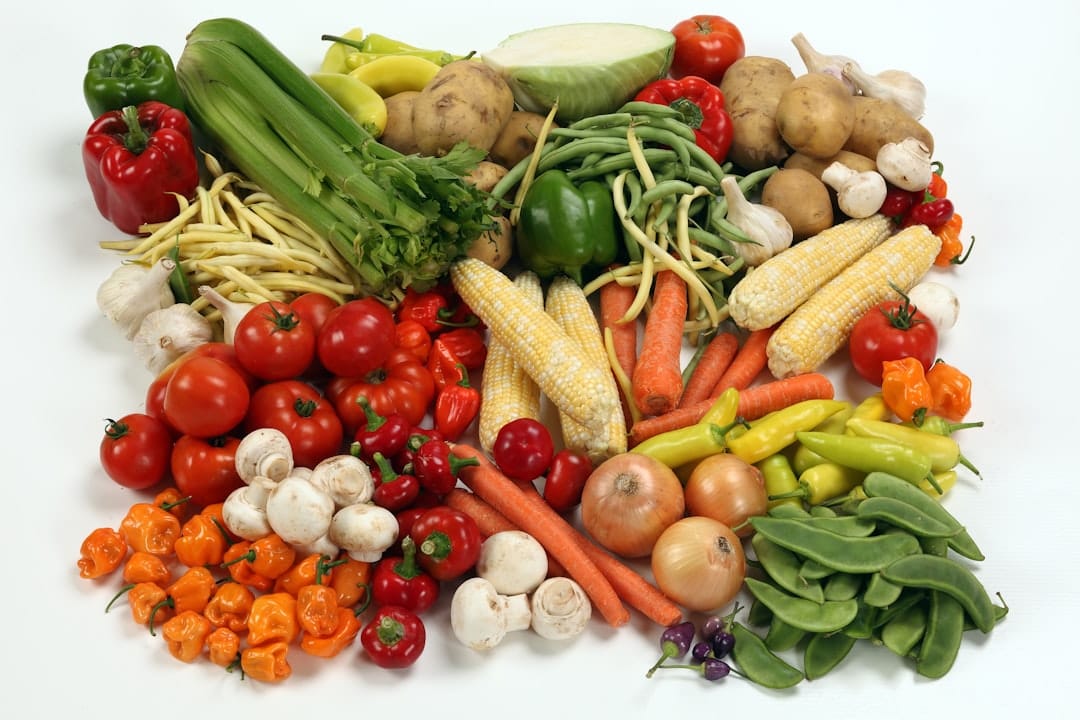
SavePlant-based diets are eating patterns that emphasize legumes, whole grains, vegetables, fruits, nuts and seeds and limit most or all animal products (7). They include several styles (8):
- Vegan: no animal products
- Lacto-ovo vegetarian: no meat or fish, but includes dairy and eggs
- Pesco-vegetarian: includes fish
- Semi-vegetarian or flexitarian: occasional meat
You do not have to be vegan to eat plant-based. Researchers often score diets by how much of the plate comes from plants versus animal foods (1, 2).
Why the Type of Plant Food Matters
In three large US cohorts with more than 200,000 adults, researchers compared a healthful plant-based diet index with an unhealthful one. People with the highest healthful scores had a 25% lower risk of coronary heart disease, while those with the highest unhealthful scores had a 32% higher risk (1).
| Healthful plant foods | Less healthy plant foods |
|---|---|
| Whole grains | Refined grains |
| Fruits and vegetables | Fruit juices and sugar-sweetened drinks |
| Nuts and legumes | Potatoes and fries |
| Vegetable oils, tea and coffee | Sweets and desserts |
| 25% lower coronary heart disease risk with the most healthful pattern | 32% higher coronary heart disease risk with the least healthful pattern |
Food groups from the healthful and unhealthful plant-based diet indexes in US cohort studies (1).
Choosing whole, minimally processed plant foods is what drives the benefits (1, 5).
Plant-Based Diet Benefits at a Glance
| Outcome | What studies found | Type of evidence |
|---|---|---|
| Heart disease | Healthful plant-based diets linked to 25% lower coronary heart disease risk; vegetarians 25% lower ischemic heart disease (1, 3) | Large cohort studies, meta-analysis |
| Cholesterol and inflammation | Lower total and LDL cholesterol and C-reactive protein (6) | Observational and intervention studies |
| Type 2 diabetes | Lower risk and improved blood sugar control (7, 8) | Cohort studies and trials |
| Cancer | 8% lower total cancer incidence in vegetarians; no clear effect on specific cancers (3) | Meta-analysis of observational studies |
| Mortality | 18%–25% lower all-cause mortality with higher plant-based diet scores in one US cohort (2) | Cohort study |
| Brain health | More fruit and vegetables linked to lower cognitive impairment risk (11) | Meta-analysis of observational studies |
Heart Health and Cholesterol
In the ARIC study of 12,168 middle-aged US adults followed for nearly 30 years, people with the highest plant-based diet scores had a 16% lower risk of cardiovascular disease, a 31% to 32% lower risk of dying from cardiovascular disease and an 18% to 25% lower risk of death from any cause (2). A less healthy plant-based pattern showed no such benefit (2).
A meta-analysis of observational studies found that vegetarians and vegans had lower body mass index, total cholesterol, LDL cholesterol and blood glucose than omnivores, and vegetarians had a 25% lower risk of ischemic heart disease (3). A review of 43 studies found plant-based diets were associated with lower LDL cholesterol, apolipoprotein B and C-reactive protein, a marker of inflammation (6).
Type 2 Diabetes
Cohort studies strongly support plant-based diets for lowering type 2 diabetes risk, and observational and intervention studies show benefits for managing diabetes and its complications. Proposed reasons include healthier body weight, more fiber and phytonutrients, and less saturated fat (7). A review found that vegetarian diets built on whole grains, fruits, vegetables, legumes and nuts are most beneficial (8). A perspective from the Physicians Committee for Responsible Medicine, a plant-based advocacy organization, described plant-based diets as highly effective for treating type 2 diabetes (9). If you take diabetes medication, your doses may need adjusting when you change your diet, so work with your doctor (9).
Cancer Risk
In the Adventist Health Study-2 of 69,120 adults, vegetarians had an 8% lower overall cancer risk than non-vegetarians, and vegans had a 16% lower risk (10). A meta-analysis of cohort studies similarly found 8% lower total cancer incidence in vegetarians and 15% lower in vegans, but no significant association with colorectal, breast, prostate or lung cancer specifically, and no difference in cancer deaths (3).
Brain and Gut Health
A meta-analysis of nine studies found that eating more fruit and vegetables was associated with a 20% lower risk of cognitive impairment and dementia, mainly in adults over 65 (11). This looked at fruit and vegetable intake, not plant-based diets as a whole.
Vegan diets are rich in fiber and polyphenols and change the makeup of gut bacteria, although they can also lead to nutritional deficiencies if poorly planned (12). In a small crossover trial, a vegan meal with tofu increased fullness and gut hormones more than a processed-meat and cheese meal with the same calories; one author works for a plant-based advocacy organization (13).
Nutrients to Plan For
- Vitamin B12: found only in animal foods naturally, but available in fortified breakfast cereals, nutritional yeast and supplements. Adults need 2.4 to 2.8 mcg a day (4). Our guide to vitamin B12 deficiency covers the early signs and who should be tested.
- Children and teens: in a meta-analysis of 59 studies, vegetarian and vegan children ate less vitamin B12, vitamin D and zinc, vegans ate particularly little calcium, and there were higher odds of iron deficiency in vegetarian children and B12 deficiency in vegan children (14). Plant-based diets for children need careful planning and often supplements.
- Calcium and iron sources: legumes, fortified plant milks, tofu and seeds such as whole sesame seeds help.
How to Start a Plant-Based Diet
 Save
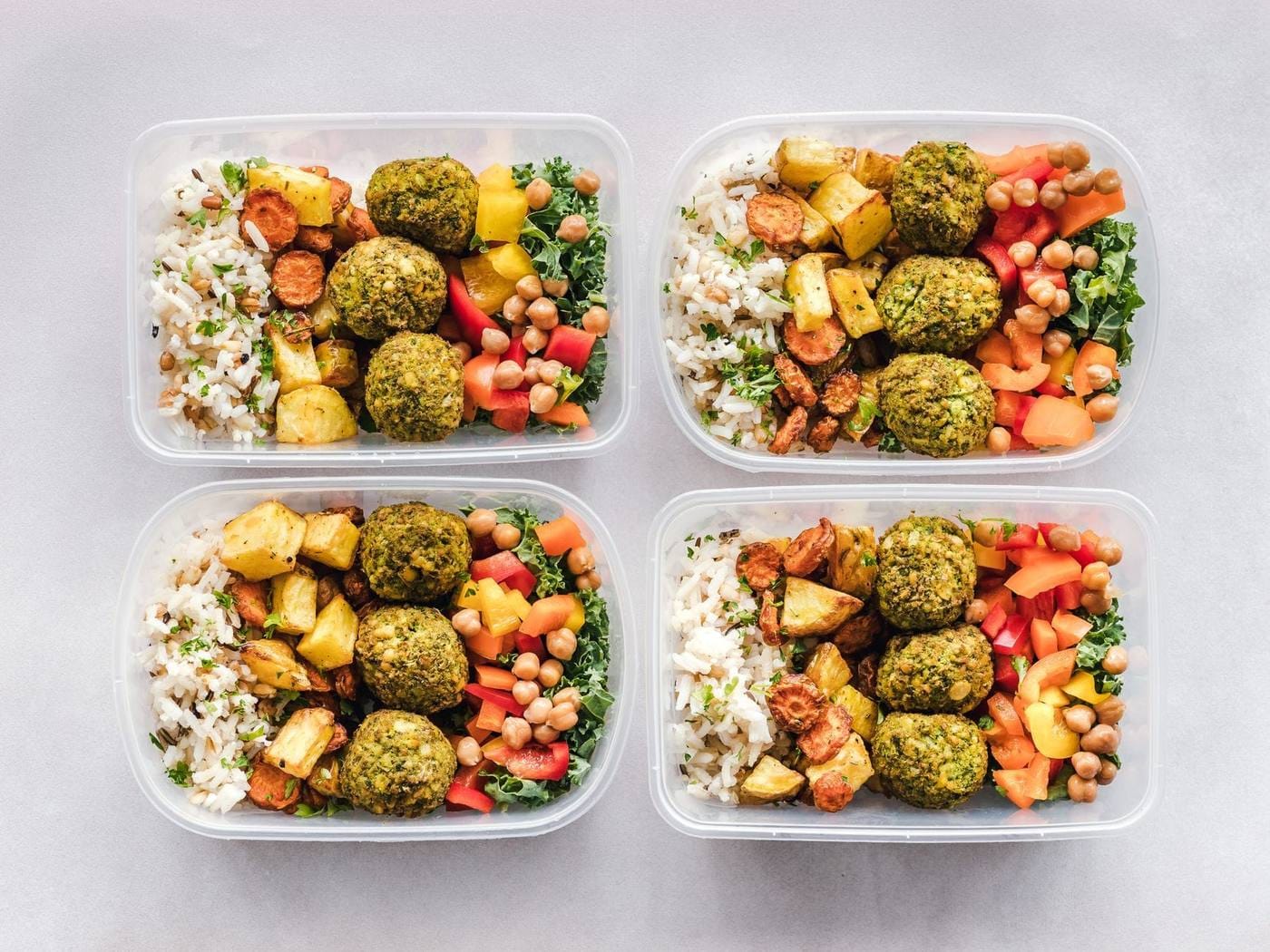
Save- Go at your own pace: start with a few plant-based meals a week, or swap one animal food at a time.
- Base meals on whole foods: whole grains, beans, lentils, vegetables, fruit, nuts and seeds rather than refined grains, sweets and sugary drinks (1). See our list of high-fiber foods.
- Include protein at each meal: beans, lentils, tofu, tempeh, edamame, nuts and seeds.
- Plan for B12: use fortified foods or a supplement if you eat few or no animal foods (4).
- Watch highly processed “vegan” products: many are high in refined ingredients.
- Follow a plan: if weight loss is your goal, try our vegetarian weight loss meal plan, or build meals around a balanced diet.
Frequently Asked Questions
What is a plant-based diet?
A plant-based diet emphasizes foods from plants, such as vegetables, fruits, whole grains, legumes, nuts and seeds, and eats animal foods less often or not at all. It can range from vegan to vegetarian to a flexible diet that still includes some meat, fish, eggs or dairy.
Is a plant-based diet healthy?
It depends on which plant foods you eat. In large US studies, a plant-based diet rich in whole grains, fruits, vegetables, nuts and legumes was linked to a 25% lower risk of coronary heart disease, while one high in refined grains, sugary drinks, fries and sweets was linked to a 32% higher risk.
What nutrients can be low on a plant-based diet?
Vitamin B12 is not naturally found in plant foods, so vegans need fortified foods or a supplement. Studies in children on vegetarian and vegan diets also found lower intakes of vitamin D, zinc and calcium, and higher risk of iron deficiency or B12 deficiency without careful planning.
Can a plant-based diet help with weight loss?
Vegetarians and vegans tend to have a lower body mass index than omnivores in observational studies, and a plant-based meal increased fullness more than a matched processed-meat meal in a small trial. Weight loss still depends on overall calories and food quality.
Is a plant-based diet the same as vegan?
No. A vegan diet excludes all animal products. A plant-based diet mainly emphasizes plant foods and may include small amounts of meat, fish, eggs or dairy.
The Bottom Line
A plant-based diet rich in whole grains, vegetables, fruits, legumes and nuts is linked to lower risk of heart disease and type 2 diabetes, better cholesterol and inflammation markers, and slightly lower total cancer incidence, mostly based on observational research. A plant-based diet built on refined grains, sugary drinks and sweets does not offer the same benefits and may raise heart disease risk. Focus on whole plant foods, plan for vitamin B12 and other key nutrients, and take extra care with children’s diets.
This article is for informational purposes only and is not a substitute for professional medical advice. Talk to your doctor or a registered dietitian before making major diet changes, especially if you have diabetes, take medication, are pregnant, or are planning a plant-based diet for a child.
Related Articles
Low-Oxalate Diet: Who It Helps and Where It Fits
Vegetarian Diet Plan for Weight Loss: 7-Day Meal Plan
Balanced Diet Guide With the 5 Food Groups
High Fiber Foods List and How Much Fiber You Need
Benefits of Sesame Seeds: Nutrition, Heart and Allergy Facts
Seitan Nutrition: Protein, Benefits and Who Should Avoid It
Microgreens: What the Research Actually Shows
Light Food Recipes: Six Easy Everyday Meals
Fertility Diet: What the Research Actually Found
Fruit Diet: What It Does Over Time
Chlorophyll Benefits: What Holds Up in People
Shiitake Mushrooms: Benefits, and Never Raw
Soy Protein vs Whey Protein: What Trials Show
Vegan Diet: The Evidence and the Nutrient Gaps
Oat Milk: What the Carton Actually Gives You
Almond Butter Benefits: The Verified Version