

What the research says about losing weight on a vegetarian diet, a flexible 7-day meal plan, and the nutrients to plan for.
A vegetarian diet plan for weight loss can work well. In a meta-analysis of 12 randomized trials, people assigned to vegetarian diets lost about 2 kg more than those on non-vegetarian diets (1), and vegetarians in observational studies tend to eat fewer calories and have a lower body mass index (7, 8).
But “vegetarian” does not automatically mean lower-calorie or balanced. Restricting calories can lower the quality of a vegetarian diet if it is not planned carefully (7), and certain nutrients need extra attention (9). This guide explains what the evidence shows and gives you a practical 7-day vegetarian meal plan to adapt.
Key Takeaways
- In randomized trials, vegetarian diets led to about 2 kg more weight loss than non-vegetarian diets, with slightly more for vegan diets (1).
- A low-calorie vegetarian diet and a low-calorie Mediterranean diet produced similar weight loss in a head-to-head trial (5).
- Calories and portions still matter; plant foods alone will not guarantee weight loss (10).
- Build every meal around a protein source such as legumes, tofu, eggs, or dairy.
- Plan for vitamin B12, iron, zinc, calcium, vitamin D, and omega-3 fats (9, 11, 12).
Types of Vegetarian Diets
- Lacto-ovo vegetarian: no meat, poultry, or fish, but includes dairy and eggs.
- Lacto-vegetarian: includes dairy but not eggs.
- Ovo-vegetarian: includes eggs but not dairy.
- Vegan: no animal products at all. Vegans need a reliable source of vitamin B12, such as fortified foods or supplements (4) — and when choosing a B vitamin product it is worth checking the B6 dose, because EFSA puts the adult upper limit at 12 mg a day while many high-strength tablets carry 50 or 100 mg.
The meal plan below is lacto-ovo vegetarian. For an entirely plant-based version, see our vegan diet for weight loss.
Does a Vegetarian Diet Help With Weight Loss?
The evidence is encouraging, though the effects are moderate:
- Randomized trials. Across 12 trials with 1,151 people, vegetarian diets led to 2.02 kg more weight loss than non-vegetarian diets over a median of 18 weeks. Vegan diets showed a larger effect (about 2.5 kg) than lacto-ovo vegetarian diets (about 1.5 kg, not statistically significant), and the advantage was smaller in studies lasting a year or more (1).
- Vegan diets. A 2022 meta-analysis of 11 trials in people with overweight or type 2 diabetes found vegan diets reduced body weight by about 4.1 kg compared with control diets, partly because of differences in energy intake (2).
- People at higher heart risk. In a 2023 meta-analysis of 20 trials, vegetarian diets were associated with about 3.4 kg greater weight loss and lower LDL cholesterol and HbA1c over roughly six months (3).
- Compared with a Mediterranean diet. When overweight adults followed a low-calorie lacto-ovo vegetarian diet and a low-calorie Mediterranean diet for three months each, weight loss was similar (about 1.9 and 1.8 kg), although the vegetarian diet lowered LDL cholesterol more (5).
Why it can help: vegetarian diets tend to be high in fiber-rich vegetables, fruits, whole grains, and legumes and low in saturated fat (9). The Academy of Nutrition and Dietetics says appropriately planned vegetarian and vegan diets are healthful and nutritionally adequate, and that vegetarians have a lower risk of obesity (4).
Protein still matters. In a short trial in obese men, a high-protein vegetarian (soy-based) weight-loss diet controlled appetite and produced weight loss as effectively as a meat-based high-protein diet (6).
7-Day Vegetarian Meal Plan for Weight Loss
 Save
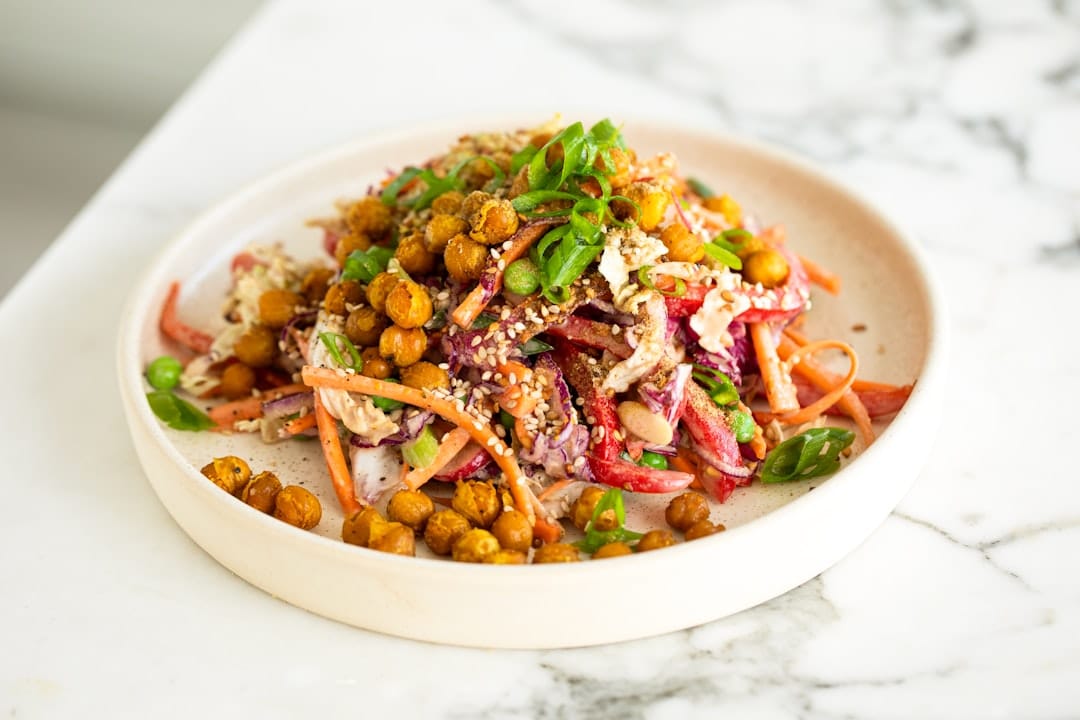
SaveUse this plan as a template rather than a fixed calorie prescription. Your needs depend on your size, age, sex, and activity, so adjust portions to create a moderate calorie deficit. Each day includes a protein source at every meal, plenty of vegetables, and whole grains.
| Day | Breakfast | Lunch | Dinner | Snack |
|---|---|---|---|---|
| Day 1 | Oatmeal with milk, ground flaxseed, and a banana | Brown rice bowl with grilled tofu, spinach, tomatoes, and onions | Chickpea curry with a small whole-wheat flatbread and a cucumber-carrot salad | Plain yogurt with berries |
| Day 2 | Whole-grain cereal with milk, strawberries, and a few almonds | Black bean, spinach, and cucumber salad with a yogurt dressing | Lentil soup with stir-fried vegetables | An apple and a small handful of walnuts |
| Day 3 | Muesli with milk, blueberries, and chia seeds | Broccoli, sweet corn, mushroom, and chickpea salad with olive oil dressing | Butternut squash soup with a slice of whole-grain bread and a boiled egg or cottage cheese | Carrot sticks with hummus |
| Day 4 | Smoothie of milk, strawberries, banana, and chia seeds | Quinoa and vegetable salad with plain yogurt | Kidney bean chili with a side salad | Plain popcorn |
| Day 5 | Whole-grain toast with mashed avocado and a glass of milk | Brown rice with pumpkin and chickpea curry | Smoked tofu and kale salad with toasted seeds | An orange and a few pistachios |
| Day 6 | Oatmeal with milk and sliced pear | Sautéed vegetables with lentils | Mushroom risotto with a green salad | Plain yogurt with a teaspoon of honey |
| Day 7 | Scrambled eggs or tofu scramble with spinach on whole-grain toast | Cottage cheese lettuce wraps with vegetables | Black bean, spinach, and corn salad with a small baked potato | Pistachios and a piece of fruit |
Tips for using the plan:
- Fill half your plate with vegetables, a quarter with a protein food, and a quarter with whole grains or starchy vegetables.
- Measure oils, nuts, seeds, and cheese, which are healthy but calorie-dense.
- Drink water, unsweetened tea, or coffee instead of juice and sweetened drinks.
- Swap meals between days freely, as long as each meal keeps a protein source.
Low-calorie options make that easier: a cup of green beans is about 44 calories.
Nutrients to Plan For
Vegetarian diets can meet nutrient needs, but the nutrients of concern include vitamin B12, vitamin D, omega-3 fats, calcium, iron, and zinc (9). Cutting calories makes this harder: in U.S. national survey data, vegetarians eating at least 500 calories below their estimated needs had lower intakes of fiber, several vitamins, magnesium, and iron than vegetarians who were not restricting energy (7).
- Vitamin B12. Adults need 2.4 mcg a day, and people who eat little or no animal food may not get enough from diet alone (11). Dairy and eggs help; vegans should use fortified foods or supplements (4).
- Iron. Vegetarians need almost twice as much iron as the standard recommendation because plant iron is less well absorbed. Eating vitamin C-rich foods such as citrus, strawberries, peppers, tomatoes, or broccoli with meals improves absorption (12).
- Protein and zinc. Include legumes, tofu, tempeh, eggs, dairy, nuts, and seeds daily (7, 9).
- Vitamin D and iodine. A study of long-term vegans found lower vitamin D, iodine, and selenium status than in non-vegetarians, highlighting the need for guidance (13).
Meal Prep Habits That Help
 Save
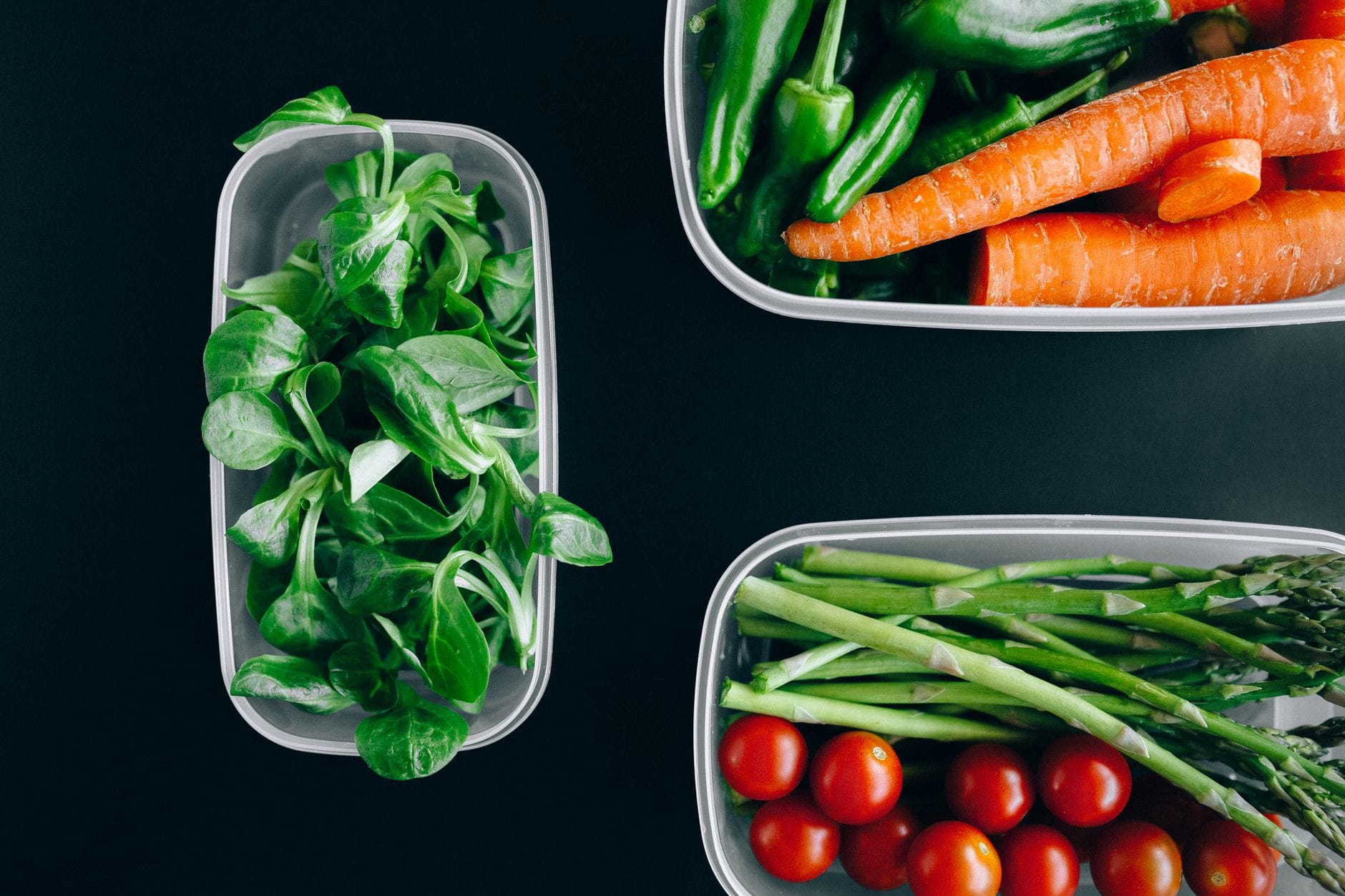
Save- Batch-cook lentils, beans, quinoa, and brown rice once or twice a week.
- Roast a tray of vegetables and store portions in the fridge.
- Pre-portion snacks such as hummus with cut vegetables, yogurt, or a small handful of nuts.
- Keep quick protein options on hand: canned beans, tofu, eggs, and cottage cheese.
What to Limit
Vegetarian does not automatically mean low-calorie. Fried foods, pastries, sweets, sugary drinks, and large portions of cheese or refined grains can easily stall weight loss. Vegetables and fruit help, but in one weight-loss program, people told to cut 500 calories a day lost more weight than those who focused only on eating more vegetables and fruit (10).
In a six-month trial in people with type 2 diabetes, a calorie-restricted vegetarian diet and a conventional diabetic diet reduced fat under the skin of the thigh similarly, while fat beneath the muscle layer fell only on the vegetarian diet (14). If you have diabetes or take medication, talk to your doctor or a registered dietitian before changing your diet, as a diabetes eating plan may need adjusting.
Frequently Asked Questions
Can a vegetarian diet help you lose weight?
Yes. In a meta-analysis of 12 randomized trials, people assigned to vegetarian diets lost about 2 kg more than those on non-vegetarian diets over a median of 18 weeks, with a larger effect for vegan diets. The difference is modest, and total calories still matter.
How much weight can I lose on a vegetarian diet in a week or a month?
It depends on your calorie deficit, not on the diet label. In trials, extra weight loss from vegetarian diets averaged a few kilograms over several months. Losing weight steadily, rather than aiming for a set amount in 7 or 10 days, is more realistic and easier to sustain.
Is a vegan diet better than a vegetarian diet for weight loss?
Vegan diets showed slightly larger weight loss in trials, but a well-planned lacto-ovo vegetarian diet also works. Vegans need a reliable source of vitamin B12, such as fortified foods or supplements.
How do vegetarians get enough protein when losing weight?
Include a protein food at every meal, such as lentils, beans, chickpeas, tofu, tempeh, eggs, milk, yogurt, or cottage cheese. A vegetarian high-protein weight-loss diet based on soy was as filling and effective as a meat-based one in a short trial.
Which nutrients do vegetarians need to watch?
Vitamin B12, iron, zinc, calcium, vitamin D, iodine, and omega-3 fats. Vegetarians need almost twice as much iron as meat eaters because iron from plants is absorbed less well, and eating vitamin C-rich foods with meals helps.
Do I need to count calories on a vegetarian diet?
Not necessarily, but portions matter. In one weight-loss program, people who focused on cutting 500 calories a day lost more weight than those who simply focused on eating more vegetables and fruit.
The Bottom Line
A vegetarian diet plan for weight loss can help you lose modestly more weight than a typical non-vegetarian diet, especially when it is built on vegetables, legumes, whole grains, and a protein source at every meal. Portions and total calories still matter, and you need to plan for vitamin B12, iron, zinc, calcium, vitamin D, and omega-3 fats. Use the 7-day menu as a flexible template, and talk to a registered dietitian if you have health conditions or special nutritional needs.
This article is for informational purposes only and is not a substitute for professional medical advice, diagnosis, or treatment. Always consult a qualified healthcare provider or registered dietitian before starting a new diet, especially if you have an existing health condition.
Related Articles
9 Reasons a Plant-Based Diet Might Be the Smartest Change You Make This Year
How to Set Up a Calorie Deficit Without Wrecking Your Energy (or Your Muscle)
Cabbage Soup Diet: 7-Day Plan, Recipe, and Real Results
Ayurvedic Diet: Doshas, Six Tastes and What Evidence Says
Fertility Diet: What the Research Actually Found
Chlorophyll Benefits: What Holds Up in People
White Egg vs Brown Egg: What Actually Differs
Shiitake Mushrooms: Benefits, and Never Raw
Soy Protein vs Whey Protein: What Trials Show
Vegan Diet: The Evidence and the Nutrient Gaps