
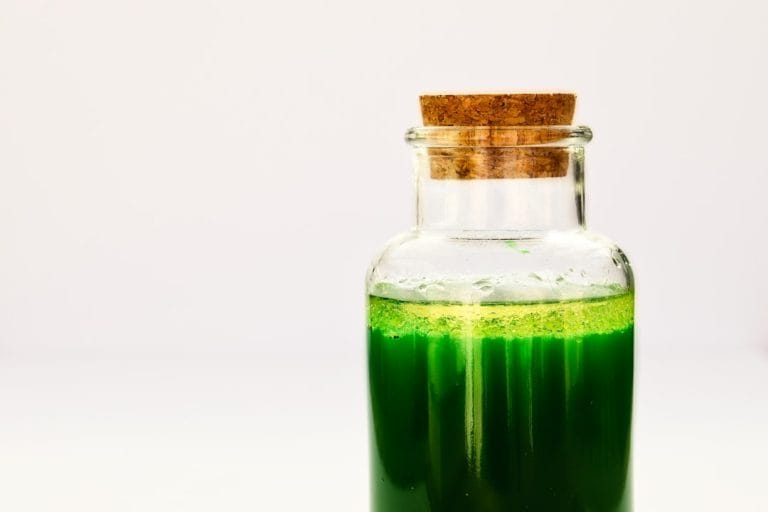
The green pigment that powers photosynthesis turns out to have a second job inside us.
Every green leaf you have ever eaten owes its color to one molecule. Chlorophyll sits inside plant cells absorbing sunlight, kicking off photosynthesis, and quietly keeping the entire plant kingdom running. That much most of us learned in school. What gets less attention is the research suggesting the same pigment does useful things once it lands in a human digestive tract.
Some of those claims hold up better than others. Chlorophyll has documented antioxidant activity and a genuinely odd structural resemblance to the hemoglobin in your blood. Others, like the weight loss angle, rest on a smaller pile of studies. Worth understanding either way, especially if you have wondered whether those bright green liquid chlorophyll bottles at the pharmacy earn their price.
- Key Takeaways
- The Hemoglobin Lookalike
- An Antioxidant With Some Muscle
- Digestion, Odor and the Gut Connection
- Does It Help With Weight Loss?
- Cancer Protection and Detoxification
- Foods That Actually Deliver Chlorophyll
- The Side Effects Nobody Puts on the Label
- Frequently Asked Questions
- The Bottom Line
- Related Articles
- References
Key Takeaways
– Chlorophyll is a magnesium-rich pigment found in plants and some algae, with four main classes (a, b, c and d) depending on the organism.
– Its structure closely mirrors hemoglobin, which is why it has been studied for anemia and iron absorption.
– Research links it to antioxidant activity, better digestion, reduced body and breath odor, and some protection against carcinogens.
– Spinach, parsley and green beans are easy dietary sources; supplements often contain chlorophyllin, the water-soluble copper-carrying form.
– Side effects can include green urine, diarrhea and vomiting, and it is not considered suitable during pregnancy or breastfeeding.
The Hemoglobin Lookalike
Here is the detail that makes chlorophyll interesting rather than just leafy. Its molecule is built around a ring structure almost identical to the ‘heme’ ring at the heart of hemoglobin. The only meaningful difference sits in the center: hemoglobin holds an iron atom, chlorophyll holds magnesium.
That similarity is not just a chemistry-class curiosity. When chlorophyll or its water-soluble cousin chlorophyllin has been given to people with severe anemia alongside their routine medication, hemoglobin levels and red blood cell counts improved, and so did immunity. Research also points to better iron absorption and a faster rate of hemoglobin regeneration, credited to the magnesium and copper atoms involved.
Chlorophyll is also said to improve oxygen transport around the body and brain, which is why chlorophyllin comes up in discussions of altitude sickness and congestion, along with the usual advice on getting more oxygen into your blood.
An Antioxidant With Some Muscle
Chlorophyll fights oxidative stress in much the same league as vitamin C, vitamin E and polyphenols. Copper-containing chlorophyllin is the stronger performer of the two.
In its active form it scavenges free radicals from the bloodstream, which matters for skin, where oxidative damage shows up as fine lines, wrinkles, breakouts and pigmentation. Chlorophyll can be used topically or taken by mouth for that reason, and its anti-inflammatory side means it may also help shield internal organs from oxidative stress and damage. It sits comfortably alongside other pigment-rich foods, the same logic that makes black rice worth a spot in your pantry.
Digestion, Odor and the Gut Connection
Chlorophyll changes the composition of your gut microbiota, encouraging helpful microbes to multiply. Species like Lactobacillus reuteri and Bifidobacteria act on undigested food in the gut and help you actually absorb the nutrients in it. The practical result is less flatulence, less indigestion and less constipation. Leafy greens or a supplement can both do this, which is part of why high fiber foods and chlorophyll-heavy vegetables overlap so much on lists like this.
The odor piece follows from the same prebiotic and antimicrobial activity. Fecal and urine odor can soften with regular chlorophyll intake. For halitosis specifically, a 25% chlorophyll solution or supplements can kill oral pathogens including Enterococcus and Candida, partly because the molecule permeates dental membranes effectively. Body odor and vaginal odor come up in the same context, though those have more varied causes and chlorophyll only addresses part of the picture.
Does It Help With Weight Loss?
Chlorophyll-containing plant structures called thylakoids appear to suppress hedonic hunger, the specific pull toward greasy, sugary or salty food that has nothing to do with actual hunger, by stimulating the production of appetite-suppressing molecules.
Chlorophyll also interferes with glucose absorption and fat assimilation and reduces serum triglyceride levels, a combination linked to weight loss in women with obesity. Paired with a 30-minute exercise routine, it also lowers LDL cholesterol. So it is a helper, not an engine, belonging in the same category as the homemade drinks that quietly make losing weight easier: useful support around a diet that already works.
Cancer Protection and Detoxification
Diets heavy in red meat deliver a lot of dietary heme, which promotes cytotoxicity and cancers, especially in the colon and stomach. Green vegetables and chlorophyll supplements interfere with how that heme is metabolized, offering some protection against tumors.
Its antioxidant capacity also breaks down carcinogens present in the body, including free radicals, heavy metals and phytotoxins. And chlorophyllin prevents pro-carcinogens from being activated into carcinogens in the first place.
Foods That Actually Deliver Chlorophyll
 Save
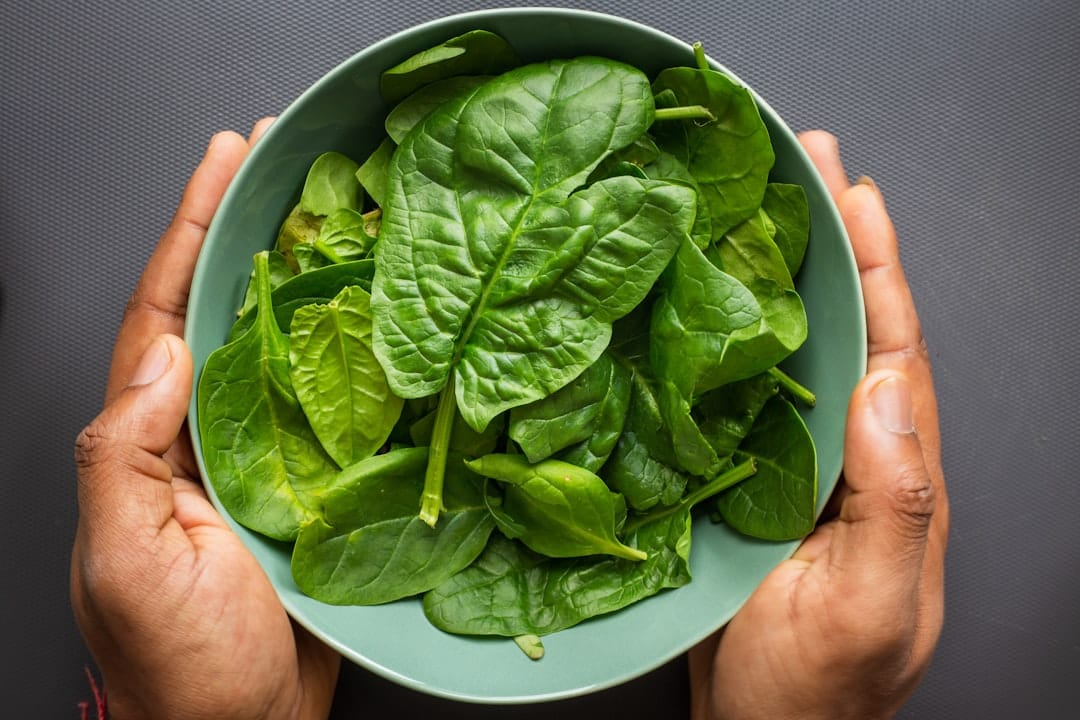
SaveYou do not need a supplement to get chlorophyll. Spinach, parsley and green beans are the easy starting points, along with other dark leafy greens. Parsley punches above its weight for something most people treat as a garnish, and green beans deserve better than their holiday side-dish reputation.
Chlorophyll and chlorophyllin also show up in packaged food as coloring agents, registered as E140 and E141, because they turn oil or water a rich green.
A Note on the Different Types
Chlorophyll is a family rather than a single molecule. Chlorophyll a appears in every photosynthesizing organism, from land plants to algae and cyanobacteria, while b, c and d act as companions to it in green algae, higher plants, brown algae, diatoms and some red algae. Rarer variants exist and are still being studied.
The Side Effects Nobody Puts on the Label
 Save
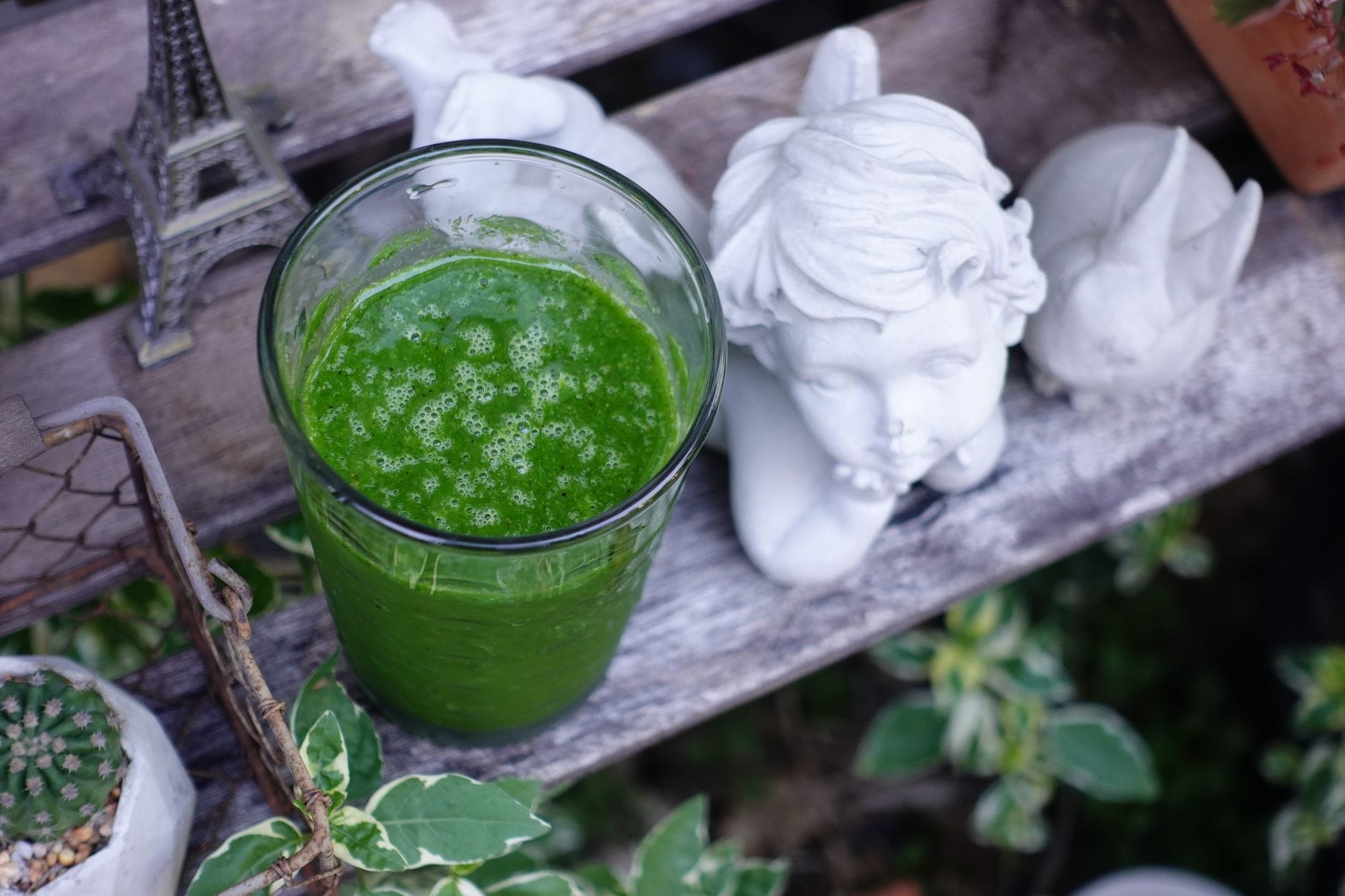
SaveChlorophyll is generally well tolerated in moderation, but it is not free of consequences. Reported effects include diarrhea, vomiting and green-tinted urine. That last one is harmless and alarming in equal measure the first time it happens.
Anyone can opt for a chlorophyll-rich diet except people on medication for acne and allergies, and it is not considered suitable during pregnancy or breastfeeding. For most other healthy adults, daily use in moderate amounts is fine.
Frequently Asked Questions
Is liquid chlorophyll better than eating greens?
Supplements typically contain chlorophyllin, the copper-carrying water-soluble form, which is the more potent antioxidant of the two. That said, greens deliver fiber, vitamins and minerals alongside it. Food first is the sensible default.
Why is my urine green after taking chlorophyll?
Green-tinted urine is one of the more common and least worrying reported side effects of chlorophyll intake.
Can chlorophyll really replace hemoglobin?
Not replace, but support. The structures are close enough that chlorophyll appears to help the body regenerate hemoglobin faster and absorb iron more efficiently, which is why it has been studied as an add-on for anemia rather than a substitute for treatment.
The Bottom Line
Chlorophyll earns its reputation on a few fronts: it is a legitimate antioxidant, it nudges gut bacteria in a helpful direction, it cuts down on odor, and it has research behind its role in anemia and carcinogen blocking. The weight loss evidence is thinner and less settled.
The easiest way to get it is also the least glamorous. Eat more dark green vegetables. If you want a supplement, chlorophyllin is the more potent form, but check with a doctor first if you are pregnant, nursing or on acne or allergy medication.
This article is for informational purposes only and is not a substitute for professional medical advice, diagnosis, or treatment. Talk to a qualified healthcare provider before starting any supplement or making significant changes to your diet.
Related Articles
Why a Handful of Parsley Might Be the Healthiest Thing on Your Plate
Why Green Beans Are So Much More Than a Holiday Side Dish
The High Fiber Foods Worth Putting on Your Plate Every Day
How to Get More Oxygen Into Your Blood (Without Spending a Fortune)
7 Homemade Drinks That Quietly Make Losing Weight Easier
Why Black Rice Was Once Reserved for Chinese Royalty
References
No source reference URLs were provided in the article digest, so none are listed here.