

A closer look at the herb many women reach for during menopause, and what the research really says.
For generations, women have turned to plants to smooth out the rough edges of hormonal change. Black cohosh sits near the top of that list. It’s a flowering perennial from the buttercup family, native to the woodlands of eastern North America, and it goes by a handful of folk names: bugbane, rattleweed, and black snakeroot among them. Native American communities used its roots and flowers for centuries to steady the menstrual cycle and ease the transition through menopause and childbirth.
Today you’ll find it in women’s health supplements marketed for hot flashes and cycle regulation. But how much of its reputation holds up under scientific scrutiny? Some of it does. Some of it is still catching up. Here’s an honest read on where the evidence stands, along with the risks that deserve your attention before you try it.
Key Takeaways
– Black cohosh (Actaea racemosa or Cimicifuga racemosa) is a perennial herb used mainly to ease menopause symptoms like hot flashes and night sweats.
– It acts as a phytoestrogen, behaving somewhat like the hormone estrogen in the body.
– Early research points to possible benefits for fertility, uterine fibroids, sleep, and mood, though most of these need more study.
– Typical doses range from about 20 to 120 mg daily.
– Long-term use carries real risks, including liver damage and anemia, so a doctor’s input matters.
What Black Cohosh Actually Is
 Save
SaveBotanically, black cohosh is Actaea racemosa, sometimes still labeled Cimicifuga racemosa. It’s a woodland perennial whose root has been the prized part for medicinal use. The plant’s main modern job is helping with menopause, that stretch in the 40s and 50s when reproductive hormones taper off and the monthly cycle ends.
That transition isn’t gentle for most women. Hot flashes, drenching sweats, headaches, anxiety, mood swings, and vaginal dryness can linger for three to four years. Black cohosh is classed as a phytoestrogen, which means it appears to mimic some of estrogen’s activity, and it seems to have pain-relieving properties on top of that. Those two traits are the reason it keeps showing up in supplement aisles aimed at women.
The Benefit With the Strongest Backing: Menopause Relief
If black cohosh does one thing well, it’s dampening menopausal symptoms. This is the use with the most solid research behind it.
In one trial, menopausal women taking 20 mg daily for eight weeks saw a meaningful drop in hot flashes. A broader review found roughly a 26% reduction in hot flashes and night sweats when black cohosh was combined with other ingredients like St. John’s wort, red clover, ginseng, soy extract, vitamin D, and primrose oil. Real-world accounts echo the studies. One woman who’d been using it for hot flashes for about four months reported she rarely got them anymore, and when they did surface, they were far milder than before.
Part of the relief may come from pain modulation. Black cohosh appears to bind to the body’s opioid receptors, which could explain why some women notice less body ache and muscle soreness during this phase. If you’re already exploring gentle approaches, black cohosh sits alongside other home remedies for hot flashes and natural muscle relief that women lean on during these years.
Where the Evidence Gets Thinner
Beyond menopause, black cohosh has a scattering of promising but unfinished research. Treat what follows as leads, not conclusions.
Fertility
For women with PCOS, black cohosh may boost the effectiveness of the fertility drug Clomid (clomiphene citrate). A few human studies noted better ovulation and higher conception rates when the herb was paired with Clomid. It’s early, and confirmation is still needed, but it’s an intriguing signal for anyone navigating a fertility-focused eating and lifestyle plan.
Uterine fibroids
Fibroids are noncancerous growths of uterine muscle. In a three-month study, postmenopausal women who took 40 mg of black cohosh daily saw the size of their fibroids shrink by about 30%. That’s a single small study, so hold the enthusiasm loosely.
Cancer risk
This one is genuinely curious. Despite acting like estrogen, which can theoretically raise breast cancer risk, some research suggests black cohosh may actually lower breast cancer risk, and a handful of test-tube studies hint it could slow the spread of cancerous cells. The picture is far from settled and warrants a lot more work.
Mood and sleep
A review of herbal supplementation in menopausal women found notable improvement in psychological symptoms with black cohosh. Sleep may benefit too. One study reported better sleep duration and quality, and another found that black cohosh combined with ginger, zinc, hyaluronic acid, and chaste berry helped with hot-flash-linked anxiety and insomnia. The catch with these combination studies is obvious: it’s hard to know how much credit belongs to black cohosh alone.
Weight
As estrogen naturally declines near menopause, weight tends to creep up. Because black cohosh has estrogen-like effects, it may offer a modest hand in managing weight, though human evidence is thin. Pairing it with estrogen-supporting foods and balanced meals is a more reliable strategy than leaning on the herb by itself.
A Word on Safety and Dosage
 Save
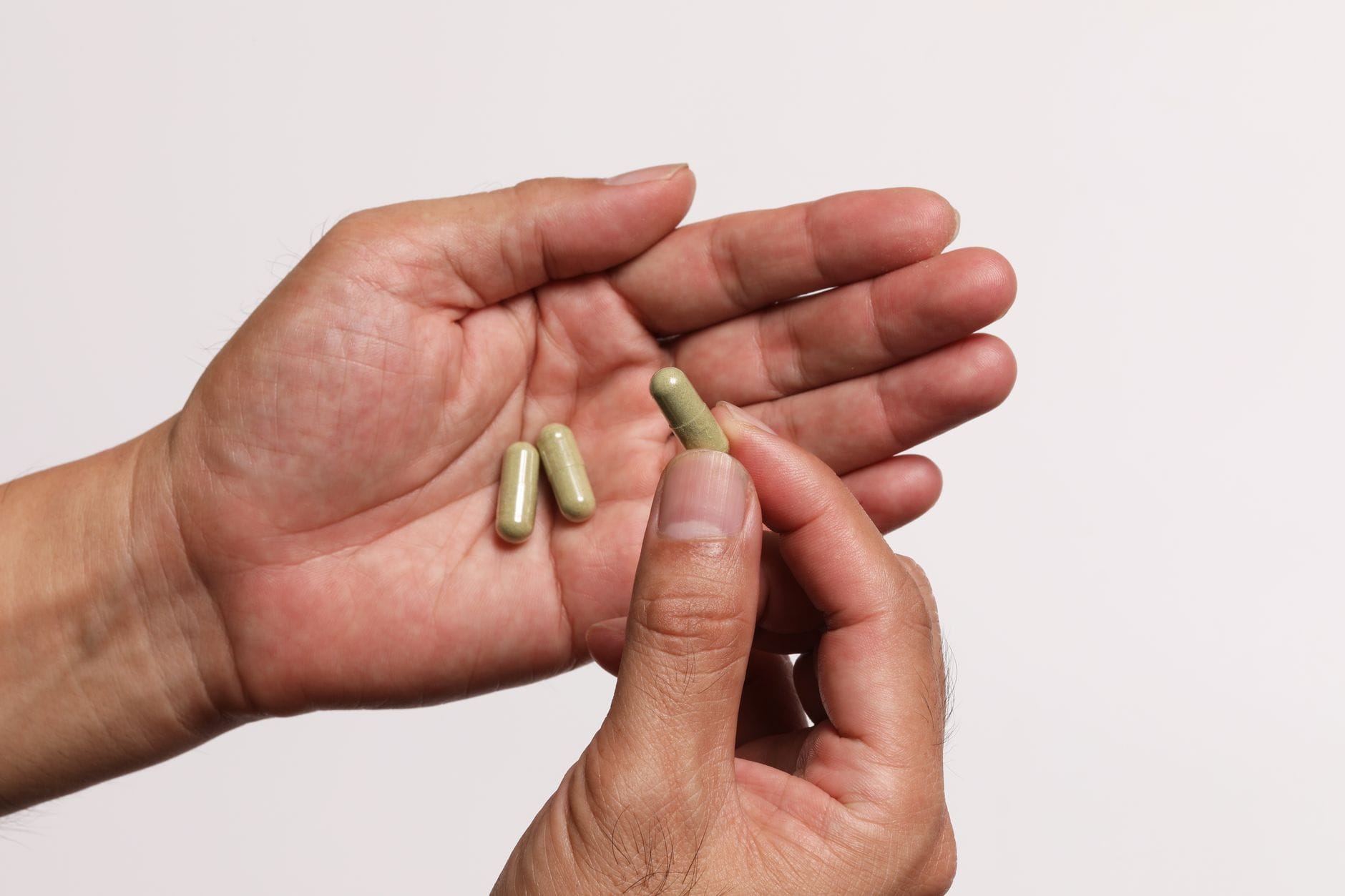
SaveMost studies use somewhere between 20 and 120 mg daily. Black cohosh is meant for adults, and it isn’t something to take casually over long stretches without oversight.
The side effects are worth taking seriously. Reported issues include nausea, digestive upset, skin rashes, breast enlargement, and hormonal shifts. More concerning are documented cases of liver damage and anemia, a condition where the blood lacks enough red blood cells to carry oxygen properly, leaving you fatigued. Because it influences hormones, anyone with a history of hormone-sensitive conditions, liver problems, or who is pregnant should be especially cautious. A conversation with your doctor before starting, and periodic check-ins if you keep using it, is the sensible move. Broader habits like a nutrient-dense diet that supports healthy blood and iron levels can also help offset some risks.
Frequently Asked Questions
How long does black cohosh take to work?
In studies on hot flashes, women often noticed improvement within about eight weeks of daily use. Individual timing varies, and consistency matters more than dose-chasing.
Can I take black cohosh with other supplements?
Many trials combined it with ingredients like soy, red clover, or chaste berry. That said, stacking supplements can complicate side effects and interactions, so run your specific combination past a healthcare provider first.
Is black cohosh safe for the liver?
There have been reports of liver damage tied to black cohosh use. It’s not common, but it’s serious enough that anyone with liver concerns should avoid it or use it only under medical supervision.
The Bottom Line
Black cohosh has earned its place as a go-to herb for menopause, and the research on hot flashes and night sweats is reasonably convincing. Its other reputed perks, from fertility support to fibroid shrinkage to better sleep, are still in the early-evidence stage and shouldn’t be treated as proven. The herb genuinely affects your hormones, and it carries real risks to the liver and blood, so this is not a supplement to self-prescribe indefinitely. Used thoughtfully, with a doctor in the loop, it can be a helpful tool during a demanding chapter of life.
This article is for informational purposes only and is not a substitute for professional medical advice. Always consult a qualified healthcare provider before starting any supplement, especially if you are pregnant, nursing, or managing a health condition.
Related Articles
Natural Muscle Relaxers for Fast Pain Relief
Fertility Diet: Foods, Meal Ideas & What to Skip
Balanced Diet Guide With the 5 Food Groups
High Fiber Foods List and Daily Fiber Needs