
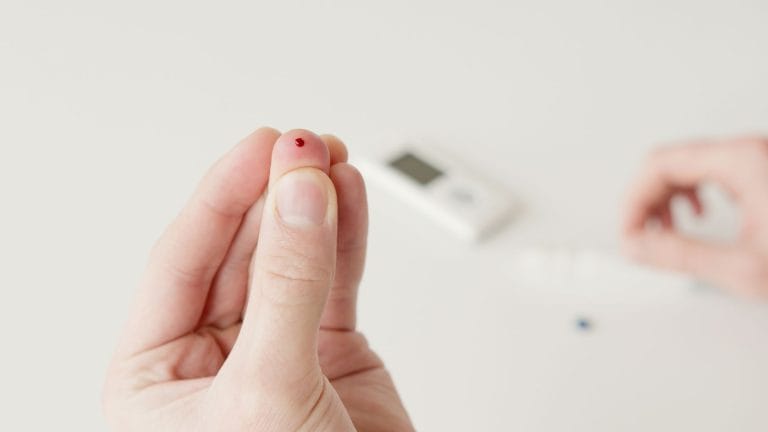
Eight evidence-based ways to lower blood sugar naturally, with the numbers behind each one: weight loss, exercise, walking after meals, fiber, carbs, sleep and water. Includes normal blood sugar ranges and emergency warning signs.
The most effective ways to lower blood sugar naturally are losing excess weight, being physically active and changing what you eat. In a landmark US trial, a lifestyle programme with these goals reduced new cases of type 2 diabetes by 58% in people at high risk (2).
This guide ranks the habits by the strength of the evidence and shows how much each one can move your numbers. It focuses on daily habits. For meal-by-meal food advice, see our diabetes diet guide.
Key Takeaways
- Fasting glucose of 100-125 mg/dL indicates prediabetes, and 126 mg/dL or above indicates diabetes (1).
- A lifestyle programme aiming for 7% weight loss and 150 minutes of activity a week cut diabetes risk by 58% (2).
- Structured exercise lowered HbA1c by about 0.7 percentage points in people with type 2 diabetes (4).
- Ten minutes of walking after each meal worked better than one longer daily walk for after-meal glucose (5).
- Vomiting, fruity breath, trouble breathing or confusion in someone with diabetes needs emergency care (11).
What Counts as High Blood Sugar
Doctors diagnose prediabetes and diabetes using these ranges from the US National Institute of Diabetes and Digestive and Kidney Diseases (1):
| Result | A1C | Fasting plasma glucose | 2-hour oral glucose tolerance test |
|---|---|---|---|
| Normal | Below 5.7% | 99 mg/dL or below | 139 mg/dL or below |
| Prediabetes | 5.7% to 6.4% | 100 to 125 mg/dL | 140 to 199 mg/dL |
| Diabetes | 6.5% or above | 126 mg/dL or above | 200 mg/dL or above |
A single high reading does not mean you have diabetes. Diagnosis is based on tests done by a healthcare provider, usually repeated to confirm.
8 Habits That Lower Blood Sugar, Ranked by Evidence
| Habit | What the research found | Type of evidence |
|---|---|---|
| Lose weight if you have excess weight | Lifestyle change aiming for 7% weight loss cut new diabetes cases by 58% (2). Losing 15 kg or more led to remission in 86% of people with type 2 diabetes in one trial (3) | Randomised trials |
| Exercise regularly | Structured exercise lowered HbA1c by 0.67 percentage points; more than 150 minutes a week lowered it by 0.89 (4) | Meta-analysis of 47 trials |
| Walk after meals | 10 minutes after each meal lowered after-meal glucose more than one 30-minute daily walk, especially after dinner (5) | Crossover trial, 41 adults |
| Break up long sitting | Light walking breaks reduced after-meal glucose and insulin more than standing breaks (6) | Meta-analysis of short trials |
| Eat more fiber | Higher fiber intake lowered HbA1c and fasting glucose in people with diabetes or prediabetes (7) | Meta-analysis of 42 trials |
| Reduce carbohydrates | Low-carb diets raised 6-month remission rates, but the benefit faded by 12 months (8) | Meta-analysis of 23 trials |
| Sleep well | Short, long and poor-quality sleep were linked with higher HbA1c (9) | Observational |
| Drink water instead of sugary drinks | People drinking under 0.5 L of water a day were more likely to develop high blood sugar (10) | Observational |
1. Lose Weight if You Carry Excess Weight
The Diabetes Prevention Program randomised 3,234 adults with high blood sugar who did not yet have diabetes. The lifestyle group aimed for at least 7% weight loss and 150 minutes of activity a week. Over about 3 years, it reduced new diabetes by 58%, compared with 31% for the drug metformin (2).
Weight loss can also reverse type 2 diabetes in some people. In the DiRECT trial, 46% of participants in a weight management programme were in remission at 12 months, compared with 4% of the control group. Remission was achieved by 86% of those who lost 15 kg or more (3). That programme used a low-calorie formula diet under medical supervision, so do not attempt it on your own if you take diabetes medication.
2. Exercise at Least 150 Minutes a Week
 Save
SaveA meta-analysis of 47 trials in type 2 diabetes found that aerobic exercise, resistance training and a combination of both all lowered HbA1c. Programmes of more than 150 minutes a week were linked with larger reductions than shorter ones: 0.89 versus 0.36 percentage points (4).
Brisk walking, cycling, swimming and strength training all count. If you prefer weights, a simple dumbbell routine can be done at home.
3. Take a Short Walk After Meals
Timing matters. In a crossover trial of 41 adults with type 2 diabetes, walking for 10 minutes after each main meal lowered after-meal blood sugar by 12% compared with one 30-minute walk a day. After the evening meal, the reduction was 22% (5).
4. Break Up Long Periods of Sitting
A meta-analysis of short trials found that interrupting prolonged sitting lowered blood sugar after meals. Light walking breaks worked better than standing breaks, reducing both glucose and insulin (6). If you work at a desk, get up and walk for a few minutes regularly.
5. Eat More Fiber
 Save
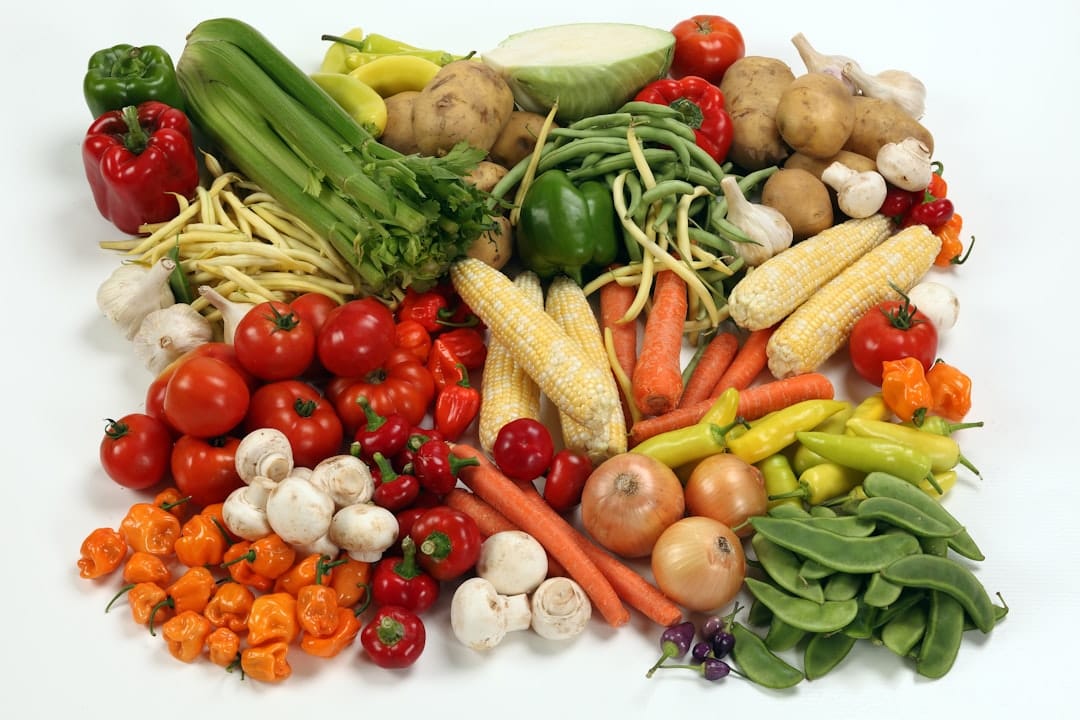
SaveA 2020 review in PLoS Medicine pooled 42 trials in adults with prediabetes, type 1 or type 2 diabetes. Eating more fiber lowered HbA1c, fasting glucose, insulin resistance, cholesterol and body weight (7). In the cohort data, people eating 35 g of fiber a day had lower mortality than those eating the average of 19 g (7).
Beans, lentils, oats, whole grains, vegetables and fruit are the easiest sources. Our list of high-fiber foods can help, and choosing low-glycemic carbohydrates works in the same direction.
6. Cut Back on Carbohydrates
A BMJ meta-analysis of 23 trials found that low-carbohydrate diets led to higher remission rates of type 2 diabetes at 6 months (57% versus 31%, using HbA1c below 6.5%). The effect was smaller when remission required being off medication, and by 12 months most benefits had diminished (8). A lower-carb approach can help, but it needs to be sustainable. An insulin resistance diet offers a practical framework.
7. Protect Your Sleep
A meta-analysis of people with type 2 diabetes found that both short and long sleep were associated with higher HbA1c than normal sleep. Poor sleep quality was linked with HbA1c about 0.35 percentage points higher (9). These studies show an association, so the authors called for more research on cause and effect.
8. Drink Water Instead of Sugary Drinks
In a French cohort of 3,615 adults followed for 9 years, those who drank 0.5-1 litre of water a day were less likely to develop high blood sugar than those who drank under 0.5 litres (10). This is observational, so water is not a treatment, but replacing sweetened drinks with water is a sensible swap.
When High Blood Sugar Is an Emergency
People with diabetes, especially type 1, can develop diabetic ketoacidosis (DKA), a medical emergency. Symptoms can include frequent urination or thirst lasting a day or more, deep rapid breathing, fruity-smelling breath, nausea and vomiting, stomach pain and decreased alertness (11).
Go to the emergency room or call your local emergency number if someone with diabetes has decreased consciousness, fruity breath, nausea and vomiting, or trouble breathing (11).
If you take insulin or other glucose-lowering medication, check with your doctor before making big changes to diet or exercise, because your dose may need adjusting.
Frequently Asked Questions
What is a normal blood sugar level?
For a fasting plasma glucose test, 99 mg/dL or below is normal, 100 to 125 mg/dL indicates prediabetes, and 126 mg/dL or above indicates diabetes. For A1C, below 5.7% is normal and 6.5% or above indicates diabetes.
How fast can you lower blood sugar naturally?
A single walk after a meal can lower that meal’s glucose rise. Longer-term markers take more time: A1C reflects the past few months, and exercise trials that lowered it lasted at least 12 weeks.
Is walking after eating good for blood sugar?
Yes. In a trial of 41 adults with type 2 diabetes, walking 10 minutes after each main meal lowered after-meal glucose more than walking 30 minutes once a day. The effect was largest after the evening meal.
Can type 2 diabetes go into remission?
Sometimes. In the DiRECT trial, 46% of participants in a weight management programme were in remission after 12 months, and remission became more likely the more weight people lost. That programme used a medically supervised low-calorie formula diet.
Does drinking water lower blood sugar?
Water will not treat high blood sugar, but it is the best drink swap for sugary beverages. In one French cohort, people who drank less than 0.5 litres of water a day were more likely to develop high blood sugar over 9 years. This does not prove cause and effect.
The Bottom Line
The habits with the strongest evidence for lowering blood sugar are losing excess weight and exercising regularly, ideally more than 150 minutes a week. Short walks after meals, fewer long sitting sessions, more fiber and fewer refined carbohydrates add further benefit. Good sleep and choosing water over sugary drinks support the same goal. Work with your healthcare team, especially if you take medication.
This article is for informational purposes only and is not a substitute for professional medical advice. Talk with a doctor before changing your diet, exercise or treatment, especially if you have diabetes or take blood sugar medication.
Related Articles
Diabetes Diet: Plate Method, Carbs and the Evidence
Insulin Resistance Diet: What the Evidence Backs
Low-Glycemic Diet: GI Food List, Benefits and Limits
High Fiber Foods List and How Much Fiber You Need
Swimming for Weight Loss: What Trials Found