
A low-glycemic diet explained with real numbers: what the glycemic index measures, GI values for common foods, what changes them, and what research shows for blood sugar and weight.
A low-glycemic diet favours carbohydrate foods that raise blood sugar slowly. The glycemic index (GI) ranks foods on a scale where pure glucose scores 100. Foods at 55 or below are classed as low GI, and foods at 70 or above as high GI (1).
The idea is well supported for blood sugar control, less so for weight, and it has a blind spot that most articles skip. A low GI score does not make a food healthy, and the GI of a food can change a lot depending on how it is processed and cooked. This guide gives you the actual numbers.
Key Takeaways
- Low GI means 55 or less on the glucose scale; high GI means 70 or more (1).
- In people with diabetes, low-GI diets lowered HbA1c by about 0.3 percentage points, with high certainty evidence (4).
- Effects on weight are small, and larger only when dietary GI drops by 20 points or more (7).
- Processing matters: rolled oat porridge scores 55, instant oat porridge 79 (1).
- Low GI is not the same as healthy, and experts say it should be judged within an otherwise healthy diet (3).
What the Glycemic Index Measures
 Save
SaveGI describes how quickly the carbohydrate in a food raises blood glucose compared with pure glucose. An international expert consensus concluded that GI is a valid and reproducible way to classify carbohydrate foods for this purpose (3).
GI has an important limitation: it says nothing about how much carbohydrate a normal serving contains. That is what glycemic load (GL) adds. It is calculated as the available carbohydrate in a serving multiplied by the food’s GI, then divided by 100 (1).
GI Values for Common Foods
These values come from the International Tables of Glycemic Index, which compile tested values from published studies (1):
| Food | GI | Band |
|---|---|---|
| Soya beans | 16 | Low |
| Kidney beans | 24 | Low |
| Barley | 28 | Low |
| Chickpeas | 28 | Low |
| Lentils | 32 | Low |
| Apple, raw | 36 | Low |
| Skim milk | 37 | Low |
| Carrots, boiled | 39 | Low |
| Orange, raw | 43 | Low |
| Spaghetti, white | 49 | Low |
| Banana, raw | 51 | Low |
| Sweet corn | 52 | Low |
| Porridge, rolled oats | 55 | Low |
| Sweet potato, boiled | 63 | Medium |
| Brown rice, boiled | 68 | Medium |
| White rice, boiled | 73 | High |
| Whole wheat bread | 74 | High |
| White wheat bread | 75 | High |
| Watermelon, raw | 76 | High |
| Potato, boiled | 78 | High |
| Instant oat porridge | 79 | High |
| Cornflakes | 81 | High |
A newer 2021 edition lists more than 4,000 foods. It confirms that dairy, legumes, pasta and fruit are usually low GI, while breads, breakfast cereals and rice come in high, medium and low versions depending on how they are made (2).
Five Numbers That Surprise People
| You might expect | The tables show | What it means |
|---|---|---|
| Whole wheat bread to be far lower than white bread | Whole wheat bread 74, white bread 75 | Grinding grain into fine flour matters more than the colour of the loaf |
| Brown rice to be low GI | Brown rice 68 (medium), white rice 73 (high) | Brown rice is better, but not a low-GI food |
| All oats to behave the same | Rolled oat porridge 55, instant oat porridge 79 | Processing can push the same grain from low to high |
| Watermelon to be a blood sugar problem | Watermelon 76 | GI is high, but a normal serving contains little carbohydrate, which is where glycemic load helps |
| Chocolate to be high GI | Chocolate 40 | A low GI does not make a food healthy |
What Pushes a Food’s GI Up or Down
- Processing. The same grain can land in very different bands. Rolled oats and instant oats are the clearest example in the tables (1).
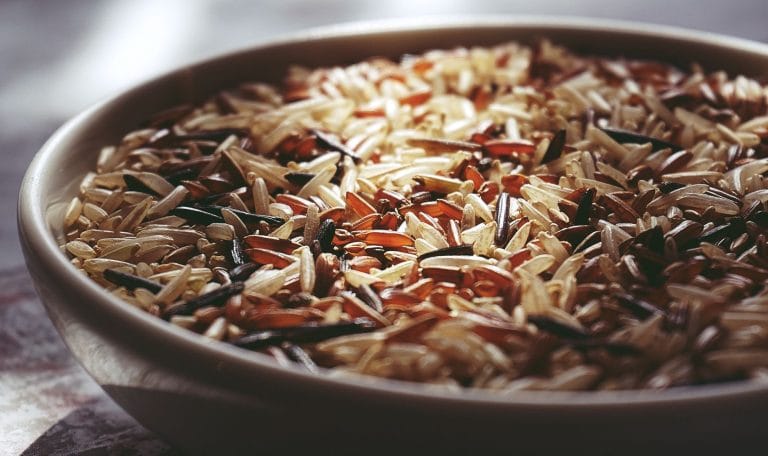
- Grain variety and starch type. A systematic review of rice found GI values from 48 to 93, driven mainly by starch characteristics, parboiling, and cooking, storage and reheating (10). The review was written by Unilever researchers.
- Milling. Cooked for the same time, brown rice gave a lower glucose response than white rice. With the longer cooking brown rice usually needs, the difference became smaller and less consistent (10).
- Portion and carbohydrate amount. In type 2 diabetes, trials found that eating less carbohydrate in a meal or more soluble fiber both lowered after-meal glucose spikes — and the same swings are often blamed for mood dips, which we examine in sugar and mood (11).
- Meal order. A narrative review suggests starting a meal with vegetables and protein and eating carbohydrates later can reduce the glucose response. That is a proposal built on smaller studies, not a settled finding (12).
What the Research Shows
| Question | What the evidence shows | How sure we are |
|---|---|---|
| Does it improve blood sugar in diabetes? | A BMJ meta-analysis of 29 trial comparisons in 1,617 people with type 1 or 2 diabetes found HbA1c fell by 0.31 percentage points versus higher-GI diets, with smaller improvements in LDL cholesterol, body weight, blood pressure and CRP (4). An earlier analysis of 54 trials reached similar conclusions (5) | High certainty for HbA1c, moderate for most other outcomes |
| Does it help with weight? | Across 101 studies with 8,527 participants, low-GI diets produced small improvements in weight, BMI and cholesterol, and larger effects when the diet lowered GI by 20 points or more (7) | Small effect; depends on sticking to it |
| Is a high-GI diet linked to disease? | Pooled data from large cohorts of over 100,000 people linked high-GI diets with 27% higher type 2 diabetes risk, 15% higher cardiovascular risk and 8% higher all-cause mortality (8) | Observational; an umbrella review rated this kind of evidence very low to low certainty |
| Is GI a valid way to classify foods? | An international expert consensus judged GI valid and reproducible, and said low-GI diets should always be judged within an otherwise healthy diet (3) | Expert consensus |
One detail about that cohort analysis: its authors found that the benefit of a low-GI diet looked similar to the benefit of eating more fiber and whole grains (8). In practice, the two advice lines point to the same foods.
In people with type 2 diabetes specifically, a separate meta-analysis of randomized trials also found lower HbA1c and fasting glucose on low-GI diets (6). If you are managing diabetes, our diabetes diet guide covers the plate method and carbohydrate counting.
Building Meals Around Low-GI Foods
 Save
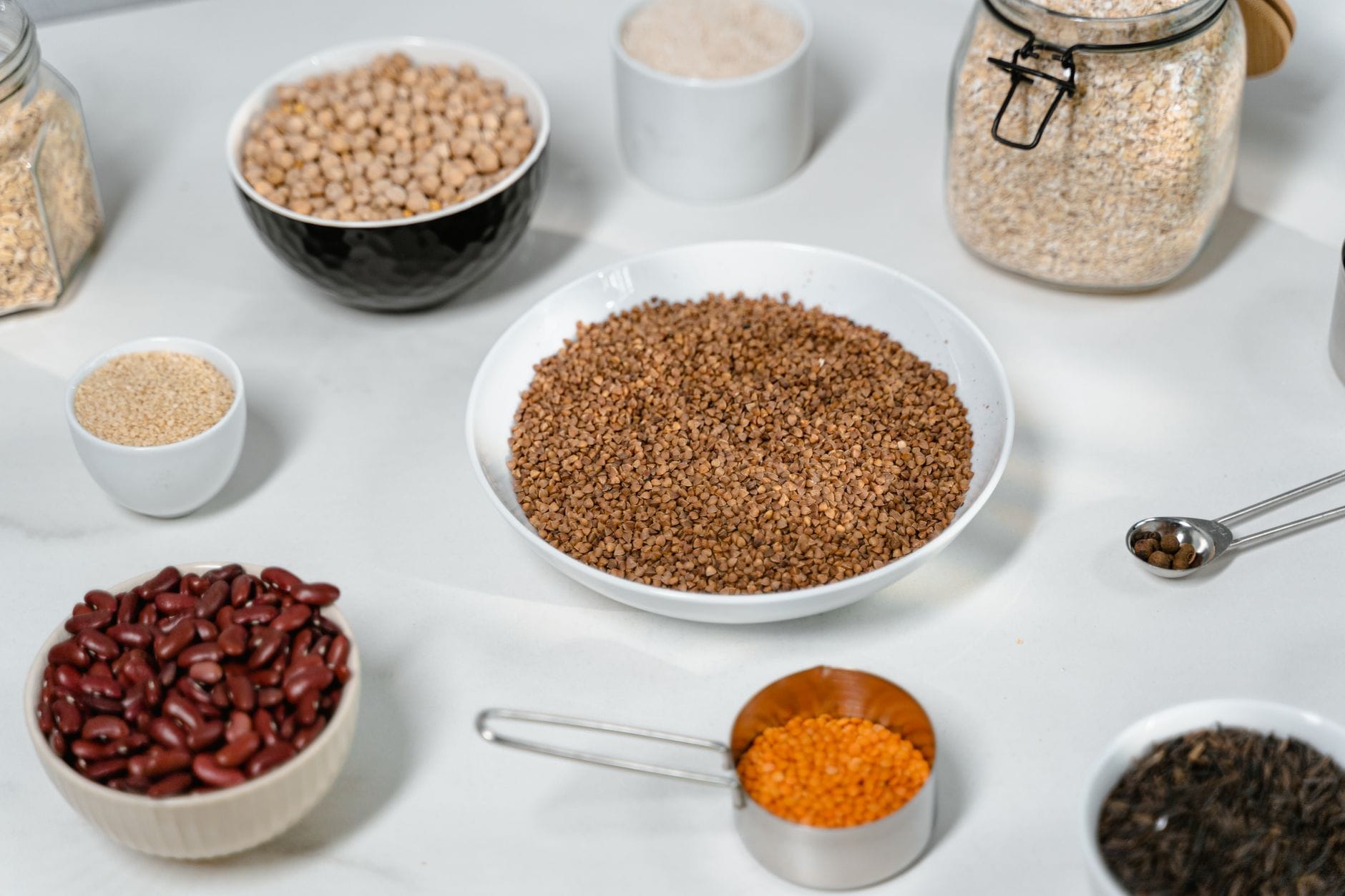
Save- Legumes: lentils, chickpeas, kidney beans and soya beans are among the lowest-GI foods in the tables (1)
- Grains: barley, rolled oats and pasta cooked al dente rather than instant cereals and white bread
- Fruit: apples and oranges, eaten whole rather than as juice
- Dairy: milk and plain yogurt
- Vegetables: most non-starchy vegetables contain little carbohydrate, so their effect on blood sugar is small
Fiber-rich foods overlap heavily with low-GI ones, so our list of high-fiber foods is a useful companion. Some older grains are worth a look too, such as sorghum.
The Limits of Eating by GI
- GI ignores portion size. Watermelon scores 76, but a normal serving holds little carbohydrate; that is why glycemic load exists (1).
- Low GI is not a health label. Chocolate scores around 40 in the tables (1). Experts say GI should complement other measures such as fiber and whole-grain content (3).
- Values vary by product. Cereals, including whole-grain versions, show wide variation because manufacturing methods differ (2).
- The strongest evidence is in diabetes. The long-term disease links come from observational cohorts, which an umbrella review rated very low to low certainty (9).
Who Benefits Most
The consensus panel considered low-GI and low-GL diets particularly important for people with insulin resistance (3), a state in which the body’s cells respond poorly to insulin and blood glucose stays higher (13). Our insulin resistance diet guide goes further, and these everyday habits cover the non-food side. For everyone else, low-GI choices fit comfortably inside a balanced diet.
If you take insulin or glucose-lowering medication, talk to your doctor before changing how much or what type of carbohydrate you eat.
Frequently Asked Questions
What counts as a low-glycemic food?
On the glucose scale, where pure glucose scores 100, foods with a glycemic index of 55 or less are classed as low GI and foods of 70 or more as high GI. Values in between are medium. Legumes, most fruits, dairy and pasta usually fall in the low range.
Is brown rice low glycemic?
Not quite. In the international GI tables, boiled brown rice scores 68, which is medium, while boiled white rice scores 73. Brown rice is the better choice, but barley at 28 is a genuinely low-GI grain.
Are all low-GI foods healthy?
No. Chocolate has a GI of about 40 and ice cream about 51, both in the low range. Experts recommend judging GI inside an otherwise healthy diet, alongside fiber and whole-grain content, not as a standalone score.
Does a low-glycemic diet help you lose weight?
Modestly. A meta-analysis of 101 studies found small but significant improvements in body weight and BMI, with larger effects when people lowered their dietary GI by 20 points or more.
What is the difference between glycemic index and glycemic load?
GI ranks how quickly the carbohydrate in a food raises blood sugar. Glycemic load also accounts for how much carbohydrate a normal serving contains: it is the available carbohydrate in the serving multiplied by the GI, divided by 100.
The Bottom Line
A low-glycemic diet swaps fast-acting carbohydrates for slower ones, such as legumes, barley, rolled oats and whole fruit. The best evidence is for blood sugar control in diabetes, where it produces small but real improvements. Effects on weight are modest. Use GI together with portion size and overall food quality, and remember that how a food is processed and cooked can matter as much as what it is.
This article is for informational purposes only and is not a substitute for professional medical advice. Talk with a doctor or registered dietitian before making significant changes to your diet, especially if you have diabetes or take glucose-lowering medication.
Related Articles
Low-Potassium Diet: Who Needs It and How It Works
Diabetes Diet: Plate Method, Carbs and the Evidence
Insulin Resistance Diet: What the Evidence Backs
High Fiber Foods List and How Much Fiber You Need
Balanced Diet Guide With the 5 Food Groups
How to Lower Blood Sugar Naturally: 8 Evidence-Based Habits
FODMAP Diet: The 3 Steps and the List Errors
Okra Water: What the Trials Actually Show
Sourdough Bread Benefits: What Holds Up