
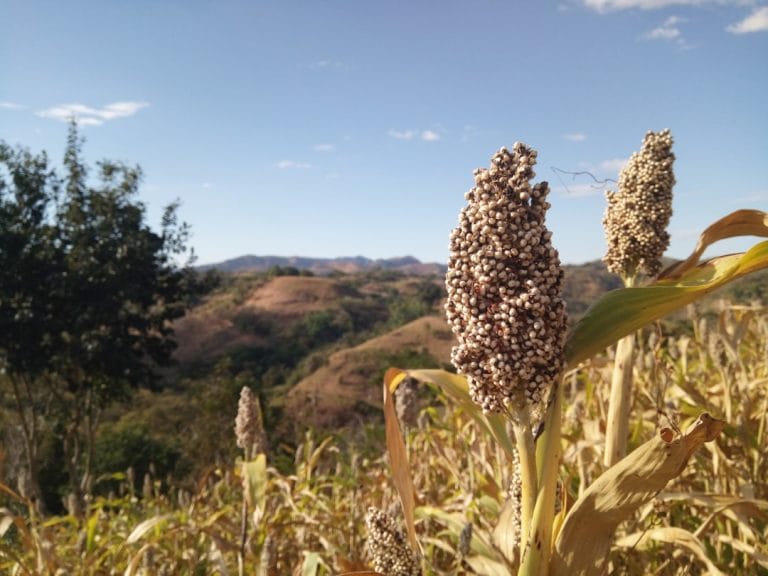
Sorghum benefits explained: USDA nutrition facts, what research shows for celiac disease, blood sugar and satiety, which claims come only from animal studies, and who should be careful.
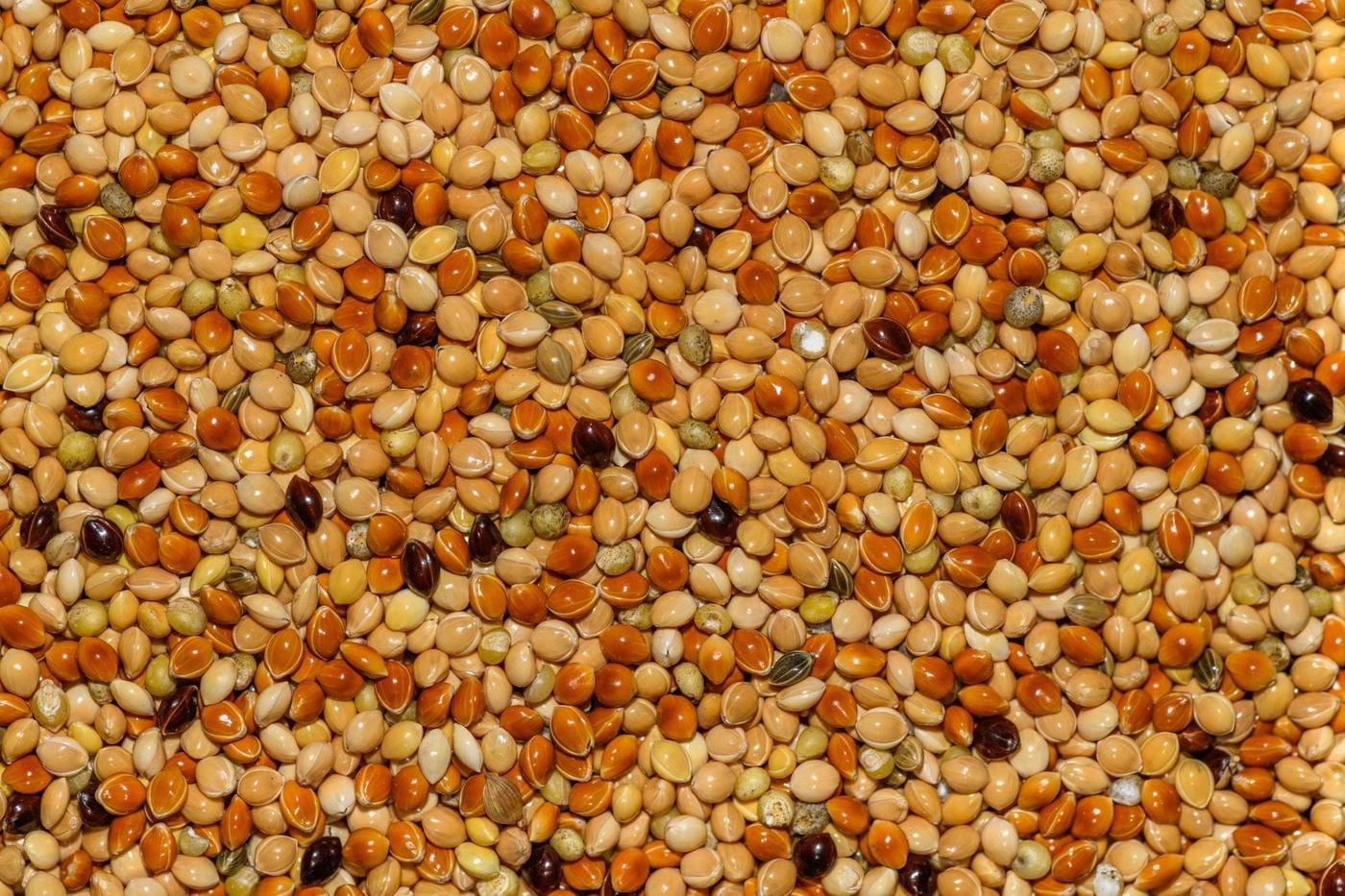
Sorghum (Sorghum bicolor), also called jowar, is a whole grain that is naturally gluten-free. It is one of the world’s most important staple crops, yet one of the least used in Western diets (2). The grain can be cooked whole like rice or ground into flour for flatbreads, porridge and baked goods.
The best-supported sorghum benefits are practical: it is a nutritious gluten-free grain that people with celiac disease tolerated in a study, and some sorghum foods cause a smaller blood sugar rise than wheat or rice versions, which matters beyond metabolism — see sugar and mood (3, 4). Claims about diabetes, cholesterol and cancer are based on animal and cell studies. As part of a balanced diet, it is a good way to add variety to your grains.
Key Takeaways
- 100 g of uncooked sorghum provides 329 calories, 10.6 g of protein and 6.7 g of fiber (1).
- Sorghum foods did not cause intestinal damage or symptoms in people with celiac disease in a short study (3).
- Several sorghum foods had a lower glycemic index and glycemic load than wheat or rice versions (4).
- Sorghum biscuits kept healthy adults fuller than wheat biscuits (5).
- Diabetes, cholesterol and anticancer effects have been shown only in animal or cell studies (6, 9, 12).
What Is Sorghum?
 Save
SaveSorghum is a cereal grass grown as a staple food in many semi-arid regions (4). Its phenolic profile is more abundant and diverse than that of other common cereal grains, made up mainly of phenolic acids, 3-deoxyanthocyanidins and condensed tannins (2). These compounds show strong antioxidant activity in laboratory tests (2).
Sorghum Nutrition Facts
USDA values for uncooked sorghum grain (1):
| Nutrient (uncooked grain) | Per 100 g |
|---|---|
| Energy | 329 kcal |
| Carbohydrate | 72.1 g |
| Fiber | 6.7 g |
| Protein | 10.6 g |
| Fat | 3.5 g |
| Magnesium | 165 mg |
| Phosphorus | 289 mg |
| Iron | 3.4 mg |
| Vitamin B6 | 0.44 mg |
| Selenium | 12.2 µg |
Sorghum is a good source of fiber, magnesium and phosphorus. Like other whole grains, it is energy-dense before cooking, so portion size matters.
Sorghum Benefits: What the Evidence Shows
| Claim | What was studied | Evidence |
|---|---|---|
| Safe for celiac disease (3) | Duodenal tissue from celiac patients; adults with celiac disease eating sorghum foods for 5 days | No toxicity or symptoms; short human test |
| Lower blood sugar response (4) | Glycemic index of sorghum foods vs wheat and rice versions in India | Some sorghum foods had a lower GI; all but roti had lower GL |
| Satiety (5) | Sorghum vs wheat biscuits in 40 healthy adults | Fuller for longer; no change in intake at the next meal |
| Diabetes (6, 7, 8) | Sorghum extracts or diets in diabetic rats and high-fat-fed mice | Animal studies only |
| Cholesterol (9, 10) | Sorghum lipid extracts in hamsters | Animal studies only |
| Cancer (12, 13) | Sorghum bran extracts on cancer cells | Cell studies only |
| Bones (14) | Sorghum diets in growing rats | No bone density benefit; lower calcium absorption with red sorghum |
A gluten-free grain for celiac disease
In a study of adults with celiac disease, digested sorghum proteins did not cause any damage or immune changes in duodenal tissue samples. Patients who ate a sorghum-based food every day for 5 days had no gastrointestinal or other symptoms, and their anti-transglutaminase antibody levels did not change (3). The authors concluded that sorghum can be considered safe for people with celiac disease, although the human challenge was short.
Blood sugar
Researchers at India’s National Institute of Nutrition measured the glycemic index of sorghum foods. Sorghum semolina upma, flakes poha and pasta had a significantly lower glycemic index than the wheat or rice versions, and all sorghum foods except roti had a lower glycemic load (4). This suggests low-GI sorghum foods may help reduce the rise in blood sugar after meals.
Evidence for a direct anti-diabetic effect comes from animals. A sorghum extract lowered blood glucose and cholesterol in diabetic rats (6), improved insulin sensitivity in mice fed a high-fat diet (7), and a fermented sorghum diet protected rats against high blood sugar (8). These results have not been confirmed in people.
Satiety and weight
 Save
SaveIn a randomized crossover trial of 40 healthy adults, whole grain sorghum biscuits led to higher satiety ratings than wheat biscuits and raised the gut hormones GLP-1 and GIP. However, the amount people ate at their next meal did not differ (5). Sorghum can fit a calorie deficit diet, but it has not been shown to cause weight loss.
Heart health and cholesterol
Diets high in fiber, especially from whole grain cereals, are consistently associated with lower rates of cardiovascular disease (11). In hamsters, a lipid extract from grain sorghum containing plant sterols and policosanols reduced cholesterol absorption and non-HDL cholesterol (9), and a lipid extract from sorghum distillers grains increased cholesterol excretion and lowered plasma and liver cholesterol (10). These were concentrated extracts in animals, not whole sorghum in people.
Cancer
A high-phenolic sorghum bran extract suppressed growth and induced cell death in human colon cancer cells (12), and high-polyphenol bran extracts reduced the viability of liver and colon cancer cells (13). These are laboratory findings only, and sorghum has not been shown to prevent cancer in people.
Bones
In growing rats fed extruded whole grain sorghum diets for 60 days, there was no difference in bone mineral density compared with a control diet. Rats on red sorghum absorbed less calcium and had lower calcium and phosphorus in the femur (14). There is no evidence that sorghum strengthens bones.
How to Cook and Eat Sorghum
- Simmer whole sorghum grains in plenty of water until tender, then drain and use like rice or in salads.
- Use sorghum (jowar) flour for flatbreads, porridge or gluten-free baking.
- Look for certified gluten-free products if you have celiac disease.
- Combine it with vegetables and legumes in a plant-based diet.
Sweet sorghum is grown for its stalks, which are pressed into syrup. Sorghum syrup is an added sugar rather than a whole grain; if you are looking at sweeteners, see our guide to erythritol.
Safety and Side Effects
- Allergy: sorghum allergy is uncommon, but anaphylaxis caused by sorghum and millet has been reported (15).
- Mineral absorption: in rats, a red sorghum diet reduced calcium absorption (14). Eating a varied diet with other calcium sources avoids relying on any one grain.
- Fiber: if you are not used to whole grains, increase portions gradually to limit gas or bloating.
Frequently Asked Questions
What are the health benefits of sorghum?
Sorghum is a gluten-free whole grain that provides fiber, protein, magnesium and phenolic antioxidants. Some sorghum foods have a lower glycemic index than wheat or rice versions, and sorghum biscuits kept people fuller than wheat. Effects on diabetes, cholesterol and cancer have so far been shown only in animal or cell studies.
Is sorghum safe for people with celiac disease?
Sorghum does not contain gluten. In a study, sorghum proteins did not damage intestinal tissue from people with celiac disease, and adults with celiac disease who ate sorghum foods daily for 5 days had no symptoms or antibody changes. Choose products labeled gluten-free, because grains can be contaminated during processing.
Is sorghum good for diabetes?
It can be a useful whole grain choice. Several sorghum foods tested in India had a lower glycemic index than their wheat or rice equivalents, and all except sorghum roti had a lower glycemic load. Studies showing sorghum extracts lower blood sugar were done in rats and mice, not people.
How many calories are in sorghum?
According to USDA data, 100 grams of uncooked sorghum grain contains 329 calories, 10.6 grams of protein, 72 grams of carbohydrate and 6.7 grams of fiber.
Can you be allergic to sorghum?
Sorghum allergy appears to be rare, but a case of anaphylaxis caused by sorghum and millet has been reported. Stop eating it and seek medical help if you develop hives, swelling, trouble breathing or other allergy symptoms.
The Bottom Line
Sorghum is a nutritious, naturally gluten-free whole grain with fiber, protein and minerals. People with celiac disease tolerated it in a short study, some sorghum foods have a lower glycemic index than wheat or rice versions, and sorghum biscuits improved satiety. Benefits for diabetes, cholesterol, cancer and bones are based on animal or cell research, so treat sorghum as a healthy grain to rotate into your meals rather than a treatment.
This article is for informational purposes only and is not a substitute for professional medical advice, diagnosis, or treatment. Always consult a qualified healthcare provider before making changes to your diet, especially if you have celiac disease, diabetes, or food allergies.
Related Articles
Balanced Diet Guide With the 5 Food Groups
Calorie Deficit Diet Guide for Safe Weight Loss
Plant-Based Diet: Benefits, Risks and How to Start
Erythritol Benefits, Side Effects and Heart Health Research