

Are seed oils bad for you? The specific claims have been tested. Here is what the trials and the large cohorts actually found — including where the sceptics still have a point.
Are seed oils bad for you, or is that the loudest nutrition claim of the decade with the least behind it? The question deserves taking seriously, because the people asking are reacting to something real: these oils are everywhere in processed food, and they replaced fats people ate for centuries (8). So this page goes claim by claim.
Key Takeaways
- Across 15 randomised trials, none found linoleic acid raised inflammatory markers (6).
- In 30 cohorts and 68,659 people, higher linoleic acid tracked with lower cardiovascular mortality (4).
- Replacing saturated fat with polyunsaturated oil cut cardiovascular disease by around 30% in trials (1).
- But adding omega-6 made little or no difference to mortality in Cochrane’s review (3).
- The fair conclusion: not harmful, and better than butter — not a health food to add.
What Are Seed Oils, And Which Oils Count
| These are seed oils | These are not |
|---|---|
| Canola (rapeseed), soybean, sunflower, safflower, corn, cottonseed, grapeseed, rice bran, sesame, flaxseed | Olive oil, avocado oil, coconut oil, palm oil, butter, ghee, tallow, lard |
| Extracted from the seed of the plant, usually with heat and a solvent, then refined | Pressed from the fruit or flesh (olive, avocado, palm, coconut), or rendered from animal fat |
| High in linoleic acid, an omega-6 polyunsaturated fat | Mostly monounsaturated (olive, avocado) or saturated (coconut, butter, tallow) |
Worth noting: this line is drawn by source and extraction method, not by evidence of harm. Nothing about coming from a seed rather than a fruit makes a fat dangerous. The category exists because it is easy to explain, not because research found a boundary there.
Are Seed Oils Bad For You? The Claims, Tested
| The claim | What the research shows | Verdict |
|---|---|---|
| Seed oils cause inflammation | A systematic review of 15 RCTs found none reporting raised inflammatory markers — not CRP, fibrinogen, cytokines or TNF-α. A later meta-analysis of 30 RCTs in 1,377 people agreed (6, 7) | Not supported |
| They raise heart disease risk | Across 30 cohorts and 68,659 people, higher linoleic acid in blood and tissue tracked with lower cardiovascular mortality (HR 0.78) (4) | The opposite direction |
| They shorten your life | In 811,069 people, high versus low linoleic acid intake was associated with lower total, cardiovascular and cancer mortality (5) | Not supported |
| Replacing butter with them is bad for you | Trials that replaced saturated fat with polyunsaturated vegetable oil cut cardiovascular disease by about 30% (1), and Cochrane found a 21% reduction in combined events (2) | Backwards |
| Simply adding more is proven good for you | Cochrane’s review of 19 trials found increasing omega-6 made little or no difference to mortality (RR 1.00) or cardiovascular events (RR 0.97), on low-quality evidence (3) | Also overstated |
The inflammation claim
This is the load-bearing argument, so it deserves detail. The theory is that omega-6 linoleic acid converts to arachidonic acid, which feeds pro-inflammatory signalling molecules. Plausible on paper. It was then tested in people.
A systematic review gathered every randomised controlled trial measuring dietary linoleic acid’s effect on inflammation in healthy adults. Fifteen qualified, and none reported significant findings for C-reactive protein, fibrinogen, plasminogen activator inhibitor-1, cytokines, adhesion molecules or TNF-α. The authors concluded there is virtually no evidence from controlled trials that linoleic acid raises inflammatory markers (6). A later meta-analysis of 30 randomised trials in 1,377 people agreed: no significant effect on TNF, interleukin-6, adiponectin or CRP (7).
The honest caveat. That second analysis added one thing worth reporting rather than burying: its meta-regression suggested that among people whose linoleic acid intake rose very steeply, CRP might rise. That is a signal from subgroup analysis, not a demonstrated effect — but it is the one thread of the inflammation argument that has not been cut.
The heart disease claim
Here the evidence points firmly the other way. Rather than rely on what people remember eating, researchers measured linoleic acid in blood and tissue across 30 prospective studies in 13 countries, covering 68,659 participants and 15,198 cardiovascular events. Higher linoleic acid was associated with lower cardiovascular disease, most strongly for cardiovascular mortality at a hazard ratio of 0.78. Arachidonic acid — the supposedly inflammatory metabolite — showed no association with higher risk (4).
A separate review covering 811,069 people found high versus low linoleic acid intake associated with lower total mortality (RR 0.87), cardiovascular mortality (0.87) and cancer mortality (0.89) (5).
Seed Oils Versus Butter, Which Is The Real Question
 Save
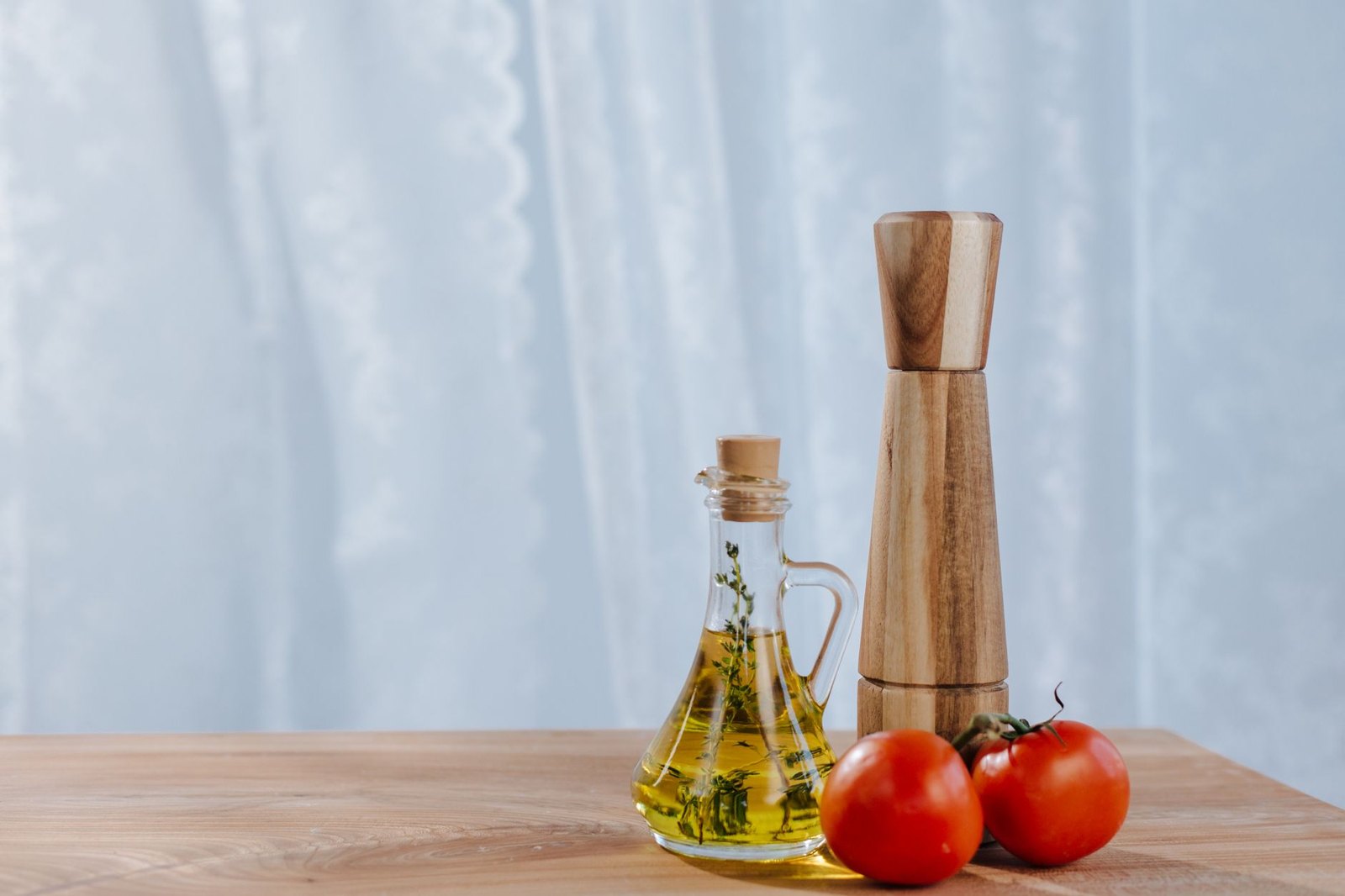
SaveMost people are not choosing between sunflower oil and nothing. They are choosing between it and butter, lard or tallow — and that comparison has been run in randomised trials.
The American Heart Association’s advisory reported that trials which lowered saturated fat and replaced it with polyunsaturated vegetable oil reduced cardiovascular disease by roughly 30%, a reduction it compares to statin treatment (1). Cochrane’s review of 15 trials in about 59,000 participants found reducing saturated fat cut combined cardiovascular events by 21% (RR 0.79), with bigger reductions producing bigger effects, and replacing that energy with polyunsaturated fat among the strategies that worked (2).
Two qualifications belong here. Cochrane found little or no effect on all-cause or cardiovascular mortality — the benefit was in events, not deaths. And swapping saturated fat for refined carbohydrate did not help (1). What replaces what matters.
Where The Pro-Seed-Oil Case Is Also Overstated
An honest page points both barrels. Cochrane also reviewed trials that simply increased omega-6 intake: 19 trials, 6,461 participants, one to eight years. The result was little or no difference to all-cause mortality (RR 1.00) or cardiovascular events (RR 0.97), on low-quality evidence. Only heart attack showed possible benefit, where 53 people would need to increase intake for one to avoid one (3).
So the defensible position is narrower than either camp claims. Seed oils do not appear to harm you. Replacing saturated fat with them reduces cardiovascular events. Adding more of them on top of an already reasonable diet has not been shown to do much of anything. Researchers reviewing this field describe genuine controversies and research gaps rather than a closed case (8).
Who paid for which study. On a question this contested, that is worth stating plainly rather than leaving in the small print. The strongest single result on this page — the pooled analysis of 30 cohorts finding lower cardiovascular mortality — carries a disclosure that two of its authors received research support from Unilever for that work, and a third reports personal fees from companies including Bunge (4). Unilever and Bunge both sell vegetable oils. The review that found little or no benefit from adding omega-6, by contrast, was funded by the World Health Organization (3).
That cuts both ways, and neither finding collapses because of it. The Circulation analysis pooled individual-level data from 30 independent cohorts in 13 countries, which is not a design a single sponsor steers, and its result lines up with the saturated-fat replacement trials that had no such funding. But a reader deciding whom to believe on seed oils deserves to know that the most favourable number came from work the industry helped pay for, and the least favourable one did not.
The Part Of The Worry That Is Reasonable
Three concerns survive contact with the evidence, and all are about context rather than the fat itself.
These oils are the signature of ultra-processed food. Crisps, biscuits, fried takeaway and packaged snacks are built on them. Someone who cuts out seed oils usually cuts out those foods too, and then feels better — but the credit may belong to what else left the plate.
Repeatedly reheated frying oil is not fresh oil. Oil held hot for hours and reused accumulates oxidation products. That is an argument about commercial deep-frying, not the bottle in your kitchen.
A whole seed is not its extracted oil. Sunflower seeds carry fibre, protein, minerals and vitamin E; sunflower oil is the fat with all of that removed. Preferring whole foods to refined extracts is a sound instinct, and the overall pattern of your diet matters more than any single bottle — while how olive oil and vegetable oil compare is a more useful question than which oils to fear.
Frequently Asked Questions
Is canola oil bad for you?
Canola, which is rapeseed, is a seed oil like the rest, so the same evidence applies to it. The inflammation claim was tested in 15 randomised trials and linoleic acid did not raise inflammatory markers. The heart claim runs the other way from the worry: pooled data point to lower cardiovascular risk when these fats replace saturated fat. There is no separate case against canola specifically, and no reason to throw out a bottle of it.
Are seed oils actually bad for you?
On the published evidence, no. The specific claims have been tested and mostly failed. A systematic review of 15 randomised trials found none showing that linoleic acid raised inflammatory markers, and a meta-analysis of 30 trials in 1,377 people agreed. Across 30 prospective cohorts covering 68,659 people, higher linoleic acid in blood and tissue went with lower cardiovascular mortality, not higher. And trials replacing saturated fat with polyunsaturated vegetable oil reduced cardiovascular disease by roughly 30%. What is fair to say is that the evidence for deliberately adding more omega-6 is weak: Cochrane found little or no effect on mortality. Not harmful is well supported; actively protective is not.
Which oils are seed oils, and which are not?
Seed oils come from the seed and are high in the omega-6 fat linoleic acid: canola (rapeseed), soybean, sunflower, safflower, corn, cottonseed, grapeseed, rice bran, sesame and flaxseed. On the other side of the line are oils pressed from fruit or flesh, or rendered from animals: olive, avocado, coconut and palm oil, plus butter, ghee, tallow and lard. The distinction is about source and extraction — not, by itself, a ranking of how healthy each one is.
Why are seed oils supposedly bad but seeds themselves are good?
This is the sharpest question in the whole debate, and it deserves a straight answer. A sunflower seed contains fibre, protein, minerals and vitamin E alongside its fat. Sunflower oil is the fat with everything else stripped out, usually extracted with heat and a solvent and then refined. So the objection is really about processing and about eating a concentrated fat rather than a whole food, which is reasonable as far as it goes. What it does not establish is that the fat itself becomes harmful, and that is the part the trials have tested and not found.
Do seed oils cause inflammation?
Not at normal intakes, according to the randomised evidence. Fifteen controlled trials reviewed together produced no significant findings for C-reactive protein, fibrinogen, plasminogen activator inhibitor-1, cytokines, adhesion molecules or TNF-alpha. A separate meta-analysis of 30 trials in 1,377 people found no significant effect on TNF, interleukin-6, adiponectin or CRP either. One honest caveat from that second analysis: its meta-regression suggested that in people whose linoleic acid intake rose very steeply, CRP might increase. That is a hypothesis generated from subgroup analysis, not a demonstrated effect, and it is the one thread in the inflammation argument that has not been fully cut.
Is olive oil better than seed oils?
For most purposes extra virgin olive oil is a reasonable default, and nothing here argues against it: it carries polyphenols refined seed oils do not, and it sits at the centre of the Mediterranean pattern. But the useful comparison is not olive oil against sunflower oil; it is either of them against butter, lard or a deep fryer, which is where the measured differences in cardiovascular events come from. Use olive oil if you prefer it. Do not throw out a bottle of canola believing it is harming you.
The Bottom Line
Are seed oils bad for you? On the evidence available, no. The inflammation claim was tested in 15 randomised trials and then 30 more, and did not hold up. Higher linoleic acid tracks with lower cardiovascular mortality across 30 cohorts and nearly 70,000 people, and with lower total mortality across 811,000. Trials replacing saturated fat with polyunsaturated oil cut cardiovascular disease by about 30%. But resist the opposite overstatement too: adding more omega-6 made little or no difference to mortality in Cochrane’s review, and one meta-regression hints that very steep increases might raise CRP. Seed oils are fine, olive oil is a good default if you prefer it, and the foods these oils arrive in matter far more than the oils themselves.
This article is for informational purposes only and is not a substitute for professional medical advice. Talk to your doctor or a registered dietitian before making significant changes to your diet, particularly if you have cardiovascular disease, diabetes or are being treated for high cholesterol.
Related Articles
Olive Oil vs Vegetable Oil: The Honest Answer
Pomace Olive Oil: What It Is, Uses, and Is It Healthy?
Side Effects of Olive Oil: What Research Actually Shows
Balanced Diet Guide With the 5 Food Groups