
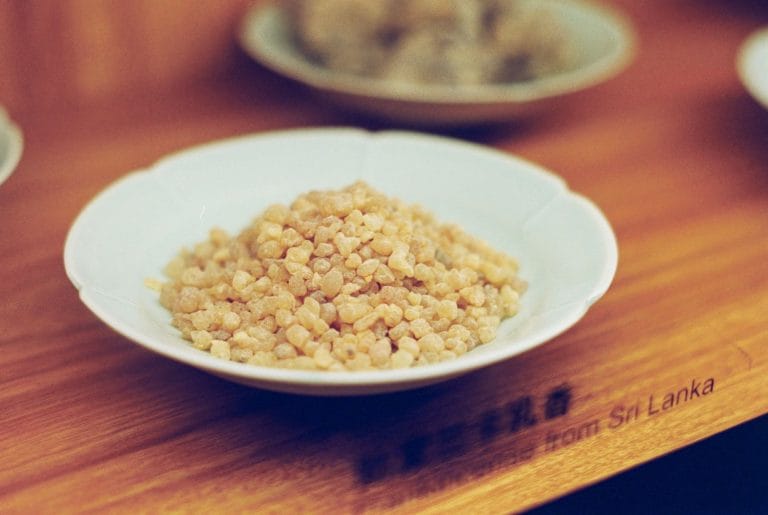
Boswellia side effects and what the joint-pain trials actually found, including why the newest and largest analysis came back inconclusive. Boswellia is sold as frankincense too, so the same cautions apply under either name.
Boswellia serrata is frankincense, sold as a joint supplement on the strength of some genuinely positive trials. It is also a good example of why one positive meta-analysis is not the end of the story — because the most recent and largest one found no significant effect (1).
 Save
SaveBoth findings are real. Here is how they fit together.
Key Takeaways
- A 2018 review ranked it among 7 of 20 supplements with large, clinically important short-term pain relief (3).
- A 2020 meta-analysis of 7 trials, 545 patients found real pain reduction (2).
- The 2024 analysis of 13 studies found no significant effect — the trials disagree too much (1).
- No supplement in that 2018 review showed clinically important pain relief long term (3).
- Side effects are usually mild and digestive; avoid in pregnancy, where there is no data (5).
What Boswellia Is
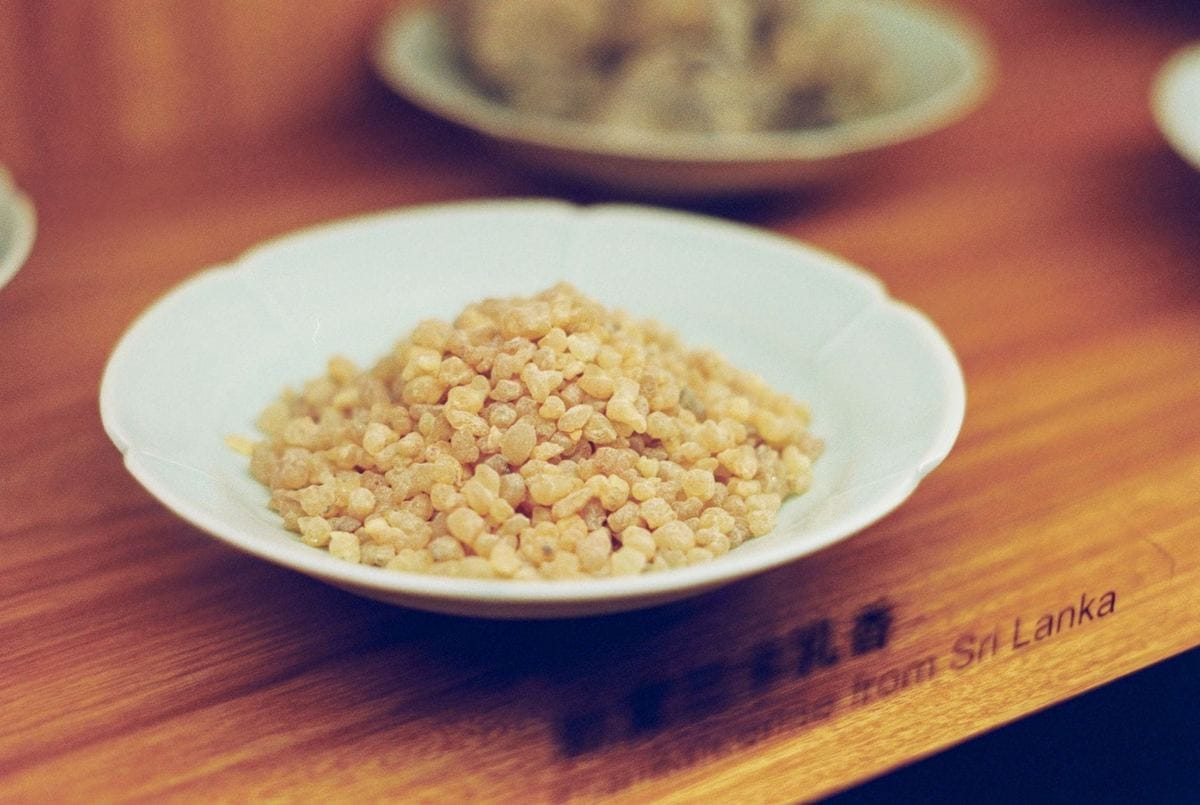
Boswellia is the gum resin of the Boswellia tree — frankincense — long used in Ayurvedic medicine. The compounds of interest are the boswellic acids, particularly acetyl-11-keto-β-boswellic acid, usually written AKBA.
The mechanism generally described is inhibition of 5-lipoxygenase, an enzyme in the pathway that makes leukotrienes, which are inflammatory signalling molecules (5). That is a different route from the one NSAIDs such as ibuprofen act on, which is why it attracts interest as a potentially gentler option — an expectation the reviewers describe as still needing confirmation in trials rather than established.
 Save
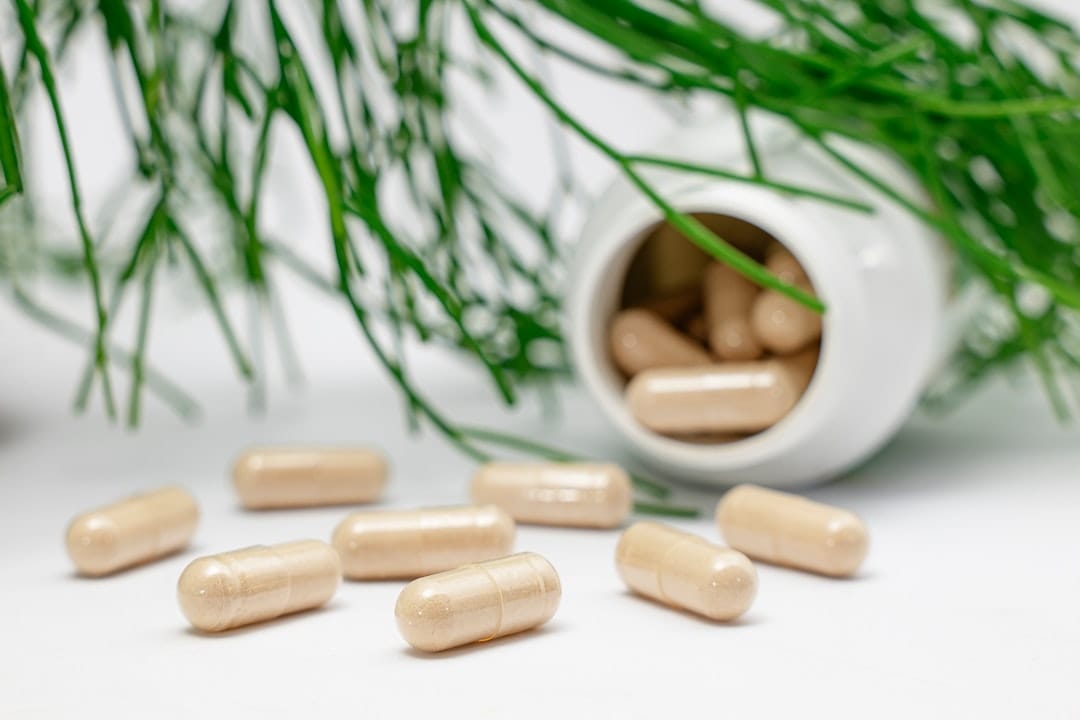
SaveBoswellia Serrata For Joint Pain: What The Trials Found
| The analysis | What it found | Read it as |
|---|---|---|
| BJSM, 2018 — 20 supplements across 69 trials | Boswellia serrata extract was one of 7 supplements with large (effect size >0.80) and clinically important pain reduction at short term. No supplement showed clinically important pain benefit at long term (3) | Encouraging, short-term only |
| BMC, 2020 — 7 trials, 545 patients | Boswellia relieved pain on the visual analogue scale (WMD −8.33; 95% CI −11.19 to −5.46) and improved WOMAC scores, with at least 4 weeks of use recommended (2) | Positive |
| Phytotherapy Research, 2024 — 13 studies, up to 1,185 patients | The most recent and largest analysis did not detect a significant effect against controls, because the studies disagreed with each other too much (1) | Inconclusive |
Reading those three together gives the honest picture.
The positive results are real. Boswellia was not a marginal entry in the 2018 review; it was one of only seven supplements out of twenty to clear the bar for a large and clinically important effect on short-term pain (3). The 2020 meta-analysis found a measurable reduction on the pain scale and recommended at least four weeks of use (2).
The inconclusive result is also real, and it is the more recent and larger one. The 2024 analysis pooled 13 studies covering up to 1,185 patients and could not detect a significant effect — not because the extract clearly failed, but because the individual trials produced results too inconsistent to combine (1). High heterogeneity like that usually means the studies differed in extract, dose, standardisation or patient group. One more thing from that same paper, in fairness to it: when the authors then ran a subgroup analysis, Boswellia extracts did show a significant beneficial effect against placebo in knee osteoarthritis (1). A subgroup result is weaker evidence than the main analysis it sits inside — it is found after the fact, in a smaller slice of the data — so it does not overturn the headline finding. But leaving it out would make the paper sound more negative than it is.
A 2025 network meta-analysis comparing nutritional supplements for knee osteoarthritis sits in the same landscape (4).
What every analysis agrees on: no supplement, boswellia included, has demonstrated clinically important pain relief at long term (3). If you try it, judge it over weeks rather than planning around it for years. The dietary and exercise side of arthritis has considerably better evidence behind it.
Boswellia Side Effects, And Who Should Be Careful
| If this applies to you | Why | What to do |
|---|---|---|
| You take a blood thinner | Boswellic acids affect inflammatory pathways; interactions are plausible and under-studied | Ask your doctor or pharmacist |
| You are pregnant or breastfeeding | No adequate safety data exists either way | Avoid |
| You have a sensitive stomach | The most commonly reported effects are mild and digestive — nausea, reflux, loose stools | Take it with food |
| You are already on an anti-inflammatory | Stacking anti-inflammatories is a conversation, not a default (5) | Raise it before adding |
| You expect it to replace your medication | Nothing here supports that, and no analysis shows long-term benefit (3) | Treat it as an add-on |
The commonly reported side effects are mild and digestive — nausea, reflux, stomach discomfort, loose stools — and taking it with food usually helps.
The more useful thing to understand is what is not known. There is no adequate safety data in pregnancy or breastfeeding. Interactions with blood thinners and with other anti-inflammatory medication are plausible given the pathway involved, but under-studied. Better tolerability than NSAIDs is an expectation reviewers have flagged as requiring confirmation, not a settled fact (5).
Boswellia Or Turmeric?
Both appeared among the supplements with large short-term pain effects in the same 2018 review, curcumin and Curcuma longa extract alongside Boswellia serrata (3). A 2026 network meta-analysis went further and assessed turmeric, boswellia and combined formulations against one another directly (6).
The practical answer is unsatisfying but honest: neither has shown long-term benefit, both are usually well tolerated, and the choice matters less than whether you have checked it against your medication list. Turmeric in particular has an interaction profile worth reading before you start.
Frequently Asked Questions
Does boswellia serrata actually work for joint pain?
The honest answer is that the research disagrees, and you should know that before spending money. A 2018 review in the British Journal of Sports Medicine assessed 20 supplements across 69 trials and found Boswellia serrata extract among seven with large, clinically important effects on pain in the short term. A 2020 meta-analysis of 7 trials in 545 patients also found a real reduction in pain scores. But the most recent and largest analysis, covering 13 studies and up to 1,185 patients in 2024, did not detect a significant effect, because the individual trials produced results too inconsistent to pool. What all of them agree on is that no supplement, boswellia included, has shown clinically important pain relief over the long term.
What is boswellia and how does it work?
Boswellia is the resin of the Boswellia tree, better known as frankincense, and it has been used in Ayurvedic medicine for a very long time. The active compounds are boswellic acids, particularly acetyl-11-keto-beta-boswellic acid, usually shortened to AKBA. The mechanism most often described is inhibition of 5-lipoxygenase, an enzyme in the pathway that produces leukotrienes, which are inflammatory signalling molecules. That is a different pathway from the one NSAIDs like ibuprofen act on, which is part of why it is studied as a potentially gentler option.
What are the side effects of boswellia?
Reported side effects are usually mild and digestive: nausea, acid reflux, stomach discomfort and loose stools, and taking it with food helps. It has generally been described as well tolerated compared with NSAIDs, though reviewers have been clear that better tolerability is an expectation to be confirmed in further trials rather than something already established. The bigger gaps are what is not known: there is no adequate safety data in pregnancy or breastfeeding, and interactions with blood thinners and other anti-inflammatories are plausible but under-studied.
Who should not take boswellia?
Anyone pregnant or breastfeeding, because there is no safety data to rely on. Anyone taking a blood thinner or already on regular anti-inflammatory medication should ask a pharmacist before adding it rather than assuming a plant extract is neutral. And anyone hoping to replace prescribed treatment should not: the evidence supports it at best as an addition for short-term pain, and no analysis has shown a clinically important long-term benefit.
Boswellia or turmeric for joints?
Both appeared in the same BJSM review among the supplements with large short-term effects on pain, alongside curcumin specifically. A 2026 network meta-analysis went further and evaluated turmeric, Boswellia serrata and combined formulations directly against each other, which is the comparison people actually want. The practical position is that neither has demonstrated long-term benefit, both are usually well tolerated, and if you are going to try one, decide with your doctor rather than on marketing — particularly if you take other medication, since turmeric has its own interaction profile.
The Bottom Line
Boswellia serrata has a better evidence base than most joint supplements and a weaker one than its marketing suggests. It was one of seven supplements out of twenty to show large, clinically important short-term pain relief in a 2018 review, and a 2020 meta-analysis of 545 patients found a real reduction in pain scores. But the newest and largest analysis, covering 13 studies in 2024, could not detect a significant effect because the trials disagreed too much with each other — and no analysis has shown clinically important benefit beyond the short term. Side effects are usually mild and digestive. Avoid it in pregnancy, check it against blood thinners and other anti-inflammatories, and treat it as something to trial for a few weeks alongside the basics that actually have evidence, not as a replacement for treatment.
This article is for informational purposes only and is not a substitute for professional medical advice. Talk to your doctor or pharmacist before taking boswellia if you take blood thinners or anti-inflammatory medication, and avoid it during pregnancy and breastfeeding, where safety data is lacking.
Related Articles
Arthritis Diet: Foods That Help, Foods to Limit and Evidence
Turmeric Drug Interactions: What to Check First
Manganese Benefits, Daily Needs, Food Sources and Safety
Balanced Diet Guide With the 5 Food Groups