
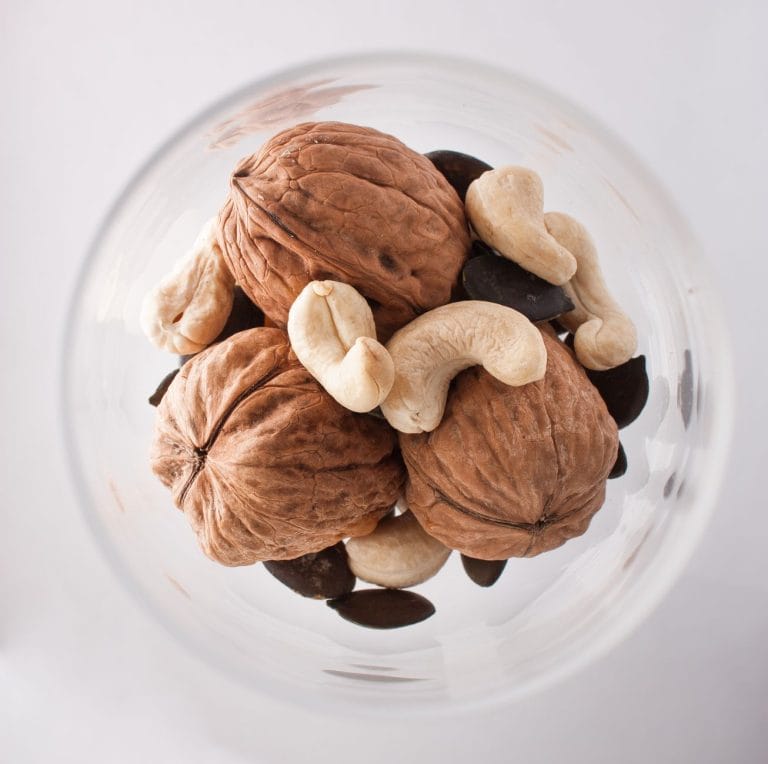
What manganese does, the health benefits of manganese that research actually supports, how much you need, the best food sources and the risks of too much.
Manganese is an essential trace mineral. The body contains only about 10 to 20 mg of it, and 25% to 40% of that is stored in bone; the liver, pancreas, kidneys and brain also contain manganese (1).
Many articles list broad health benefits of manganese, but the human evidence is thinner than they suggest. Manganese is clearly needed for several enzymes, yet no clinical trials have tested manganese alone for bone health, and human trials for blood sugar are lacking (1). For most people, the practical goal is simply getting enough from food, one of the quieter benefits of eating healthy.
Key Takeaways
- Adults need about 1.8 mg (women) to 2.3 mg (men) of manganese a day (1).
- The upper limit for adults is 11 mg a day from all sources (1).
- Deficiency is very rare, and most people get enough from whole grains, nuts, legumes, leafy vegetables and tea (1).
- Manganese is part of enzymes involved in bone formation, metabolism and antioxidant defense (1, 7).
- Claims about bones, blood sugar, PMS and seizures rest mostly on animal studies or small human studies (1, 2, 8, 10).
- Too much manganese, mainly from inhaled dust or contaminated water, can damage the nervous system (1).
What Manganese Does in Your Body
Manganese is a cofactor for many enzymes, including manganese superoxide dismutase (MnSOD), arginase and pyruvate carboxylase. Through these enzymes, it is involved in amino acid, cholesterol, glucose and carbohydrate metabolism, clearing reactive oxygen species, bone formation, reproduction and immune response. It also plays a role in blood clotting together with vitamin K (1).
MnSOD is located in the mitochondria and is the key enzyme protecting these energy-producing structures from oxidative damage (7). That is well established biology, but it does not mean that eating more manganese than you need boosts antioxidant protection.
The body keeps tissue manganese stable by adjusting absorption and excretion. Adults absorb only about 1% to 5% of the manganese in food, and more than 90% of absorbed manganese leaves the body through bile (1).
Health Benefits of Manganese: What the Evidence Shows
| Claim | Best evidence | Strength |
|---|---|---|
| Supports bone health (2, 3) | Rat study; one 2-year trial of calcium plus zinc, copper and manganese in 59 women | Limited: no trials of manganese alone |
| Helps blood sugar control (1, 5, 6) | Rat studies; human blood-level studies point in both directions | Limited: no human trials |
| Eases PMS symptoms (8) | Diet study in 10 women: low manganese intake worsened mood and pain | Very limited |
| Protects against seizures (9, 10) | Low blood manganese seen in epilepsy; rat studies | Unclear which comes first |
| Antioxidant role (7) | Manganese is part of the enzyme MnSOD | Well established biology; no proof extra intake helps |
Bone health
 Save
SaveManganese is a cofactor for several enzymes involved in bone formation, and it is one of the minerals listed as needed for bone metabolism alongside calcium, vitamin D, copper and zinc (1, 4). In ovariectomized rats, manganese supplementation for 12 weeks increased spinal bone mineral density and a marker of bone formation (3).
Human evidence is limited. In a 2-year trial in 59 postmenopausal women, calcium plus zinc, copper and manganese prevented the spinal bone loss seen with placebo, but the trace minerals were given together, so the effect of manganese alone cannot be separated (1, 2). Studies comparing manganese levels in women with and without osteoporosis have given inconsistent results (1). An anti-inflammatory diet for joint health that includes a variety of mineral-rich foods is a more realistic approach than manganese supplements.
Blood sugar
In rats, manganese deficiency reduced glucose transport into fat cells and lowered the number of insulin receptors (6). In a Korean population study of 3,996 adults, people in the lowest quartile of blood manganese were more likely to have diabetes (5). However, other studies found that higher manganese levels were linked to diabetes, and a large Chinese study found a U-shaped pattern, with higher diabetes odds at both low and high levels (1). Human clinical trials are lacking, so manganese should not be used to manage blood sugar (1).
Premenstrual symptoms
In a controlled diet study of 10 women living in a metabolic research unit, a low-manganese diet (1.0 mg a day) increased mood and pain symptoms before menstruation compared with a higher intake (5.6 mg a day) (8). This small study suggests that low manganese intake may worsen symptoms, not that supplements treat PMS.
Brain and seizures
In the brain, much of the manganese is bound to glutamine synthetase, and manganese released at synapses may influence nerve signaling. Dietary manganese deficiency may increase susceptibility to seizures, but manganese is also toxic to the brain at abnormal concentrations (9). Low blood manganese is associated with epilepsy in people and rats, but rat research shows that seizures themselves can lower blood manganese, so low levels may be a result rather than a cause (10).
Thyroid
Research on manganese and the thyroid mainly concerns harm from excess. A review proposed that high manganese exposure may disrupt thyroid hormone regulation and contribute to developmental effects, while noting that data are sparse (11). There is no good evidence that manganese intake supports thyroid function in healthy people.
How Much Manganese Do You Need?
There was not enough evidence to set a Recommended Dietary Allowance, so experts set Adequate Intakes based on usual intakes in healthy people. The upper limits are based on the risk of nerve toxicity and do not apply to people taking manganese under medical supervision (1).
| Age | Adequate Intake (AI) | Upper limit (UL) |
|---|---|---|
| 1–3 years | 1.2 mg | 2 mg |
| 4–8 years | 1.5 mg | 3 mg |
| 9–13 years | Boys 1.9 mg, girls 1.6 mg | 6 mg |
| 14–18 years | Boys 2.2 mg, girls 1.6 mg | 9 mg |
| Men 19+ | 2.3 mg | 11 mg |
| Women 19+ | 1.8 mg | 11 mg |
| Pregnancy (19+) | 2.0 mg | 11 mg |
| Breastfeeding (19+) | 2.6 mg | 11 mg |
Source: NIH Office of Dietary Supplements, based on the Food and Nutrition Board Dietary Reference Intakes (1).
US data suggest that typical diets provide about 2.1 to 2.2 mg a day for women and 2.6 to 2.8 mg for men, which meets or exceeds these intakes (1).
Best Food Sources of Manganese
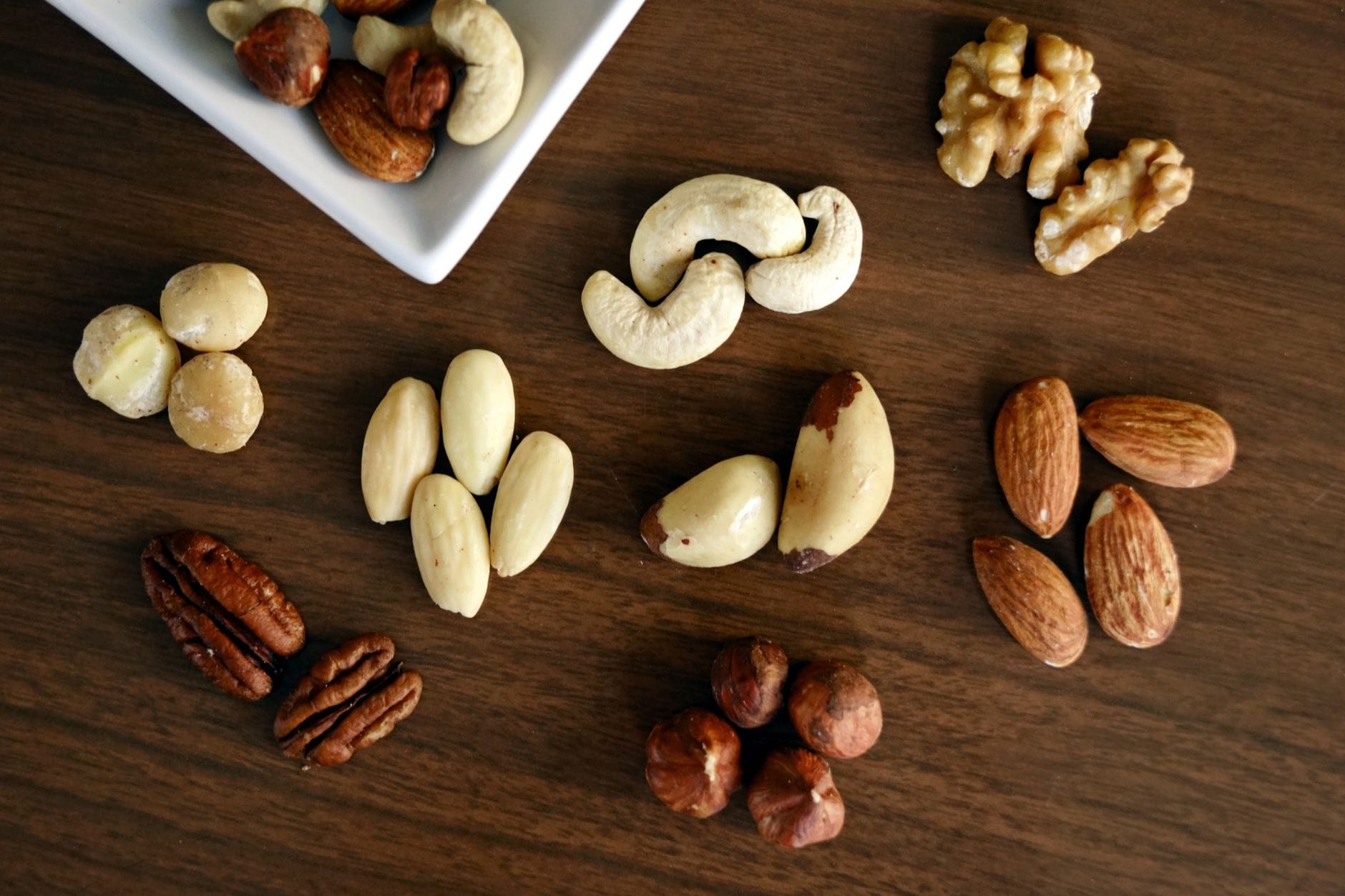 Save
Save| Food | Manganese | % Daily Value |
|---|---|---|
| Mussels, cooked, 3 oz | 5.8 mg | 252% |
| Hazelnuts, dry roasted, 1 oz | 1.6 mg | 70% |
| Pecans, dry roasted, 1 oz | 1.1 mg | 48% |
| Brown rice, cooked, ½ cup | 1.1 mg | 48% |
| Oysters, Pacific, cooked, 3 oz | 1.0 mg | 43% |
| Chickpeas, cooked, ½ cup | 0.9 mg | 39% |
| Spinach, boiled, ½ cup | 0.8 mg | 35% |
| Pineapple, raw chunks, ½ cup | 0.8 mg | 35% |
| Soybeans, boiled, ½ cup | 0.7 mg | 30% |
| Whole wheat bread, 1 slice | 0.7 mg | 30% |
| Oatmeal, cooked, ½ cup | 0.7 mg | 30% |
| Black tea, brewed, 1 cup | 0.5 mg | 22% |
| Lentils, cooked, ½ cup | 0.5 mg | 22% |
Source: NIH Office of Dietary Supplements, using USDA FoodData Central values. Daily Value = 2.3 mg (1).
The top sources of manganese in US adult diets are grain products, tea and vegetables. Meat, eggs, dairy and most fish provide little (1). Iron status affects absorption: people with low iron absorb more manganese (1). Meals built around whole grains, legumes and nuts, as in a plant-based diet, usually provide plenty.
Manganese Toxicity and Safety
There is no evidence of manganese toxicity from high dietary intakes. Toxicity has occurred in workers such as welders and miners who inhaled manganese dust over long periods, and in people who drank water with very high manganese levels (1).
- Symptoms of toxicity: tremors, muscle spasms, tinnitus, hearing loss, unsteadiness, mood and short-term memory changes, and reduced hand-eye coordination. It can progress to Parkinson’s-like problems with gait, balance and rigidity (1).
- Liver disease: people with chronic liver disease eliminate manganese less efficiently and are more susceptible to its toxic effects (1).
- Iron deficiency: increases manganese absorption and can worsen toxicity (1).
- Supplements: multivitamins with manganese usually contain 1.0 to 4.5 mg, but single-mineral products often contain 5 to 20 mg, which can exceed the 11 mg adult upper limit (1).
- Medications: manganese is not known to have clinically relevant interactions with medications (1).
Frequently Asked Questions
How much manganese do I need each day?
The Adequate Intake is 2.3 mg a day for adult men and 1.8 mg a day for adult women, 2.0 mg during pregnancy and 2.6 mg while breastfeeding. The upper limit for adults is 11 mg a day from all sources.
Can I get too much manganese from food alone?
There is no evidence of manganese toxicity from high dietary intake. Toxicity has occurred in people who inhaled manganese dust at work, such as welders and miners, and in people who drank water with very high manganese levels.
Is manganese deficiency common?
No. Manganese deficiency is very rare in humans, and no groups of people are known to be likely to have inadequate intakes. Most people get enough from foods such as whole grains, nuts, legumes, leafy vegetables and tea.
Who should be careful with manganese supplements?
People with chronic liver disease clear manganese less efficiently and are more susceptible to its toxic effects. People with iron deficiency absorb more manganese. Adults should not exceed the 11 mg daily upper limit unless a doctor supervises it.
What are the best food sources of manganese?
Mussels, hazelnuts, pecans, brown rice, oysters, chickpeas, spinach, pineapple, soybeans, whole wheat bread and oatmeal are among the richest sources. Black tea also provides a meaningful amount.
The Bottom Line
Manganese is essential for enzymes involved in bone formation, metabolism and antioxidant defense. But most of the specific health benefits of manganese, including stronger bones, better blood sugar control and fewer PMS symptoms, are based on animal studies or small human studies, and deficiency is very rare. Adults need about 1.8 to 2.3 mg a day, which a diet with whole grains, nuts, legumes, leafy vegetables and tea usually provides. Stay below the 11 mg daily upper limit, and talk to a doctor before taking a manganese supplement, especially if you have liver disease.
This article is for informational purposes only and is not a substitute for professional medical advice, diagnosis, or treatment. Talk to a qualified healthcare provider before starting any supplement, especially if you have a health condition or take medication.
Related Articles
Positive Effects of Healthy Eating: What Research Shows
Arthritis Diet Guide | Best & Worst Foods for Joints
Plant-Based Diet: Benefits, Risks and How to Start
Calorie Deficit Diet Guide for Safe Weight Loss
Home Remedies for Goiter: What Is Safe and What Is Not