

A practical look at how these two pantry oils differ, and when to reach for each.
Nearly every kitchen keeps at least one bottle of cooking oil within arm’s reach. We sauté with it, fry in it, whisk it into dressings, and pour a little into pasta water so the noodles don’t clump. Yet the moment you try to pick between olive oil and vegetable oil, the answer gets fuzzy. Both are useful. Both have fans. And they behave differently depending on what you’re making.
Rather than crown one winner for everything, it helps to look at how they stack up on nutrition, flavor, and heat tolerance, then match each oil to the job in front of you. That’s the approach I’ll take here, running through five common cooking tasks and where each oil shines.
Key Takeaways
– Vegetable oil is a broad category pressed from seeds, grains, nuts, or fruit, including soybean, sunflower, corn, canola, peanut, and coconut oils.
– Olive oil comes from the fleshy part of the ripened olive and, technically, counts as a vegetable oil too, though it stands apart in flavor and nutrition.
– Olive oil leans heavily on monounsaturated fat, the kind linked with lower bad cholesterol and better heart health.
– Vegetable oils tend to have a neutral taste and higher smoke points, which makes them handy for baking and high-heat frying.
– Every oil is calorie-dense, so even the healthiest choice deserves a light hand.
What Sets These Two Oils Apart
The label “vegetable oil” is a catch-all. It covers oils drawn from seeds, grains, nuts, and other plant parts, and most of them arrive on the shelf clean and mild-tasting. That neutrality is exactly why bakers love them, and why they don’t fight with the other flavors in a dish. Many also handle heat well.
Olive oil is the outlier. Pressed from the fruit of the olive tree, it carries a distinctly fruity, sometimes peppery character with a faintly bitter finish. You’ll taste it in a dish, which is a feature in a salad and a drawback in a delicate cake.
Processing matters too. Extra virgin olive oil is minimally refined, so it holds onto more of its natural compounds, including vitamin E, vitamin K, and antioxidants like polyphenols and carotenoids. Most vegetable oils, by contrast, go through heavier refining that strips away flavor and much of the nutrition in exchange for a longer shelf life and a cleaner blend. Cold-pressed oils, crushed at room temperature without added heat or chemicals, sit closer to olive oil on the nutrient scale.
On fat composition, olive oil is roughly 14% saturated fat and 85% monounsaturated fat, a profile that has earned it a reputation as a heart-friendly fat and a staple of the well-studied Mediterranean-style way of eating. Vegetable oils vary widely. Coconut oil is very high in saturated fat, while sunflower oil is comparatively light and mild.
1. Salad Dressing
 Save
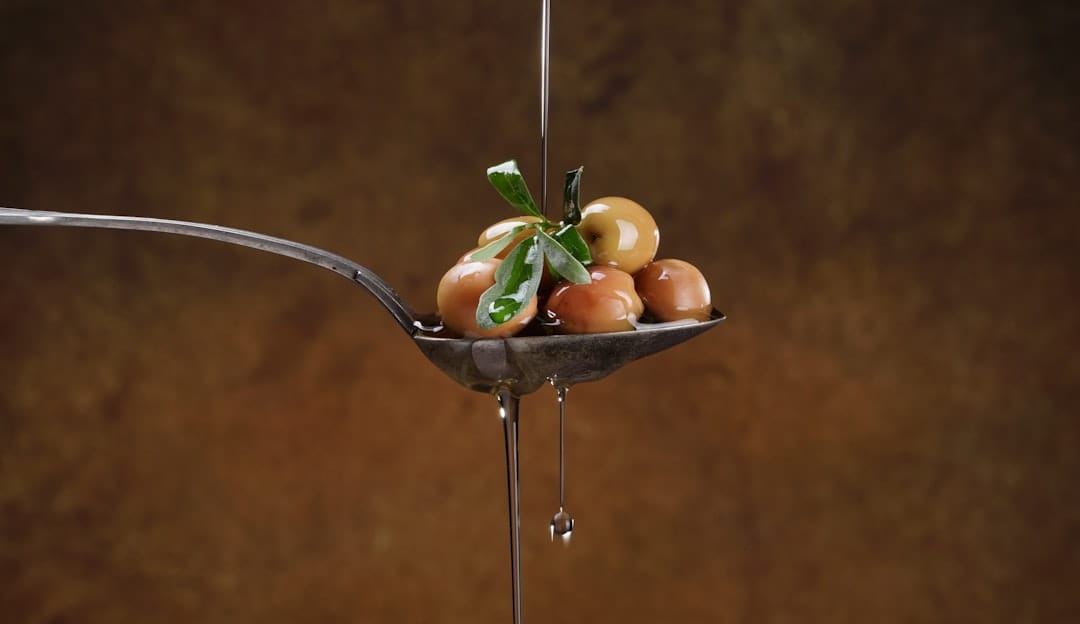
SaveIf you care about squeezing nutrition out of a cold dish, this is an easy call. Extra virgin olive oil is a genuinely healthy source of fat, and using it regularly in modest amounts has been associated with a lower body mass index and blood pressure, along with a reduced risk of cardiovascular disease and certain cancers. Raw and undressed by heat, it also keeps its full flavor and antioxidant load. For dressings and drizzles, olive oil is the one I’d reach for, and it fits naturally into weight-loss recipes that still taste like real food.
2. Marination
Marinating means soaking lean meat in a seasoned liquid before it hits the heat, and oil is a core part of that mix. You can use either oil here, but olive oil brings something extra. Its sharp, slightly peppery note seasons the meat while helping spices cling to the surface. There’s also research tying olive oil to a lower risk of obesity and type 2 diabetes, which is a nice bonus for something you were adding anyway.
That said, taste is personal. If the olive flavor feels too assertive for a particular recipe, a punchy vegetable oil like sesame or walnut can carry a marinade beautifully.
3. Sautéing and Stir-Frying
For quick pan work, sunflower and olive oil are both solid picks, and the choice comes down to priorities. Want the fuller nutritional package? Go olive. Want an affordable, dependable everyday option? Sunflower oil does the job. One study looking at broccoli found that stir-frying it in either olive or sunflower oil preserved more vitamin C than several other oils did, so you’re in good company either way. This is where a lot of everyday light, filling dinners get their start.
4. Baking
Here the tables turn. Bakers usually favor vegetable oils because their neutral taste lets a cake or muffin hit the right fat content without an olive flavor sneaking in. If you’d still like to work olive oil into your baking, a partial swap works well. Try using equal parts of each. In one study on Italian Cantuccini biscuits, replacing part of the butter with extra virgin olive oil actually improved the biscuits’ physical and chemical qualities. So olive oil can earn a place at the baking table, just usually not as the sole act.
5. Deep-Frying
 Save
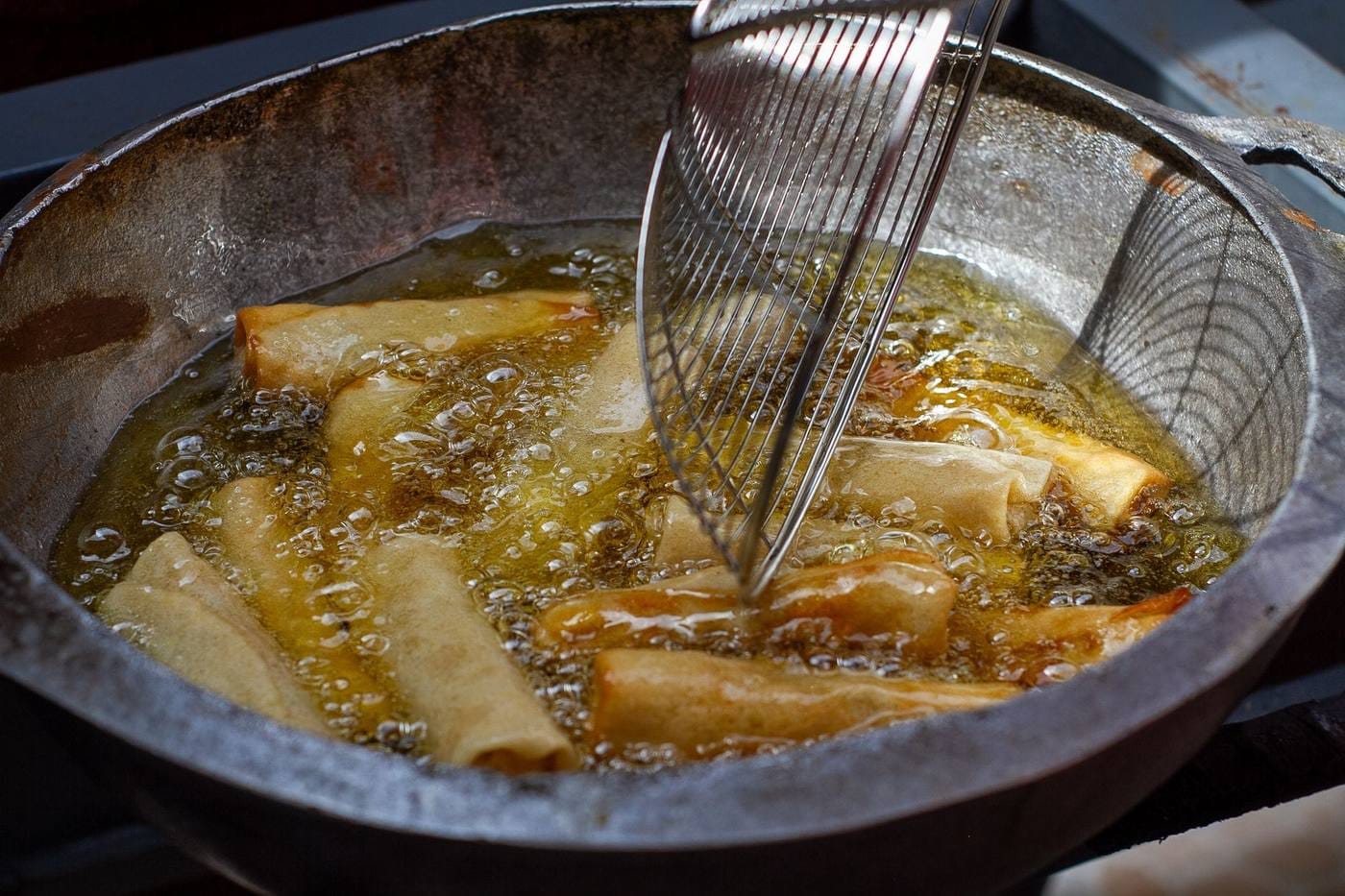
SaveDeep-frying is the task olive oil struggles with most, at least on paper. Its smoke point is lower than many vegetable oils, which traditionally rules it out for immersion frying. Smoke point isn’t the whole story, though. Some evidence suggests olive oil is more stable under heat than several other oils, resisting breakdown better than its reputation implies.
Practically speaking, deep-frying eats through a lot of oil, so pouring an expensive extra virgin into the fryer rarely makes sense. A budget-friendly, sturdy vegetable oil like mustard oil is the pragmatic pick for big-batch frying, letting you save the good olive oil for finishing and dressing.
Frequently Asked Questions
Can I use vegetable oil instead of olive oil?
In many recipes, yes. For baking and deep-frying, vegetable oil is often the better fit thanks to its neutral flavor and higher smoke point. For dressings and marinades where you want olive oil’s taste and nutrients, the swap changes the result.
Is olive oil healthier than vegetable oil?
Generally, olive oil comes out ahead because it’s rich in monounsaturated fat and antioxidants and undergoes little processing. Still, some vegetable oils, like sunflower, are reasonable, everyday options. All oils are calorie-dense, so moderation matters more than the label.
Is olive oil actually a vegetable oil?
Technically, yes. Olive oil is pressed from a plant, so it falls under the vegetable-oil umbrella. It simply stands apart in flavor, processing, and fat profile.
The Bottom Line
There’s no single oil that wins every round. Olive oil, especially extra virgin, is the standout for cold uses like dressings and marinades, and its heart-friendly fats and antioxidants give it a nutritional edge. Vegetable oils earn their keep where a neutral taste and higher heat tolerance count, namely baking and deep-frying. Keep both within reach, match the oil to the task, and pour with restraint, since even the healthiest fat is easy to overdo. Building meals around that kind of small, steady swap is a big part of what eating well actually changes over time.
This article is for general information only and is not a substitute for professional medical advice. Talk to a qualified healthcare provider or registered dietitian before making significant changes to your diet, especially if you have an existing health condition.
Related Articles
How to Eat a Balanced Diet Without Counting Every Calorie
31 Diet Recipes for Weight Loss That Actually Taste Good
Light Food Recipes That Fill You Up Without Weighing You Down
What Actually Happens to Your Body When You Start Eating Healthy