

Home remedies for gas during pregnancy that follow ACOG and NIDDK advice: what causes the bloating, which habits help, which herbal teas are considered safe, and the warning signs that need a call to your doctor. Outside pregnancy, what the trials found for bloating points at a short walk after meals rather than at the supplement shelf.
Gas and bloating are among the most common complaints in pregnancy. The main reason is hormonal: higher hormone levels slow the digestive system, which leads to constipation and a bloated, full feeling (1).
The good news is that most of what helps is simple. This guide covers home remedies for gas during pregnancy based on guidance from the American College of Obstetricians and Gynecologists (ACOG) and the National Institute of Diabetes and Digestive and Kidney Diseases (NIDDK), plus the symptoms that mean you should call your provider.
Key Takeaways
- Pregnancy hormones slow digestion, which causes constipation and bloating (1).
- Swallowing less air helps: eat slowly, skip gum, hard candy and fizzy drinks (2, 3).
- Add fiber and fluids gradually for constipation, since constipation feeds the bloated feeling (1).
- Aim for about 150 minutes of moderate activity a week, and avoid lying flat on your back (4).
- Peppermint tea appears safe and food amounts are likely safe in pregnancy, but check with your provider before regular medicinal use (5).
Why Gas Happens in Pregnancy
Gas enters the digestive tract in two ways: you swallow air, and bacteria in the large intestine break down carbohydrates that were not digested (2). Pregnancy adds a third factor, because higher hormone levels slow the digestive system and commonly cause constipation (1).
| What adds gas | Why | What helps |
|---|---|---|
| Swallowed air | You swallow more air when you chew gum, suck hard candy, drink fizzy drinks, eat or drink too fast, or smoke (2) | Eat slowly, skip gum and fizzy drinks (3) |
| Gut bacteria breaking down carbohydrates | Bacteria in the large intestine ferment undigested carbohydrates (2) | Note which foods affect you; common ones are beans, peas, lentils, high-fiber foods, fructose, lactose and sugar-free sweeteners ending in -ol (3) |
| Pregnancy hormones | Higher hormone levels slow the digestive system, which causes constipation and bloating (1) | Fiber and fluids for constipation, added gradually (1) |
| Constipation | Slower transit means more time for fermentation and pressure | Fiber-rich foods, fluids and gentle activity (1, 4) |
If constipation is the bigger problem, see our guide to constipation in pregnancy, since easing it usually eases the gas as well.
1. Swallow Less Air
 Save
SaveThis is the change most people underestimate. According to NIDDK, you swallow more air when you chew gum, suck on hard candy, drink carbonated drinks, eat or drink too fast, or smoke (2). Cutting those back is free and often noticeable within days (3).
Practical version: sit down for meals, eat slowly, put the fork down between bites, and choose still water over fizzy drinks.
2. Get Fiber and Fluids Right
ACOG lists not eating enough fiber and not drinking enough water among the common causes of constipation, and notes that pregnancy hormones make constipation more likely (1).
The catch is that fiber can also produce gas, because gut bacteria ferment it (2). So increase fiber gradually rather than all at once, and drink enough fluid alongside it. Our list of high-fiber foods can help you plan.
If certain foods clearly make it worse, NIDDK notes common culprits: beans, peas and lentils, high-fiber foods, foods high in fructose or lactose, and sugar-free products with sweeteners ending in “-ol” (3). A structured approach such as the low FODMAP diet exists for this, but it is restrictive, so discuss it with your provider before trying it in pregnancy.
3. Eat Smaller, More Frequent Meals
NIDDK notes that doctors may suggest eating smaller, more frequent meals and consuming less of the foods that increase your gas symptoms (3). Smaller meals are also easier on heartburn, which often shows up alongside bloating in later pregnancy.
4. Stay Gently Active
Movement supports digestion and helps with constipation. ACOG recommends that pregnant women get at least 150 minutes of moderate-intensity aerobic activity a week, such as brisk walking (4).
Two safety points from ACOG (4):
- Avoid standing still or lying flat on your back as much as possible, because the uterus presses on a large vein returning blood to the heart.
- Stop and call your obstetrician if you have vaginal bleeding, dizziness or faintness, shortness of breath before starting exercise, chest pain, headache, muscle weakness, calf pain or swelling, contractions, fluid leaking, or decreased fetal movement.
A short walk after meals is the easiest place to start. If lying down is more comfortable, lying on your side is preferable to lying flat on your back (4).
5. Herbal Teas, With Care
 Save
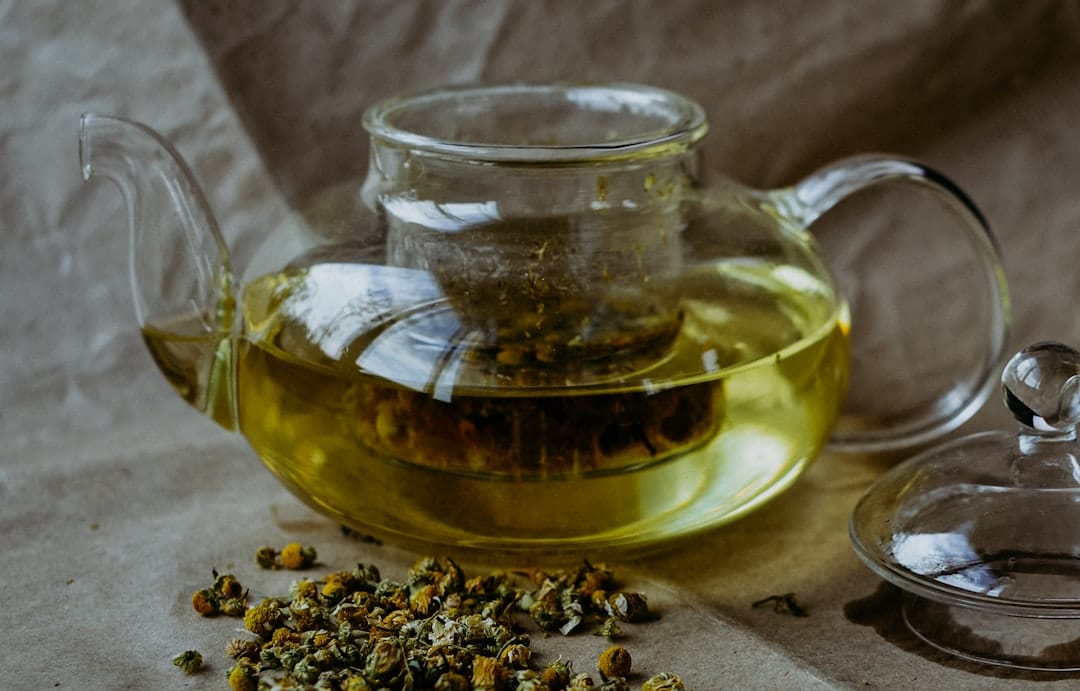
SaveHerbal teas are popular for digestion in pregnancy, and the safety information is more nuanced than most articles suggest:
- Peppermint. Peppermint tea appears to be safe, and oral peppermint in amounts commonly found in food is likely safe during pregnancy. Little is known about medicinal amounts in pregnancy. Peppermint oil taken orally can cause heartburn, nausea and abdominal pain (5).
- Ginger. Research suggests ginger may help with nausea and vomiting in pregnancy. Side effects can include abdominal discomfort, heartburn and diarrhea (6).
- Other herbal teas. Safety data in pregnancy is limited for many herbs, so ask your obstetrician which ones are fine for you, and keep amounts modest.
Our guide to fennel tea covers another traditional digestive tea, with the same advice to clear it with your provider first.
6. Ask Before Using Anti-Gas Medicines
For gas in general, doctors may recommend over-the-counter medicines or supplements depending on the cause (3). In pregnancy, do not start any medicine or supplement, including antacids and anti-gas products, without checking with your obstetrician first.
When to Call Your Doctor
Gas is common in pregnancy, but abdominal pain has other possible causes. Contact your provider if:
- Pain keeps getting worse or does not settle
- You have severe nausea or vomiting
- You notice blood in your stool
- You are severely constipated
- You think you may be having contractions
- You are not sure whether it is gas or something else
NIDDK also advises talking to a doctor when gas symptoms bother you, change suddenly, or come with other symptoms such as abdominal pain, constipation, diarrhea or weight loss (2). During pregnancy, it is always reasonable to call rather than wait.
Frequently Asked Questions
Why is gas worse during pregnancy?
Higher hormone levels slow the digestive system during pregnancy, which commonly causes constipation and bloating. On top of that, everyone swallows air while eating and drinking, and gut bacteria produce gas when they break down carbohydrates.
Is peppermint tea safe during pregnancy?
Peppermint tea appears to be safe, and peppermint in the amounts found in food is likely safe during pregnancy. Little is known about medicinal amounts of oral peppermint in pregnancy, and peppermint oil can cause heartburn, so check with your obstetrician before using it regularly.
Can I drink ginger tea for gas while pregnant?
Ginger has been studied mainly for nausea and vomiting in pregnancy, where research suggests it may help. It can cause heartburn, diarrhea and abdominal discomfort in some people. Ask your obstetrician about amounts that are right for you.
Does walking help gas during pregnancy?
Gentle activity helps digestion and constipation, which often drive the bloated feeling. ACOG advises about 150 minutes of moderate activity a week in pregnancy, avoiding lying flat on your back and stopping if you have warning signs such as bleeding, dizziness or contractions.
When should I call my doctor about pregnancy gas?
Call if pain keeps getting worse or does not ease, if you have vomiting, blood in your stool, severe constipation, or what may be contractions, or if you are not sure whether it is gas or something else. Gas is common, but abdominal pain in pregnancy has other possible causes.
The Bottom Line
Gas during pregnancy is mostly the result of hormones slowing digestion, air you swallow while eating, and normal fermentation in the gut. The remedies that help are unglamorous: eat slowly and in smaller meals, skip gum and fizzy drinks, build fiber and fluids up gradually, and stay gently active within ACOG’s exercise advice. Peppermint and ginger teas are reasonable options to discuss with your provider. Call your obstetrician if pain worsens, you vomit, you see blood in your stool, or you are unsure what you are feeling.
This article is for informational purposes only and is not a substitute for professional medical advice. Always talk with your obstetrician or midwife before starting new remedies, supplements or medicines during pregnancy.
Related Articles
Constipation During Pregnancy: Home Remedies That Help
High Fiber Foods List and How Much Fiber You Need
Fennel Tea Benefits: Evidence for Gas, and the Estragole Risk
FODMAP Diet: The 3 Steps and the List Errors