

Fennel tea benefits examined: what research shows for gas, bloating, IBS and colic, why weight loss and cholesterol trials came up empty, and safety advice for children and breastfeeding.
Fennel tea is made by steeping the crushed or whole seeds (dried fruits) of Foeniculum vulgare, an aromatic plant in the carrot family, in hot water. It has a mild, sweet, anise-like flavor. Fennel has a long history of traditional use for digestive complaints and as a galactagogue, a substance believed to increase breast milk (13).
The most credible fennel tea benefits are digestive, but much of the research used fennel oil or capsules rather than the tea. Human trials found no effect on weight or cholesterol (10, 11), and fennel contains estragole, a compound that makes risk assessors cautious about longer use in children (7).
Key Takeaways
- Fennel is among the plants with substantial data supporting digestion-enhancing activity, and it has long been used for flatulence (2, 3).
- A capsule of fennel essential oil plus curcumin improved IBS symptoms more than placebo over 30 days (4).
- Fennel did not reduce weight or BMI in a 12-week trial, and did not significantly change lipids in another (10, 11).
- Estragole in fennel tea is a low priority concern for adults; for children, a risk assessment found short use of one to two weeks avoids concern (7).
- Avoid fennel if you are allergic to plants in the carrot family, and talk to a doctor before using it while breastfeeding or for a baby (1).
What Is Fennel Tea?
 Save
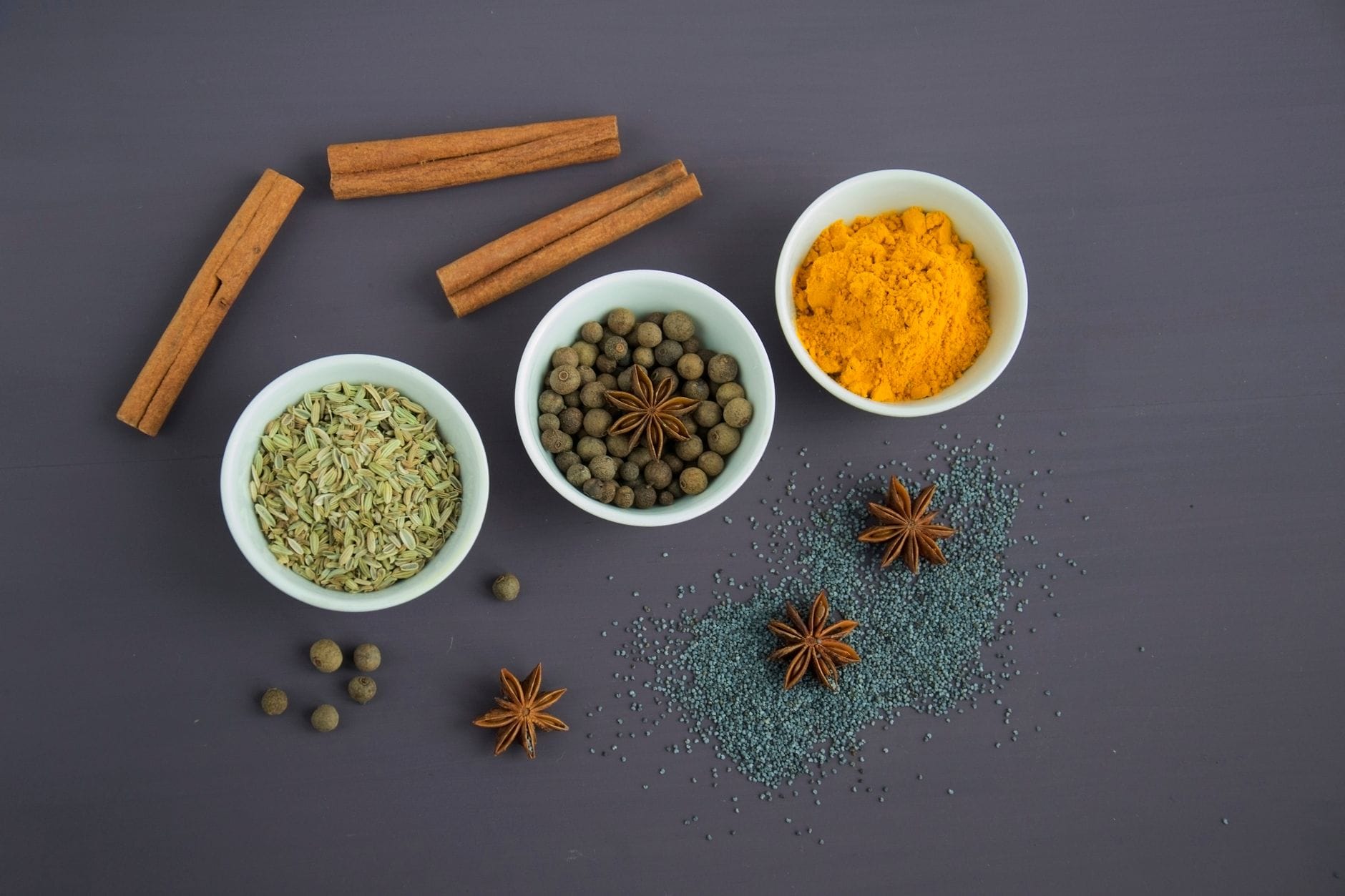
SaveFennel seeds contain volatile oils, mainly anethole, along with estragole (1, 15). Extracts of different parts of the fennel plant show antioxidant activity in laboratory tests (14), and fennel oil components have anti-inflammatory effects on immune cells in vitro (15). A review of fennel describes a wide range of properties in laboratory and animal studies, but these do not show that drinking the tea produces the same effects in people (13).
Claims that fennel tea is loaded with vitamins A, C and D are not realistic for a drink made by steeping a teaspoon or two of seeds in water.
Fennel Tea Benefits: What the Evidence Shows
| Claim | What was studied | Evidence |
|---|---|---|
| Gas and digestion (2, 3) | Reviews of traditional use and experimental studies | Plausible; few trials of the tea itself |
| Irritable bowel syndrome (4) | Curcumin plus fennel oil capsules vs placebo in 121 adults for 30 days | Positive, but a combination product; two authors from a pharmaceutical company |
| Infant colic (5, 6) | Fennel seed oil emulsion vs placebo in 125 infants; small tea studies | Positive but limited; safety concerns for infants |
| Weight loss (10, 12) | Fennel capsules in 47 overweight postmenopausal women for 12 weeks; rat feeding study | No effect on weight or BMI in people |
| Cholesterol (11) | Randomized trial in 60 women | No significant difference in lipids |
| Breast milk supply (1) | Two small studies | Weak and inconsistent |
| Heart, eyes, immunity, PCOS | No reliable human studies of fennel tea | Not supported |
Gas, bloating and indigestion
A review of plants that aid digestion in the British Journal of Nutrition placed fennel among the herbs with substantial data supporting digestion-enhancing activity (2). In traditional Persian medicine, fennel was one of the herbs used for flatulence, and a review found that the anti-flatulent effects of several such herbs have been verified experimentally (3). Well-controlled trials of fennel tea for bloating in adults are still lacking. If the gas is foul-smelling rather than simply uncomfortable, see our guide to how to get rid of sulfur burps. If your main problem is loose stools, see our guide to home remedies for diarrhea.
Irritable bowel syndrome
In a randomized trial of 121 adults with mild to moderate IBS, capsules combining curcumin and fennel essential oil for 30 days reduced symptom scores by about 50%, compared with 26% on placebo, and more people became symptom-free (4). The product combined two ingredients, two authors were employed by a pharmaceutical company (Alfa Wassermann), and the trial did not test fennel tea.
Infant colic
In a placebo-controlled trial of 125 infants aged 2 to 12 weeks, a fennel seed oil emulsion eliminated colic in 65% of infants compared with 24% on placebo (5). A later review found reductions in crying time in two studies of fennel oil or tea and in studies of herbal mixtures containing fennel, but noted that pediatric trials are very limited (6). Because of estragole exposure and case reports of harm, do not give fennel tea to a baby without a pediatrician’s advice (1, 7, 9).
Weight loss and cholesterol
In a 12-week randomized trial in 47 overweight postmenopausal women, fennel capsules did not change weight or BMI compared with placebo; the capsules were supplied by a herbal company (10). A randomized trial in 60 women found no significant difference in blood lipids (11). Rats fed a diet containing 10% fennel seed ate less and gained less weight (12), an amount far beyond a cup of tea. For lasting results, the effects of healthy eating matter more than any single drink.
Heart, eyes, immunity and hormones
Claims that fennel tea protects the heart, prevents glaucoma or cataracts, boosts immunity or treats hormonal conditions are not supported by human studies of the tea. Fennel does contain phytoestrogen compounds, which is a reason for caution rather than a proven benefit (1, 9).
Breast milk supply
Two small studies found that fennel increased some breast milk parameters, without increasing prolactin (1). This is weak evidence, and the safety concerns below apply to breastfeeding parents and their babies.
How to Make Fennel Tea
 Save
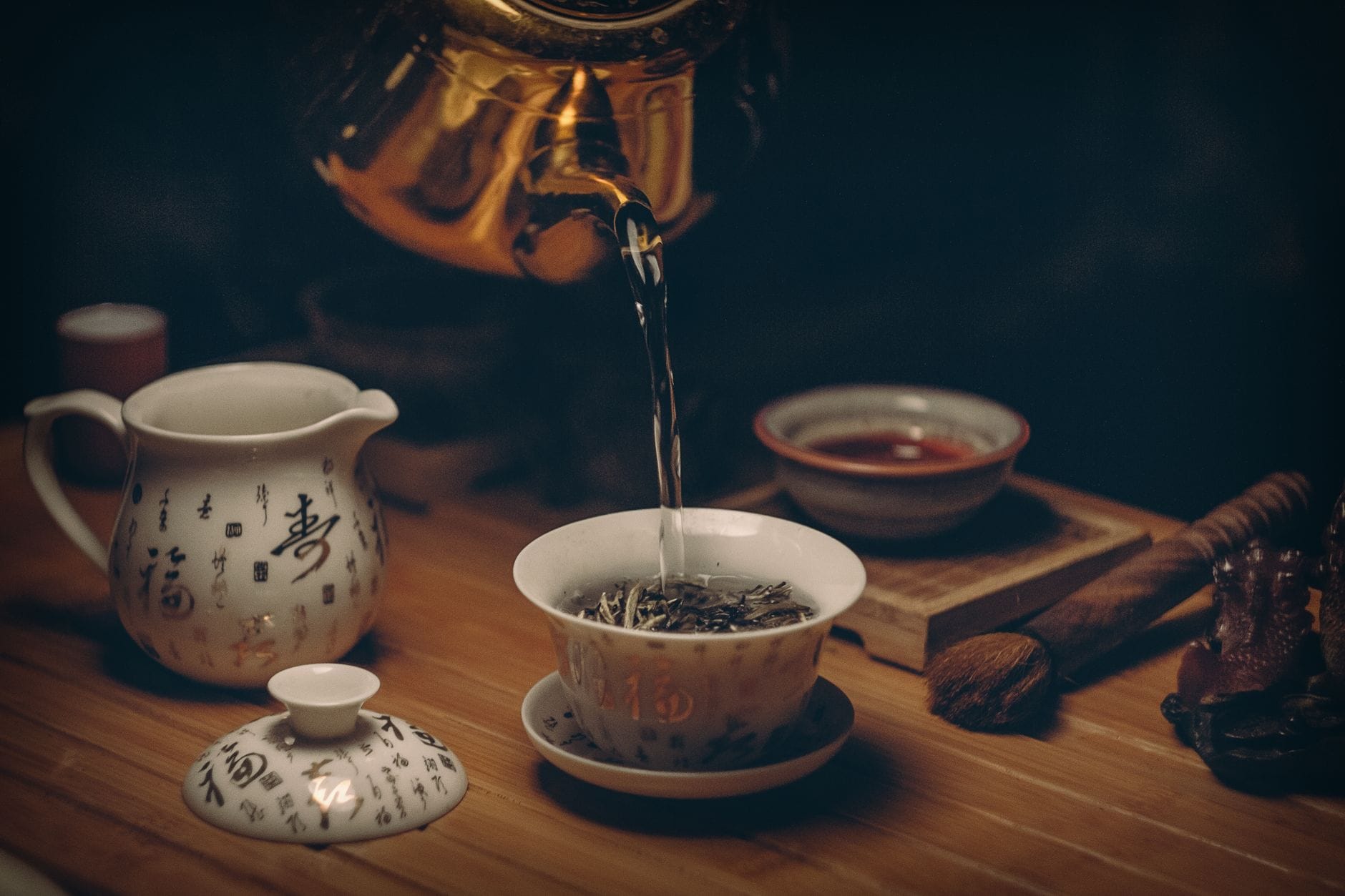
Save- Lightly crush one to two teaspoons of fennel seeds, or use them whole.
- Pour a cup of just-boiled water over the seeds, cover and steep for about 10 minutes.
- Strain and drink plain, or add a little lemon.
Whole-fruit infusions released about three times less estragole than fine-cut fennel in one analysis (7). Cumin is another seed traditionally used for digestion; see our article on cumin (jeera). For another warm drink, read about turmeric milk.
Safety and Side Effects
- Estragole: fennel teas contain estragole. A safety assessment that compared estimated intake from 1 to 3 cups a day with tumour data from animal studies found a low priority for concern in adults. For children, exposure was generally a priority for risk management, but not when use was limited to one to two weeks (7). In fennel teas sold in Austria, some products gave exposures indicating a potential health risk, although these teas are generally used only for short periods (8).
- Babies and children: a 12-month-old developed premature breast development after drinking fennel tea for 6 months; it went away after the tea was stopped (9).
- Breastfeeding: fennel’s anethole passes into breast milk, and two newborns developed toxicity after their mother drank large amounts of an herbal tea containing fennel and anise (1).
- Allergy: allergic reactions and sensitivity to sunlight have been reported. Avoid fennel if you are allergic to other plants in the same family, such as carrot or celery (1).
- Duration: some sources recommend limiting fennel use to 2 weeks (1).
Fennel is generally recognized as safe as a food ingredient in the US (1). If you are pregnant, have a hormone-sensitive condition or take medicines, ask your doctor before drinking fennel tea regularly.
Frequently Asked Questions
What are the benefits of fennel tea?
Fennel is traditionally used for gas, bloating and indigestion, and reviews list it among the plants with substantial supporting data for digestion. A capsule combining fennel oil with curcumin eased IBS symptoms in a trial. Human trials found no effect of fennel on weight or cholesterol, and heart, eye and immune claims have not been tested in people.
Does fennel tea help you lose weight?
The evidence says no. In a 12-week randomized trial in 47 overweight postmenopausal women, fennel capsules did not change weight or BMI compared with placebo. Reduced food intake and weight gain were seen in rats fed a diet containing 10% fennel seed, which is not comparable to drinking tea.
Is it safe to drink fennel tea every day?
Fennel is generally recognized as safe as a food ingredient. Fennel tea contains estragole. A risk assessment found a low priority for concern in adults, but exposure in children was only of no priority when use was limited to one to two weeks. Fennel teas are generally used for short periods, so occasional rather than long-term daily use is the cautious choice.
Can I give fennel tea to a baby for colic?
Talk to a pediatrician first. Fennel seed oil reduced colic in one trial, but a toddler developed early breast development after months of fennel tea, and two newborns developed toxicity when their mother drank large amounts of an herbal tea containing fennel and anise. Estragole exposure is also a concern for young children.
Does fennel tea increase breast milk?
Evidence is weak. Two small studies found some milk parameters increased, without a rise in prolactin. Fennel’s anethole passes into breast milk, and excessive maternal use of a fennel and anise tea was linked to toxicity in two breastfed newborns, so breastfeeding parents should talk to a doctor or lactation consultant first.
The Bottom Line
Fennel tea is a pleasant traditional drink with a reasonable basis for easing gas and indigestion, although most trials used fennel oil or capsules rather than tea. A curcumin and fennel oil product helped IBS, and fennel oil reduced infant colic in one trial, but fennel did not help weight or cholesterol in human studies, and claims about the heart, eyes and immunity are unsupported. Enjoy it occasionally, keep use short, avoid it if you are allergic to carrot-family plants, and talk to a doctor before giving it to children or using it while breastfeeding.
This article is for informational purposes only and is not a substitute for professional medical advice, diagnosis, or treatment. Always consult a qualified healthcare provider before using herbal remedies, especially if you are pregnant, nursing, taking medication, or managing a health condition.
Related Articles
Turmeric Drug Interactions: What to Check First
Cumin (Jeera) Benefits, Uses, and Side Effects
Home Remedies for Diarrhea That Actually Help
Turmeric Milk Benefits: What Research Shows and Liver Risks
Positive Effects of Healthy Eating: What Research Shows
Home Remedies for Gas During Pregnancy: What Actually Helps