
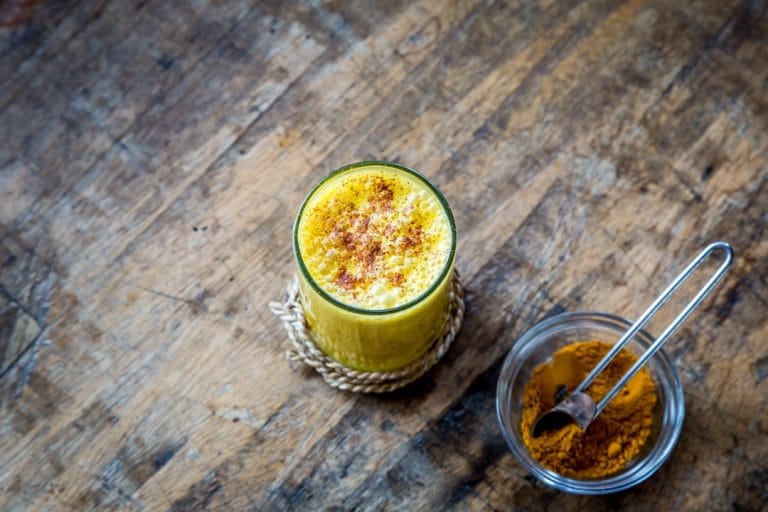
A golden milk recipe that works, and an honest look at what turmeric milk does and does not do. Also called haldi doodh or a turmeric latte.
Turmeric milk, often called golden milk, is warm milk mixed with ground turmeric and often ginger, cinnamon and black pepper. Turmeric has been used in Ayurvedic, Chinese and other traditional medicine for indigestion, colds, skin infections, arthritis and liver problems (1).
Many turmeric milk benefits claimed online are based on curcumin, the yellow compound in turmeric. According to the NIH, there isn’t enough evidence to definitively conclude that turmeric or curcumin is beneficial for any health purpose, though initial evidence for knee osteoarthritis is positive (1). The drink itself has not been studied, and highly absorbable curcumin products carry a risk of liver injury (1, 2).
Key Takeaways
- Curcumin has anti-inflammatory activity in lab studies, and small human trials suggest it is well tolerated (4).
- Initial evidence suggests oral turmeric or curcumin supplements may ease knee osteoarthritis pain (1).
- Curcumin is poorly absorbed on its own; piperine in black pepper greatly increases absorption (3).
- Highly bioavailable curcumin products have been linked to liver injury (1, 2).
- Skin, brain, weight loss and cancer claims are not supported by human studies of turmeric milk (7).
What Is Turmeric Milk?
 Save
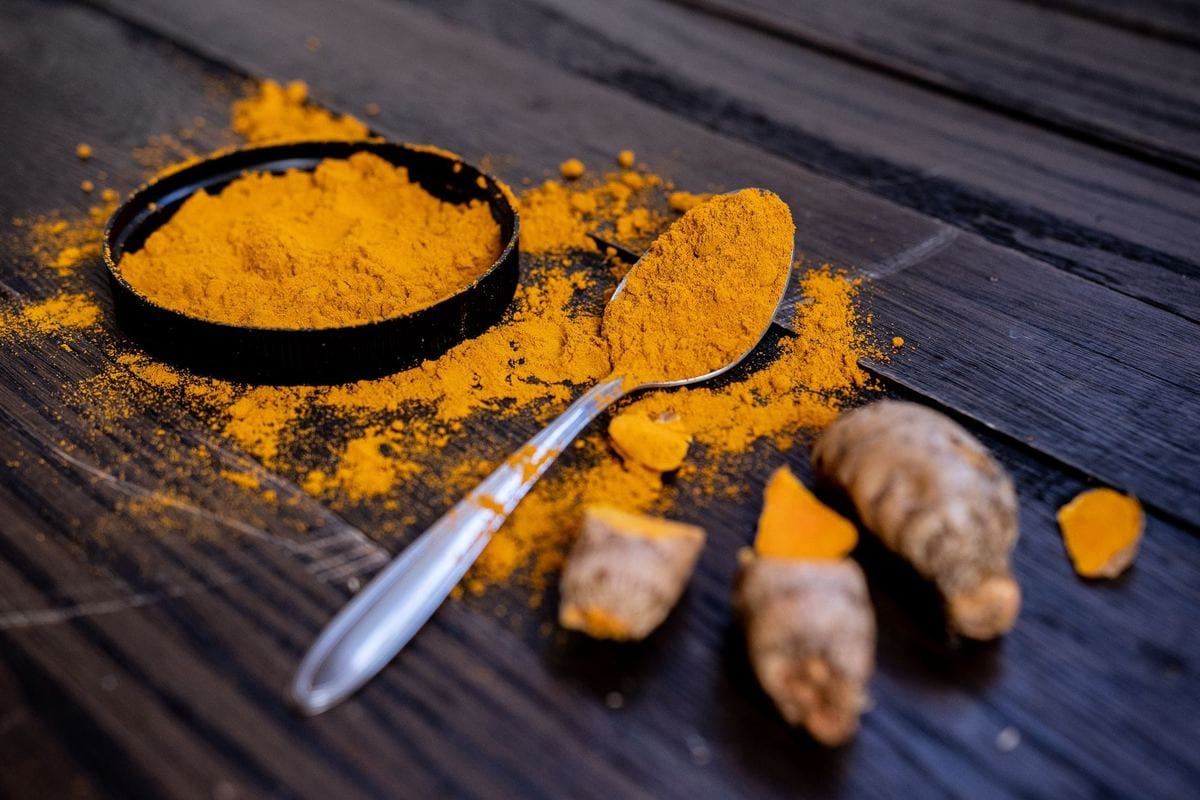
SaveTurmeric is a plant in the ginger family, and its underground stem is dried and ground into the familiar yellow spice. Curcumin is a major component of turmeric and gives it its color (1).
Curcumin itself is poorly absorbed, quickly metabolized and rapidly eliminated, so eating curcumin alone may not produce the benefits seen in studies. Piperine, the main active component of black pepper, has been reported to increase curcumin’s bioavailability by 2000% when combined in a complex (3). That review’s authors work in nutrition consulting and contract research.
Turmeric Milk Benefits: What the Evidence Shows
| Claim | What was studied | Evidence |
|---|---|---|
| Knee osteoarthritis pain (1) | Oral turmeric or curcumin supplements, several meta-analyses | Initial evidence positive; higher-quality studies needed |
| Rheumatoid arthritis (5) | 500 mg curcumin capsules vs diclofenac in 45 patients | Small pilot trial |
| Ginger for knee pain (6) | Concentrated ginger extract in 261 people with knee osteoarthritis | Moderate effect; more stomach side effects |
| Anti-inflammatory action (4) | Lab studies of inflammatory molecules; small human trials | Plausible, not proven for the drink |
| Cancer (7) | Cell and animal studies | Not shown in people |
| Skin, brain, weight | No reliable human studies of turmeric milk | Not supported |
Joint pain and inflammation
Laboratory studies show that curcumin inhibits many molecules involved in inflammation, including COX-2, prostaglandins, TNF and others. Human trials using 1,125 to 8,000 mg of curcumin a day found it safe in the short term and showed some evidence of anti-inflammatory activity (4).
Several meta-analyses of oral turmeric or curcumin supplements for knee osteoarthritis show positive initial results for pain, stiffness and function, but higher-quality evidence is needed (1). In a small pilot trial of 45 people with active rheumatoid arthritis, 500 mg of curcumin a day improved disease activity scores more than the anti-inflammatory drug diclofenac (5). These studies used concentrated capsules, far more curcumin than a cup of turmeric milk provides. For eating patterns that support joints, see our arthritis diet guide.
Ginger and cinnamon
Ginger is a common addition to golden milk. In a trial of 261 people with knee osteoarthritis, a concentrated ginger extract reduced knee pain moderately more than placebo, but caused more mild stomach side effects (6). There is no reliable human evidence that the cinnamon in turmeric milk improves collagen, memory or brain health.
Cancer
Curcumin has been shown to affect many cell signaling pathways involved in cancer in laboratory research (7), and it has antibacterial, antiviral and antifungal activity in lab studies (8). These findings come from cells and animals. Turmeric milk has not been shown to prevent or treat cancer, and anyone with cancer should talk to their oncology team before using turmeric supplements.
Skin, brain and weight
Claims that turmeric milk lightens skin, reduces wrinkles, protects against depression or Alzheimer’s disease, or burns fat are not supported by human studies of the drink. For overall health, a balanced diet does far more than any single beverage.
Golden Milk Recipe: How to Make Turmeric Milk
If you have been searching for how to make golden milk, for a turmeric with milk recipe, or for haldi doodh, those are three names for the drink below.
The drink goes by several names — golden milk in most of the English-speaking world, haldi doodh in India, and turmeric latte on café menus. Same thing, one cup:
- 1 cup milk, dairy or an unsweetened plant milk.
- ½ teaspoon ground turmeric.
- A pinch of black pepper, no more. Piperine sharply increases how much curcumin is absorbed, which is the point — but keep it to a culinary pinch rather than a supplement dose (3).
- Optional: ¼ teaspoon cinnamon, a little grated fresh ginger, a few drops of vanilla.
- Warm gently for 3 to 5 minutes, whisking so the turmeric does not settle. Do not boil hard.
- Sweeten minimally if at all; honey after it has cooled slightly, or nothing.
Turmeric stains. Use a whisk you do not mind colouring, and rinse the pan straight away.
For other warm drinks, see our article on fennel tea.
A word about drinking it at night. Turmeric milk is traditionally drunk warm before bed, and it is sold that way too — often with claims about deeper sleep printed on the packet. Nothing in the evidence above supports that: none of the trials cited on this page measured sleep at all. Warm milk at bedtime may well suit you as a habit. That is a different claim from a demonstrated effect.
Safety and Side Effects
- Liver injury: liver damage has been reported in people using curcumin products with increased bioavailability (1). LiverTox classifies turmeric as a well-documented cause of clinically apparent liver injury, estimated at 1 in 10,000 to 1 in 100,000 people exposed, with rare cases also reported from ground turmeric powder and turmeric teas (2).
- Warning signs: stop using turmeric or curcumin products and see a doctor if you notice fatigue, nausea, poor appetite, dark urine or jaundice (1).
- Stomach effects: oral turmeric can cause nausea, vomiting, acid reflux, stomach upset, diarrhea or constipation (1).
- Pregnancy and breastfeeding: turmeric supplements may be unsafe during pregnancy, and little is known about amounts above food levels while breastfeeding (1).
- Medications: talk to your doctor before using herbal products if you take any medicine (1).
Conventionally formulated turmeric or curcumin, not modified for extra absorption, is likely safe in recommended amounts for up to 2 or 3 months (1).
Frequently Asked Questions
How do you make golden milk?
Warm one cup of milk or unsweetened plant milk, whisk in half a teaspoon of ground turmeric and a pinch of black pepper, and add cinnamon or fresh ginger if you like. Heat gently for three to five minutes without letting it boil hard, whisking so the turmeric stays suspended. The black pepper is not optional in spirit: piperine substantially increases curcumin absorption, which is why the two are traditionally used together. Keep it to a culinary pinch.
Is golden milk the same as haldi doodh and turmeric latte?
Yes. Golden milk, haldi doodh and turmeric latte are three names for the same drink: milk warmed with turmeric, usually with black pepper and often with ginger or cinnamon. Haldi doodh is the Hindi name and the oldest usage; turmeric latte is the café version, which is often sweeter than the traditional one.
What are the benefits of turmeric milk?
Turmeric milk is a comforting drink, and curcumin in turmeric has anti-inflammatory activity in lab studies. The best human evidence is for turmeric or curcumin supplements easing knee osteoarthritis pain, but the NIH says there isn’t enough evidence to definitively conclude that turmeric or curcumin is beneficial for any health purpose. The small amount in a cup of milk has not been tested.
Should I add black pepper to turmeric milk?
Piperine in black pepper greatly increases how much curcumin the body absorbs. That is why it is added, but highly bioavailable curcumin supplements, including some with piperine, have been linked to liver injury. A pinch of pepper in a food-amount drink is different from concentrated supplements, but if you notice fatigue, nausea, dark urine or yellowing skin, stop and see a doctor.
Is turmeric milk safe to drink every day?
Turmeric in normal food amounts is generally considered safe. Supplements not modified for extra absorption are likely safe for up to 2 or 3 months. Turmeric can cause stomach upset, reflux, nausea or diarrhea in some people, and rare cases of liver injury have been reported even with turmeric powder and teas.
Can turmeric milk help arthritis?
It may help a little, but the drink itself has not been studied. Meta-analyses of oral turmeric or curcumin supplements for knee osteoarthritis show positive initial evidence, and a small pilot trial of 500 mg curcumin capsules in rheumatoid arthritis was encouraging. Do not stop prescribed arthritis medicine without talking to your doctor.
Who should avoid turmeric supplements?
Turmeric supplements may be unsafe during pregnancy, and little is known about amounts above food levels while breastfeeding. People with liver disease, those taking medications and anyone who develops liver symptoms should talk to a doctor before using concentrated turmeric or curcumin products.
The Bottom Line
Turmeric milk is a warm, traditional drink, and curcumin has real anti-inflammatory activity in the lab. The best human evidence is for concentrated turmeric or curcumin supplements easing knee osteoarthritis pain, not for the drink itself, and claims about skin, brain, weight and cancer are unsupported. Black pepper boosts curcumin absorption, but highly absorbable curcumin products have been linked to liver injury. Enjoy turmeric milk in food amounts, avoid concentrated supplements during pregnancy, and stop immediately if you notice signs of liver problems.
This article is for informational purposes only and is not a substitute for professional medical advice, diagnosis, or treatment. Always consult a qualified healthcare provider before making changes to your diet or supplements, especially if you have a medical condition or take medication.
Related Articles
Turmeric Drug Interactions: What to Check First
Arthritis Diet Guide | Best & Worst Foods for Joints
Balanced Diet Guide With the 5 Food Groups
Fennel Tea Benefits: Evidence for Gas, and the Estragole Risk
Positive Effects of Healthy Eating: What Research Shows
Strep Throat vs Sore Throat: Symptoms, Tests and Treatment
Ayurvedic Diet: Doshas, Six Tastes and What Evidence Says
Home Remedies for Goiter: What Is Safe and What Is Not
Health Benefits of Cardamom: What Trials Show
Patchouli Oil Benefits: What Is Actually Tested