
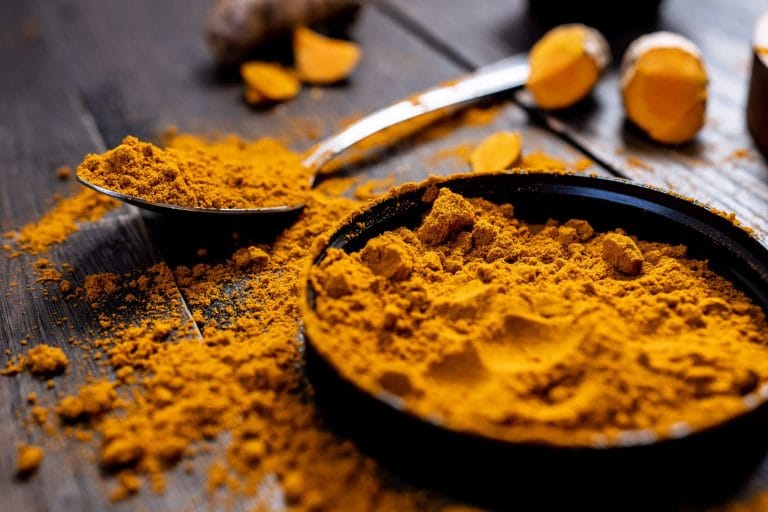
The Ayurvedic diet explained: the three doshas, the six tastes, its everyday eating rules, which parts have research behind them, and the serious safety warning about Ayurvedic supplements.
The Ayurvedic diet is an eating approach from the traditional medicine of the Indian subcontinent. It groups people into three constitutional types called doshas, Vata, Pitta and Kapha, and recommends foods intended to keep them in balance.
The dosha system is a traditional framework rather than a tested biological model: NCCIH notes that few clinical trials of Ayurvedic approaches have been published and there is little scientific evidence for most health claims (1). Its everyday habits, such as eating fresh whole foods and stopping when full, are on firmer ground. One more thing matters before you start: some Ayurvedic herbal products contain toxic metals (2).
Key Takeaways
- The diet is built on three doshas and the idea that food keeps them balanced (1).
- There is little scientific evidence for the dosha framework itself (1).
- Its practical habits, whole foods and portion awareness, are supported by mainstream research (5, 6).
- One small trial found Ayurvedic nutrition therapy helped IBS symptoms (4).
- Do not confuse food with supplements: 20.7% of Ayurvedic medicines sold online contained lead, mercury or arsenic (2).
The Three Doshas
 Save
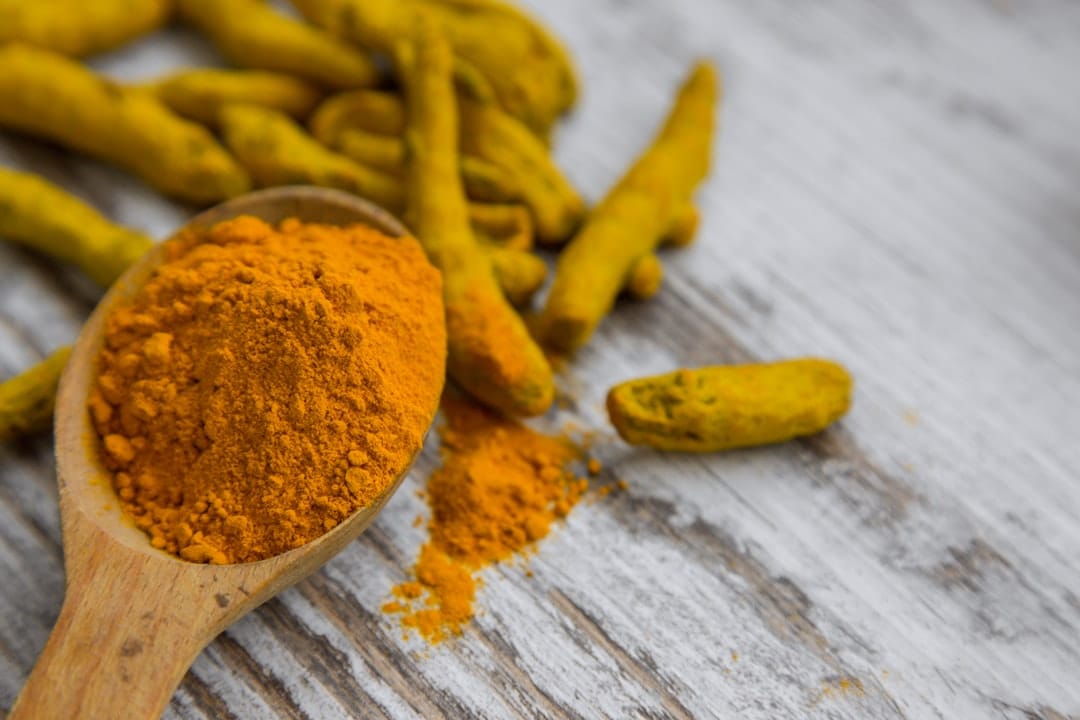
SaveIn Ayurveda, the body is described through five elements that combine into three energies, the doshas. Everyone is said to have all three, with one dominant, and food is used to keep them steady.
| Dosha | Elements | Described type | Foods traditionally recommended |
|---|---|---|---|
| Vata | Air and space | Light build, quick, changeable | Warm, cooked foods such as root vegetables, with spices like ginger and cinnamon |
| Pitta | Fire and water | Medium build, driven, sharp | Cooling foods such as cucumber, melon and leafy greens |
| Kapha | Earth and water | Solid build, calm, steady | Light, dry foods such as legumes, grains and citrus |
These are descriptions from a traditional system. Modern research has not shown that eating for your dosha changes health outcomes (1). A practitioner usually assesses your constitution rather than you choosing from a quiz.
The Six Tastes
 Save
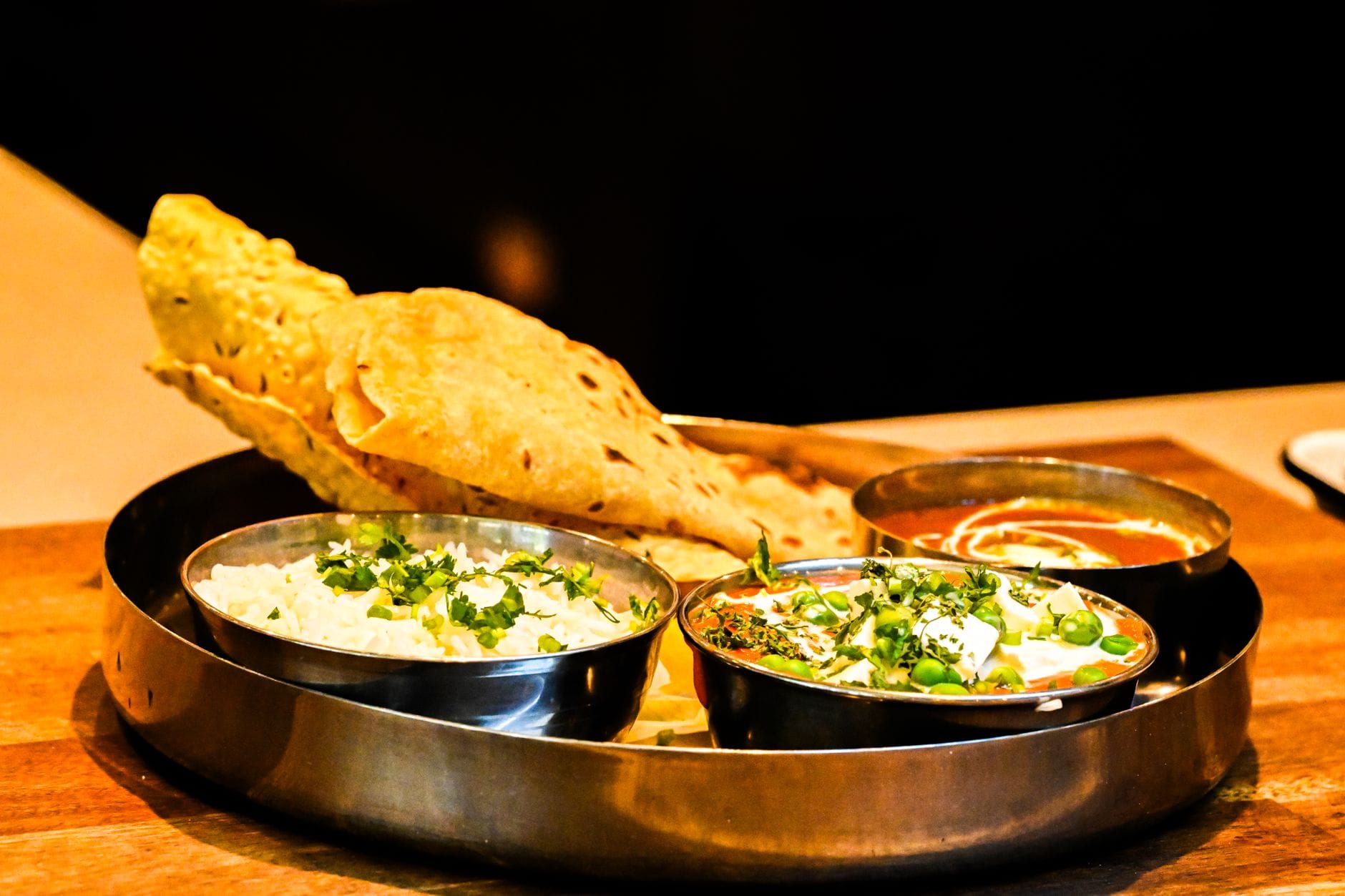
SaveAyurveda groups foods by six tastes: sweet, salty, sour, bitter, pungent and astringent, the dry puckering taste of foods such as green tea. A meal is considered complete when all six appear.
Whatever you make of the theory, aiming for all six pushes you toward variety, which usually means a wider range of foods and nutrients on the plate. Our vegetarian meal plan covers a similar variety-first approach.
The Everyday Rules
- Eat fresh, cooked food. Leftovers, heavily processed items and large amounts of raw food are traditionally considered harder to digest.
- Center the plate on plants. Many practitioners allow small amounts of chicken or fish.
- Eat three meals rather than grazing. This is a traditional recommendation; meal frequency has not been shown to matter much for health in research.
- Make lunch your largest meal and keep dinner lighter, eaten a few hours before bed.
- Stop when you feel full, rather than measuring portions. Portion size has a strong effect on how much people eat, so paying attention to it is genuinely useful (6).
- Use herbs and spices, such as those in turmeric milk, for flavor and warmth.
Much of this overlaps with what happens when you shift to whole, minimally processed food, and that overlap is probably where the measurable benefit lies (5).
What the Evidence Shows
| Part of the diet | What research shows | Verdict |
|---|---|---|
| The dosha system | NCCIH notes that only a small number of clinical trials of Ayurvedic approaches have been published, and there is little scientific evidence for most health claims (1) | Tradition, not tested biology |
| Ayurvedic nutrition therapy for IBS | In a randomized trial of 69 people, symptom scores improved on both Ayurvedic and conventional therapy including the low-FODMAP diet, with a larger drop in the Ayurvedic group (4) | Promising, one small trial |
| Whole, minimally processed foods | Whole-food plant-based eating patterns are effective for weight loss (5) | Well supported |
| Eating to fullness rather than measuring | Portion size strongly influences how much people eat, so portion awareness is a useful tool (6) | Supported |
| Ayurvedic herbal preparations | In a study of 193 products bought online, 20.7% contained detectable lead, mercury or arsenic (2) | Real safety risk |
The IBS trial is worth a closer look. Researchers randomized 69 people with irritable bowel syndrome to Ayurvedic nutrition therapy or conventional therapy including the low-FODMAP diet. After 3 months, symptom severity fell in both groups, and the reduction was larger in the Ayurvedic group. No serious side effects occurred (4). It was a small, single-center study, and several authors teach at Ayurveda academies, which they disclosed. If your main issue is gut symptoms, our guide to the low FODMAP diet covers the approach with the larger evidence base.
Safety: Ayurvedic Food vs Ayurvedic Supplements
Eating the foods is not the risky part. The concern is with Ayurvedic medicines and supplements.
- Researchers bought 193 Ayurvedic medicines online and found detectable lead, mercury or arsenic in 20.7% of them. Every metal-containing product exceeded at least one standard for acceptable daily intake (2).
- Products made using rasa shastra, which deliberately combines herbs with metals and minerals, had metals more often and at higher concentrations (2).
- Public health reports describe serious lead poisoning after using Ayurvedic medicines bought online, including a patient with severe anemia and a blood lead level far above the safe range (3).
- NCCIH advises that the US Food and Drug Administration warns the presence of metals in some Ayurvedic products makes them potentially harmful, and that people who are pregnant or nursing should consult a healthcare provider first (1).
Tell all of your healthcare providers about any Ayurvedic or other complementary approach you use (1).
Who It Suits and Who Should Be Careful
- May suit: people who want a structured push toward fresh, home-cooked meals, more plant foods and slower eating.
- Be careful: anyone with food allergies or intolerances, since traditional guidance does not account for them.
- Ask your doctor first: if you have diabetes, kidney disease or a gastrointestinal condition with a prescribed eating plan, or if you are pregnant or breastfeeding (1).
For a general framework without the dosha rules, a balanced diet covers the same ground.
Frequently Asked Questions
What is the Ayurvedic diet?
It is an eating approach from the Ayurvedic tradition of the Indian subcontinent. It sorts people into three constitutional types, called doshas (Vata, Pitta and Kapha), and recommends foods intended to keep them balanced. In practice it emphasizes fresh, cooked whole foods, all six tastes and mindful eating.
Is there scientific evidence for doshas?
No. NCCIH notes that only a small number of clinical trials of Ayurvedic approaches have been published, and there is little scientific evidence for most claims. The dosha framework is part of a traditional system rather than a tested biological model.
Does the Ayurvedic diet help with IBS?
Possibly. In a randomized trial of 69 people with IBS, symptoms improved on both Ayurvedic nutrition therapy and conventional therapy including the low-FODMAP diet. The Ayurvedic group improved more, but this was one small study and several authors teach Ayurveda courses.
Are Ayurvedic supplements safe?
Some are not. Analysis of 193 Ayurvedic medicines sold online found that 20.7% contained detectable lead, mercury or arsenic, and every metal-containing product exceeded at least one standard for safe daily intake. Cases of lead poisoning have been reported. The food side of Ayurveda does not carry this risk.
Do you have to be vegetarian on the Ayurvedic diet?
Not necessarily. The approach leans heavily on plant foods, while many practitioners allow small amounts of lean meat or fish. Most of the general guidance, such as eating fresh cooked food and stopping when full, works with either pattern.
The Bottom Line
The Ayurvedic diet asks you to eat fresh, cooked, mostly plant-based meals, include all six tastes and stop when you are full. Those habits line up with mainstream nutrition advice, and the whole-food, portion-aware parts have research behind them. The dosha framework itself is a tradition, not a proven biological model. Keep the food, be cautious about Ayurvedic supplements because of documented metal contamination, and check with your doctor if you have a health condition.
This article is for informational purposes only and is not a substitute for professional medical advice. Talk with a doctor or registered dietitian before changing your diet, and before taking any Ayurvedic supplement or herbal product.
Related Articles
Balanced Diet Guide With the 5 Food Groups
Vegetarian Diet Plan for Weight Loss: 7-Day Meal Plan
Turmeric Milk Benefits: What Research Shows and Liver Risks
Positive Effects of Healthy Eating: What Research Shows
FODMAP Diet: The 3 Steps and the List Errors