

The Budwig diet explained: what it involves, what Cancer Research UK and published reviews say about its cancer claims, flaxseed side effects, and why it should never replace cancer treatment.
The Budwig diet is an alternative diet created in the 1950s by German biochemist Johanna Budwig. It centers on flaxseed oil mixed with cottage cheese and milk. There is no scientific evidence that the Budwig diet treats or cures cancer, and no published clinical trials of the diet exist (1).
People with cancer sometimes try it because of claims made online. This guide explains what the diet involves, what the evidence shows and the real risks of relying on it.
Key Takeaways
- The Budwig diet combines flaxseed oil, cottage cheese and milk, and was developed in the 1950s (1).
- There is no scientific evidence that it treats or cures cancer, and no reputable cancer organization supports these claims (1).
- A review of 13 popular cancer diets, including Budwig’s, found no clinical evidence for any of them (2).
- Using alternative medicine alone for curable cancer was linked with 2.5 times the risk of death (3).
- Flaxseed can cause digestive side effects and may interact with blood-thinning medicines (1, 5).
What Is the Budwig Diet?
 Save
SaveJohanna Budwig believed that combining cottage cheese with flaxseed oil made the oil’s fats easier for the body to use. She also asked her patients to sunbathe and take walks in nature for 20 minutes a day. Some variations of the diet include coffee or water enemas (1).
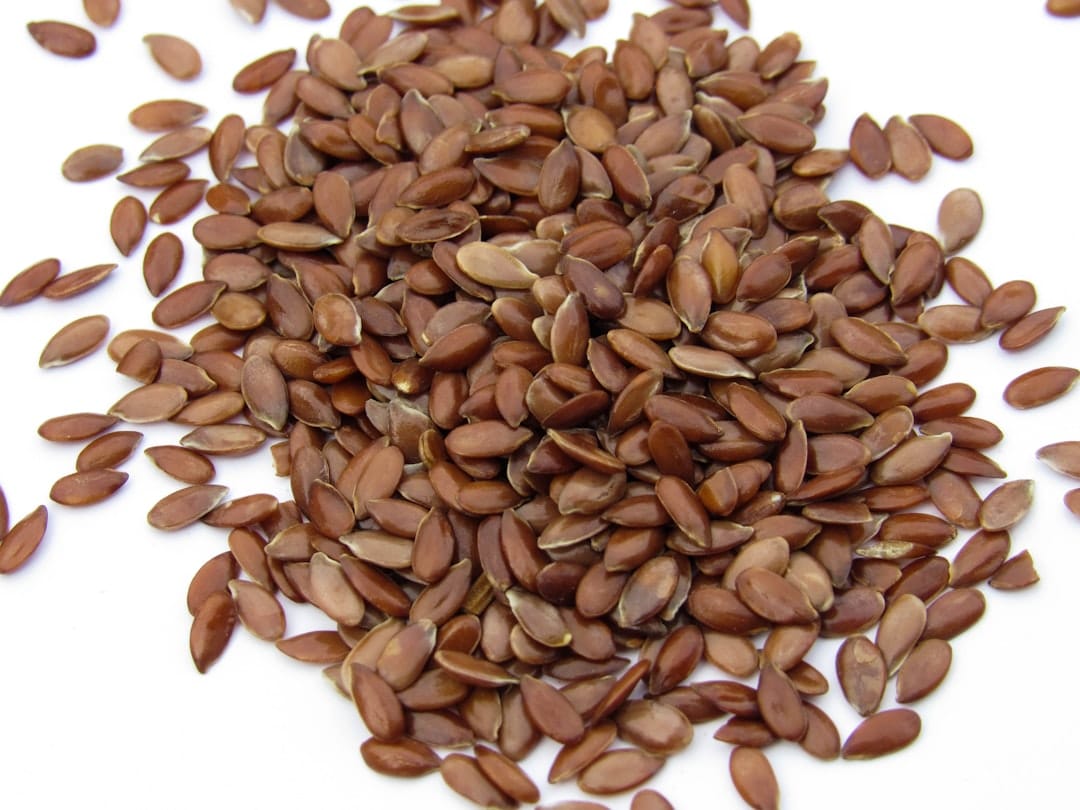
The core mixture is flaxseed oil blended with cottage cheese and some low-fat milk. It can be eaten as a muesli with ground or whole flax seeds, fruit, nuts and honey, and it is meant to be eaten within 20 minutes of making it (1).
Does the Budwig Diet Work for Cancer?
| Claim | What the evidence shows |
|---|---|
| The Budwig diet treats or cures cancer | No scientific evidence in people, and no published clinical trials of the diet in peer-reviewed journals (1) |
| Cancer diets in general help | A review of 13 popular cancer diets, including Budwig’s, found no clinical evidence supporting any of them (2) |
| Flaxseed fights cancer | Only early laboratory and animal research on flaxseed compounds; this has not been shown in people (1) |
| It is safe to use instead of treatment | People who used alternative medicine alone for curable cancers had 2.5 times the risk of death (3) |
According to Cancer Research UK, most research has looked at flaxseed rather than the Budwig diet, and it has mainly been laboratory work. Compounds in flaxseed have been tested on cancer cells and in animals, and lignans in flaxseed are being studied for hormone-dependent cancers. This is very early research and does not show the diet works in people (1).
A 2014 review simulated an internet search to find 13 popular cancer diets, including the Budwig diet, Gerson’s regime, alkaline diets and macrobiotics. The authors found no clinical evidence supporting any of them, and noted that some carry potential harm, including malnutrition (2).
The Real Danger: Replacing Cancer Treatment
The biggest risk of the Budwig diet is not the food itself but using it instead of proven treatment.
- A US study of patients with non-metastatic breast, prostate, lung or colorectal cancer found that those who chose alternative medicine as their only treatment had 2.5 times the risk of death compared with those who had conventional treatment. For breast cancer, the risk was 5.7 times higher (3).
- A second study found that patients using complementary medicine were far more likely to refuse surgery, chemotherapy, radiotherapy or hormone therapy. Their higher risk of death was explained by those refusals (4).
Cancer Research UK advises caution about paying for alternative cancer therapies promoted online, and warns that stopping cancer treatment for an unproven treatment could harm your health (1).
Side Effects and Who Should Avoid It
 Save
SavePossible side effects of flaxseed include (1):
- Frequent bowel movements, bloating and wind
- Constipation and stomach ache
- Allergic reactions, which have been reported rarely
- Bowel blockage if large amounts of flaxseed are taken without enough water
NCCIH notes that higher doses of flaxseed or flaxseed oil may cause bloating, fullness and diarrhea, and that flaxseed may interact with anticoagulant or antiplatelet drugs. Some studies suggest flaxseed may be unsafe in pregnancy, although the evidence is not conclusive (5).
Cancer Research UK says your doctor may advise against the Budwig diet if you have inflammatory bowel disease, diabetes or a bleeding disorder. Restricting food groups can also mean missing nutrients and losing weight, which matters during cancer treatment (1).
What Flaxseed Oil Does Provide
Flaxseed oil is one of the richest plant sources of alpha-linolenic acid (ALA), a type of omega-3 fat. One tablespoon of cold-pressed flaxseed oil contains about 7.3 g of ALA and about 120 calories (6). For comparison with fish-based omega-3s, see our guide to fish oil.
Whole or ground flax seeds also provide fiber. If you enjoy flaxseed, it can be part of a balanced diet, but eating it does not treat any disease.
Eating Well During Cancer Treatment
Good nutrition does matter when you have cancer, especially to maintain weight and strength during treatment. The safest approach is to talk to your cancer team or a registered dietitian who specializes in oncology. If you want to try a complementary approach, discuss it openly with your doctors so it does not interfere with treatment (1, 2).
Frequently Asked Questions
Does the Budwig diet cure cancer?
No. Cancer Research UK states there is no scientific evidence that the Budwig diet treats or cures cancer in people, and no published clinical trials of the diet exist in peer-reviewed journals. No reputable cancer organization supports these claims.
What is in the Budwig mixture?
The core of the diet is flaxseed (linseed) oil mixed with cottage cheese and low-fat milk. It can be eaten with ground or whole flax seeds, fruit, nuts and honey. Dr. Budwig also recommended sunbathing and walks.
Is it safe to try the Budwig diet alongside cancer treatment?
Talk to your cancer team first. Flaxseed can cause digestive side effects and may interact with blood-thinning medicines, and a restrictive diet may not provide enough nutrients during treatment. Never stop or delay conventional treatment for the diet.
What are the side effects of flaxseed?
Possible side effects include frequent bowel movements, bloating, constipation, wind and stomach ache. Higher doses may cause diarrhea, and taking large amounts of flaxseed without enough water can cause bowel blockage.
How much omega-3 is in flaxseed oil?
According to USDA data, one tablespoon of cold-pressed flaxseed oil contains about 7.3 grams of alpha-linolenic acid (ALA), a plant omega-3, and about 120 calories.
The Bottom Line
The Budwig diet is a 1950s alternative diet based on flaxseed oil and cottage cheese. There is no scientific evidence that it treats or cures cancer, no clinical trials of the diet have been published, and reviews of cancer diets have found no clinical support for it. Flaxseed can cause digestive side effects and may interact with some medicines. Most importantly, choosing alternative diets instead of proven treatment is linked with a much higher risk of death. If you have cancer, make diet decisions together with your cancer care team.
This article is for informational purposes only and is not a substitute for professional medical advice. Do not stop, delay or replace cancer treatment based on this or any diet. Talk to your cancer care team before making changes to your diet.
Related Articles
Flax Seeds for Skin: What the Research Shows
Alkaline Diet: Does It Work? What the Research Shows
Fish Oil for Weight Loss: Does It Work? What Research Shows
Balanced Diet Guide With the 5 Food Groups