
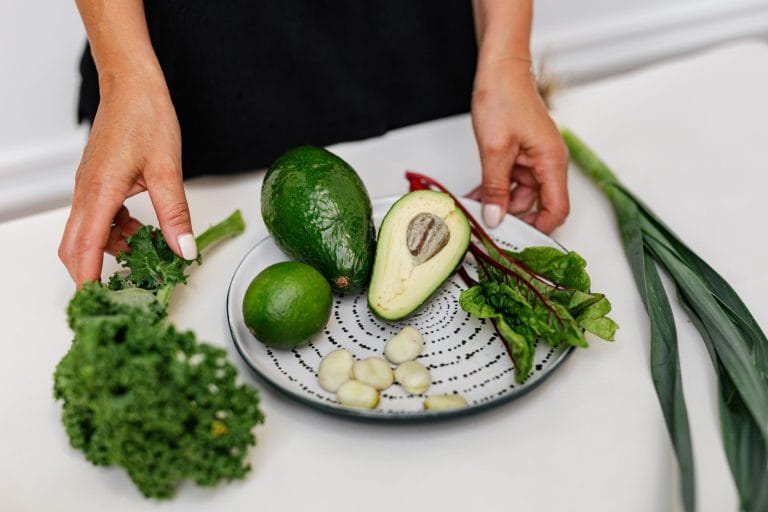
A cirrhosis diet based on European liver guidelines and NIDDK advice: protein, calorie and sodium targets, meal timing, foods to avoid for safety, and a sample day of eating.
A cirrhosis diet aims to prevent malnutrition and muscle loss while managing fluid buildup. Current European guidelines recommend at least 35 kcal per kg of body weight and 1.2-1.5 g of protein per kg daily, with moderate sodium restriction if fluid collects in the abdomen (1).
Many people assume a damaged liver needs less protein. The guidelines say the opposite: protein should generally not be restricted, even in people with hepatic encephalopathy (2). This guide explains the targets, what to eat, what to avoid, and why meal timing matters.
Key Takeaways
- Aim for at least 35 kcal and 1.2-1.5 g of protein per kg of body weight per day, unless your team advises otherwise (1).
- With ascites, sodium is usually limited to about 2 g a day, but not below 60 mmol a day (1).
- Avoid long gaps without food: eat every 3-4 hours and have a snack before bed or an early breakfast (3).
- Avoid all alcohol, and raw or undercooked shellfish, fish, meat and unpasteurized dairy (3).
- Diet cannot reverse cirrhosis, but good nutrition helps prevent complications linked with muscle loss (1).
Why Nutrition Matters in Cirrhosis
In cirrhosis, the liver stores less energy, so the body switches to breaking down fat and muscle sooner than normal after a meal. EASL describes this as accelerated starvation, made worse by poor appetite, altered taste, bland low-salt food and fasting for medical procedures (1).
Loss of muscle, called sarcopenia, contributes to worse outcomes independently of how severe the liver disease is (1). That is why the focus of a cirrhosis diet is eating enough, not eating less.
Daily Targets From the Guidelines
| Target | Guideline recommendation | Example for a 70 kg adult |
|---|---|---|
| Energy | At least 35 kcal per kg of body weight per day, using weight corrected for fluid (ascites) (1) | About 2,450 kcal or more |
| Protein | 1.2-1.5 g per kg of body weight per day (1) | 84-105 g |
| Sodium (if you have ascites) | About 80 mmol a day, equal to 2 g of sodium or 5 g of added salt, and never below 60 mmol a day (1) | About 2,000 mg sodium, not below about 1,400 mg |
| Meal timing | Avoid long fasting; eat every 3-4 hours while awake, plus a late evening snack or early breakfast (3) | 3 meals + 2-3 snacks |
| Alcohol | Stop completely (3) | None |
People with obesity and cirrhosis are a partial exception. EASL suggests gradual weight loss of more than 5-10% using a moderate calorie deficit of 500-800 kcal a day, while keeping protein above 1.5 g per kg (1). This should be done under medical supervision.
Protein: Why Less Is Not Better
EASL recommends 1.2-1.5 g of protein per kg of body weight per day to prevent muscle loss and reverse it in people who already have sarcopenia. It notes that normal to high protein intake does not trigger hepatic encephalopathy (1). The ESPEN guideline goes further: protein should not be restricted in people with encephalopathy, because restriction increases protein breakdown (2).
Some people with encephalopathy may tolerate dairy and vegetable protein better than meat, according to studies EASL describes (1). If appetite is poor, homemade protein shakes are an easy way to add protein between meals, if your team agrees.
Sodium and Fluid
If you have ascites, EASL suggests about 80 mmol of sodium a day, equal to 2 g of sodium or about 5 g of added salt (1). The evidence behind salt restriction is limited, and EASL warns that sodium should not drop below 60 mmol a day because very bland food can lower how much people eat (1).
Practical ways to cut sodium without losing flavor:
- Cook at home more often and taste before salting.
- Use herbs, spices, lemon, garlic and vinegar for flavor.
- Read labels on bread, cheese, sauces, soups and ready meals, which are often high in sodium.
- Limit processed meats and salty snacks.
Low sodium levels in the blood are common in cirrhosis, so follow your doctor’s advice on fluids rather than restricting water on your own (1).
Meal Timing and the Bedtime Snack
Because the body runs out of stored energy quickly, NIDDK advises that people with cirrhosis avoid going without food for too long. Health professionals may recommend smaller, more frequent meals every 3 or 4 hours while awake, plus a snack before bed or an early breakfast (3).
A meta-analysis of 8 trials with 341 patients found that a late evening snack improved markers of liver function, including albumin and ammonia. The snack groups also had lower rates of ascites and encephalopathy (4). EASL recommends a breakfast with some protein and a late evening snack to shorten fasting (1).
Foods to Eat
 Save
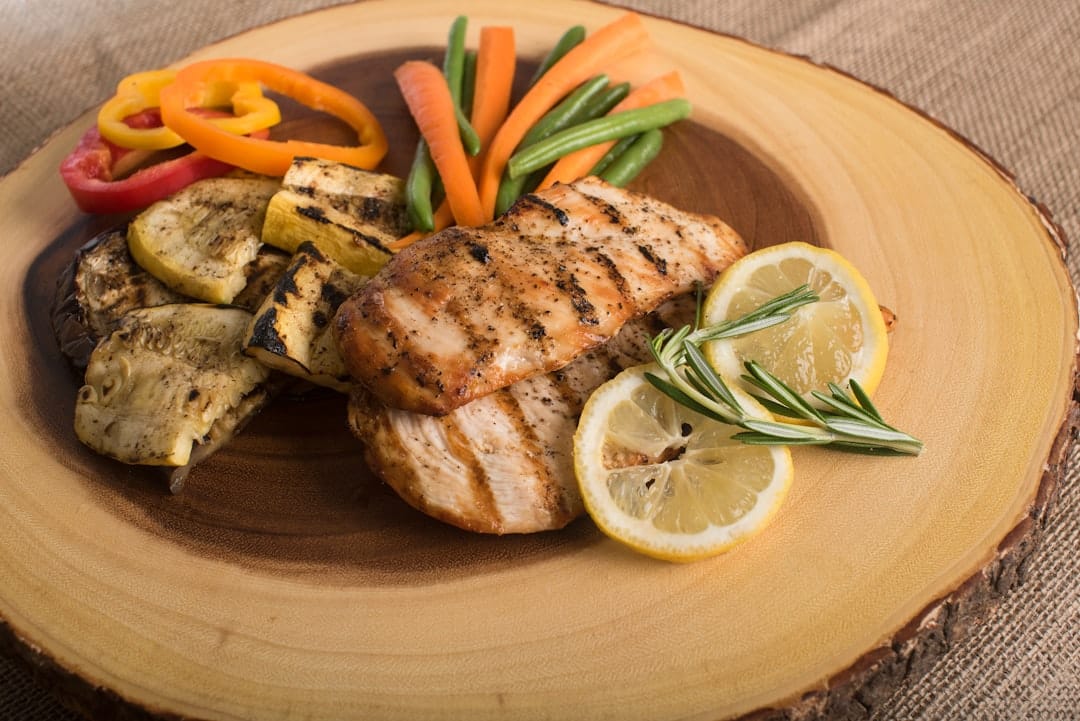
Save- Protein foods: eggs, fish, poultry, lean meat, dairy, tofu, beans and lentils, all fully cooked
- Carbohydrates: oats, rice, bread, potatoes and pasta for energy
- Fruit and vegetables: a variety, fresh or frozen
- Fats: olive oil, nuts, seeds and avocado
- Drinks: water, milk, tea and coffee, within any fluid limit your doctor sets
On coffee: a meta-analysis of 16 studies found people who drank coffee were less likely to have cirrhosis than non-drinkers (5). This is observational, but there is no need to avoid coffee unless your doctor advises it.
A balanced diet with enough fiber-rich foods is a good base, adjusted for your protein and sodium targets.
Foods and Drinks to Avoid
 Save
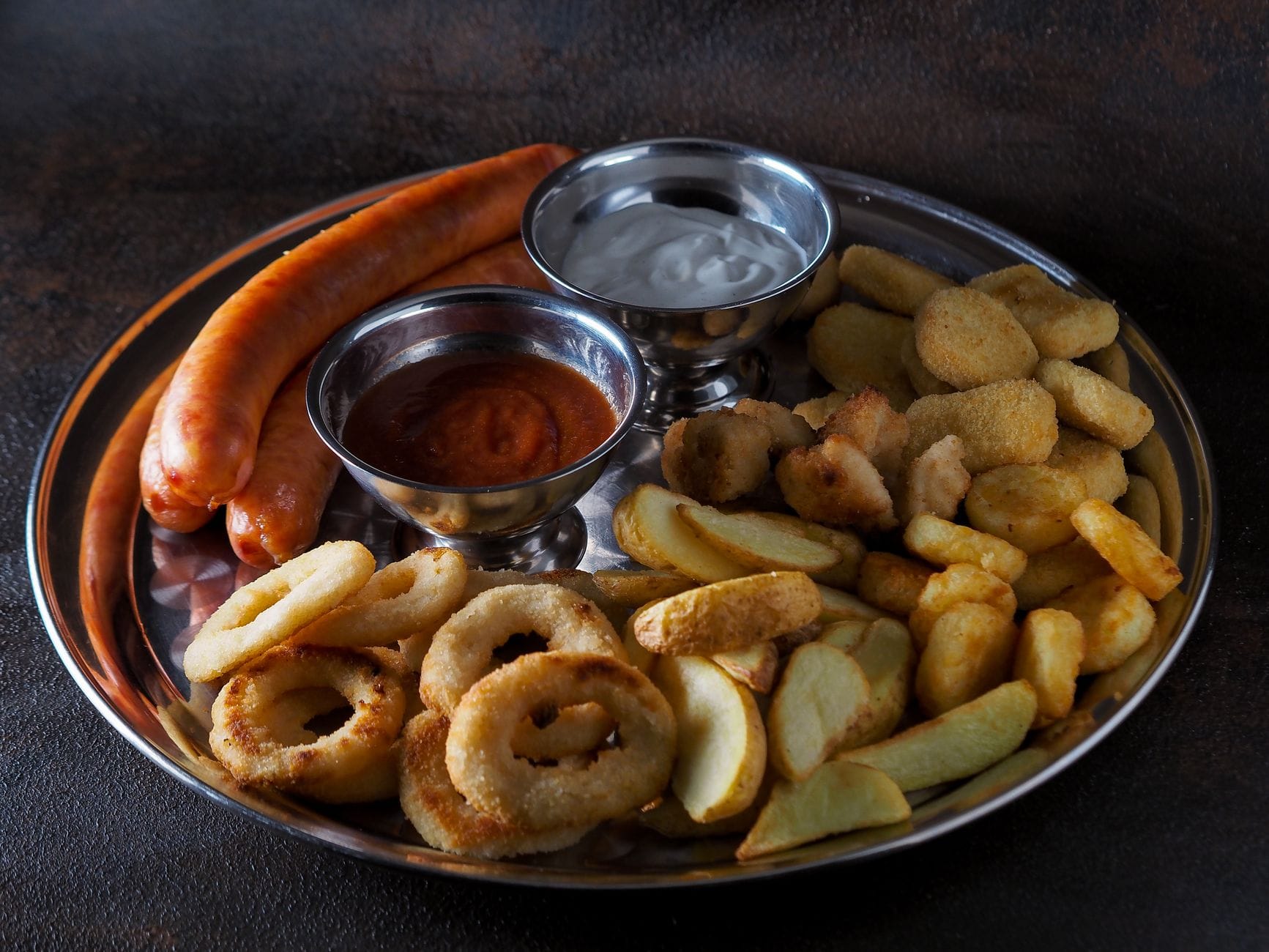
Save- Alcohol: stop completely, because it can cause more liver damage (3).
- Raw or undercooked shellfish, fish and meat: bacteria or viruses in these foods can cause severe infections in people with cirrhosis (3).
- Unpasteurized milk and milk products: for the same infection risk (3).
- High-sodium processed foods: if you have been told to limit sodium (3).
- Herbal and dietary supplements without advice: NIDDK recommends talking with your doctor first (3).
Sample Day of Eating
This example shows how the timing advice fits into a day. Portions and sodium should be adjusted by your care team.
- Breakfast (7 am): scrambled eggs, toast and a piece of fruit
- Snack (10 am): plain yogurt with oats
- Lunch (1 pm): grilled chicken, rice and cooked vegetables with olive oil and lemon
- Snack (4 pm): unsalted nuts and a glass of milk
- Dinner (7 pm): baked salmon, potatoes and a salad
- Late evening snack (10 pm): wholegrain crackers with low-sodium cheese, or a milky drink
Frequently Asked Questions
How much protein should someone with cirrhosis eat?
The European Association for the Study of the Liver recommends 1.2 to 1.5 g of protein per kg of body weight per day. For a 70 kg adult, that is roughly 84 to 105 g a day. Your hepatology team may adjust this.
Should protein be limited if I have hepatic encephalopathy?
Generally no. The ESPEN guideline says protein intake should not be restricted in people with cirrhosis and hepatic encephalopathy, because restriction increases protein breakdown. EASL notes that some people tolerate dairy and vegetable protein better than meat.
How much salt is allowed on a cirrhosis diet?
If you have ascites, EASL guidance suggests about 80 mmol of sodium a day, which equals about 2 g of sodium or 5 g of added salt. Sodium should not go below 60 mmol a day, because very bland food can reduce how much people eat.
Is coffee good for the liver?
Observational studies suggest so. A meta-analysis of 16 studies found coffee drinkers were less likely to have cirrhosis. This shows an association and does not prove coffee treats existing liver disease.
Why is a bedtime snack recommended with cirrhosis?
The liver in cirrhosis stores less energy, so an overnight fast pushes the body to break down muscle sooner. Guidelines recommend a late evening snack, and a meta-analysis of 8 trials found it improved several markers of liver function.
The Bottom Line
The main goal of a cirrhosis diet is to eat enough energy and protein to prevent malnutrition and muscle loss. European guidelines recommend at least 35 kcal and 1.2-1.5 g of protein per kg daily, frequent meals with a late evening snack, and moderate sodium restriction if you have ascites. Avoid alcohol and raw or undercooked animal foods. Because needs change with the stage of disease, work with your hepatologist and a dietitian.
This article is for informational purposes only and is not a substitute for professional medical advice. Cirrhosis is a serious condition. Follow the advice of your hepatologist and a registered dietitian before changing your diet, fluid intake or supplements.
Related Articles
9 Homemade Protein Shakes Made With Real Food
Balanced Diet Guide With the 5 Food Groups
High Fiber Foods List and How Much Fiber You Need