
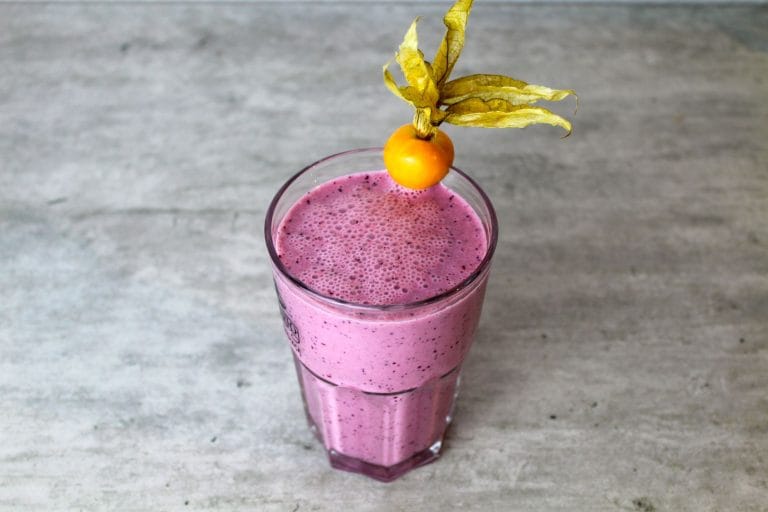
Homemade protein shakes made with real food: 9 recipes built on Greek yogurt, milk, soy milk, nut butters and seeds, USDA protein values for each ingredient, and what research says about protein, fullness and muscle.
Homemade protein shakes let you choose every ingredient, control added sugar and build protein from everyday foods rather than powder. Greek yogurt, dairy or soy milk, nut butters and seeds are all good protein sources according to USDA data (1), and they blend into filling drinks for breakfast, snacks or after exercise.
Protein can support fullness and muscle when it fits into your overall diet (2, 3). Below are nine recipes, a table of ingredient protein values, and practical tips.
Key Takeaways
- Hemp seeds, nut butters, chia seeds and Greek yogurt are among the most protein-dense shake ingredients per 100 g (1).
- Dairy milk and soy milk contain far more protein than unsweetened almond milk (1).
- Higher-protein diets may aid weight loss through satiety hormones and a higher thermic effect of food (2).
- Protein combined with resistance exercise stimulates muscle protein synthesis (3).
- Skip optional honey or maple syrup if you are limiting sugar or managing diabetes.
How Much Protein Is in Shake Ingredients?
The protein in your shake depends on the ingredients and amounts you use. USDA values per 100 g (1):
| Ingredient (USDA FoodData Central) | Protein per 100 g |
|---|---|
| Hemp seeds, hulled | 31.6 g |
| Peanut butter, smooth, without salt | 22.2 g |
| Almond butter, plain, without salt | 21.0 g |
| Chia seeds, dried | 16.5 g |
| Greek yogurt, plain, lowfat | 9.95 g |
| Milk, reduced fat (2%) | 3.3 g |
| Soymilk, unsweetened, fortified | 2.86 g |
| Almond milk, unsweetened | 0.4 g |
Soy foods are a common protein source for vegetarians because of their high protein content (4). If you use protein powder as well, see how soy and whey protein compare.
Nine Homemade Protein Shakes
Each recipe blends in a few minutes. For dairy-free versions, use unsweetened soy milk and a plant-based yogurt.
1. Green Power Shake
 Save
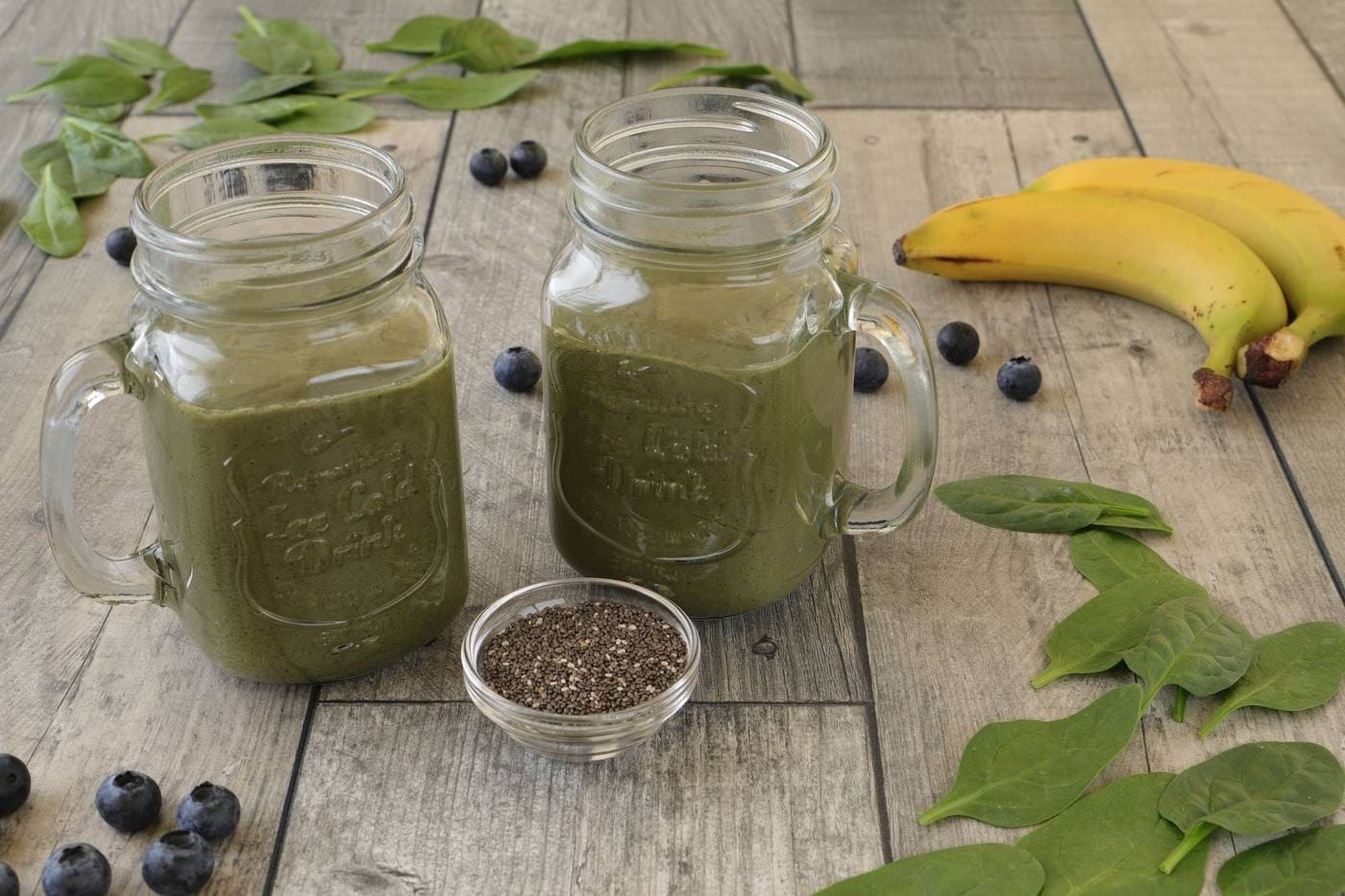
SaveBlend 1 cup of spinach, 1 ripe banana, ½ avocado, ½ cup of plain Greek yogurt, 1 tablespoon of peanut butter and 1 cup of unsweetened soy milk until smooth. Greek yogurt, peanut butter and soy milk provide most of the protein, and the avocado makes it creamy.
2. Chocolate Banana Shake
Blend 1 banana, 1 tablespoon of cocoa powder, 1 tablespoon of unsweetened almond butter, 1 cup of unsweetened milk and ½ cup of Greek yogurt. Top with a little grated dark chocolate if you like.
3. Oatmeal and Apple Shake
Combine ½ to 1 cup of rolled oats, 1 chopped apple, 1 cup of unsweetened milk, ½ cup of Greek yogurt and ½ teaspoon of cinnamon. Two pitted dates add natural sweetness.
4. Cinnamon Roll Shake
Blend 1 banana, ½ teaspoon of cinnamon, 1 cup of milk, ½ cup of Greek yogurt and a few drops of vanilla extract.
5. Vanilla Chai Shake
Start with ½ cup of cooled brewed black tea, then add 1 cup of milk, ½ cup of Greek yogurt, 1 tablespoon of chia seeds and a pinch each of ginger, cardamom, nutmeg and cinnamon.
6. Pumpkin Spice Shake
Blend ½ cup of pumpkin purée, 1 banana, 1 cup of milk or soy milk, ½ teaspoon of pumpkin pie spice and a pinch of salt. Add ½ cup of Greek yogurt for more protein.
7. Oatmeal, Peanut Butter and Banana Shake
Blend ½ cup of rolled oats, 1 banana, 1 tablespoon of peanut butter and 1 cup of milk. It makes a filling post-workout option.
8. Hemp Green Shake
Blend 1 cup of spinach, 1 banana, 1 tablespoon of hulled hemp seeds, 1 tablespoon of almond butter and 1 cup of soy milk. Hemp seeds are the most protein-dense ingredient in the table above (1).
9. Almond Cocoa Shake
Blend 1 tablespoon of almond butter, 1 tablespoon of cocoa powder, 1 banana or apple, ½ cup of Greek yogurt and 1 cup of milk. With almond milk instead, add extra yogurt or seeds, since unsweetened almond milk contains very little protein (1).
Does Protein Help With Weight Loss and Muscle?
A review of high-protein diets explains that protein may support fat loss by increasing satiety hormones such as GLP-1, reducing the hunger hormone ghrelin and raising the thermic effect of food. The same review notes caveats: when energy needs are low, excess protein can still contribute to a positive energy balance, and very high protein intake can add an acid load for the kidneys (2). A shake helps most when it replaces other food rather than adding extra calories; see our calorie deficit diet guide.
For muscle, resistance exercise increases the muscle-building response to protein. Muscle protein synthesis rises with protein intake in a dose-responsive way, and leucine is the main amino acid trigger (3). One of that review’s authors has received support from the US National Dairy Council. If you are training while losing fat, see our guide to a cutting diet.
Chia seeds are a common shake add-in. In a 12-week trial in overweight adults, 35 g of chia flour a day led to a small weight reduction within the chia group, but the change was not significantly different from placebo (5). Add chia for texture and fiber rather than for weight loss.
Tips for Better Homemade Shakes
 Save
Save- Use ripe bananas for natural sweetness and a creamy texture.
- Choose unsweetened milks, yogurts and nut butters to control added sugar.
- Pick dairy or soy milk over almond milk when protein is the goal (1).
- Drink shakes with oats or chia soon after blending, before they thicken.
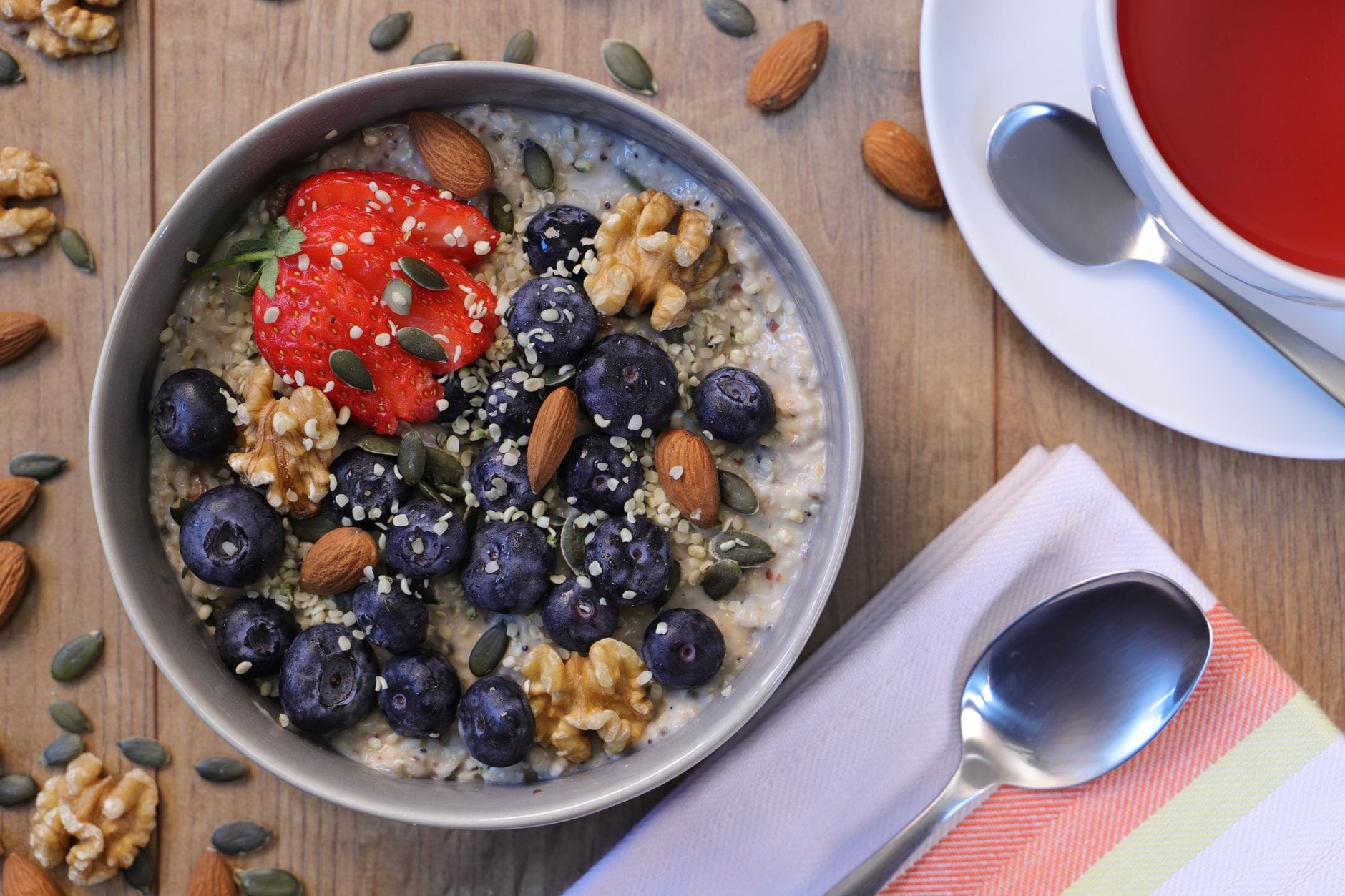
- Top an oat bowl with the same ingredients, including walnuts and seeds, when you want a spoonable version.
Frequently Asked Questions
Can you make a protein shake without protein powder?
Yes. Greek yogurt, milk, soy milk, nut butters and seeds all add protein. According to USDA data, hulled hemp seeds provide 31.6 g of protein per 100 g, peanut butter 22.2 g and lowfat Greek yogurt about 10 g, so combining several of these builds a protein-rich shake.
Which milk has the most protein for shakes?
Dairy milk and soy milk are much higher in protein than almond milk. USDA values are about 3.3 g of protein per 100 g for 2% milk and 2.9 g for unsweetened soymilk, compared with 0.4 g for unsweetened almond milk.
Do protein shakes help with weight loss?
Higher-protein diets may help weight loss by increasing satiety hormones, reducing hunger hormones and raising the thermic effect of food. However, if energy needs are low, excess protein can still contribute to a calorie surplus, so a shake should replace, not add to, other food.
When is the best time to drink a protein shake?
Shakes can work as a quick breakfast, snack or post-workout drink. Protein eaten with resistance exercise stimulates muscle protein synthesis in a dose-responsive way, and leucine-rich foods such as dairy are effective sources.
Are high-protein diets safe?
For most healthy people, a protein-rich shake as part of a balanced diet is reasonable. Reviews note possible caveats of very high-protein diets, including an acid load on the kidneys, so people with kidney disease should ask their doctor before increasing protein.
The Bottom Line
Homemade protein shakes are an easy way to get protein from real food. Hemp seeds, nut butters, chia seeds, Greek yogurt and dairy or soy milk supply most of the protein, while almond milk adds very little. Protein can help with fullness and supports muscle when paired with resistance exercise, but shakes still count toward your daily calories. Keep sweeteners optional, choose unsweetened bases, and fit shakes into a balanced diet.
This article is for informational purposes only and is not a substitute for professional medical advice. Consult a qualified healthcare provider before making significant changes to your diet, especially if you have diabetes, kidney disease, food allergies, or other health conditions.
Related Articles
Soy Protein vs Whey Protein: What Trials Show
Calorie Deficit Diet Guide for Safe Weight Loss
Cutting Diet Guide for Fat Loss and Muscle
Health Benefits of Walnuts: What Trials Actually Show
Balanced Diet Guide With the 5 Food Groups
Bodybuilding Diet: Protein, Calories and Meal Plan Guide
Light Food Recipes: Six Easy Everyday Meals
L-Glutamine: What the Evidence Actually Supports
Oat Milk: What the Carton Actually Gives You