
Which sourdough bread benefits survive clinical testing, why “sourdough” on a label tells you very little, and the two claims we have removed.
Sourdough is good bread. Whether it is better bread, in a way your body notices, is a narrower question than most articles allow, and the honest answer depends almost entirely on how the particular loaf was made.
This page has been rewritten. The previous version cited mostly paywalled aggregator pages, said sourdough carries beneficial bacteria, built a heart-health argument on its fibre content, suggested it might lower breast cancer risk, and told readers to aim for a fixed number of slices a day. None of that survived checking.
Key Takeaways
- A review of 25 randomised trials found no clear consensus that sourdough beats other bread (1).
- The bacteria are killed by baking. Sourdough is not a probiotic (5).
- In one crossover trial, sourdough did not improve glucose or insulin responses (3).
- Its best-supported use is reducing FODMAPs for sensitive guts (4).
- A white loaf has 2.2 g fibre and 602 mg sodium per 100 g (7).
What Sourdough Is
 Save
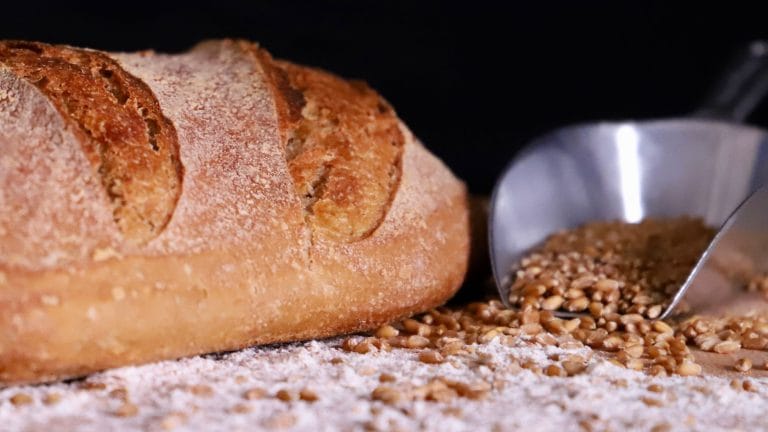
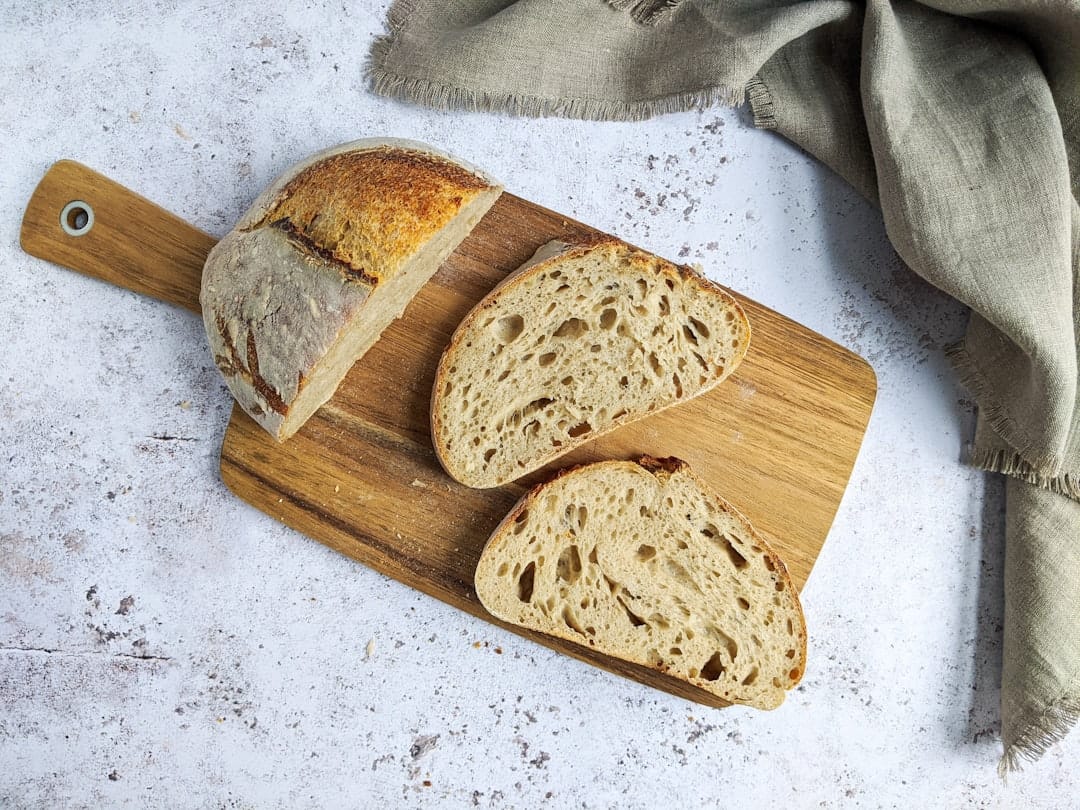
SaveSourdough rises on a starter: flour and water colonised over days by wild yeasts and lactic acid bacteria, rather than a packet of commercial yeast. The bacteria produce lactic and acetic acid, which is where the tang comes from and which also changes the dough chemically before it ever reaches the oven.
That chemistry is genuinely interesting. The problem is that “sourdough” is not a standard. Fermentation time, the microbes in a particular starter, the flour and the acidity all vary enormously, and supermarket loaves labelled sourdough are often fermented briefly or given added yeast. Two loaves with the same word on the label can behave completely differently.
The bacteria are not in the bread
This is the most common misconception, and the previous version of this page repeated it twice.
The lactic acid bacteria do their work in the dough. Baking then kills them. Sourdough is classified with fermented foods, whose proposed mechanisms include fermentation-derived bioactive peptides and the reduction of anti-nutrients, not with live-culture foods such as kefir or unpasteurised sauerkraut (5). What reaches your gut is the product of fermentation, not the fermenters.
What the Trials Found
| Claim | What the clinical evidence shows | Verdict |
|---|---|---|
| Lower glycemic index than other bread | Not reliably. In a crossover trial in overweight and obese men, sourdough did not improve glucose or insulin responses, and when breads were matched by weight its glucose and insulin AUC were higher than three whole-grain breads. Sprouted grain was the one that helped (3) | Depends entirely on the loaf |
| Contains beneficial bacteria / is probiotic | The bacteria ferment the dough and are then killed by baking. Sourdough is a fermented food, not a live-culture one (5) | Claim removed |
| Better mineral absorption because fermentation degrades phytate | The mechanism is real, but the study usually cited was done in rats fed reconstituted whole wheat flour (6) | Plausible, weakly evidenced in people |
| Rich in fibre, so it protects the heart | A white sourdough loaf has 2.2 g of fibre per 100 g (7). Fibre does track with lower cardiovascular risk (9), but this is not where you get it | Overstated |
| Lowers breast cancer risk via rye lignans | No human trial. We do not put speculative cancer claims on a page about bread | Claim removed |
| Easier on an irritable gut | This is the strongest practical finding, and the old page missed it: long fermentation can markedly reduce the fructans that trigger IBS symptoms, and low-FODMAP rye sourdough has been tested with promising results (4) | Supported, for the right loaf |
The state of the evidence
A systematic review searched for randomised trials comparing sourdough bread with yeast bread in adults. It found 25 trials covering 542 people, mostly measuring glucose response, appetite, gastrointestinal markers or cardiovascular markers.
Its conclusion is the honest headline for this page: it is currently difficult to establish a clear consensus regarding beneficial effects of sourdough per se, because the microbial composition of the sourdough, fermentation parameters, cereals and flour types all influence the result. In studies using specific strains and fermentation conditions, real improvements were seen in glycaemic response, satiety or gastrointestinal comfort (1).
A separate critical review makes a sharper point: the advantages claimed for sourdough in many publications rest mostly on chemical and in vitro analyses, which raises questions about the actual impact on human nutrition (2).
So the benefits are not imaginary. They are conditional, and the label does not tell you whether your loaf earned them.
The blood sugar claim, tested
The previous version gave a confident figure: a glycemic index of about 54 for sourdough against 71 for whole wheat.
Here is what happened when researchers measured it in people. Overweight and obese men ate 11-grain, sprouted-grain, 12-grain, sourdough or white bread on separate occasions, first matched for available carbohydrate and then matched for bread weight. Sprouted-grain bread lowered the glucose response and raised GLP-1. Sourdough did not improve the metabolic response in either part, and when matched by weight its glucose and insulin areas under the curve were greater than the 11-grain, sprouted-grain and 12-grain breads (3).
One trial does not settle it, and other trials with particular sourdoughs have shown benefit (1). But a single glycemic index number presented as a property of “sourdough” is not defensible.
The Benefit the Old Page Missed
 Save
SaveThe most practically useful thing about sourdough has nothing to do with blood sugar.
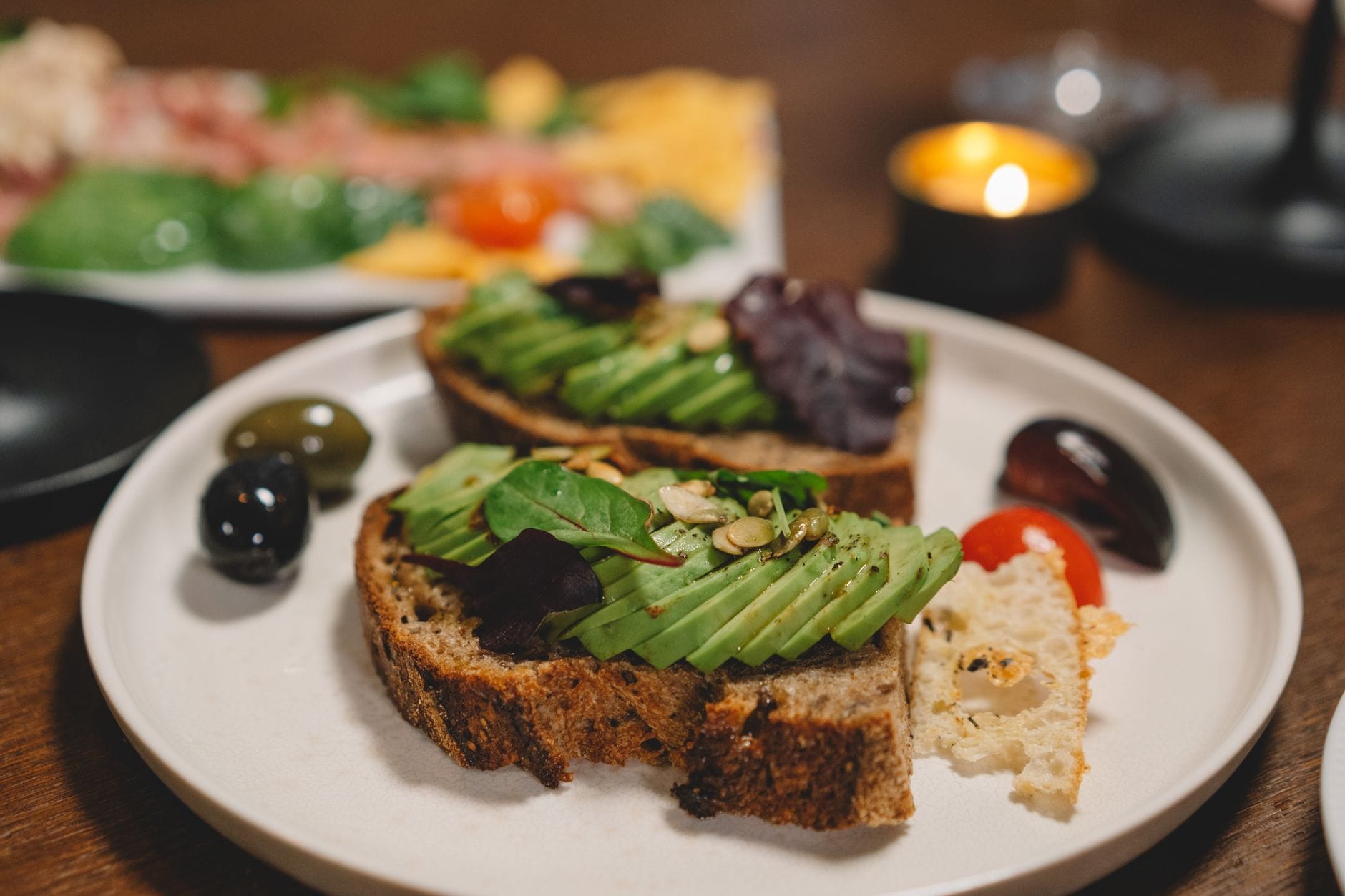
Wheat and rye contain fructans, the FODMAP group that provokes symptoms in many people with irritable bowel syndrome. Sourdough fermentation with the right metabolic properties can markedly reduce fructan content in wholegrain bread without reducing the slowly fermented dietary fibre, and low-FODMAP but high-fibre rye sourdough bread has been tested clinically for gut fermentation and symptoms with promising results (4).
That matters because people on a low FODMAP diet often end up eating less fibre, which is the main drawback of that diet. A properly fermented loaf is one way to keep bread on the table.
The caveat is the same as everywhere on this page: it depends on the fermentation. A loaf risen for two hours will not have done this.
The Numbers, With Salt
| Per 100 g, white sourdough-style loaf | Amount | Note |
|---|---|---|
| Energy | 272 kcal | |
| Carbohydrate | 51.9 g | |
| Protein | 10.8 g | Respectable for bread |
| Fibre | 2.2 g | Modest. A wholemeal loaf carries roughly three times this |
| Sodium | 602 mg | Bread is one of the largest sodium sources in most diets |
| Iron | 3.91 mg | Mostly from flour fortification |
| Magnesium | 32 mg |
Two things worth noticing.
The fibre figure undercuts the heart-health argument the old version made. Fibre genuinely tracks with lower risk of heart disease and helps with blood pressure and cholesterol (9), but 2.2 g per 100 g is not where you collect it. A wholemeal loaf carries roughly three times as much, and a sourdough made with wholemeal flour is the version worth buying.
And the sodium. Bread is one of the biggest contributors of sodium in an ordinary diet, at 602 mg per 100 g (7). The old daily slice quota was invented, and at a typical slice weight it would have supplied a substantial share of a day’s sodium from bread alone. We have removed it. Eat bread as part of a meal, not to a quota.
Gluten and Celiac Disease
Sourdough is made from wheat or rye and contains gluten. Fermentation degrades some gluten peptides, which is why some people with mild sensitivity find it easier, but ordinary sourdough is not safe in celiac disease.
One further point the old version did not make. If you suspect celiac disease, get tested before removing gluten, because a gluten-free diet affects the accuracy of the tests (8). Switching to sourdough and feeling better is not a diagnosis.
Our low FODMAP guide covers the gut side properly, the fibre guide covers where fibre actually comes from, and the balanced diet guide covers where bread fits.
Frequently Asked Questions
Is sourdough actually healthier than other bread?
Sometimes, and it depends on how the specific loaf was made. A systematic review of 25 randomised trials in 542 people concluded that it is currently difficult to establish a clear consensus that sourdough benefits health compared with other breads, because microbial composition, fermentation time, cereal and flour type all change the result.
Does sourdough contain probiotics?
No. The lactic acid bacteria do their work in the dough and are killed in the oven. Sourdough belongs with fermented foods rather than live-culture foods like kefir or unpasteurised sauerkraut. What survives baking is the effect of fermentation on the dough, not the microbes.
Is it lower on the glycemic index?
Not dependably. In a crossover trial in overweight and obese men, sourdough failed to improve glucose or insulin responses, and when the breads were matched by weight rather than carbohydrate, sourdough produced higher glucose and insulin responses than three whole-grain breads.
Can people with celiac disease eat sourdough?
No. Sourdough is made from wheat or rye and contains gluten. Fermentation degrades some gluten peptides but does not make ordinary sourdough safe in celiac disease. If you suspect celiac disease, get tested before removing gluten, because a gluten-free diet affects the test results.
Is sourdough good for IBS?
Possibly, and this is its most useful property. Long fermentation can substantially reduce fructans, the FODMAP in wheat and rye that provokes symptoms, without losing the fibre. A well-fermented loaf may be tolerated where a fast-risen supermarket one is not.
The Bottom Line
Sourdough is worth eating, and the case for it is narrower than the internet suggests. A systematic review of 25 randomised trials concluded there is no clear consensus that it beats other bread, because everything depends on the starter, the fermentation and the flour. The bacteria do not survive the oven, so it is not a probiotic. Its glycemic advantage did not appear in at least one careful human crossover trial. What it can genuinely do, with long fermentation, is cut the fructans that upset sensitive guts while keeping the fibre. Buy a wholemeal one, made slowly, and enjoy it as bread rather than as medicine.
This article is for informational purposes only and is not a substitute for professional medical advice. Sourdough contains gluten and is not safe for people with celiac disease. If you suspect celiac disease, ask for testing before removing gluten from your diet.
Related Articles
FODMAP Diet: The 3 Steps and the List Errors
High Fiber Foods List and How Much Fiber You Need
Low-Glycemic Diet: GI Food List, Benefits and Limits
Balanced Diet Guide With the 5 Food Groups