
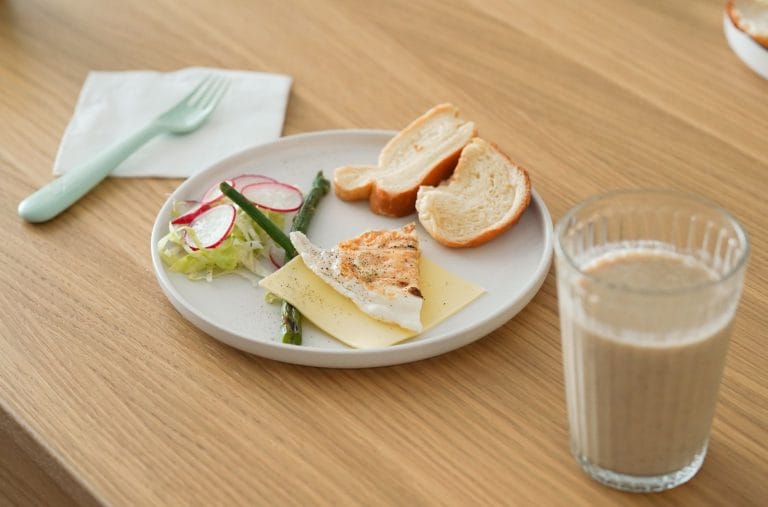
Simple, nutrient-dense meals that go easy on your stomach and still taste like real food.
There is a strange myth that eating light means eating sad. A few lettuce leaves, some plain toast, and a growling stomach by 4 p.m. The truth is closer to the opposite. A well-built light meal leans on vegetables, lean protein, and whole grains, so it digests easily while still keeping you full for hours.
The World Health Organization notes that a nutritious diet helps lower the risk of obesity, cardiovascular disease, and digestive problems. Light, wholesome meals can also support satiety and weight management, which makes them a natural fit if you’re already working on eating a balanced diet without obsessing over calories. Here’s what light food actually means, plus a handful of recipes worth cooking this week.
Key Takeaways
– Light foods are nutritious ingredients that your body digests and absorbs easily, not tiny portions of bland food.
– Smaller, more frequent meals can make it easier to meet your daily nutrition needs without feeling stuffed.
– Salads, omelets, soups, smoothies, and tacos can all qualify as light meals when built from whole ingredients.
– Lean proteins, leafy greens, whole grains, and low-GI fruits form the backbone of a light-food kitchen.
– Check for allergies and talk to your doctor before overhauling your diet, especially if you have a health condition.
What Counts as a Light Meal Anyway
A light food is simply a combination of nutritious ingredients that the body can digest and absorb without much effort. That’s it. Nothing about the definition requires the meal to be small or boring.
Interestingly, most of us aren’t sure where we stand. In a survey of roughly 1,057 US adults, only 4.5% said they eat very healthy food, about 8.6% described their diet as fairly healthy, and a full 64% couldn’t say whether their food was healthy at all. Easy, light recipes are one of the gentler ways to close that gap, and the payoff goes beyond the scale. Better digestion, steadier energy, and improved skin are among the changes people notice when they start eating healthy.
Stock your kitchen with foods like these and light meals almost assemble themselves:
Leafy greens (lettuce, spinach), broccoli, tomatoes, carrots, beetroot, cucumber, eggplant, sweet potato, and other seasonal vegetables
Lean proteins such as skinless chicken, fish, eggs, mushrooms, legumes, soy, tofu, and cottage or ricotta cheese
Whole grains like quinoa, buckwheat, millets, sorghum, wheat pasta, semolina, and multigrain bread
Almonds, walnuts, chia seeds, sunflower seeds, and pepitas
Low-GI fruits such as apples, guava, muskmelon, and citrus
Small amounts of olive oil, avocado oil, rice bran oil, or ghee
Light Recipes to Try This Week
 Save
SaveThese recipes run from breakfast through dinner. Before trying any of them, check for allergies and keep substitutes handy.
Tarragon Chicken Salad
Boil a cup of chicken breast cubes with salt and pepper for 15 to 20 minutes. Meanwhile, stir together low-fat yogurt, lime juice, sliced red onion, chopped celery, dried cranberries, and a teaspoon of dried tarragon. Fold in the cooked chicken. Creamy without the mayonnaise, and ready in under half an hour.
Tuna and Veggie Omelet
Poach a small tuna fillet and slice it thin. Whisk three eggs with a splash of low-fat milk, chopped zucchini, red bell pepper, cilantro, salt, and pepper. Cook the omelet in a nonstick skillet for about a minute per side, then fold the tuna inside. It’s a serious protein hit for the morning, and if you’d rather drink your breakfast some days, these homemade protein shake recipes work on the same principle.
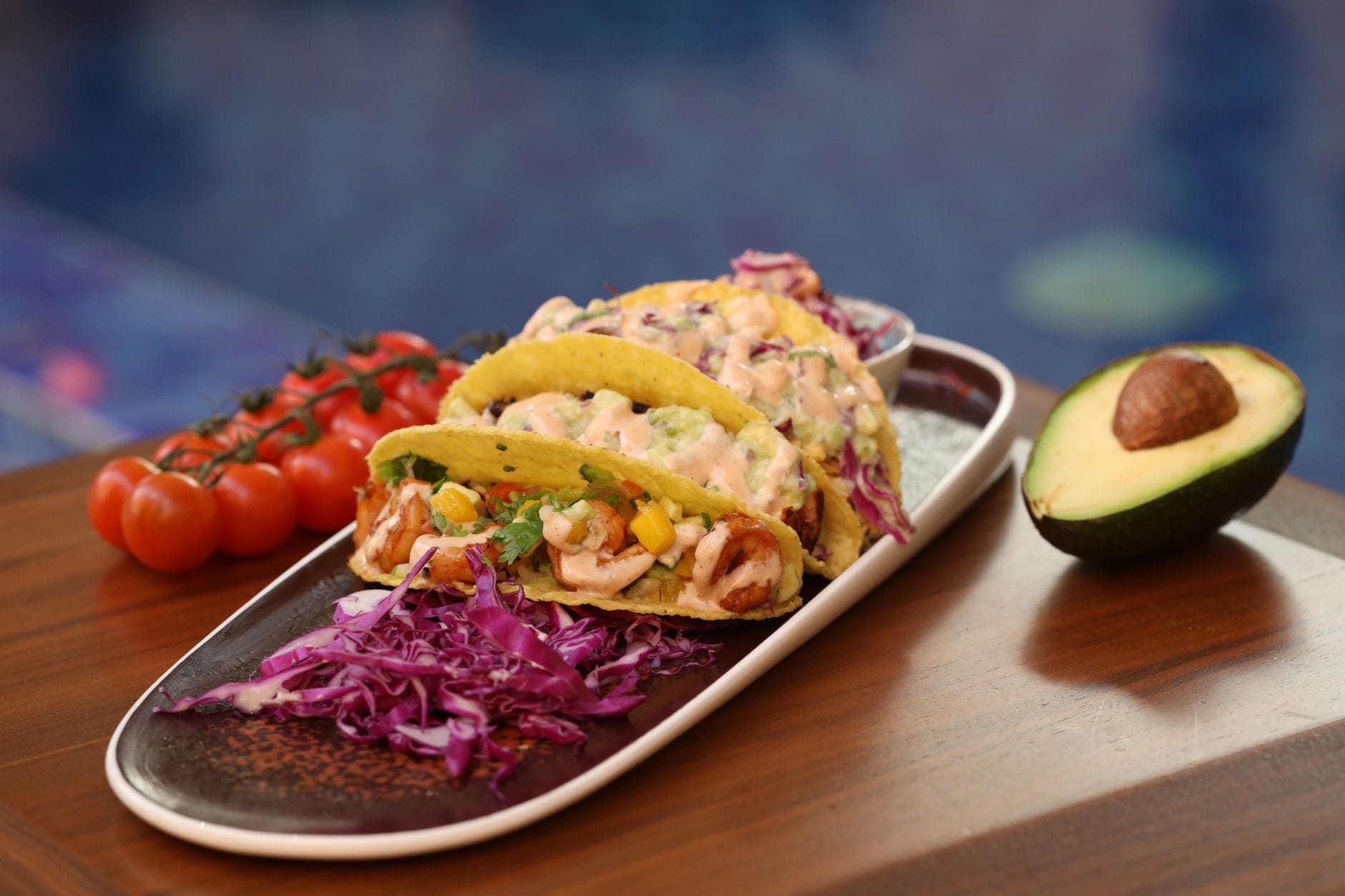
Grilled Fish Tacos
Marinate two mackerels in olive oil, garlic and ginger paste, lime juice, cayenne, rosemary, and salt for ten minutes, then grill for 7 to 10 minutes. Toss tomatoes, iceberg lettuce, onion, and avocado with yogurt, lime, and olive oil. Pile the salad into taco shells, top with the flaked fish and cilantro. Dinner, done.
Broccoli and Tofu Casserole
Coat broccoli florets, carrots, zucchini, green peas, and eggplant slices with olive oil, dried herbs, lime juice, salt, and pepper. Scatter crumbled tofu on top and bake for 15 minutes. This one is a favorite for anyone leaning toward a plant-based way of eating.
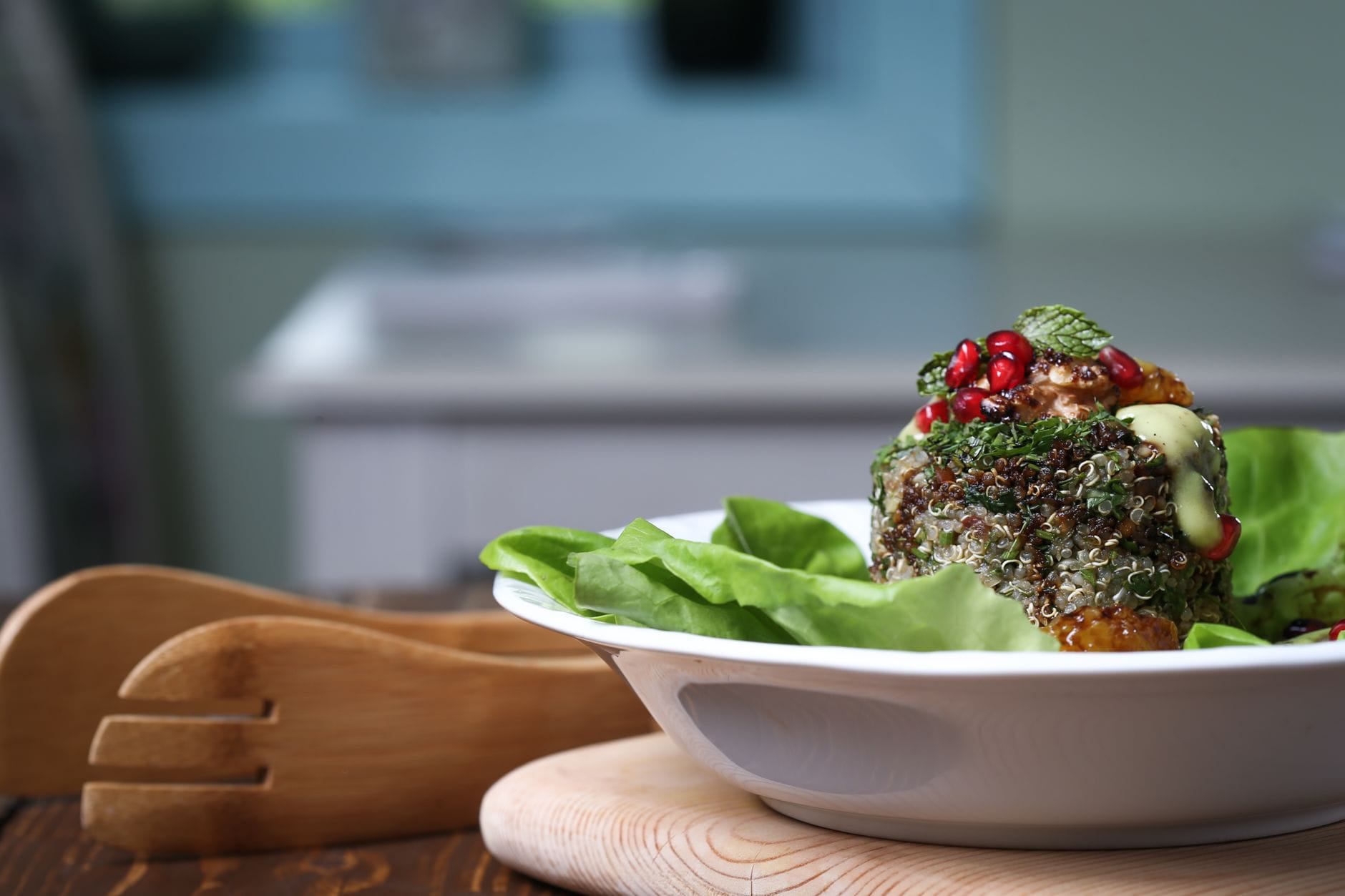
Rainbow Quinoa Salad
Sauté garlic and onion in olive oil, add water and half a cup of quinoa, and simmer for 15 minutes. Once cooled, mix in chopped carrots, yellow bell pepper, cucumber, tomato, sweet corn, and cilantro, then finish with lime juice. Dr. Sonia Goel, a doctor and blogger, points out that quinoa’s protein content makes it especially useful for vegetarians, even as a meat substitute.
Peach and Spinach Smoothie
Blend half a cup each of peach, celery, and baby spinach. Stir in a teaspoon of honey and a pinch of pink Himalayan salt. Two minutes, one glass, done.
Cooking Tips That Keep Meals Light
 Save
SaveThe method matters as much as the ingredients. Grill, bake, poach, or steam instead of deep-frying, and measure oils rather than pouring freely (an easy place for extra calories to sneak in). Season generously with herbs, citrus, and spices so you never miss the heaviness.
If weight loss is one of your goals, these recipes slot neatly into a calorie deficit that doesn’t drain your energy, since they deliver protein and fiber at a modest calorie cost. Vegetarians can build a full week around the meat-free options here; this 7-day vegetarian weight loss meal plan is a good template to start from.
Frequently Asked Questions
Are light meals only for people trying to lose weight?
No. Anyone who wants easier digestion, steadier energy, or simply more vegetables on their plate can benefit. Weight management is a bonus, not the whole point.
Can I eat light food at every meal?
Yes, as long as your meals together supply enough protein, healthy fats, and calories for your needs. Small, frequent meals built from nutrient-dense ingredients can actually make it easier to hit your daily nutrition targets.
What should I check before trying these recipes?
Scan the ingredient lists for anything you’re allergic to, keep alternatives on hand, and consult your doctor first if you have a medical condition or are on a restricted diet.
The Bottom Line
Light food isn’t a punishment diet. It’s leafy greens, lean protein, whole grains, and good fruit, cooked simply so your body can put it to work without struggle. Start with one or two of these recipes, maybe the quinoa salad at lunch or the fish tacos at dinner, and build from there. Eating well gets much easier once the meals themselves are something you look forward to.
This article is for informational purposes only and is not a substitute for professional medical advice, diagnosis, or treatment. Always consult a qualified healthcare provider before making significant changes to your diet, especially if you have an existing health condition or food allergies.
Related Articles
How to Eat a Balanced Diet Without Counting Every Calorie
What Actually Happens to Your Body When You Start Eating Healthy (It’s More Than Weight Loss)
How to Set Up a Calorie Deficit Without Wrecking Your Energy (or Your Muscle)
A 7-Day Vegetarian Meal Plan That Makes Weight Loss Feel Easy (No Bland Salads Required)
The Homemade Protein Shakes I Reach For Instead of Store-Bought Powder (9 Easy Recipes)
9 Reasons a Plant-Based Diet Might Be the Smartest Change You Make This Year