
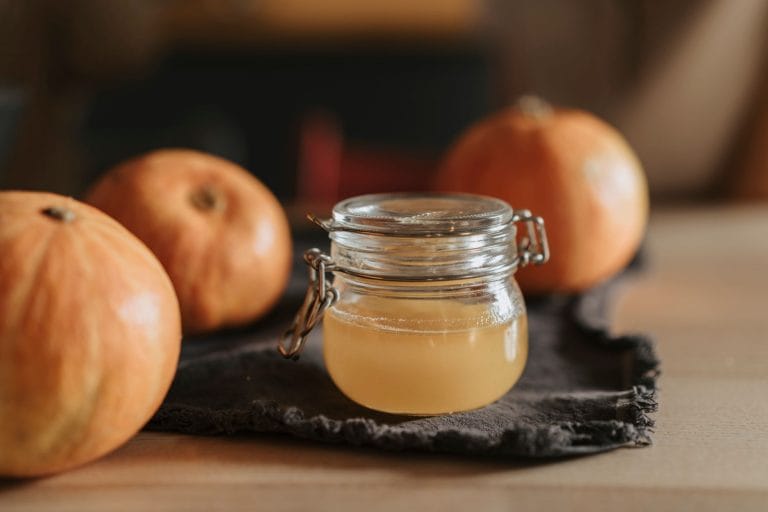
Fire cider explained: what is in it, what research shows about each ingredient, why no study has tested the tonic itself, and the safety points about teeth, medicines and honey.
Fire cider is a home-made tonic of garlic, onion, ginger, horseradish and chili peppers steeped in apple cider vinegar, usually sweetened with honey. It is popular in cold season as an immune tonic.
Here is the honest starting point: no clinical trial has tested fire cider itself. What exists is research on some of its ingredients, and that research is more modest than the marketing suggests. This guide goes through it ingredient by ingredient and covers who should be careful. For the ingredients that have been through pooled trials, see what to eat when sick.
Key Takeaways
- No study has tested fire cider as a finished product.
- Apple cider vinegar modestly lowered total cholesterol, fasting glucose and HbA1c in a meta-analysis (2).
- Garlic slightly lowers cholesterol and blood pressure; evidence for preventing colds is weak (1).
- Vinegar is acidic and can erode tooth enamel, so dilute it and rinse afterward (6).
- Never give honey, including honey-sweetened fire cider, to a baby under 1 year old (7).
What Fire Cider Is
 Save
SaveFire cider belongs to a family of traditional preparations called oxymels, which combine vinegar and honey. The usual method is to steep chopped garlic, onion, fresh ginger, horseradish and chili in apple cider vinegar for several weeks, strain it, then stir in honey to soften the sharpness.
There is no standard recipe, so strength and ingredients vary from batch to batch. That variability is one reason it has never been formally studied: there is no single product to test.
What the Research Says, Ingredient by Ingredient
| Ingredient | What research shows about the ingredient | Verdict |
|---|---|---|
| Apple cider vinegar | A meta-analysis of 9 studies found ACV lowered total cholesterol by 6 mg/dL, fasting glucose by 8 mg/dL and HbA1c by 0.5 points, with no effect on LDL, HDL or insulin (2). It killed Candida yeast in a laboratory test, not in people (3) | Modest metabolic effects; lab-only antimicrobial data |
| Garlic | Garlic supplements slightly lower total and LDL cholesterol, blood pressure and blood sugar. Only 2 small, weak studies suggest a benefit for colds. Garlic does not appear to reduce stomach cancer risk (1) | Small metabolic effects; cold evidence weak |
| Ginger | Research suggests ginger may help nausea and vomiting, including in pregnancy. Side effects can include heartburn and abdominal discomfort (5) | Useful for nausea |
| Horseradish (with nasturtium) | In a cohort study of 1,649 patients, a herbal drug containing horseradish root and nasturtium reduced symptoms of sinusitis and bronchitis comparably to standard antibiotics, with fewer side effects (4) | Interesting, but not fire cider and not a randomized trial |
| Onion and chili | No reliable human evidence that either prevents or treats infections | Flavor, not medicine |
| Honey | Softens the taste. Never give honey to infants under 1 year because of the risk of infant botulism (7) | Safe for adults, not babies |
Apple cider vinegar
This is the base, and it has the most human data. A meta-analysis of 9 studies found that apple cider vinegar reduced total cholesterol by about 6 mg/dL, fasting blood glucose by about 8 mg/dL and HbA1c by about 0.5 points. It had no significant effect on LDL, HDL, fasting insulin or insulin resistance. Effects were clearer in people with type 2 diabetes and at doses of 15 mL a day or less (2).
Its reputation as an antimicrobial comes mostly from laboratory work. One study showed apple cider vinegar inhibited Candida yeast in a test tube, at concentrations used on dentures rather than in the body (3). That is not evidence it fights infections when you drink it.
Garlic
According to NCCIH, garlic supplements may slightly reduce total and LDL cholesterol in people with high cholesterol, may slightly lower blood pressure in people with hypertension, and may slightly lower blood sugar in people with diabetes. For colds, a 2022 review identified only two small, weak studies suggesting possible benefit. Garlic does not appear to reduce stomach cancer risk (1).
Two safety notes: garlic supplements may increase bleeding risk, and raw garlic applied to skin can cause burns (1).
Horseradish
The most-cited study here is a German cohort study of 1,649 patients with sinusitis, bronchitis or urinary tract infections. A herbal medicine containing horseradish root and nasturtium reduced symptoms comparably to standard antibiotics, with fewer side effects (4).
Two caveats matter: it was a cohort study rather than a randomized trial, and it tested a standardized herbal drug, not a spoonful of home-made fire cider.
Ginger, onion and chili
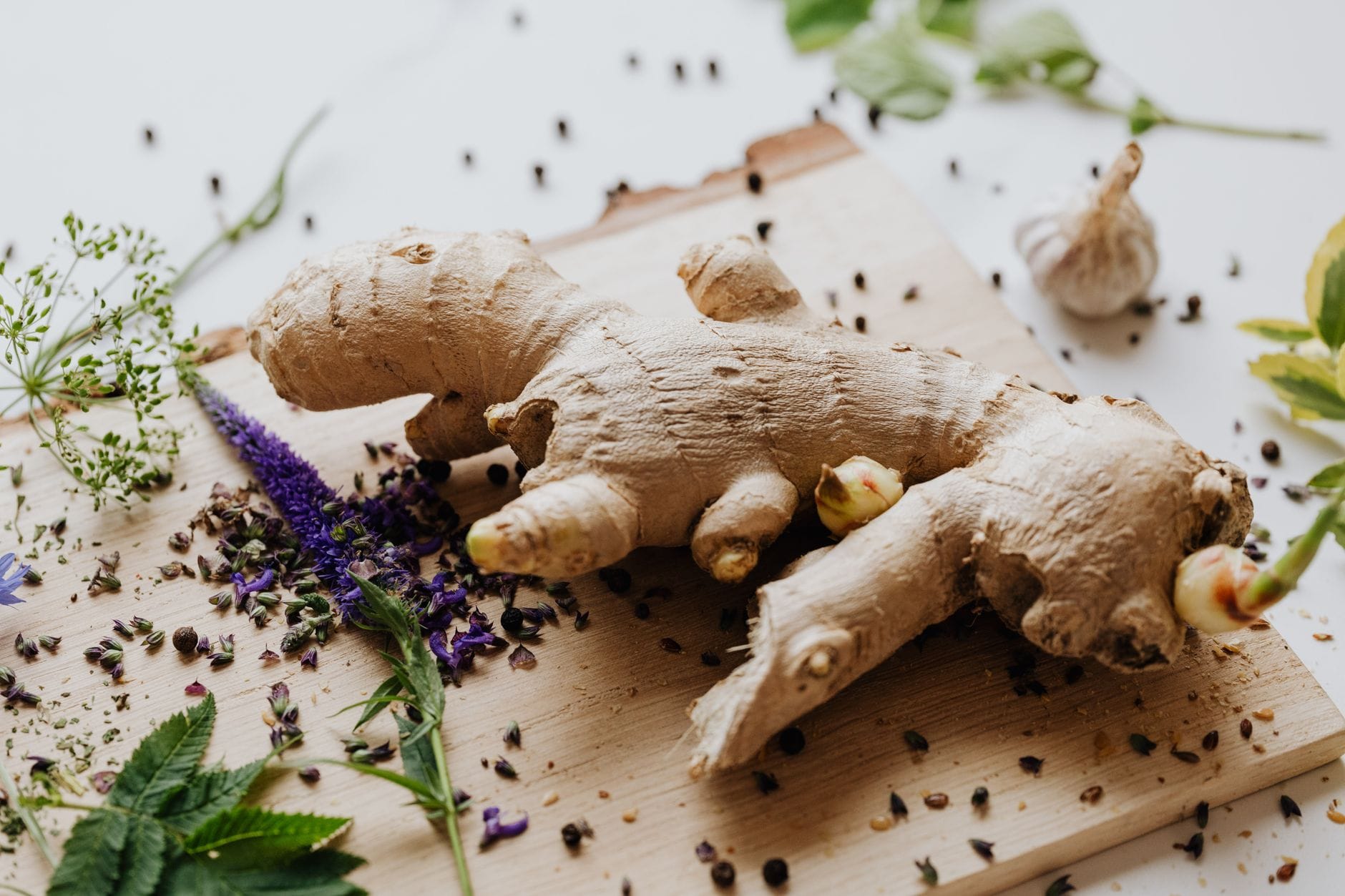
Research suggests ginger may help with nausea and vomiting, including in pregnancy, though it can cause heartburn and abdominal discomfort (5). For onion and chili, there is no reliable human evidence that either prevents or treats infections. They add flavor and heat.
How to Use Fire Cider
 Save
SaveSince there is no tested dose, keep it modest. A common approach is 1 to 2 tablespoons a day diluted in a glass of water. It also works well in cooking, which avoids drinking concentrated acid:
- Whisk into salad dressings or marinades
- Add a splash to soups, stews or sauces
- Drizzle over roasted vegetables
For other vinegar-based drinks, see our guide to homemade drinks, and for a gentler warm option, fennel tea.
Safety and Who Should Skip It
- Your teeth. A laboratory study of several vinegars found they dissolved minerals from human tooth enamel, with losses depending on the vinegar type and how long it was in contact (6). Dilute fire cider, do not sip it slowly over a long period, and rinse with plain water afterward.
- Reflux and gut symptoms. Acidic and spicy foods commonly aggravate heartburn and irritable bowel symptoms.
- Medicines. Garlic supplements can increase bleeding risk, and some herbs interact with medicines, so ask your provider if you take anything regularly (1).
- Babies. Do not give honey to infants under 1 year old, because of the risk of infant botulism (7).
- Allergies. Skip it if you react to garlic, onion or any other ingredient.
Fire cider is food, not treatment. If you have a fever that will not settle, breathing difficulty, or symptoms lasting more than about 10 days, see a doctor rather than relying on a tonic.
Frequently Asked Questions
Does fire cider actually work?
No study has tested fire cider itself. Its ingredients have some evidence individually: apple cider vinegar has modest effects on cholesterol and blood sugar, garlic slightly lowers cholesterol and blood pressure, and ginger helps nausea. None of this shows the finished tonic prevents colds.
What is fire cider made of?
The traditional version steeps garlic, onion, ginger, horseradish and chili peppers in apple cider vinegar for a few weeks, then adds honey. Many people also add turmeric, lemon, rosemary or cinnamon. There is no standard recipe.
How much fire cider should you take?
There is no established dose because it has not been studied. People commonly take about 1 to 2 tablespoons a day, diluted in water. Start small, and remember vinegar is acidic.
Is fire cider bad for your teeth?
Vinegar is acidic. A laboratory study showed different vinegars dissolved minerals from tooth enamel, and the amount depended on the type of vinegar and exposure time. Dilute fire cider in water, drink it with a meal, and rinse your mouth with plain water afterward.
Who should avoid fire cider?
Skip it if you are allergic to any ingredient, if acidic or spicy foods trigger reflux or gut symptoms, or if you have a stomach ulcer. Ask your doctor first if you take medication, since garlic supplements can increase bleeding risk. Never give honey-containing versions to children under 1.
The Bottom Line
Fire cider is a pleasant, sharply flavored kitchen tradition, and a few of its ingredients do have real, if modest, effects. Apple cider vinegar has small benefits for cholesterol and blood sugar, garlic slightly lowers cholesterol and blood pressure, and ginger helps nausea. None of that means the tonic prevents colds, because nobody has tested it. Enjoy it diluted or in cooking, protect your teeth, and keep honey away from babies. A good everyday eating pattern does more for your health than any tonic.
This article is for informational purposes only and is not a substitute for professional medical advice. Talk with a healthcare provider before using herbal remedies, especially if you are pregnant, take medication or have a health condition.
Related Articles
7 Homemade Weight Loss Drinks That Can Make It Easier
Fennel Tea Benefits: Evidence for Gas, and the Estragole Risk
Positive Effects of Healthy Eating: What Research Shows
Strep Throat vs Sore Throat: Symptoms, Tests and Treatment