

Poison oak remedies that dermatologists recommend, which popular natural treatments have evidence and which do not, how long the rash lasts, and when to go to the emergency room.
The most effective poison oak remedy is to wash your skin immediately with soapy water, rubbing alcohol or dish soap, then relieve the itch with cool compresses, calamine lotion or hydrocortisone cream, and short oatmeal or baking soda baths. These are the steps recommended by the American Academy of Dermatology (AAD) (1).
The rash is caused by urushiol, an oil found in poison oak, poison ivy and poison sumac. Most people can treat it safely at home, and it usually clears in 2 to 3 weeks (1, 2). This guide covers what works, what does not, and when to get medical help.
Key Takeaways
- Wash skin, clothing, tools and pets that touched the plant as soon as possible (1, 3).
- Cool compresses, calamine, hydrocortisone and oatmeal or baking soda baths ease the itch (1).
- Antihistamine pills can help, but do not apply antihistamine creams to the rash (1).
- The rash cannot spread from touching it; new patches come from oil still on skin or objects (2).
- Go to the ER for trouble breathing or swallowing, facial swelling or a rash near the eyes, mouth or genitals (1).
What to Do Right After Contact
The oil causes the rash, so removing it quickly matters most. The AAD recommends (1):
- Wash your skin immediately with warm, soapy water, rubbing alcohol or hand dishwashing soap. Doing this right away may remove some oil and prevent spread to other areas or people.
- Put on gloves and remove your clothing, then wash all of it in the washing machine.
- Clean anything that touched the plant, including tools and your pet, while wearing gloves.
- Do not scratch, because scratching can cause infection. Leave blisters alone and do not remove the skin over opened blisters.
The oil can remain on tools and other surfaces for months or years until it is washed off, so wipe equipment with rubbing alcohol or soap and water (3).
How to Relieve the Itch
 Save
SaveFor a mild rash, dermatologists recommend one or more of the following (1):
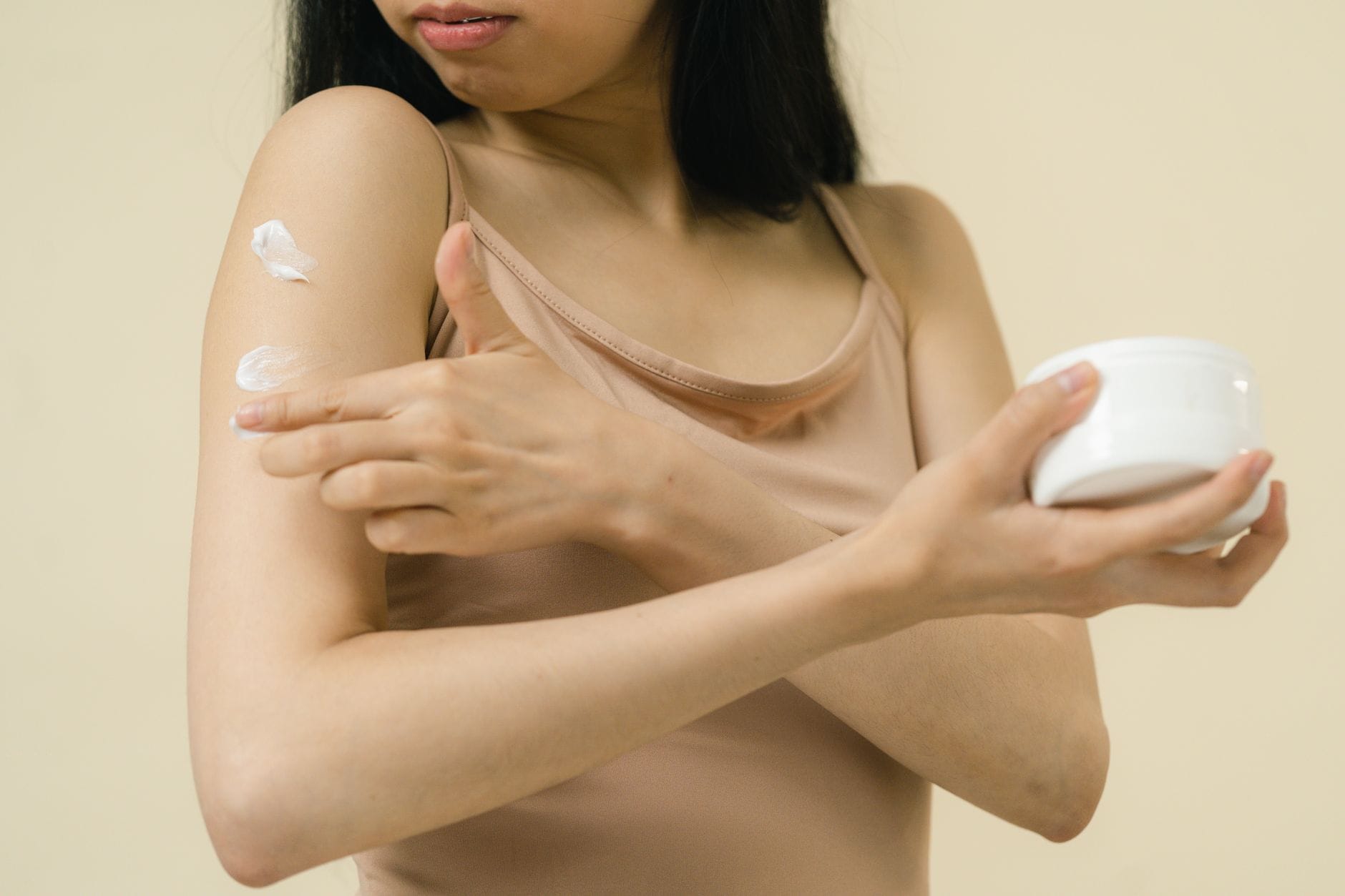
- Cool compresses: wet a clean washcloth with cold water, wring it out and place it on the itchy skin.
- Calamine lotion or hydrocortisone cream: calamine can reduce the itch, and hydrocortisone can help a mild case.
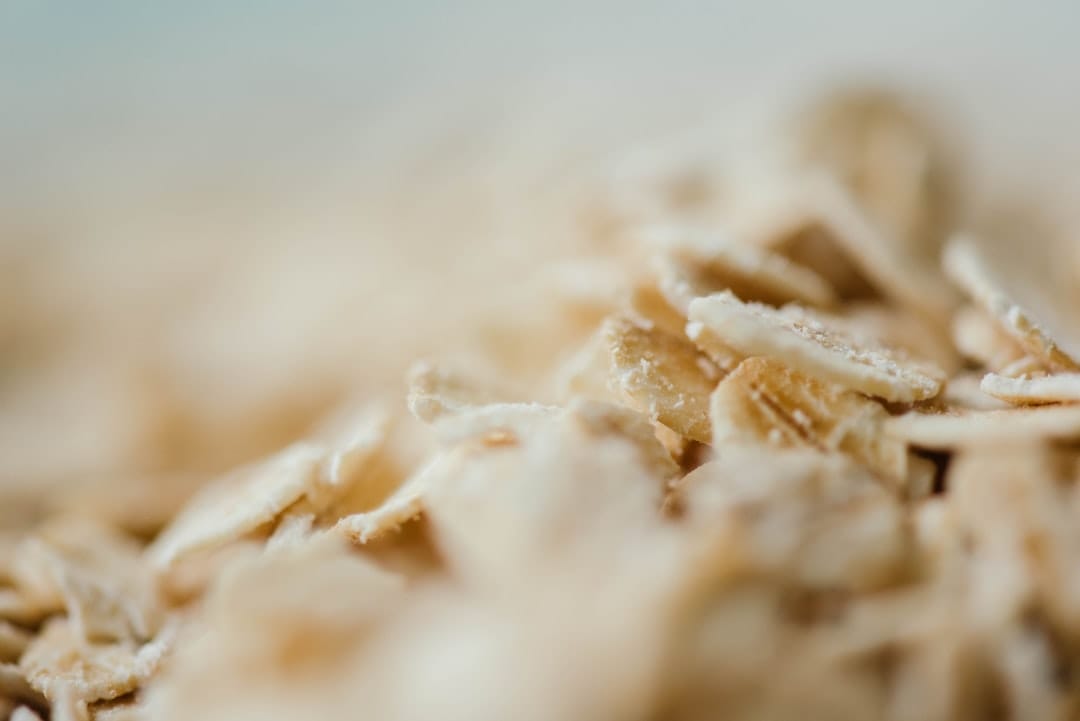
- Short, warm baths or cool showers: add colloidal oatmeal or 1 cup of baking soda to running bath water.
- Antihistamine pills: these can help reduce itching. Do not use antihistamine creams on the skin, because they can make the rash and itch worse.
- Leave the blisters alone: if one opens, do not pull off the skin on top of it: that skin is covering a raw wound and is what keeps infection out (1).
 Save
SavePoison Oak Remedies: What Has Evidence
| Remedy | What the evidence or experts say | Verdict |
|---|---|---|
| Wash skin right away | Warm soapy water, rubbing alcohol or dish soap soon after contact may remove some oil and prevent spread (1). In one test, plain dish soap beat jewelweed at preventing rash (5) | Recommended |
| Cool compresses | Recommended by dermatologists to relieve itch (1) | Recommended |
| Calamine lotion or hydrocortisone cream | Calamine can reduce the itch; hydrocortisone can help mild cases (1) | Recommended |
| Colloidal oatmeal or baking soda bath | Short, warm baths with colloidal oatmeal or 1 cup of baking soda can ease the itch (1) | Recommended |
| Antihistamine pills | Can help reduce itching (1) | Can help |
| Antihistamine creams | Applying antihistamine to the skin can worsen the rash and itch (1) | Avoid |
| Jewelweed | An extract did not work better than water in a small trial (4). Fresh mash helped prevent rash after exposure, but soap worked better (5) | Weak; soap is better |
| Barrier lotion (quaternium-18 bentonite) | Applied before exposure, it prevented or reduced reactions in a trial of 144 sensitive volunteers (6) | For prevention |
Natural Remedies: Jewelweed and Others
Jewelweed is the most famous plant remedy for poison ivy and oak, but studies are mixed. In a small randomized trial, a jewelweed extract applied to urushiol patch tests worked no better than distilled water (4). A later study found fresh jewelweed mash reduced rash after exposure, but extracts did not, and plain dish soap was more effective than any jewelweed preparation (5).
Other popular suggestions, such as essential oils, honey or clay pastes, have little or no clinical evidence for poison oak rash. Essential oils can also irritate skin on their own. Since washing and the dermatologist-recommended steps above are simple and cheap, they are the better first choice.
A 2023 review noted that treatment of this rash is still based largely on expert opinion and past practice, because recent research is limited (7).
How Long Poison Oak Lasts and Why It Seems to Spread
The rash can appear within a few hours in people who have reacted before. The first time someone reacts, it can take 2 to 3 weeks to appear. Blisters break, leak fluid and crust over, and the rash usually clears in 2 to 3 weeks, even without treatment (2).
It often looks as if the rash is spreading, but the rash itself cannot spread. What happens instead is (2):
- Areas with less oil react later than areas with more oil, so new patches appear over several days.
- You touch something that still has oil on it, such as unwashed clothing.
Your skin absorbs the oil quickly, so you can only spread oil from one part of your skin to another for a short time (2).
How long it lasts splits by whether you have reacted before: about 1 to 14 days if you have, and 21 days or longer the first time (2). Two other things are worth recognising. The itch can be severe enough to wake you out of a sound sleep. And a small number of people get black spots or black streaks on the skin instead of a red rash, with little redness or swelling; the name for it is black-spot poison-ivy dermatitis, and it is the plant’s resin, not something gone wrong (2).
Is It Contagious?
No. The rash is not contagious. Touching someone else’s rash will not give you one, and neither will their blister fluid. What can give you a rash is touching their skin or their clothing while the plant oil is still on it (8).
Three things that follow from the same fact, and that catch people out (8):
- Anyone can react, including a baby, and the rash looks the same in children as in adults. If it is a child’s first rash of this kind, have a clinician look at it, because other conditions look similar.
- These plants are poisonous all year, in winter too, and touching any part of them including the roots can do it.
- The oil sticks to fur. If a pet has been in it, you can pick the oil up off the animal; bathe it wearing rubber gloves. Most pets do not react themselves.
Repeated exposure tends to make the reaction worse rather than better, which is the opposite of what people expect (8).
When to See a Doctor or Go to the ER
Go to the emergency room immediately if you have (1):
- Difficulty breathing or swallowing
- A rash around one or both eyes, your mouth or your genitals
- Swelling on your face, especially if an eye has swollen shut
- Itching that worsens or makes it impossible to sleep
- A rash on most of your body
- A fever
See a dermatologist if the rash is on multiple areas, is severe with blisters and swelling, looks infected (redness, pain, pus or draining), you are not sure what caused it, or it is your first reaction to one of these plants (1). A doctor can prescribe stronger treatment when needed.
What a Doctor Can Prescribe
Over-the-counter hydrocortisone is for a mild rash. It will not control a severe or widespread one, and that is the point at which a dermatologist is the answer (1). What they usually reach for is a course of oral prednisone.
There is a widely repeated rule that a short steroid pack is a mistake because the rash rebounds when it ends. That rule has been tested, and it did not hold up. A randomised trial in 49 people with severe poison ivy compared five days of 40 mg prednisone with the same five days followed by a taper over a total of 15 days. Rash return, side effects and time to healing were not significantly different between the two. The one difference that did reach significance was that people on the longer course were less likely to reach for other medicines, 22.7% against 55.6% (9).
That is one trial in 49 people, so it settles the dosing argument for nobody. It is worth knowing for a different reason: if you are prescribed a short course, the evidence does not say you have been short-changed. The 2023 emergency medicine review of this condition says plainly that agreement on treatment remains varied and poorly supported (7), and a prescriber weighing your rash in front of them is better placed than a rule from the internet.
How to Prevent a Poison Oak Rash
- Cover your skin with long sleeves, long pants and gloves when outdoors where these plants grow (3).
- Consider an ivy blocker: in a trial, a lotion containing quaternium-18 bentonite applied before exposure prevented or reduced reactions (6). The AAD recommends applying an ivy blocker 15 minutes before going outdoors (3).
- Wash everything after being outside, including clothes in hot water with detergent, tools, pets and yourself, remembering to clean under your nails (3).
If your skin stays dry and irritated after the rash heals, our guide to moisturizing dry skin may help.
Frequently Asked Questions
What is the best home remedy for poison oak?
Wash the skin and everything that touched the plant as soon as possible, then use cool compresses, calamine lotion or hydrocortisone cream, and short warm baths with colloidal oatmeal or baking soda. These are the steps the American Academy of Dermatology recommends for mild rashes.
How long does a poison oak rash last?
The rash usually clears without treatment in 2 to 3 weeks. It can appear within a few hours in people who have reacted before, but may take 2 to 3 weeks to appear the first time someone reacts.
Can poison oak spread by scratching?
The rash itself cannot spread. Oil on the skin can be spread for a short time before the skin absorbs it, and new patches can appear later where less oil landed. Scratching can cause infection, so avoid it.
Does jewelweed work for poison oak?
The evidence is weak. A small trial found a jewelweed extract worked no better than water, while another study found fresh jewelweed mash helped prevent rash but plain soap worked better.
When should I go to the ER for poison oak?
Go to the emergency room for difficulty breathing or swallowing, a rash around the eyes, mouth or genitals, facial swelling, a rash on most of your body, a fever, or itching that makes it impossible to sleep.
Is poison oak contagious?
No. You cannot catch the rash from someone who has it, and the fluid in the blisters does not carry it either. You can get a rash from touching their skin or their clothes while the plant oil is still on them, which is a different thing and is why unwashed clothing keeps causing new rashes days later.
What are the stages of a poison oak rash?
Intense itching comes first, where the rash is about to appear. The rash follows, red and blistering. The blisters break and leak fluid, then crust over, and the skin clears. The whole thing runs about 1 to 14 days if you have reacted to one of these plants before, and 21 days or longer the first time. New patches appearing over several days are not the rash spreading; they are areas that had less oil on them reacting later.
The Bottom Line
The best poison oak remedy starts with washing off the oil from your skin, clothes, tools and pets as quickly as possible. After that, cool compresses, calamine lotion, hydrocortisone cream, colloidal oatmeal or baking soda baths and antihistamine pills can ease the itch while the rash clears in 2 to 3 weeks. Avoid antihistamine creams and scratching. Natural remedies such as jewelweed have weak evidence. Get emergency care for breathing problems, facial swelling or a rash near the eyes, mouth or genitals.
This article is for informational purposes only and is not a substitute for professional medical advice. See a doctor if your rash is severe, widespread, infected or near your eyes, mouth or genitals.
Related Articles
Home Remedies for Moisturizing Dry Skin: The Evidence
Home Remedies for Face Rashes: What Is Safe
Home Remedies for Bug Bites: What Helps
How to Remove a Splinter Safely, Step by Step
Patchouli Oil Benefits: What Is Actually Tested