

Which home remedies for moisturizing skin have research behind them, which popular options can make dry skin worse, and the daily habits dermatologists recommend.
Dry skin, called xerosis, happens when the outer layer of the skin loses water or the natural fats that keep moisture in. It can be triggered by cold weather, lifestyle habits and pollution, by aging and some medications, and by conditions such as atopic dermatitis, psoriasis, diabetes and an underactive thyroid (2).
Many home remedies for moisturizing skin use kitchen ingredients, but not all of them help. Some plant oils support the skin barrier, while others can weaken it (6, 7). This guide explains what the evidence shows.
Key Takeaways
- Moisturizers work by drawing water into the skin (humectants such as glycerin) and sealing it in (occlusives such as petroleum jelly) (2).
- Apply moisturizer while skin is still damp after bathing, and use creams or ointments rather than lotions (1).
- Coconut oil worked as well as mineral oil for dry skin in a small randomized trial (5).
- Olive oil weakened the skin barrier in volunteers and is not recommended for dry skin (6).
- Honey, aloe vera and cocoa butter are popular, but there is little clinical evidence that they treat dry skin (8, 9, 10).
Daily Habits That Relieve Dry Skin
The American Academy of Dermatology recommends these steps for dry skin (1):
- Keep baths and showers to 5 to 10 minutes in warm, not hot, water, and pat skin dry.
- Use a gentle, fragrance-free cleanser, only where needed.
- Apply moisturizer right after bathing, after washing your hands, and whenever skin feels dry.
- Choose an ointment or cream instead of a lotion.
- Run a humidifier in your bedroom, and clean it regularly to prevent mold.
- Wear gloves for dishwashing, gardening and cold weather, and choose loose cotton clothing.
- Avoid skin products with alcohol, fragrance or retinoids while your skin is dry.
How Moisturizers Work
Healthy skin holds water through natural moisturizing factors and a layer of fats that slows evaporation. Effective moisturizers combine humectants, which attract water (such as glycerol, urea and lactic acid), with occlusives, which form a seal (such as petrolatum and liquid paraffin) (2). A review of clinical studies found that most basic emollients are safe and effective for dry skin, and that ongoing use helps prevent it from coming back; the authors have received fees from skincare and drug companies (3).
Dermatologists suggest looking for creams or ointments with ingredients such as jojoba oil, dimethicone, glycerin, hyaluronic acid, lactic acid, lanolin, mineral oil, petrolatum or shea butter (1).
Home Remedies at a Glance
| Remedy | What research shows | Verdict |
|---|---|---|
| Petroleum jelly, mineral oil | Occlusive ingredients recommended for dry skin (1, 2) | Good choice |
| Coconut oil | As effective as mineral oil in a 2-week trial for dry skin (5) | Good choice |
| Sunflower seed oil | Preserved the skin barrier and improved hydration (6) | Good choice |
| Jojoba oil, shea butter | Listed among ingredients dermatologists recommend (1) | Good choice |
| Olive oil | Weakened the skin barrier and caused mild redness (6) | Avoid for dry skin |
| Honey | Used in cosmetics as an emollient and humectant; no trials for dry skin (8) | Unproven |
| Aloe vera gel | No benefit for radiation skin damage in trials; can cause contact dermatitis (10, 11) | Unproven |
| Cocoa butter | Did not prevent stretch marks in pregnancy (9) | Unproven for dry skin |
Natural Oils: Which Help and Which Hurt
Not all plant oils affect the skin the same way. Oils higher in linoleic acid tend to support barrier repair, while oils high in oleic acid can irritate the skin and weaken the barrier (7).
- Coconut oil: in a randomized double-blind trial of 34 people with mild to moderate dry skin, virgin coconut oil applied to the legs twice a day for 2 weeks improved hydration and skin surface lipids as well as mineral oil, without side effects (5).
- Sunflower seed oil: in adult volunteers, sunflower seed oil applied for 4 weeks preserved the skin barrier and improved hydration (6).
- Olive oil: in the same research, olive oil applied for 4 to 5 weeks significantly damaged the skin barrier and caused mild redness in people with and without a history of eczema. The researchers concluded that olive oil should not be used to treat dry skin (6).
- Jojoba oil and shea butter: both are on the American Academy of Dermatology’s list of helpful moisturizer ingredients (1).
- Mineral oil and petroleum jelly: inexpensive occlusives that dermatologists recommend, including petroleum jelly for dry lips (1, 2).
Apply oils to damp skin after a shower to help trap water. Cold-pressed oils without added fragrance are less likely to irritate (1, 7). For other plant oils used in skincare, see our guide to sandalwood oil.
Honey
 Save
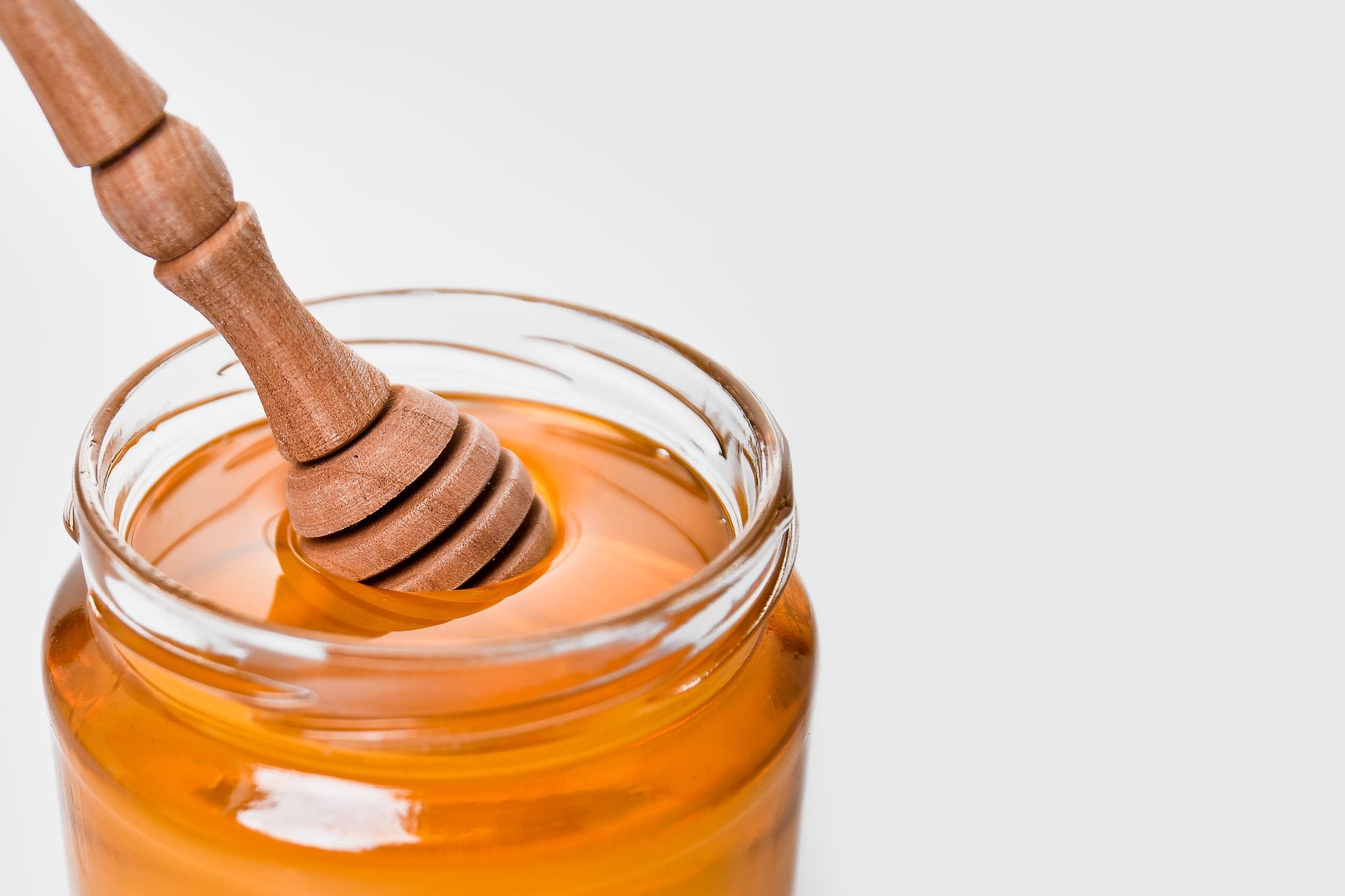
SaveHoney is used in lip balms, creams and cleansers, where it acts as an emollient and humectant, and medical-grade honey is used as a dressing for wounds and burns (8). However, there are no controlled trials showing that a homemade honey mask treats dry skin. If you try one, patch test first and rinse it off thoroughly.
Aloe Vera Gel
 Save
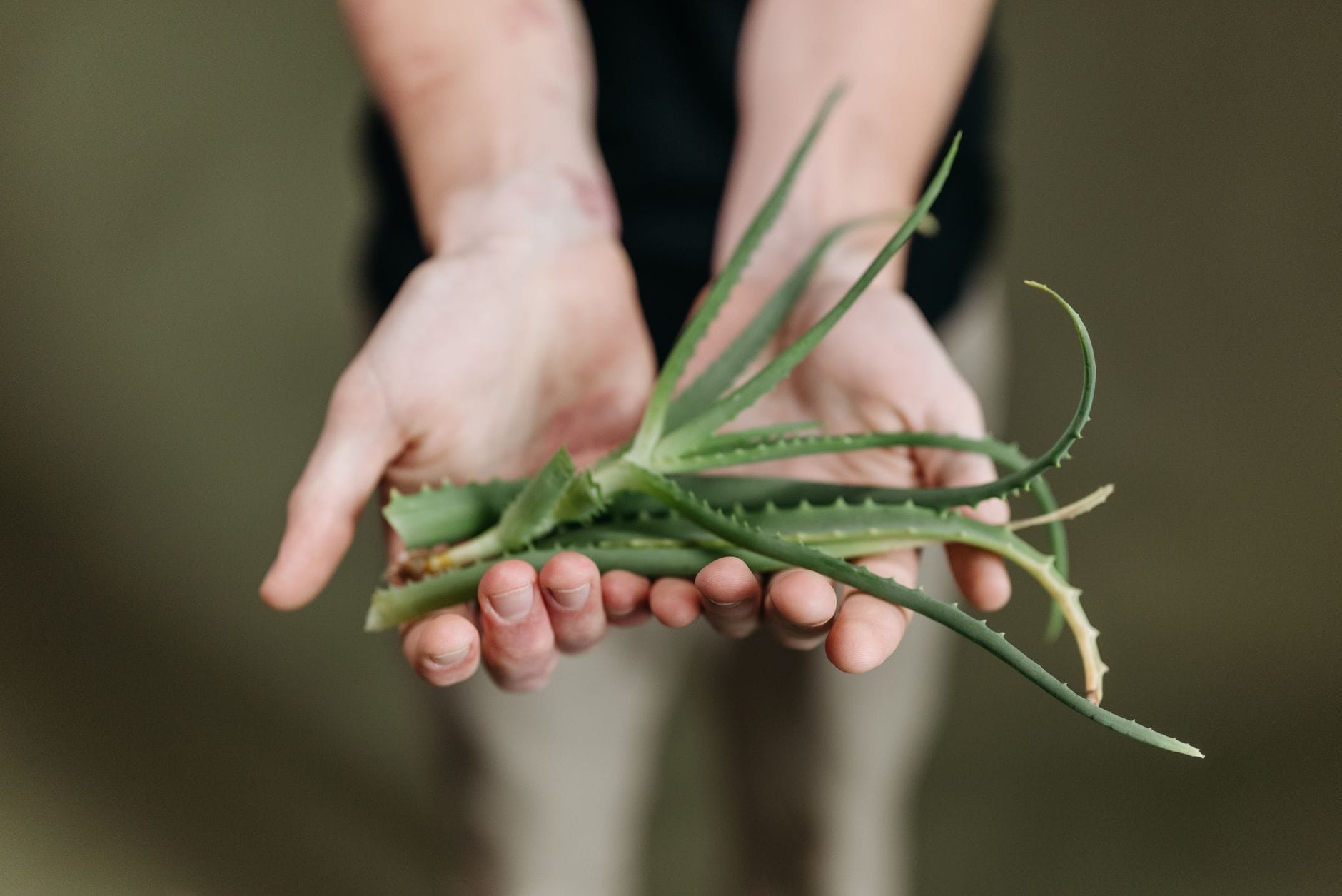
SaveAloe vera gel is popular for soothing skin, but the clinical evidence is limited. In two randomized trials in more than 300 women receiving breast radiation therapy, aloe vera gel did not prevent skin irritation, and it occasionally caused contact dermatitis (10). Reviews also note that aloe can cause skin irritation and allergic reactions (11). Test it on a small area first. Drinking aloe is a different matter, covered in our article on aloe vera juice.
Cocoa Butter and Oatmeal
Cocoa butter is a rich occlusive, but in a randomized trial of 175 pregnant women, a cocoa butter lotion did not prevent stretch marks compared with a placebo lotion (9). No trials have tested it specifically for dry skin. For what cocoa does when eaten, see our article on cacao benefits.
Oat-containing moisturizers are often recommended for sensitive skin. In a Cochrane review of people with eczema, oat moisturizers did not clearly reduce eczema severity compared with controls but were linked to fewer flares, based on low-quality evidence (4).
If You Have Eczema
A Cochrane review of 77 trials found that moisturizers reduced eczema severity and flares, lengthened the time before a flare, and lowered the amount of steroid cream needed. The review found no reliable evidence that any one moisturizer is better than another (4). Use a moisturizer you like and will apply consistently, alongside any treatment your doctor prescribes.
Remedies to Skip
- Olive oil on dry or eczema-prone skin, because it can weaken the skin barrier (6).
- Fragranced or alcohol-based products, including many scented oils and homemade mixes with perfume or essential oils (1). Vanilla and other fragrances can occasionally cause allergic rashes; see our article on vanilla for skin.
- Harsh or deodorant soaps, which dry out sensitive skin (1).
If you have oily or acne-prone skin, a light, fragrance-free moisturizer is usually enough; for other ideas, see our guide to homemade toners for oily skin.
When to See a Dermatologist
See a board-certified dermatologist if your skin stays dry after following these steps, or if moisturizers burn or sting. Ongoing dry skin can be caused by an underlying condition such as atopic dermatitis, psoriasis or kidney disease, which needs treatment (1).
Frequently Asked Questions
What is the best home remedy for dry skin?
Short, warm showers, a gentle fragrance-free cleanser and applying a moisturizer while skin is still damp are the core steps dermatologists recommend. Petroleum jelly, mineral oil, coconut oil and sunflower seed oil all have evidence as simple moisturizers.
Is coconut oil good for dry skin?
In a randomized trial of 34 people with mild to moderate dry skin, virgin coconut oil applied twice a day for 2 weeks improved skin hydration as well as mineral oil, with no side effects.
Is olive oil good for dry skin?
Probably not. In a study in adult volunteers, applying olive oil for 4 weeks weakened the skin barrier and caused mild redness, while sunflower seed oil preserved the barrier and improved hydration. Researchers advised against using olive oil for dry skin.
Does aloe vera moisturize skin?
Aloe vera gel is widely used on the skin, but there is little clinical evidence that it treats dry skin. In two large trials, aloe gel did not prevent skin irritation from radiation therapy, and it can occasionally cause contact dermatitis.
When should I see a doctor for dry skin?
See a dermatologist if your skin stays dry after following these steps, or if it cracks, bleeds or itches a lot. Ongoing dry skin can be a sign of conditions such as atopic dermatitis, psoriasis, kidney disease, diabetes or an underactive thyroid.
The Bottom Line
The most reliable way to moisturize dry skin at home is simple: short, warm showers, a gentle fragrance-free cleanser, and a cream, ointment or oil applied to damp skin every day. Petroleum jelly, mineral oil, coconut oil, sunflower seed oil, jojoba oil and shea butter are good options. Skip olive oil on dry skin, and treat honey, aloe vera and cocoa butter as unproven. If dryness does not improve, see a dermatologist.
This article is for informational purposes only and is not a substitute for professional medical advice. Consult a dermatologist or qualified healthcare provider before trying new skin treatments, especially if you have a skin condition, allergies, or sensitive skin.
Related Articles
How to Remove a Splinter Safely, Step by Step
Homemade Toners for Oily Skin: What Works and What to Skip
Aloe Vera Juice Benefits and Risks: What the Research Shows
Cacao Benefits for Skin, Hair and Heart: What Research Shows
Sandalwood Oil Benefits for Skin, Hair & Health
Vanilla Benefits for Skin, Hair and Health: The Evidence
Poison Oak Remedy: What Dermatologists Recommend
Natural Remedies for Herpes: What the Evidence Shows
Home Remedies for Face Rashes: What Is Safe