

A few gentle homemade toners can suit oily skin — and a few popular DIY ingredients are better left in the kitchen.
If your face turns shiny a few hours after washing, it is tempting to reach for something that promises to cut the grease. Homemade toners for oily skin are cheap and easy to make, and some of them are genuinely pleasant to use.
It helps to be clear about what a toner can and cannot do, though. It will not shrink your pores, and it is not essential to a good routine. Several ingredients that often appear in DIY recipes — lemon juice, camphor, and mango seed among them — can irritate or even burn skin. This guide covers the homemade toners with some evidence behind them, the ones to skip, and what dermatologists actually recommend for oily skin.
Key Takeaways
- A toner is optional. Dermatologists’ main advice for oily skin is gentle cleansing, oil-free products, moisturizer, and blotting papers (1).
- No toner can permanently shrink pores; keeping them clear and protecting skin from the sun makes them less noticeable (2).
- Green tea has the best evidence among kitchen ingredients: topical green tea extract reduced acne lesions in a meta-analysis of trials (4).
- Aloe vera, alcohol-free witch hazel, rose water, and cucumber are gentle options with limited but reasonable support (5, 7, 8).
- Skip lemon and lime juice, which can cause burn-like reactions in sunlight, and camphor, which is toxic (10, 13).
- Homemade toners have no preservatives. Make small batches, refrigerate them, and use them within a few days.
Do You Actually Need a Toner for Oily Skin?
Not necessarily. The American Academy of Dermatology’s tips for oily skin are to wash your face up to twice a day and after sweating without scrubbing, choose oil-free and non-comedogenic products, use a gentle foaming cleanser, moisturize, wear sunscreen, and press blotting papers on your skin during the day. It also advises avoiding alcohol-based products, which can irritate skin (1). A toner is not on that list.
It is also worth knowing what toners cannot do. Pores look larger when they are clogged, when skin is oily or inflamed, and as skin loses firmness with age and sun damage. Dermatologists talk about making pores less noticeable — not about shrinking them (2).
If you like the feel of a toner, a gentle homemade one is fine. Just keep expectations realistic: a review of complementary and alternative treatments for acne found insufficient evidence overall to recommend them (3), and the ingredients cosmetic dermatologists agree work best for oily skin and large pores are salicylic acid, benzoyl peroxide, and retinoids (9).
Homemade Toners With Some Evidence
1. Green tea
 Save
SaveGreen tea is the best-supported kitchen ingredient for oily, breakout-prone skin. A meta-analysis of five randomized trials found that green tea extract applied to the skin significantly reduced both inflammatory and non-inflammatory acne lesions, without significant side effects, while drinking green tea extract had little effect (4). Those trials used prepared extracts, so a cup of brewed tea is weaker, but it is a gentle, low-risk option.
How to make it: Steep one green tea bag in a cup of just-boiled water for 3 to 5 minutes, remove the bag, and let it cool completely. Pour into a clean bottle, refrigerate, and apply with a cotton pad after cleansing.
2. Aloe vera
Aloe vera gel is soothing and widely used in skincare. In a randomized, double-blind trial of 60 people with mild to moderate acne, adding a 50% aloe vera gel to tretinoin cream worked better than tretinoin alone and reduced redness (5). A dermatology review notes aloe’s anti-inflammatory and moisturizing properties, while cautioning that more controlled trials are needed (6).
How to make it: Stir 2 tablespoons of pure aloe vera gel into a cup of cool, previously boiled water and shake well. If you use gel straight from a leaf, take only the clear inner gel and avoid the yellow layer under the skin. Patch test first, since some people are allergic to aloe. Drinking aloe is a different matter with its own trade-offs — see what happens when you drink aloe vera juice.
3. Witch hazel (alcohol-free)
Witch hazel is a traditional astringent that contains tannins, flavonoids, and other compounds with antimicrobial and anti-inflammatory activity in laboratory and animal studies, supported by a small number of clinical trials (7). Choose an alcohol-free version, since alcohol can dry and irritate skin (1).
How to use it: Mix equal parts alcohol-free witch hazel and rose water, or use witch hazel on its own on a cotton pad once a day to start.
4. Rose water
Rose water is one of the gentlest options and is well tolerated by most people. Rose extracts have shown antibacterial and antioxidant effects in laboratory research (8), though there are no good trials showing rose water reduces oil or breakouts. Think of it as a refreshing, low-risk step rather than a treatment.
5. Cucumber
 Save
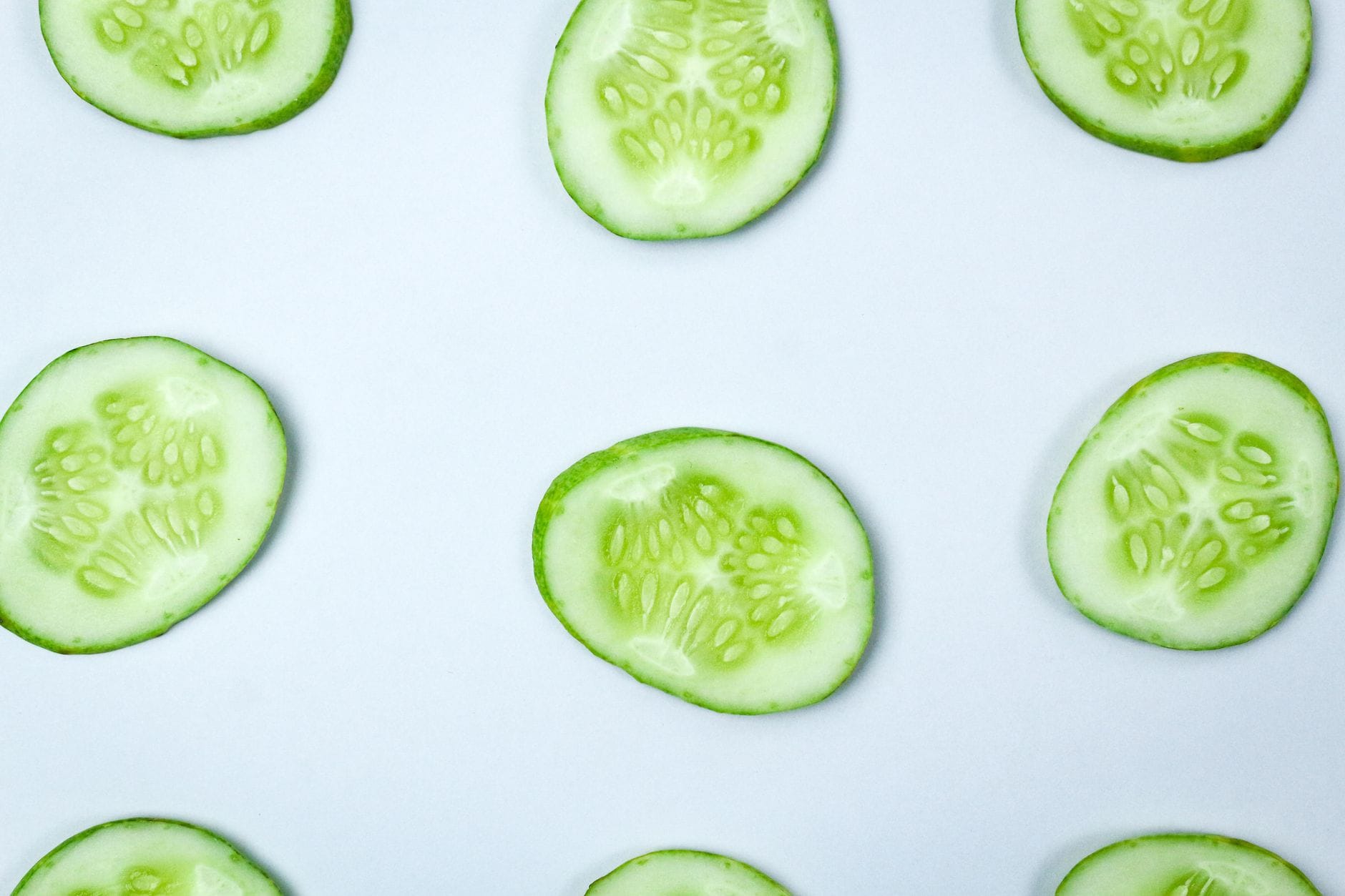
SaveCucumber is cooling and hydrating, and many people like it after cleansing. There is no evidence that it controls oil or acne, but it is gentle.
How to make it: Blend half a peeled cucumber with half a cup of cool, previously boiled water, strain through a fine sieve or coffee filter, and refrigerate. Use within two days, as it spoils quickly.
6. Cold water
The simplest option of all: a splash of cool water after cleansing feels refreshing and costs nothing. It will not change oil production, but it is a perfectly good substitute if you do not want a toner.
DIY Ingredients to Skip
- Lemon or lime juice, and citrus peel. Citrus juice on the skin followed by sunlight can cause phytophotodermatitis, a reaction that looks like a burn, can blister, and may leave dark marks for months (10, 11). Recipes that suggest lemon to “fade a tan” are asking for trouble. The same reaction is why lemon juice and sun don’t mix.
- Strong or undiluted vinegar. Vinegar is acidic and can sting and irritate. Evidence that it helps skin is thin: in a small study, two weeks of soaking skin in diluted apple cider vinegar did not change its bacteria (12). If you try it at all, dilute it heavily, patch test, and stop at the first sign of burning.
- Camphor. Camphor is absorbed through the skin and is toxic in small amounts. Exposure to as little as 500 mg has been linked to deaths in children, and seizures are a common serious complication (13, 14). Do not dissolve it into a face toner, and keep camphor products away from children.
- Mango seed or peel. Mango is a recognized cause of allergic contact dermatitis, especially in people already sensitized to poison ivy or poison oak, because the plants share related allergens (15).
- Alcohol-based astringents. Harsh, alcohol-based products can irritate skin and make oiliness look worse (1).
How to Use a Homemade Toner Safely
- Patch test every new mixture. Apply a little to your inner forearm or jawline once a day for a few days before using it on your whole face.
- Start once a day after cleansing, and only increase to twice a day if your skin is comfortable.
- Use clean tools. Apply with a fresh cotton pad, and store the toner in a washed bottle with a lid.
- Refrigerate and make small batches. Homemade toners have no preservatives. Use them within a few days and throw them out if they smell, turn cloudy, or change color.
- Follow with moisturizer and sunscreen. Oily skin still needs a light, oil-free moisturizer, and daily sunscreen helps keep pores from looking larger as skin ages (2).
- See a dermatologist if you have persistent acne, painful breakouts, or skin that does not improve with gentle care.
Frequently Asked Questions
Do I need a toner if I have oily skin?
No. Dermatologists’ core advice for oily skin is to wash gently up to twice a day, use oil-free and non-comedogenic products, moisturize, and use blotting papers during the day. A toner is optional. If you like the step, choose a gentle, alcohol-free one.
Can a toner shrink pores?
Not permanently. Pores look bigger when they are clogged, when skin is oily or inflamed, and as skin loses firmness. You can make them less noticeable by keeping them clear, using sunscreen, and using ingredients such as retinoids or salicylic acid, but a toner does not change their actual size.
Is apple cider vinegar good for oily skin?
The evidence is thin. Vinegar is acidic and can sting or irritate, and in a small study, soaking skin in diluted apple cider vinegar for two weeks did not change its bacteria. If you want to try it, dilute it heavily, patch test first, and stop if your skin burns or turns red. Never use it undiluted.
Is rose water good for oily skin?
It is gentle and most people tolerate it well, which makes it a reasonable alcohol-free toner. Lab studies show rose extracts have antibacterial properties, but there are no good trials showing rose water reduces oil or acne.
Can I put lemon juice on my face?
It is not a good idea. Citrus juice on the skin followed by sunlight can cause phytophotodermatitis, a reaction that looks like a burn and can blister and leave dark marks for months. Lemon is also very acidic and irritating on its own.
How long does a homemade toner last?
Not long. Homemade toners have no preservatives, so bacteria and mold can grow in them. Make small amounts, keep them in a clean bottle in the fridge, use them within a few days, and throw them away sooner if they smell, look cloudy, or change color.
The Bottom Line
The best homemade toners for oily skin are gentle ones: cooled green tea, diluted aloe vera, alcohol-free witch hazel, rose water, or cucumber. Green tea has the strongest evidence, with topical extracts reducing acne lesions in clinical trials. None of them will shrink pores, and a toner is optional rather than essential. Leave lemon juice, camphor, mango seed, and harsh vinegar out of your routine, make small refrigerated batches, patch test first, and put your effort into the basics dermatologists recommend — gentle cleansing, oil-free products, moisturizer, and sunscreen. If your skin runs dry rather than oily, the cleansing bar itself matters more than any toner — we went through what goat milk soap can and cannot do for skin.
This article is for informational purposes only and is not a substitute for professional medical advice. Consult a dermatologist or qualified healthcare provider before trying new skincare remedies, especially if you have sensitive skin, allergies, or an existing skin condition.
Related Articles
How to Reduce Swelling on Face: Causes and Safe Remedies
What Actually Happens When You Drink Aloe Vera Juice Every Day
Side Effects of Too Much Lemon Water
Patchouli Oil Benefits: What Is Actually Tested