

The benefits of goat milk soap examined: what is known about milk proteins and lactic acid in skin care, which claims are unproven, and why “hypoallergenic” labels can be misleading.
Goat milk soap is a bar soap made with goat milk, often combined with plant oils. It is popular among people looking for a gentle cleanser for dry or sensitive skin, and it is widely marketed with claims about acne, eczema and anti-aging.
The benefits of goat milk soap have not been tested in clinical trials. Milk proteins are used in cosmetics and have been studied for various skin-related properties, mostly in the lab (4). At the same time, goat milk soap is not hypoallergenic: it has caused goat’s milk allergy in people with eczema (2).
Key Takeaways
- No clinical trials show that goat milk soap treats acne, eczema, psoriasis or aging skin.
- Milk proteins have been studied for antibacterial, antioxidant and soothing properties, mostly in lab research (4).
- Goat milk soap is not hypoallergenic; it has caused goat’s milk allergy in a family with atopic dermatitis (2).
- Dermatologists recommend gentle, fragrance-free cleansers and moisturizers for dry, sensitive skin (1).
- Claims that goat milk soap protects against UV damage because of its selenium content are not supported (7).
What Is in Goat Milk Soap?
 Save
SaveMilk contains proteins such as casein, β-lactoglobulin, α-lactalbumin, lactoferrin and lysozyme. A review of milk proteins in cosmetics described antibacterial, antifungal, antioxidant and immunomodulatory properties, and noted that milk-based products are used in skin care for moisturizing, soothing and acne-prone skin (4). Most of this evidence concerns milk ingredients and formulated products, not goat milk soap specifically.
Milk also contains lactic acid, a type of hydroxy acid. Hydroxy acids are widely used in cosmetic and dermatology products, including for acne and aging skin, although their mechanisms and effects on sun-exposed skin need more study (5). Lactic acid is also one of the ingredients dermatologists suggest looking for in creams for dry skin (1). How much active lactic acid survives in a bar of soap, and whether it has any effect during a quick wash, is unknown.
Benefits of Goat Milk Soap: What the Evidence Shows
| Claim | What the evidence shows | Verdict |
|---|---|---|
| Clears acne, eczema or psoriasis | No clinical trials of goat milk soap for these conditions found | Not proven |
| Milk proteins benefit skin (4) | Review of milk proteins in cosmetics; mostly lab and product-ingredient research | Plausible, not proven for soap |
| Anti-inflammatory (6) | Goat milk affected immune cells in a lab (in vitro) system | Lab only |
| Lactic acid exfoliates (1, 5) | Lactic acid is a hydroxy acid used in skin products and moisturizers | Ingredient is real; amount in soap unknown |
| Protects against UV via selenium (7, 8) | Goat milk contains selenium; little is known about selenium protecting human skin | Not supported |
| Hypoallergenic (2, 3) | Goat milk soap caused goat milk allergy in a family with eczema | False |
Acne
Milk proteins have been studied in cosmetic products for reducing acne lesions and regulating oil (4), but no trials have tested goat milk soap for acne. People with acne-prone skin are better served by gentle cleansing and proven acne treatments; see our guide to home remedies for clear skin.
Inflammation and sensitive skin
In a laboratory system using human immune cells, goat’s milk triggered immune responses and inhibited the activation of monocytes by bacterial toxins (6). This does not show that washing with goat milk soap calms inflamed skin. For people with eczema, food-based skin care products may actually carry a risk (2).
Aging and sun protection
Goat milk contains selenium, mostly bound to milk proteins (8). Selenium is part of the body’s antioxidant defenses and has been studied for protecting skin cells from UV damage, but little is known about whether it protects human skin (7). A soap that is rinsed off will not protect against sun damage. Use a broad-spectrum SPF 30+ sunscreen instead (1).
Allergy Risk: Why “Hypoallergenic” Is Misleading
 Save
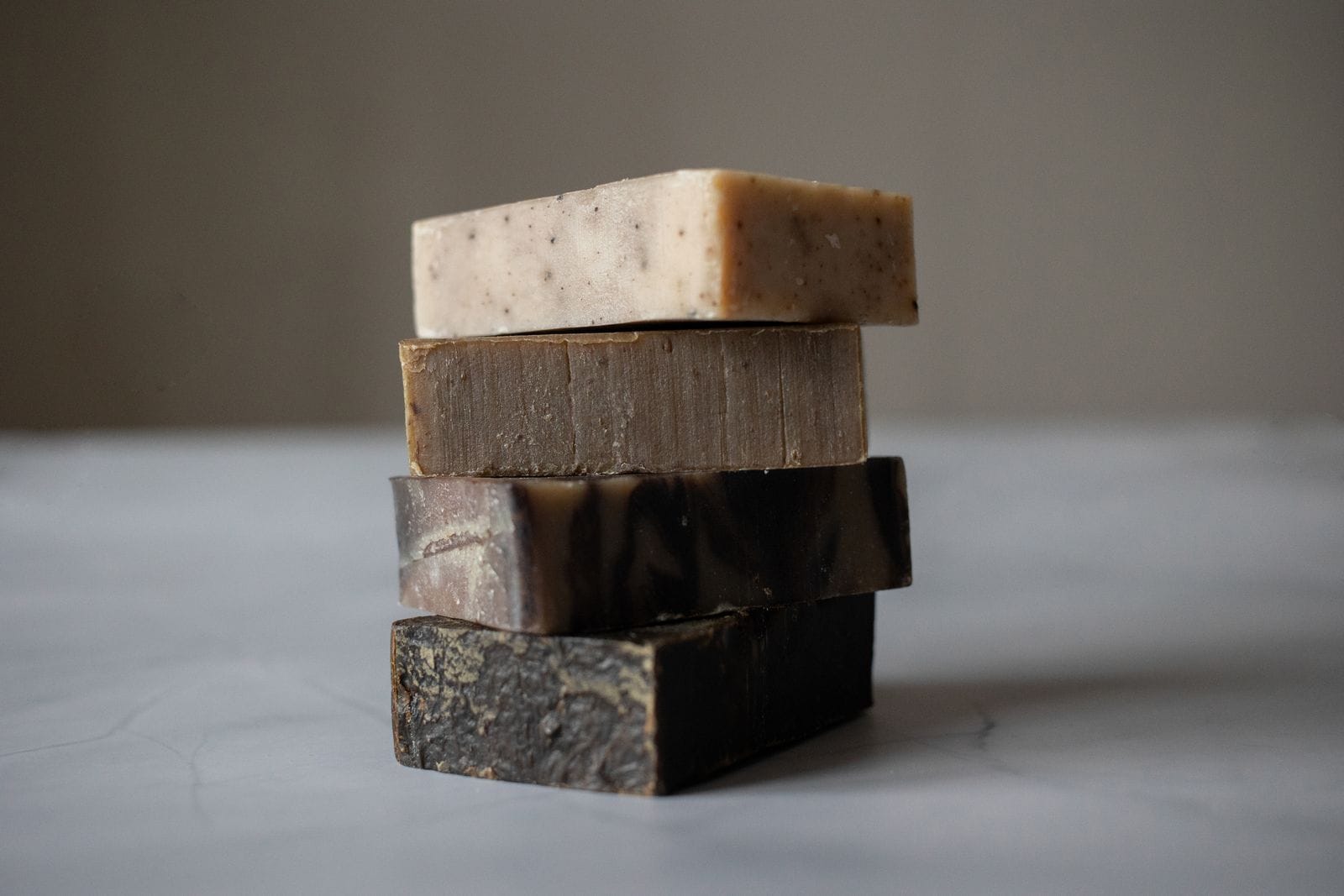
SaveFood proteins applied to the skin can cause allergy, especially when the skin barrier is damaged. In one reported case, members of a household with pre-existing atopic dermatitis developed goat’s milk allergy after using a goat milk soap marketed for sensitive skin. The doctors concluded that soaps can be an effective vehicle for sensitization and advised people with atopic dermatitis to avoid food-based skin care products (2). Allergy to both topical and oral goat products has also been reported in Australia (3).
- Avoid it if you are allergic to goat’s milk, and be cautious if you have eczema or broken skin (2).
- Choose fragrance-free bars: fragrance, including essential oils, can irritate dry, sensitive skin (1).
- Patch-test first: try the soap on a small area for a few days and stop if you notice itching, redness or a rash.
How to Use Goat Milk Soap for Dry Skin
If your skin tolerates goat milk soap, follow the same habits dermatologists recommend for dry skin (1):
- Limit baths and showers to 5 to 10 minutes in warm water.
- Use only enough cleanser to remove dirt and oil, mainly where you need it.
- Pat skin dry gently and apply a fragrance-free cream or ointment right away, while skin is still damp.
- Look for moisturizers with ingredients such as glycerin, lactic acid, shea butter or petrolatum.
- See a board-certified dermatologist if dry skin persists, since it can be caused by conditions such as atopic dermatitis or psoriasis.
For more ideas, see our guides to moisturizing dry skin and the psoriasis diet.
Frequently Asked Questions
What are the benefits of goat milk soap?
Goat milk soap can be a gentle cleanser for some people, and milk proteins and lactic acid are used in skin care products. However, no clinical trials show that goat milk soap treats acne, eczema, psoriasis or aging skin. Most claims come from soap makers or from research on milk ingredients rather than on the soap itself.
Is goat milk soap hypoallergenic?
No. Goat milk proteins can cause allergy. In one reported family with atopic dermatitis, using a goat milk soap marketed for sensitive skin led to goat’s milk allergy, and the doctors advised people with eczema to avoid food-based skin care products.
Is goat milk soap good for eczema?
It has not been shown to help, and it may carry a risk. Skin with a damaged barrier, as in eczema, may become sensitized to food proteins in soaps. Dermatologists recommend gentle, fragrance-free cleansers and regular moisturizing for dry, sensitive skin.
Can I use goat milk soap every day?
Many people can, if their skin tolerates it. Choose a fragrance-free bar, keep showers to 5 to 10 minutes in warm water, pat skin dry and apply a fragrance-free moisturizer right away. Stop using it if you notice redness, itching or a rash.
Who should avoid goat milk soap?
People with a known allergy to goat’s milk or cow’s milk proteins, and people with atopic dermatitis or broken skin, should be cautious or avoid it. Bars with added essential oils or fragrance can also irritate dry, sensitive skin.
The Bottom Line
Goat milk soap can be a pleasant, gentle cleanser for some people, and milk proteins and lactic acid are used in skin care. But the popular benefits of goat milk soap, such as treating acne, eczema, psoriasis or aging skin, have not been tested in clinical trials, and claims about UV protection are unsupported. It is not hypoallergenic: goat milk soap has caused goat’s milk allergy in people with eczema. If you try it, choose a fragrance-free bar, patch-test first, moisturize after washing, and avoid it if you have a milk allergy or broken, eczema-prone skin.
This article is for informational purposes only and is not a substitute for professional medical advice, diagnosis, or treatment. Always consult a qualified healthcare provider or dermatologist before trying new skin products, especially if you have eczema, allergies, or another skin condition.
Related Articles
Home Remedies for Moisturizing Dry Skin: The Evidence
Home Remedies for Clear Skin: What Helps and What Harms
Homemade Toners for Oily Skin: What Works and What to Skip
Psoriasis Diet Guide – Foods to Eat and Avoid
Sour Cream Nutrition: Calories, Fat and Calcium Compared