

A psoriasis diet explained: what the National Psoriasis Foundation recommends, the evidence for weight loss, gluten-free and Mediterranean eating, foods that may worsen inflammation, and how diet fits with medical treatment.
Psoriasis is a chronic disease in which an overactive immune system causes skin cells to multiply too quickly, leading to scaly, inflamed patches, most often on the scalp, elbows or knees (3). There is no single psoriasis diet that cures it, but research suggests nutrition can influence the inflammation behind the disease (4).
In 2018, the Medical Board of the National Psoriasis Foundation reviewed 55 studies and issued dietary recommendations for adults with psoriasis. Its strongest recommendation was weight loss with a lower-calorie diet for people who are overweight or obese, and it stressed that diet should always be combined with standard medical treatment (1).
Key Takeaways
- The National Psoriasis Foundation strongly recommends a lower-calorie diet for weight loss in overweight or obese adults with psoriasis (1).
- A gluten-free diet is only weakly recommended, and only for people who test positive for gluten sensitivity markers (1).
- Saturated fats, simple sugars, red meat and alcohol may worsen psoriasis through inflammatory pathways (4).
- Closer adherence to a Mediterranean diet has been linked to less severe psoriasis in an observational study (5).
- Diet works alongside, not instead of, prescribed psoriasis treatment (1).
What Psoriasis Is
In psoriasis, immune cells become active and produce molecules that set off rapid production of skin cells, which is why the skin becomes inflamed and scaly. Scientists believe it involves a combination of genetics and environmental factors, and many people with psoriasis have a family history of the disease (3). In a nationwide study from Taiwan, people with an affected first-degree relative had about 5.5 times the risk of psoriasis (7).
Psoriasis is more common in adults than in children and affects men and women equally. Having psoriasis raises the risk of other conditions, including psoriatic arthritis, cardiovascular events, diabetes, metabolic syndrome, obesity and Crohn’s disease (3). Managing common triggers such as stress and skin injuries can help keep symptoms under control (3).
What the Evidence Supports
| Dietary approach | National Psoriasis Foundation recommendation (2018) |
|---|---|
| Weight loss with a lower-calorie diet (overweight or obese adults) | Strongly recommended for psoriasis |
| Gluten-free diet | Weakly recommended, only for people who test positive for gluten sensitivity markers |
| Other foods, nutrients and dietary patterns | May affect psoriasis, based on low-quality data |
| Vitamin D supplements (psoriatic arthritis) | Weakly recommended |
| All dietary changes | Should be used together with standard medical treatment |
Weight loss for people who are overweight
In a randomized clinical trial, 60 overweight or obese adults with psoriasis followed either a low-energy diet of 800 to 1,000 calories a day for 8 weeks, then 1,200 calories a day for 8 weeks, or continued eating ordinary healthy foods. After 16 weeks, the diet group lost 15.4 kg more than controls. Psoriasis severity showed a trend toward improvement that was not statistically significant, while quality of life improved significantly (2). Based on this and other studies, the National Psoriasis Foundation strongly recommends dietary weight reduction for overweight and obese patients (1). A sustainable calorie deficit diet is a practical starting point.
Gluten-free diets
People with psoriasis have a higher prevalence of other autoimmune diseases, including celiac disease, and the two conditions appear to share genetic and inflammatory pathways (6). The National Psoriasis Foundation weakly recommends a gluten-free diet only for people who test positive for serologic markers of gluten sensitivity (1). Ask your doctor about testing before cutting out gluten.
Mediterranean diet
In a cross-sectional study of 62 people with psoriasis and 62 matched controls, lower adherence to the Mediterranean diet was more common in people with psoriasis. Adherence was independently associated with lower disease severity, and extra-virgin olive oil and fish intake were linked to lower severity scores and C-reactive protein levels (5). Because this was an observational study, it cannot show that the diet improves psoriasis. Mediterranean breakfast ideas are an easy way to try this pattern.
Foods That May Worsen Inflammation
 Save
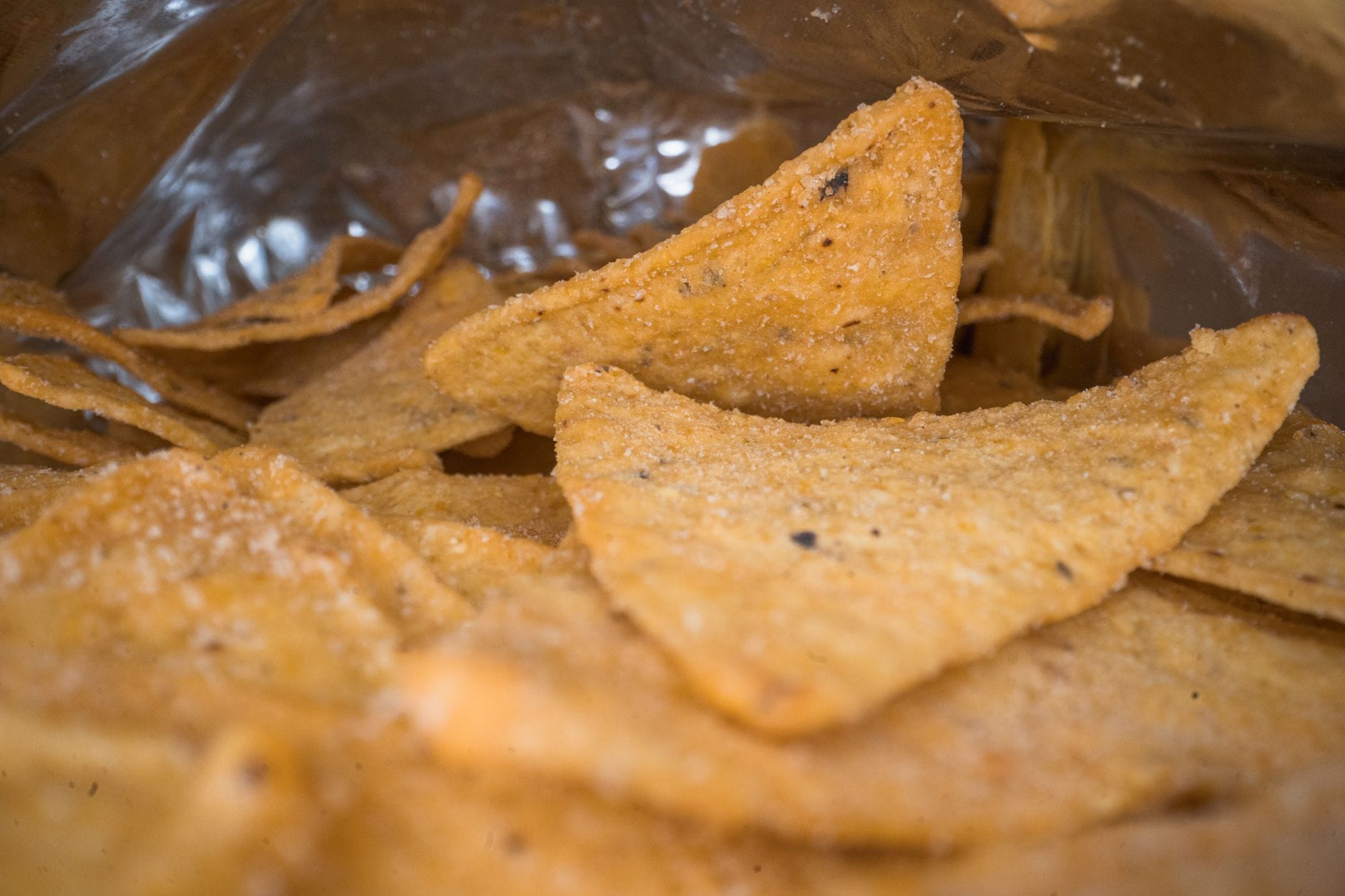
SaveA 2020 review of nutrition and psoriasis reports that people with psoriasis often eat more fat and less fish and fiber than people without it. According to the review, saturated fatty acids, simple sugars, red meat and alcohol may exacerbate psoriasis by activating inflammatory pathways, increasing reactive oxygen species and disturbing the gut microbiota (4). Much of this evidence comes from laboratory and observational studies, and the National Psoriasis Foundation describes data on individual foods as low quality (1).
- Foods high in saturated fat, including many highly processed snacks
- Sugary foods and drinks; a low-glycemic diet can help reduce simple sugars
- Red meat
- Alcohol
Triggers vary between people. Keeping a food and symptom diary can help you and your doctor or dietitian identify patterns without cutting out whole food groups unnecessarily.
Foods Worth Including
 Save
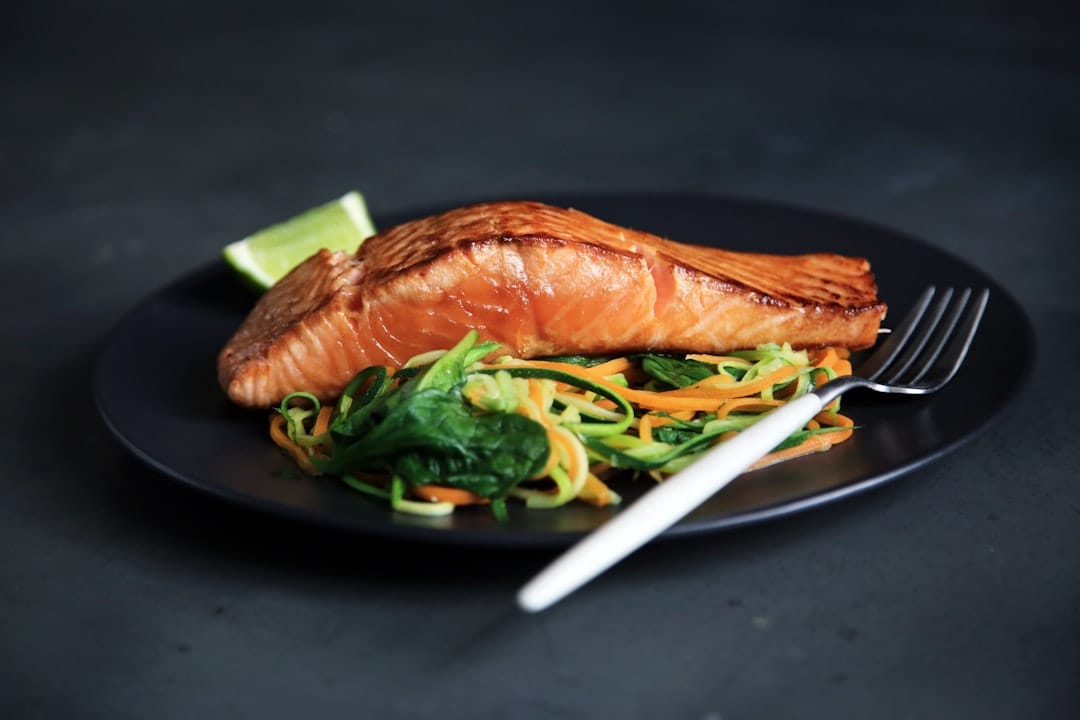
SaveThe same review describes omega-3 polyunsaturated fatty acids, dietary fiber, vitamin D, selenium and probiotics as nutrients that may help ease psoriasis by suppressing inflammatory pathways (4). In practice, an eating pattern that supports this includes:
- Fatty fish such as salmon and sardines
- Extra-virgin olive oil as the main cooking and dressing fat (5)
- Vegetables, fruits, legumes and whole grains for fiber
If you also have joint symptoms, the approach overlaps with an arthritis diet. Talk to your doctor before taking supplements such as vitamin D or selenium, since the need depends on your blood levels.
Inflammation Markers and Psoriasis
A meta-analysis of 78 studies found that people with psoriasis, mostly with severe disease, had modestly higher blood levels of inflammatory markers such as C-reactive protein, IL-6 and TNF-alpha than healthy controls (8). In a study of 41 patients treated with the biologic drug etanercept, CRP, fibrinogen and ESR fell with treatment and helped reflect disease severity and response (9). These tests are used by doctors to assess disease and treatment; they have not been validated as a way to monitor dietary changes.
Beyond Diet
Psoriasis treatment depends on the type and severity of disease, from creams and ointments for mild psoriasis to pills, injections or light therapy for moderate and severe disease (3). Stress also matters: in a 20-week prospective study, psychological distress was correlated with psoriasis severity (10). Gentle skin care, such as these ways to keep skin moisturized, can support comfort between flares.
Before making major dietary changes, especially cutting out food groups, talk to your doctor or a registered dietitian so your diet stays nutritionally complete and fits with your treatment.
Frequently Asked Questions
Can a psoriasis diet cure psoriasis?
No. Psoriasis is a chronic immune-mediated disease that can be managed but not cured. The National Psoriasis Foundation Medical Board recommends that dietary changes be used together with standard medical treatments, not instead of them.
Does losing weight help psoriasis?
For people who are overweight or obese, the National Psoriasis Foundation strongly recommends weight loss with a lower-calorie diet. In a randomized trial of 60 overweight adults, a low-energy diet led to about 15 kg more weight loss, a trend toward lower psoriasis severity and a significant improvement in quality of life.
Should people with psoriasis go gluten-free?
Only if testing suggests gluten sensitivity. The National Psoriasis Foundation weakly recommends a gluten-free diet only for people with positive serologic markers of gluten sensitivity, since people with psoriasis have a higher prevalence of celiac disease.
What foods may make psoriasis worse?
A review of nutrition and psoriasis describes saturated fatty acids, simple sugars, red meat and alcohol as foods that may worsen psoriasis through inflammatory pathways. Triggers vary between people, so a food diary can help you and your doctor spot patterns.
Is the Mediterranean diet good for psoriasis?
It may be. In an observational study of 62 people with psoriasis, lower adherence to the Mediterranean diet was linked to more severe disease, and extra-virgin olive oil and fish intake were associated with lower severity. This does not prove cause and effect.
The Bottom Line
There is no diet that cures psoriasis, but some changes are supported by evidence. The National Psoriasis Foundation strongly recommends weight loss with a lower-calorie diet for adults who are overweight or obese, and suggests a gluten-free diet only for people who test positive for gluten sensitivity. Limiting saturated fat, simple sugars, red meat and alcohol, and eating more fish, olive oil and fiber-rich plant foods, fits the current evidence, although data on individual foods are limited. Use diet alongside your prescribed treatment and work with your healthcare team.
This article is for informational purposes only and is not a substitute for professional medical advice, diagnosis, or treatment. Always consult your doctor or a registered dietitian before making significant dietary changes, especially if you have psoriasis or another chronic condition.
Related Articles
Arthritis Diet: Foods That Help, Foods to Limit and Evidence
Calorie Deficit Diet Guide for Safe Weight Loss
Mediterranean Diet Breakfast Ideas & Recipes
Home Remedies for Moisturizing Dry Skin: The Evidence
Turmeric Milk Benefits: What Research Shows and Liver Risks
What Is a Low-Histamine Diet? Foods, Benefits & Risks
AIP Diet: What the Evidence Shows and Who Should Skip It
Elimination Diet: How to Do It and What to Ignore
Arthritis in Fingers: What Actually Helps