
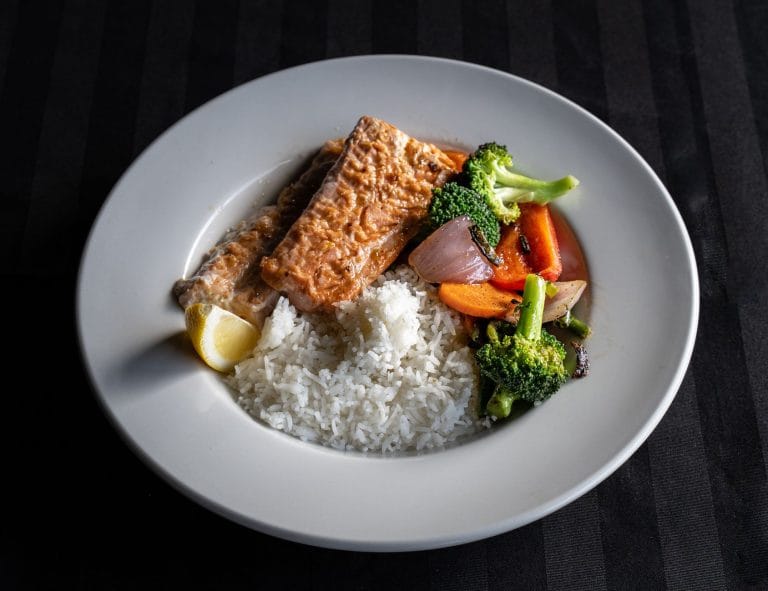
A short-term trial diet used to work out whether dietary histamine is driving your symptoms — and what the evidence actually shows.
Histamine does necessary work in the body. For some people, though, the amount coming in appears to outpace the amount they can break down, and the result can look strikingly like an allergic reaction: flushing, headache, a racing heart, itchy skin, digestive upset.
A low-histamine diet is the eating pattern most often suggested when that is suspected. It is worth being clear about scale from the start: histamine intolerance has been estimated to affect around 1–3% of the population (1). It is real, but it is not the explanation for most people’s food reactions, and the symptoms overlap with several more common conditions.
This is not a permanent way of eating, and it is not for everyone. Used well, it is a diagnostic tool with an end date.
Key Takeaways
- A low-histamine diet is a short-term trial, not a permanent diet. Its purpose is to identify personal triggers.
- Histamine intolerance is thought to involve reduced activity of diamine oxidase (DAO), the enzyme that breaks histamine down, though testing for it remains contested.
- There is no single agreed list of high-histamine foods. Levels shift with freshness, storage, fermentation and processing.
- Freshness and storage often matter as much as which food you choose.
- Evidence is strongest for skin symptoms, and much of it comes from small studies in chronic spontaneous urticaria, a different condition from histamine intolerance, as are food allergy and mast cell activation syndrome.
- Cooking method appears to matter: one study found boiling lowered histamine while frying and grilling raised it.
- Because the diet is restrictive, it is worth running past a healthcare professional, especially if you are pregnant, breastfeeding, feeding a child, or have a history of disordered eating.
What Is Histamine?
Histamine is a signalling chemical the body makes itself, released by mast cells as part of the immune response (1). It also widens blood vessels, helps regulate stomach acid, and acts as a neurotransmitter. Separately, histamine forms in food as it ages, ferments or is stored, which is why diet can add to the body’s total load.
Two sources matter here. Your own cells produce histamine — this is the histamine behind hay fever symptoms and why antihistamines exist. And histamine accumulates in food, produced by bacteria that convert the amino acid histidine as food ferments, ages or simply sits (1, 2).
Normally the second source is handled quietly by enzymes in the gut wall, chiefly diamine oxidase. The question in histamine intolerance is what happens when that clearance falls behind.
What Is Histamine Intolerance?
Histamine intolerance describes symptoms attributed to an impaired ability to break down ingested histamine. Reported symptoms include headaches, flushing, palpitations, nausea, itching, hives and diarrhoea (1).
It needs saying plainly that this is a contested area. There is no single validated test (3). Measuring DAO activity in blood is the most studied approach and also, as one recent review puts it, possibly the most controversial (1, 4, 5). Diagnosis in practice usually rests on the pattern of symptoms plus a supervised dietary trial, often structured as an elimination diet that helps you find food triggers.
The symptom list also overlaps heavily with other conditions — food allergy, IBS, coeliac disease, mast cell activation syndrome, even anxiety. That overlap is the reason self-diagnosis goes wrong so often, and the reason a persistent or severe symptom pattern deserves a proper assessment rather than a diet found online.
Mast cell activation syndrome (MCAS) is worth naming separately, because it is frequently confused with histamine intolerance online. In MCAS the body’s own mast cells release histamine and other mediators inappropriately — the problem is release, not dietary intake or breakdown. It is a distinct clinical diagnosis with its own criteria and management, and it is not something a low-histamine diet treats. If your symptoms occur without any obvious food trigger, or involve several body systems at once, that is a conversation for a clinician rather than a reason to restrict further.
How Does a Low-Histamine Diet Work?
The principle is load reduction. Rather than treating any food as toxic, the diet lowers the total histamine arriving from the diet so that whatever clearance capacity you have can keep up. Freshness, storage and preparation are part of that, not just the choice of ingredient.
In practice that means three things happening together: cutting the foods that most reliably accumulate histamine, eating food fresher and storing it more carefully, and favouring gentler cooking methods.
A useful way to hold it: this is not an allergy protocol where one molecule must be eliminated completely. It is closer to a budget. Some people find they tolerate a small amount of a food that would cause problems in a larger portion, or on a day when everything else has been low.
Foods Commonly Limited on a Low-Histamine Diet
 Save
SaveBefore the list, the caveat that most versions of it leave out: there is no universally accepted list of high-histamine foods. Measured levels vary enormously between samples of the same food depending on freshness, storage time, processing and how it was fermented (1, 2). Treat what follows as the foods most often removed during a trial, not a list of forbidden items.
| Food or category | Why it is commonly limited | Practical note |
|---|---|---|
| Aged and hard cheeses | Histamine accumulates during ageing | Generally the longer the ageing, the higher the level |
| Cultured dairy | Bacterial fermentation | Yoghurt, buttermilk, kefir and cultured dairy like sour cream |
| Fermented vegetables | Fermentation generates histamine | Sauerkraut, kimchi and other fermented pickles |
| Cured and processed meats | Ageing, curing and storage | Salami, cured ham, sausages |
| Canned, smoked or salted fish | Among the best-documented sources | Freshness at the point of catch matters greatly |
| Fermented soy | Fermentation | Soy sauce, miso, tempeh, natto |
| Alcohol | Contains histamine and may also slow its breakdown | Wine, beer and champagne are the usual examples |
| Vinegar and vinegar-based condiments | Produced by fermentation | Ketchup, mustard, pickled products |
| Fermented breads | Bacterial fermentation during proving | Fermented sourdough bread in particular |
| Certain vegetables and fruit | Frequently reported as triggers, though evidence is inconsistent | Tomato, spinach, aubergine, avocado, citrus, strawberries |
| Leftovers of protein foods | Histamine can build up during storage | See the freshness section below |
You will also see some foods — citrus, strawberries, tomatoes, chocolate — described as “histamine liberators” that trigger the body to release its own stored histamine. This idea is widely repeated in diet materials, but it remains debated and is not well established by clinical evidence. Some people do report reacting to these foods; that is worth noting in a food diary rather than treating as settled biology.
Foods Often Better Tolerated
“Better tolerated” rather than “safe” is the honest framing. Individual tolerance varies, and freshness affects almost everything on this list.
| Category | Examples | Practical note |
|---|---|---|
| Fresh meat and poultry | Chicken, turkey, beef, lamb | Buy fresh or frozen, cook the day you buy it |
| Very fresh or frozen-at-sea fish | White fish, salmon | Time between catch and freezing is the key variable |
| Eggs, cooked | Boiled, poached, baked | One study found little difference by cooking method for eggs |
| Most fresh vegetables | Courgette, carrot, broccoli, cucumber, sweet potato, leafy salads | Excluding the commonly reported triggers above |
| Most fresh fruit | Apple, pear, blueberry, melon, mango | Citrus and strawberries are often trialled separately |
| Grains and starches | Rice, quinoa, buckwheat, oats, potato | Non-fermented breads over sourdough |
| Fats | Olive oil, coconut oil, fresh butter | Fresh rather than long-opened |
| Fresh herbs and mild spices | Parsley, basil, rosemary, thyme, ginger | An easy way to keep restricted food interesting |
Why Freshness, Storage and Cooking Matter
This is the part most articles skip, and it is often the part that changes results.
Histamine forms in food over time through bacterial action (1, 2). That means the same ingredient can be low or high depending entirely on its history — how long since it was caught, slaughtered or picked; how it was transported; how long it has been open in your fridge. A piece of fish eaten fresh and the same fish three days later are not the same food from a histamine point of view.
Practical habits that follow from that:
- Cook protein the day you buy it, or freeze it immediately.
- Cool and refrigerate leftovers quickly, and be cautious with protein leftovers in particular, or freeze single portions instead of keeping them in the fridge.
- Frozen is often preferable to “fresh” that has been sitting on a counter.
- Buy smaller quantities more often during a trial.
Cooking method appears to matter too. One study measuring histamine across preparation methods found that grilling and frying increased histamine levels in the foods tested, while boiling had little effect or lowered them (9). That points towards boiling, steaming, poaching and gentle baking during a trial period, and away from grilling and frying.
Low-Histamine Diet vs Food Allergy
They are not the same. A food allergy is an immune reaction, typically IgE-mediated, which can be severe and can occur after a tiny amount. Histamine intolerance is not an immune response to a specific food — it is thought to reflect difficulty clearing histamine, and tends to be dose-dependent (1, 3).
The practical differences matter:
- Allergy — reaction to a specific protein, can be triggered by trace amounts, can escalate to anaphylaxis, diagnosable with testing.
- Food intolerance — a non-immune reaction, usually dose-dependent, typically uncomfortable rather than dangerous.
- Histamine intolerance — a proposed form of intolerance specific to histamine load, with no single validated test.
If you have had a reaction involving swelling of the lips, tongue or throat, difficulty breathing, or faintness, that is not a histamine-intolerance question. Seek medical assessment.
Does a Low-Histamine Diet Help Chronic Hives?
This deserves its own answer, because the two conditions are routinely conflated and much of the evidence people cite for histamine intolerance is actually about hives.
Chronic spontaneous urticaria (CSU) is a condition where hives recur for six weeks or more without an identifiable external trigger. It is not the same thing as histamine intolerance, and it has its own established medical treatments, principally antihistamines.
Two small studies have looked at low-histamine diets in CSU. A 2018 study found reductions in histamine levels and hive severity after four weeks (6). A 2017 study of CSU patients who also had gastrointestinal symptoms found 75% reported benefit over at least three weeks, and concluded that the diet was a useful, low-cost addition (7).
Read those carefully: they are small, short, and were conducted in people already diagnosed with CSU. They suggest a dietary trial may be a reasonable adjunct for some people with CSU, particularly alongside gut symptoms. They do not establish a low-histamine diet as a treatment for chronic hives, and it should not replace medical care for them. A separate case study reported improvement in a child with atopic dermatitis on a low-histamine plan (8), which is likewise a single small report rather than proof of effect.
How to Try a Low-Histamine Diet Safely
- Be clear what you are testing. Write down the specific symptoms you expect to change. Without that, you cannot tell whether it worked.
- Do not restrict everything at once. The longer the list of removed foods, the harder it is to learn anything from the result, and the greater the nutritional cost.
- Keep meals balanced. Protein, a starch and vegetables at each meal. A restrictive trial is not a reason to under-eat, and the basics of eating a balanced diet still apply.
- Track food and symptoms daily, including how food was stored and prepared, not just what it was.
- Give it a defined window, commonly around two to four weeks, then stop and assess.
- Reintroduce systematically. The trial is only half the process; the reintroduction is where you actually learn your tolerance.
- Involve a professional if symptoms are severe, if you are restricting for more than a few weeks, or if any of the situations in the caution section apply to you.
How Long Should You Follow It?
There is no medically mandated duration. Published trials have used windows of roughly two to four weeks (6, 7), and that range is a reasonable guide rather than a rule.
What matters more than the exact number is that the restriction phase has a planned end. An open-ended low-histamine diet is where the real problems start: nutritional gaps, social difficulty, and a narrowing relationship with food. If several weeks have passed with no clear change, that itself is useful information — it suggests histamine is probably not the driver, and continuing is unlikely to help.
How to Reintroduce Foods
Reintroduction is the point of the exercise. Done properly it converts a blunt restriction into a personal tolerance map.
- Reintroduce one food at a time, and keep everything else constant.
- Start with a small portion, then a normal portion on a later day if nothing happens.
- Allow two to three days per food before judging, and record timing of any symptoms.
- If a food causes problems, that does not necessarily mean permanent exclusion. Retest it later, in a smaller amount, or fresher.
- Prioritise foods you actually want back and that carry nutritional value.
The goal is the widest diet you tolerate comfortably, not the narrowest one that avoids all symptoms.
A 3-Day Low-Histamine Example Plan
 Save
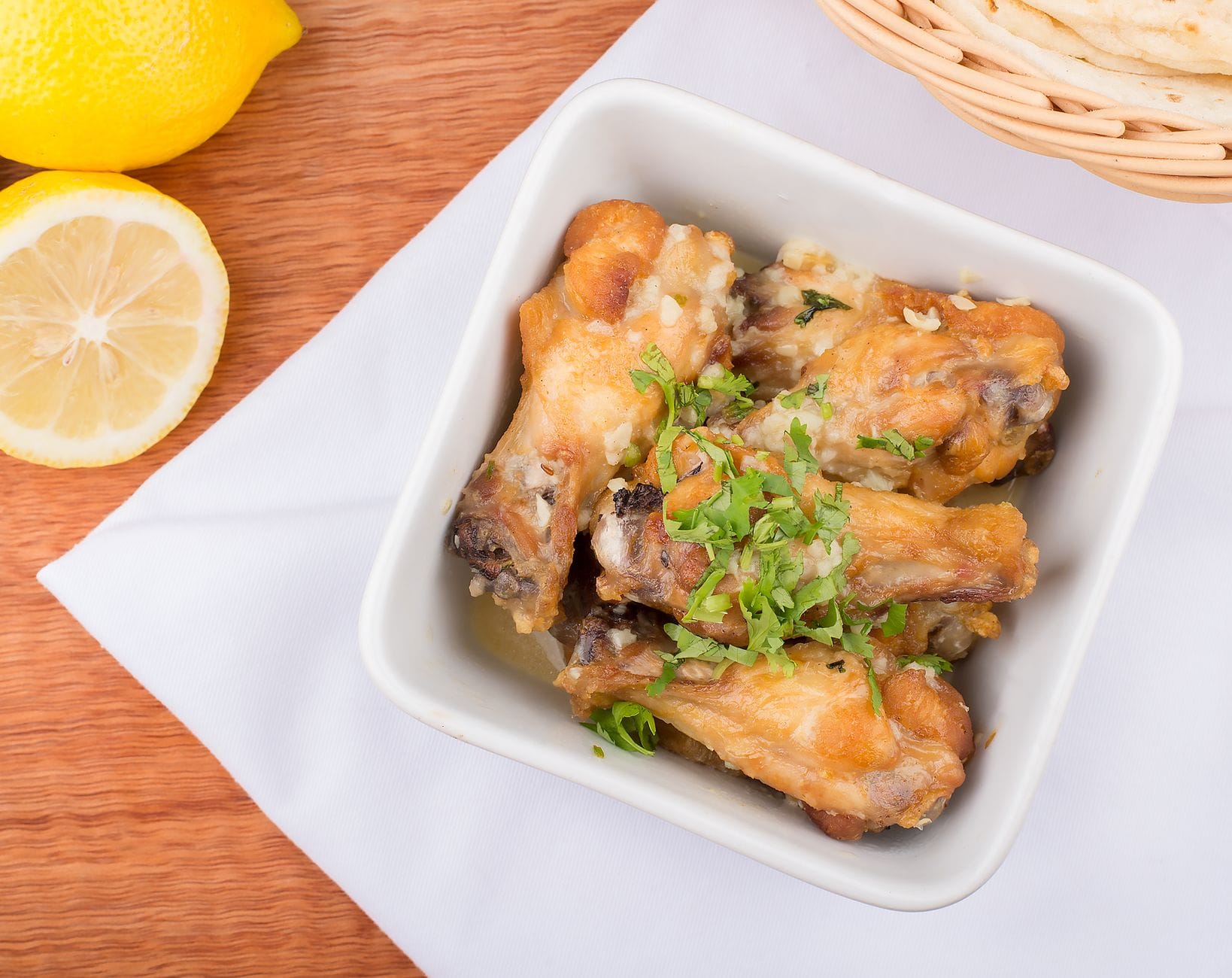
SaveAn example of how the principles fit together, not a prescription, and not nutritionally tailored to any individual. Preparation methods are deliberately gentle: baked, steamed and poached rather than grilled or fried. If you want more ideas in the same spirit, our light, simply prepared meals follow similar principles.
| Breakfast | Lunch | Dinner | |
|---|---|---|---|
| Day 1 | Porridge oats with fresh blueberry and pear | Poached chicken with rice and steamed courgette | Baked white fish, boiled new potatoes, steamed broccoli |
| Day 2 | Boiled eggs with non-sourdough toast | Rice bowl with fresh roast chicken, cucumber and olive oil | Baked chicken thigh, quinoa, steamed carrots and green beans |
| Day 3 | Buckwheat pancakes with apple | Sweet potato and chicken soup, made fresh | Baked salmon (frozen-at-sea), rice, steamed pak choi |
Season generously with fresh herbs, ginger and mild spices. Cook once and freeze rather than refrigerating protein leftovers for several days.
Low-Histamine Shopping Checklist
- Protein — fresh chicken, turkey, beef; frozen-at-sea white fish or salmon; eggs
- Vegetables — courgette, carrot, broccoli, cucumber, sweet potato, pak choi, salad leaves
- Fruit — apple, pear, blueberry, melon, mango
- Carbohydrates — rice, quinoa, buckwheat, oats, potatoes, non-sourdough bread
- Fats — olive oil, coconut oil, fresh butter
- Seasoning — fresh parsley, basil, rosemary, thyme, ginger, mild spices
- Kit — freezer bags and small containers, so portions can be frozen the day they are cooked
Food and Symptom Tracker
Copy this into a notebook or a phone note. The storage and preparation column is the one people leave out, and it is often where the pattern is.
| Date | Food | Amount | Preparation / storage | Symptoms | Time after eating |
|---|---|---|---|---|---|
| 12 Mar | Salmon | 140 g | Frozen-at-sea, baked, eaten same day | None | — |
| 13 Mar | Chicken (leftover) | 1 portion | Cooked 11 Mar, fridge 2 days | Flushing, headache | ~45 min |
Risks and Nutritional Concerns
- Unnecessary restriction. Most people who try this do not have histamine intolerance, and end up limiting food for no benefit.
- Nutritional gaps. Cutting dairy, fermented foods, several vegetables and fruit narrows the diet quickly. Extended restriction risks calcium, fibre and micronutrient shortfalls.
- Unintended weight loss from a narrowed food range. This is a side effect to watch for, not a goal — a low-histamine diet is not a weight-loss diet.
- Anxiety around eating. Long restrictive diets can entrench fear of food, and this diet has an unusually vague and contested food list to be anxious about.
- Loss of the gut benefits of fermented foods, which are otherwise well regarded.
- Delayed diagnosis. The most serious risk. If something else is causing the symptoms, months on a self-directed diet is time not spent finding out. Where gut symptoms dominate, a structured approach such as the low FODMAP diet for managing IBS triggers may be more appropriate, and has stronger trial evidence behind it (10).
Who Should Talk to a Healthcare Professional First?
None of the following rules the diet out. Each is a reason to have someone qualified involved rather than trialling it alone:
- Pregnancy or breastfeeding
- Children and teenagers
- Any history of disordered eating
- An existing condition that already requires a specific diet, such as coeliac disease or diabetes
- Symptoms that are severe, worsening, or have lasted a long time
- Unexplained weight loss
- Any reaction involving swelling of the throat or difficulty breathing — this needs urgent assessment, not a diet
- Anyone planning to restrict for longer than a few weeks
Frequently Asked Questions
What is a low-histamine diet?
A short-term eating pattern that limits foods typically high in histamine — aged, fermented, cured and long-stored items — in favour of fresh, simply prepared food. It is used as a trial to see whether symptoms improve, then followed by structured reintroduction.
What foods are high in histamine?
Most commonly aged cheeses, cultured dairy, fermented vegetables, cured meats, canned or smoked fish, fermented soy products, alcohol and vinegar-based condiments. Levels vary a great deal with freshness and storage, and no universally agreed list exists.
What can you eat on a low-histamine diet?
Fresh meat and poultry cooked the day it is bought, very fresh or frozen-at-sea fish, cooked eggs, most fresh vegetables and fruit, rice, quinoa, buckwheat, oats, potatoes, olive oil and fresh herbs.
How long should I follow a low-histamine diet?
Published trials have generally used two to four weeks. There is no medically required duration. What matters is that the restriction phase has a planned end and is followed by reintroduction, rather than continuing open-endedly.
Can a low-histamine diet help chronic hives?
Two small studies in chronic spontaneous urticaria reported improvement, particularly in people who also had gut symptoms. That makes a supervised trial a reasonable thing to discuss with a doctor, but it does not make the diet a proven treatment for chronic hives, and it should not replace medical care.
Does cooking reduce histamine?
It depends on the method. One study found boiling had little effect or reduced histamine levels, while frying and grilling increased them. Boiling, steaming, poaching and gentle baking are the preparations most consistent with a trial.
Are leftovers high in histamine?
Histamine can build up in food during storage, and protein foods are the usual concern. During a trial, cook portions fresh or freeze them the day they are cooked rather than keeping them refrigerated for several days.
Is histamine intolerance the same as a food allergy?
No. A food allergy is an immune reaction to a specific protein that can be severe and triggered by trace amounts. Histamine intolerance is not an immune response to a particular food; it is thought to reflect difficulty clearing histamine, and is generally dose-dependent.
Is there a test for histamine intolerance?
There is no single validated test. Blood DAO activity is the most studied option and remains contested. Diagnosis usually rests on symptom pattern plus a supervised dietary trial and reintroduction.
The Bottom Line
A low-histamine diet is best understood as a time-limited experiment rather than a way of eating. Remove the foods most likely to be high in histamine, pay close attention to freshness and preparation, track what happens, and then systematically put things back.
The evidence is real but modest and mostly from small studies, some of which are about chronic spontaneous urticaria rather than histamine intolerance. If a few weeks produce no clear change, that answer is worth having — and it is a good moment to look elsewhere with a clinician rather than restrict further.
This article is for informational purposes only and is not a substitute for professional medical advice. Always consult a qualified healthcare provider before making significant changes to your diet, especially if you have an underlying health condition.
Related Articles
Elimination Diet: How to Do It and What to Ignore
FODMAP Diet: The 3 Steps and the List Errors
Health Benefits of Pickles, and the Salt Problem
Sourdough Bread Benefits: What Holds Up
Sour Cream Nutrition: Calories, Fat and Calcium Compared