

Sour cream nutrition from USDA data, with regular, reduced-fat and fat-free compared side by side, what the saturated fat means, who should be careful, and practical swaps.
Sour cream nutrition comes down to one thing: it is mostly fat, used in small amounts. Two tablespoons of regular sour cream contain about 48 calories, 4.6 g of fat, 2.4 g of saturated fat and 24 mg of calcium (1).
That is not a reason to avoid it. It is a reason to treat it as a topping rather than an ingredient you pour. This guide gives the numbers for all three common versions, explains what the saturated fat means for health, and covers lactose.
Key Takeaways
- 2 tbsp of regular sour cream: about 48 calories, 4.6 g fat, 2.4 g saturated fat (1).
- Reduced-fat has about 43 calories and more calcium and protein per spoon (2).
- Fat-free has about 18 calories but more carbohydrate and sodium (3).
- Saturated fat raises LDL cholesterol; guidelines advise under 10% of daily calories (4).
- Sour cream contains lactose, so tolerance varies if you are lactose intolerant (5).
What Sour Cream Is
Sour cream is cream fermented with lactic acid bacteria, which thickens it and gives the tang. In the US, regular sour cream is made from cream containing at least 18% milkfat. Cultured dairy products such as this and sourdough owe their flavor to fermentation.
Sour Cream Nutrition Facts Compared
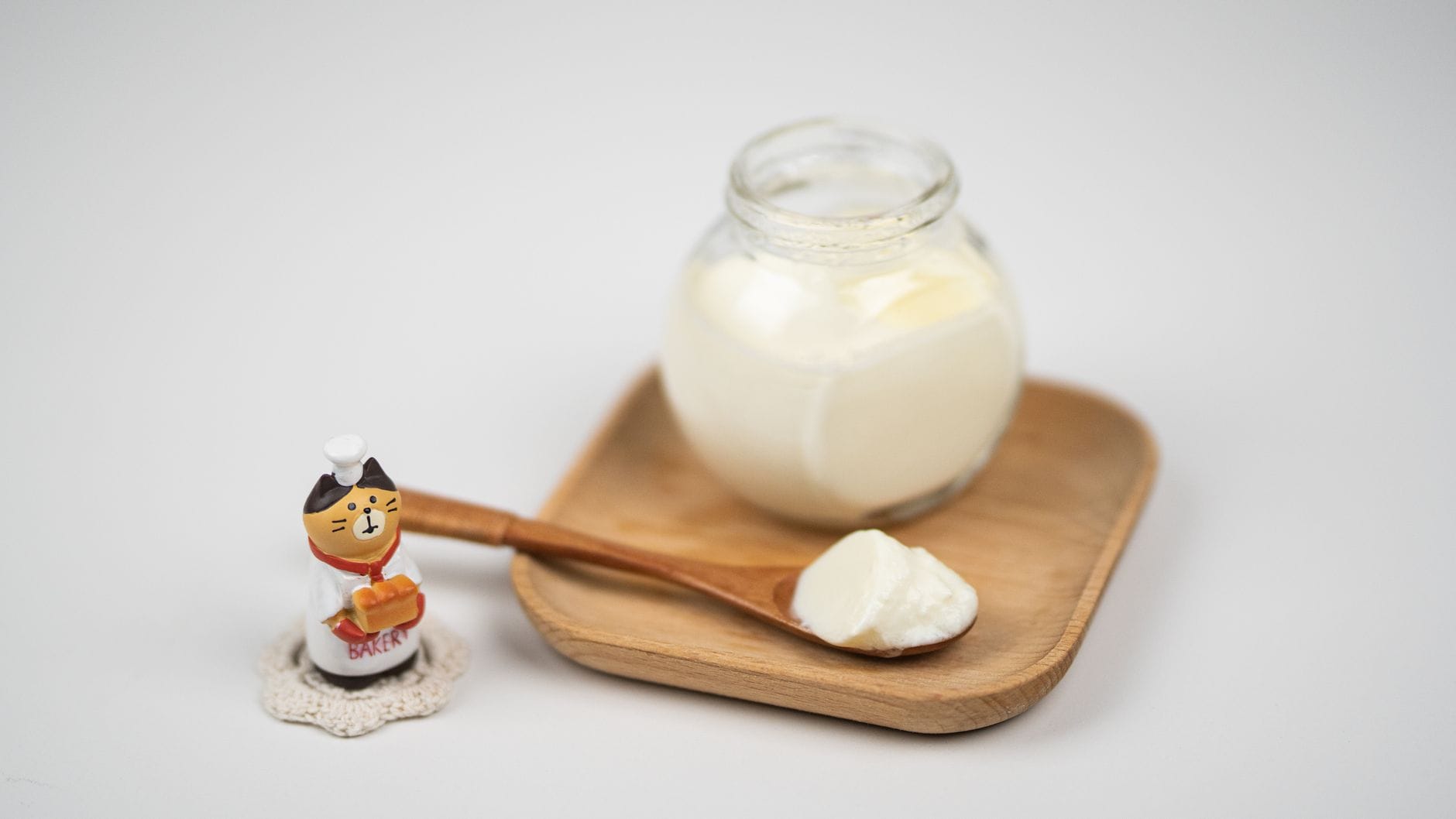 Save
SaveUSDA values, shown per 2 tablespoons (24 g), the amount most people use as a topping (1, 2, 3):
| Per 2 tbsp (24 g) | Regular | Reduced fat | Fat free |
|---|---|---|---|
| Calories | 48 kcal | 43 kcal | 18 kcal |
| Total fat | 4.6 g | 3.4 g | 0.00 g |
| Saturated fat | 2.4 g | 2.1 g | 0.00 g |
| Protein | 0.59 g | 1.7 g | 0.74 g |
| Carbohydrate | 1.1 g | 1.7 g | 3.7 g |
| Calcium | 24 mg | 34 mg | 30 mg |
| Riboflavin | 0.04 mg | 0.06 mg | 0.04 mg |
| Sodium | 7.4 mg | 17 mg | 34 mg |
| Cholesterol | 14 mg | 8.4 mg | 2.2 mg |
A few things stand out:
- Regular sour cream is about half saturated fat. Of its 4.6 g of fat per 2 tbsp, 2.4 g is saturated (1).
- Reduced-fat is the balanced pick. Slightly fewer calories, less saturated fat, and more calcium, protein and riboflavin than the regular version (2).
- Fat-free is the lowest in calories but not “free”. It has more carbohydrate (3.7 g per 2 tbsp) and about 5 times the sodium of regular sour cream (3).
- Calcium is modest. 24 to 34 mg per 2 tbsp, a small share of daily needs (1, 2).
What the Saturated Fat Means
This is where older articles often get it backwards. Saturated fats raise LDL cholesterol, the type linked to higher risk of heart disease and stroke. The Dietary Guidelines for Americans recommend limiting saturated fat to less than 10% of daily calories, about 22 g on a 2,000-calorie diet (4).
Put in context, 2 tablespoons of regular sour cream uses roughly a tenth of that daily allowance (1, 4). A spoonful on a baked potato is not a problem. A cup stirred into a casserole several times a week is a different matter.
If you have heart disease or high cholesterol, your provider may advise an even lower limit (4).
Using Sour Cream Sensibly
- Use it as a finish, not a base. A spoonful on chili, tacos or soup adds tang for few calories.
- Switch to reduced-fat for everyday use: fewer calories, less saturated fat, more calcium (2).
- Swap in plain yogurt for part of the sour cream in dips and dressings if you want more protein.
- Do not boil it. Stir it into sauces off the heat to stop it splitting.
- Watch the sodium in fat-free versions if you are limiting salt (3).
For dairy-free cooking, oat milk or a blended cashew cream can replace some of the creaminess, though neither gives the same tang. See our vegan diet guide for wider swaps.
Lactose, Allergy and Who Should Be Careful
- Lactose intolerance. Sour cream contains lactose. NIDDK advises finding out how much lactose you can tolerate rather than cutting all dairy, and notes lactose-free products and lactase supplements are options. Many people tolerate small amounts, especially with other food (5).
- Cow’s milk allergy. This is different from intolerance and requires avoiding dairy completely.
- Watching saturated fat or cholesterol. Choose reduced-fat and keep portions small (2, 4).
- Watching sodium. Fat-free versions can carry noticeably more salt (3).
NIDDK also points out that lactose hides in many processed foods, including some soups, salad dressings, processed meats and coffee creamers, so reading labels matters if you are sensitive (5).
A Lighter Homemade Version
If you want the tang with more protein and less fat, blend 1 cup of low-fat cottage cheese with 1 tablespoon of lemon juice and 2 tablespoons of milk until completely smooth. It is thinner than shop-bought sour cream but works well as a dip or topping. Keep it refrigerated in a sealed container and use it within a few days.
Frequently Asked Questions
How many calories are in sour cream?
Two tablespoons (24 g) of regular sour cream have about 48 calories, 4.6 g of fat and 2.4 g of saturated fat. Reduced-fat sour cream has about 43 calories and fat-free about 18, according to USDA data.
Is sour cream healthy?
In small amounts it is fine for most people. It provides a little calcium and riboflavin, but it is mostly fat, and about half of that fat is saturated. Dietary Guidelines advise keeping saturated fat below 10% of daily calories, roughly 22 g on a 2,000-calorie diet.
Is sour cream better than mayonnaise or butter?
Per tablespoon it is lighter than both, because sour cream is mostly water. That does not make it a health food, but swapping butter or mayonnaise for a spoonful of sour cream does cut calories and saturated fat.
Can you eat sour cream if you are lactose intolerant?
It depends on your tolerance. Sour cream contains lactose, though fermented dairy is often better tolerated than milk. NIDDK advises working out how much lactose you can handle, and lactose-free products are available.
Is sour cream good for bones?
It contributes a little calcium: about 24 mg per 2 tablespoons of regular sour cream, or 34 mg in the reduced-fat version. That is a small fraction of daily needs, so milk, yogurt, fortified drinks and other calcium sources do the real work.
The Bottom Line
Sour cream is a flavor tool, not a health food. Two tablespoons of the regular version give 48 calories and 2.4 g of saturated fat, which fits easily into a day if you keep to a spoonful or two. Reduced-fat is the better everyday choice, with more calcium and protein and less saturated fat. Fat-free saves calories but brings more sugar and salt. If dairy does not agree with you, work out your own tolerance or use a dairy-free alternative.
This article is for informational purposes only and is not a substitute for professional medical advice. Talk with a doctor or registered dietitian if you have high cholesterol, a milk allergy or another condition that affects your diet.
Related Articles
Sourdough Bread Benefits: What Holds Up
Oat Milk: What the Carton Actually Gives You
Low-Glycemic Diet: GI Food List, Benefits and Limits
Vegan Diet: The Evidence and the Nutrient Gaps
Tahini Benefits and Nutrition: What the Evidence Shows