
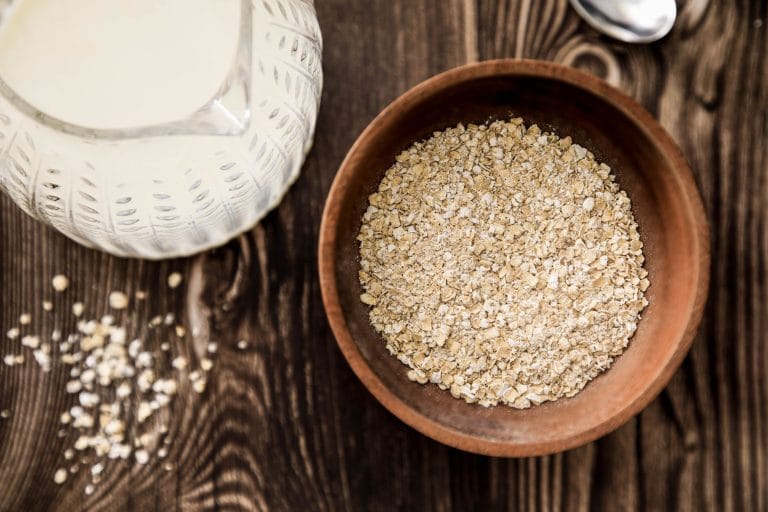
The creamy, dairy-free splash in your morning coffee has more going for it than a good foam.
Walk into almost any café now and oat milk is on the board next to whole and skim. Part of that is taste, part of it is the shift toward plant-based eating, and part of it is footprint, oat milk takes far less water to produce than most other milks and leaves a smaller carbon trail. What often gets lost in the coffee-order hype is that oats bring real nutrition along for the ride.
Here’s what oat milk is, what it can do for your body, where it falls short, and how to blend a batch at home without the additives that come in a carton.
Key Takeaways
– Oat milk is a non-dairy, lactose-free, nut-free drink made by blending oats with water and straining out the solids.
– Its soluble fiber (mostly beta-glucan) is linked to lower LDL cholesterol and steadier blood sugar after meals.
– The same fiber can ease constipation and help you feel full, which supports weight management.
– Fortified versions add calcium, vitamin D, and B12 that back bone health.
– Many store cartons carry added sugar and preservatives, so read the label and lean toward unsweetened, additive-free options.
What Is Oat Milk?
Oat milk is a creamy liquid pressed from whole oat grains. You soak the oats, blend them with water, then strain the mixture through a cloth or fine sieve. What’s left is a smooth, off-white milk you can drink plain or flavor with a date, a splash of vanilla, or a pinch of cinnamon.
Because it comes from a grain rather than an animal, it’s naturally lactose-free, which makes it friendly for anyone with lactose intolerance or a dairy allergy. It’s also nut-free, so it sidesteps the problem soy and almond milk pose for people with nut allergies. If you’re just easing into a plant-based way of eating, it’s one of the gentlest swaps to start with.
What Oat Milk Tastes Like
 Save
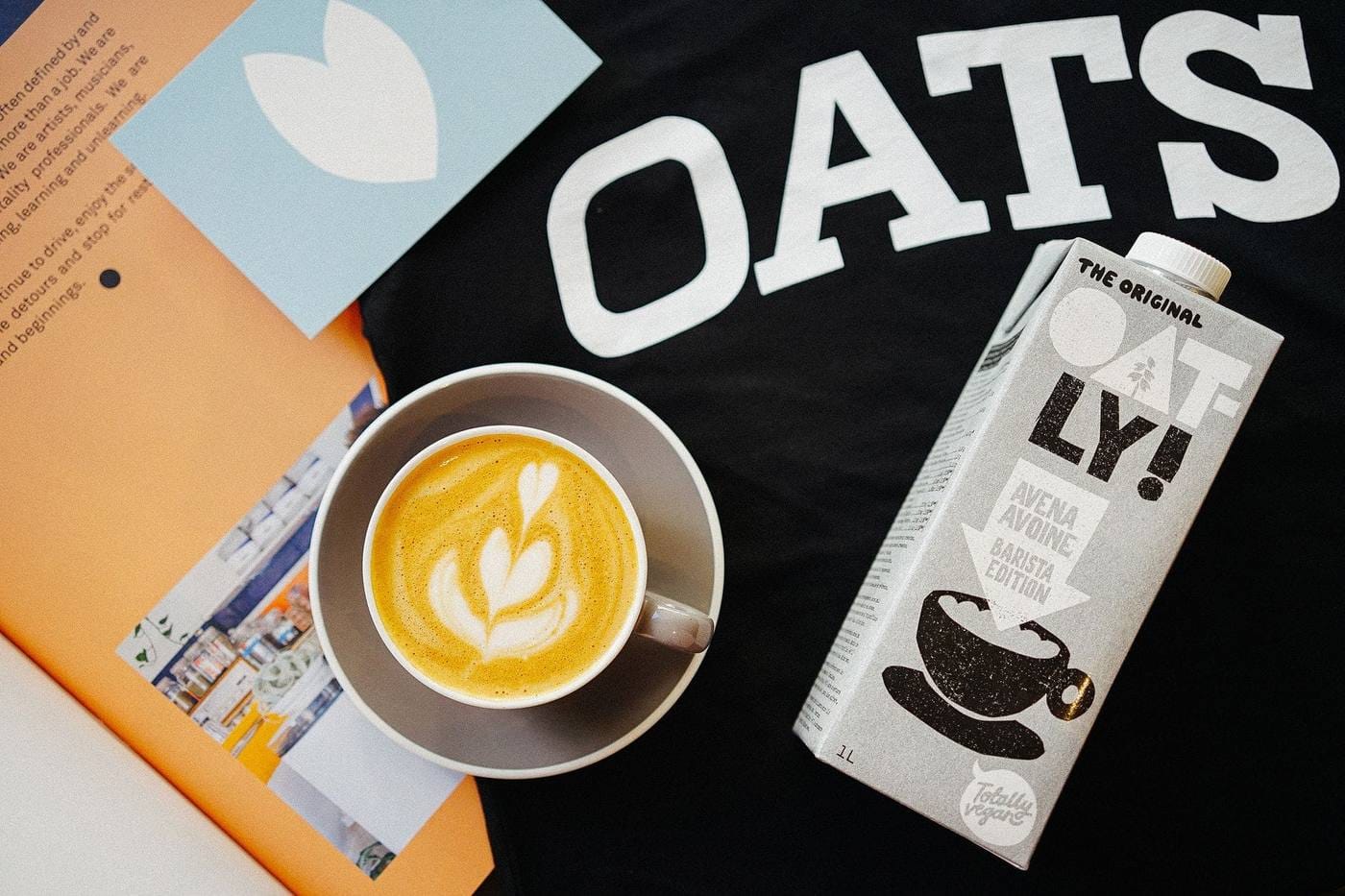
SaveMild, a little sweet, and creamy. The faint sweetness comes from the natural sugars in the oats themselves, not added syrup. Unlike some plant milks, it doesn’t carry a strong nutty or beany aftertaste, so it slips into recipes without hijacking the flavor.
That texture is its party trick. Oat milk froths well, which is why baristas reach for it on lattes and cappuccinos. It folds into smoothies, softens cereal, and stands in for dairy in most baking without much fuss.
Oat Milk Nutrition
Per 100 ml, oat milk delivers a modest mix of carbohydrates, a little protein, and a small amount of fat, plus the soluble fiber that does most of the heavy lifting here. Commercial versions are usually fortified, meaning calcium, vitamin D, and vitamin B12 get added during production. Those numbers are worth checking on the label because they vary a lot between brands.
The Health Benefits Worth Knowing About
It can nudge cholesterol down
The star ingredient in oats is beta-glucan, a soluble fiber that forms a gel in your gut. Studies on oat milk have found meaningful drops in total and LDL cholesterol after regular intake. The gel traps cholesterol in the intestine and carries it out before it’s reabsorbed. Beta-glucan also feeds the gut bacteria involved in bile acid metabolism and the production of short-chain fatty acids, both of which play into how your body handles cholesterol. Eating enough oat products has been tied to a lower risk of cardiovascular disease.
It helps keep blood sugar steady
Because fiber isn’t digested in the small intestine and ferments later in the colon, it slows how fast glucose enters your bloodstream. Oats are rich in exactly the kind of soluble fiber that can blunt the post-meal spike in blood glucose and insulin. Research on oat intake has shown reductions in HbA1c and fasting blood glucose, along with better insulin sensitivity. If that’s a concern for you, it pairs well with everyday habits that keep blood sugar level throughout the day.
It gets things moving
Oats are loaded with fermentable soluble fiber, which adds bulk to stool and speeds up how quickly things travel through the colon. The fermentation produces short-chain fatty acids like butyrate and acetate that improve stool consistency and ease constipation. It’s a quiet perk that adds to your daily fiber tally, and most of us fall short there, so leaning on foods that are genuinely high in fiber helps.
It supports fuller, longer
That gel-forming beta-glucan slows digestion and increases satiety, which can make you less likely to reach for a snack an hour later. The short-chain fatty acids it generates also influence appetite hormones like PYY, GLP-1, and ghrelin. Fiber-rich diets are consistently linked to better long-term weight management, though this particular link with oat milk is less settled and still being studied.
A little help for your bones
Fortified oat milk carries calcium, magnesium, phosphorus, zinc, potassium, and added vitamin D and B12, minerals and vitamins that maintain bone mineral density. The B12 in particular has been connected to healthier bones and a lower osteoporosis risk. The antioxidant vitamin E in oats fights free radicals too. More research is still needed on the bone angle, so treat it as a bonus rather than the main event.
Where Oat Milk Falls Short
The homemade version is clean. The trouble usually starts in the carton. Many commercial oat milks are packed with added sugars, preservatives, and artificial flavorings that can throw off your gut flora and, when the sugar meets all that fiber, sometimes trigger diarrhea. Sweetened varieties are the worst offenders. Stick with unsweetened, additive-free options, and if your stomach is sensitive, introduce it slowly.
Make Your Own Oat Milk
 Save
SaveThis is genuinely a five-minute job. Blend one cup of rolled oats with three to four cups of cold water for about 30 seconds, no longer, or it turns slimy. Strain through a nut-milk bag or clean cloth into a jar. Add a pinch of salt and, if you like, a date or a drop of vanilla. Keep it chilled and use it within four or five days. If you want a change of pace in your mug, buckwheat tea is another gluten-free option worth a try, and oat milk blends beautifully into homemade protein shakes.
Frequently Asked Questions
How much protein is in oat milk?
Not a lot. Oat milk carries only a small amount of protein per serving, less than dairy or soy milk. If protein matters to your goals, treat oat milk as a base and add a protein source rather than counting on the milk itself.
Can I drink oat milk every day?
Yes, daily use is fine for most people. Choose an unsweetened, additive-free version and watch how your digestion responds, since the fiber can be a lot if you’re not used to it.
Is oat milk safe if I’m gluten-sensitive?
Oats are naturally gluten-free but are often processed alongside wheat. If you’re gluten-sensitive, look for a certified gluten-free label.
The Bottom Line
Oat milk earns its café fame on more than foam. The soluble fiber inside it is tied to lower cholesterol, steadier blood sugar, easier digestion, and a fuller feeling after meals, and fortified versions chip in calcium, vitamin D, and B12. The catch is in the carton: added sugar and preservatives can undo a lot of the good. Read labels, favor unsweetened, or blend your own in the time it takes your coffee to brew.
This article is for informational purposes only and is not a substitute for professional medical advice. Talk to your doctor or a registered dietitian before making significant changes to your diet, especially if you have a health condition.
Related Articles
9 Everyday Ways to Keep Your Blood Sugar Steady
The High Fiber Foods Worth Putting on Your Plate Every Day
9 Reasons a Plant-Based Diet Might Be the Smartest Change You Make
Why Buckwheat Tea Deserves a Spot in Your Mug
The Homemade Protein Shakes I Reach For Instead of Store-Bought Powder