
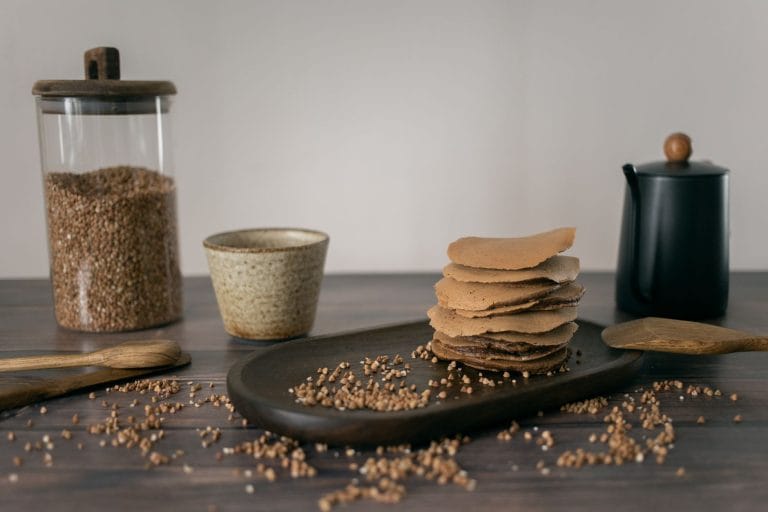
Buckwheat tea benefits examined: what the one clinical trial found for leg swelling, what buckwheat research shows for blood sugar and cholesterol, which claims are animal-only, and buckwheat allergy risks.
Buckwheat tea is an infusion made from buckwheat, a gluten-free pseudocereal that is not related to wheat (1). Tartary buckwheat is widely used in roasted infusion teas (2), and buckwheat herb (the leaves and flowers) has also been brewed as a tea in clinical research (3). Because it is not made from the tea plant, it is an herbal infusion.
Most health benefits of buckwheat tea described online come from studies of buckwheat foods, extracts or supplements rather than the tea. Buckwheat tea benefits in people have been tested in only one trial, for leg swelling (3), and buckwheat can cause allergic reactions (11).
Key Takeaways
- In a 3-month trial, leg volume stayed stable in people drinking buckwheat herb tea but rose in the placebo group (3).
- Eating buckwheat foods modestly lowered blood glucose, total cholesterol and triglycerides in a meta-analysis (4).
- Blood sugar and kidney benefits of buckwheat extracts have been shown only in rats (7, 9).
- The PCOS study often cited used a D-chiro-inositol supplement, not buckwheat (8).
- Buckwheat allergy can cause anaphylaxis; avoid the tea if you are allergic (11, 12).
What Is Buckwheat Tea?
 Save
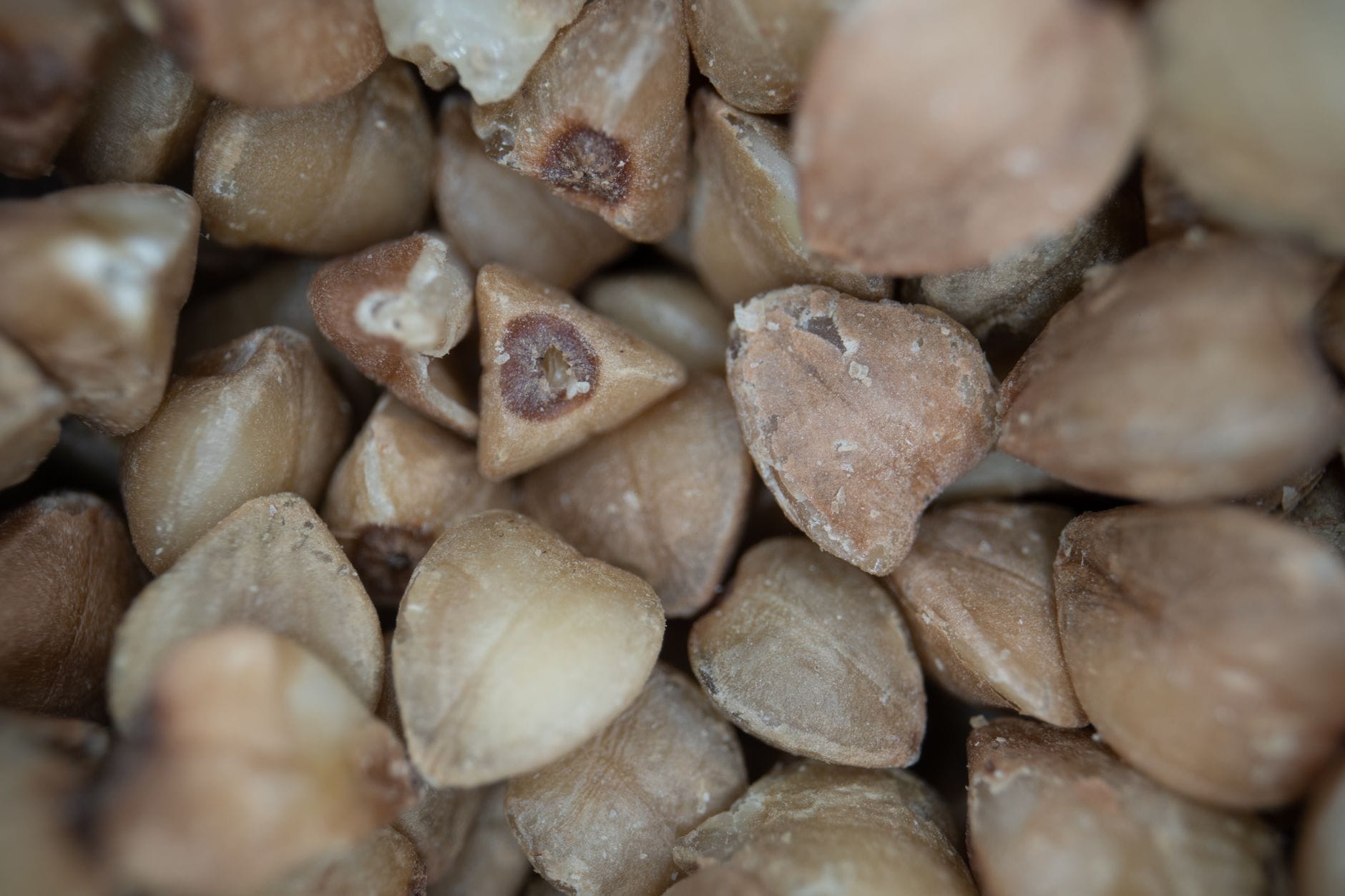
SaveBuckwheat contains bioactive compounds including flavonoids, phenolic acids, D-fagomine and fagopyritols (1). Rutin appears to be the main contributor to the antioxidant activity of tartary buckwheat tea in laboratory tests (2).
How the tea is made affects what ends up in the cup. In one lab study, roasted tartary buckwheat brewed at room temperature for 24 hours had more polyphenols and flavonoids and stronger antioxidant activity than tea brewed hot for 3 minutes (2). These are test tube measurements and do not show a health effect in people.
Buckwheat Tea Benefits: What the Evidence Shows
| Claim | What was studied | Evidence |
|---|---|---|
| Leg swelling in venous insufficiency (3) | Buckwheat herb tea vs placebo tea for 3 months in 67 patients | Leg volume stayed stable vs a rise on placebo; symptoms improved in both groups |
| Blood sugar and cholesterol (4, 5, 6) | Meta-analysis of 13 trials of buckwheat foods; population studies | Modest reductions from eating buckwheat; high variability; tea not tested |
| Diabetes (7) | Buckwheat concentrate in diabetic rats | Animal study only |
| PCOS (8) | 1,200 mg D-chiro-inositol supplement in 44 women | Supplement, not buckwheat or tea |
| Kidneys (9) | Buckwheat extract in rats with kidney damage | Animal study only |
| Antioxidants (2) | Roasted tartary buckwheat tea tested in the lab | Lab tests only |
Leg swelling and chronic venous insufficiency
In a randomized, double-blind trial, 67 people with chronic venous insufficiency drank buckwheat herb tea or a placebo tea for 3 months. Lower leg volume did not change in the buckwheat group but increased by 110 ml in the placebo group, a significant difference. Symptoms improved in both groups, and changes in vein diameter and capillary permeability were not statistically significant (3). The authors described the tea as safe and possibly helpful in preventing further swelling. This trial used tea made from the buckwheat herb, not roasted buckwheat kernels.
Blood sugar
 Save
SaveA meta-analysis of 13 randomized controlled trials found that eating buckwheat lowered blood glucose by 0.85 mmol/L on average compared with controls, although results varied widely between studies (4). In Inner Mongolia, people who ate buckwheat as a staple food had a lower rate of high blood sugar than neighbors who ate corn (5). These studies looked at buckwheat foods, not tea.
Buckwheat contains D-chiro-inositol. A buckwheat concentrate providing D-chiro-inositol lowered blood glucose by 12 to 19% in diabetic rats (7). If you are cutting sugar, see our guide to erythritol.
PCOS
In a trial of 44 women with polycystic ovary syndrome, a 1,200 mg daily D-chiro-inositol supplement improved insulin action, and 19 of 22 women ovulated compared with 6 of 22 on placebo. Blood pressure, free testosterone and triglycerides also fell (8). This was a purified supplement, and buckwheat tea has not been tested for PCOS.
Heart health
In the same meta-analysis, buckwheat intake lowered total cholesterol by 0.50 mmol/L and triglycerides by 0.25 mmol/L, with inconsistent results for HDL cholesterol. Effects on weight, blood pressure and LDL cholesterol remain unclear (4). In a study of 850 Yi people in China, buckwheat intake was associated with lower total and LDL cholesterol (6).
Kidneys, satiety and other claims
A buckwheat extract improved kidney function in rats with surgically reduced kidney tissue (9); this has not been studied in people. In a small study of 10 adults, a buckwheat meal was the most filling of several protein-rich meals (10), but this was a meal, not tea. Claims that buckwheat tea boosts immunity, prevents cancer or causes weight loss are not supported by human studies. For overall health, see the positive effects of healthy eating.
How to Make Buckwheat Tea
- Steep a tablespoon of roasted buckwheat kernels in a cup of hot water for a few minutes, then strain.
- Cold brewing for several hours is another option and extracted more polyphenols in a lab test (2).
- Drink it plain; the roasted kernels give a naturally nutty flavor.
For another herbal infusion, read about fennel tea. If you are exploring other gluten-free grains, see our guide to sorghum.
Safety and Side Effects
- Allergy: buckwheat can cause IgE-mediated allergy, including severe reactions and anaphylaxis, from eating buckwheat, handling it at work or sleeping on buckwheat husk pillows. Severe reactions are rare (11).
- Cross-reactivity: cross-reactions between buckwheat and peanut, latex, coconut, quinoa and poppy seed have been described (11).
- Hidden buckwheat: buckwheat is often included in gluten-free foods, sometimes without clear labeling (12). People with buckwheat allergy should check ingredients carefully.
- Medical conditions: if you have diabetes, kidney disease or venous insufficiency, use buckwheat tea alongside, not instead of, your prescribed treatment.
Frequently Asked Questions
What are the health benefits of buckwheat tea?
The only clinical trial of buckwheat tea used an herb tea made from the buckwheat plant in people with chronic venous insufficiency; leg volume stayed stable while it rose on placebo. Eating buckwheat foods was linked to modest drops in blood glucose, cholesterol and triglycerides in a meta-analysis. Other claims come from animal or lab studies.
Does buckwheat tea lower blood sugar?
It has not been tested in people. A buckwheat concentrate lowered blood glucose by 12 to 19% in diabetic rats, and trials of buckwheat foods showed modest reductions in blood glucose. Do not use buckwheat tea in place of diabetes medicine.
Is buckwheat tea gluten-free?
Buckwheat is a pseudocereal, not a type of wheat, and is used in gluten-free products. People with celiac disease should still choose products labeled gluten-free to avoid cross-contamination during processing.
Can buckwheat tea cause allergic reactions?
Yes. Buckwheat can cause IgE-mediated allergy, including hives, asthma and anaphylaxis, although severe reactions are rare. Cross-reactivity with peanut, latex, coconut, quinoa and poppy seed has been described. Anyone with a buckwheat allergy should avoid buckwheat tea.
Does buckwheat tea help with PCOS?
There is no direct evidence. A trial found that a 1,200 mg D-chiro-inositol supplement improved insulin action and ovulation in women with PCOS. Buckwheat contains D-chiro-inositol, but buckwheat tea itself has not been studied for PCOS.
The Bottom Line
Buckwheat tea is a gluten-free herbal infusion with a pleasant nutty flavor. Its only human trial found that buckwheat herb tea kept leg volume stable in people with chronic venous insufficiency. Blood sugar and cholesterol benefits come from studies of buckwheat foods, while kidney and anti-diabetic effects of extracts have been seen only in rats, and the PCOS research used a supplement. Enjoy it as a caffeine-free drink, but avoid it completely if you are allergic to buckwheat.
This article is for informational purposes only and is not a substitute for professional medical advice, diagnosis, or treatment. Always consult a qualified healthcare provider before making changes to your diet, especially if you have a medical condition, food allergy, or take medication.
Related Articles
Fennel Tea Benefits: Evidence for Gas, and the Estragole Risk
Sorghum Benefits: Nutrition, Evidence and Safety
Erythritol Benefits, Side Effects and Heart Health Research
Positive Effects of Healthy Eating: What Research Shows
Side Effects of Drinking Hot Water: The Real Risks