
Lion’s mane mushroom evidence reviewed: what the human trials found for memory, mood and stress, what is still only laboratory work, how much was used in studies, and safety points.
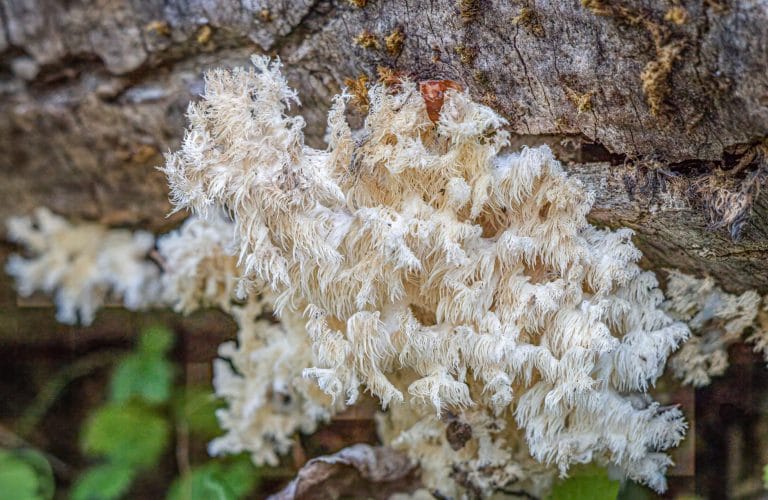
Lion’s mane mushroom (Hericium erinaceus) is an edible mushroom with white cascading spines, widely sold as a “nootropic” supplement. The most-cited human study is small: 30 older adults with mild cognitive impairment improved on a cognitive scale over 16 weeks, then declined again after stopping (2).
Most other claims, including for blood sugar, ulcers and cancer, come from laboratory or animal work (1). This guide separates the two, so you can decide with realistic expectations.
Key Takeaways
- One 16-week trial in 30 adults with mild cognitive impairment found better cognitive scores than placebo (2).
- The benefit faded 4 weeks after participants stopped taking it (2).
- A 2025 systematic review found a combined 1.17-point gain on a 30-point cognitive screening test (1).
- Mood findings come from a 4-week study in 30 women (3), and stress findings are only a trend in a pilot study (4).
- Reported side effects include stomach discomfort, headache and allergic reactions (1).
What Lion’s Mane Is
Lion’s mane is a culinary and medicinal mushroom that grows on hardwood trees. Unlike common mushrooms, it has no gills: it hangs in long white spines, which is how it earns its name. Its studied compounds include polysaccharides and the erinacines found in the mycelium (1).
It is sold fresh, dried, as powder, capsules and tinctures. If you like cooking with mushrooms, see our guides to shiitake and oyster mushrooms.
What the Research Shows
| Claim | Best available human evidence | Verdict |
|---|---|---|
| Improves mild cognitive impairment | In a double-blind trial, 30 Japanese adults aged 50-80 with mild cognitive impairment took lion’s mane powder or placebo for 16 weeks. Scores improved at weeks 8, 12 and 16, then fell 4 weeks after stopping (2) | Promising, one small trial |
| Improves thinking in healthy adults | In a pilot study in young adults, a single dose sped up performance on the Stroop task at 60 minutes, and 28 days showed only a trend toward less stress, with some null results (4) | Weak and preliminary |
| Helps mood | In a 4-week study, 30 women eating lion’s mane cookies scored lower on depression and anxiety scales than before, with some measures better than placebo (3) | Small, short study |
| Prevents or treats dementia | Not shown. A 2025 systematic review combining one RCT and one pilot trial found a mean increase of 1.17 points on the Mini-Mental State Examination (1) | Not established |
| Fights cancer | Laboratory studies only, using isolated compounds on cancer cells (1) | Lab only |
| Helps blood sugar or ulcers | Mostly animal and laboratory work; no good human trials (1) | Not established |
Memory and thinking
The key study randomized 30 Japanese men and women aged 50 to 80 with mild cognitive impairment. One group took four 250 mg tablets of dried lion’s mane powder three times a day for 16 weeks; the other took placebo. The lion’s mane group scored significantly higher on a cognitive function scale at weeks 8, 12 and 16, and scores increased the longer they took it. Four weeks after stopping, scores dropped significantly. Laboratory tests showed no adverse effects (2).
A 2025 systematic review pooled the limited clinical data and found a combined weighted mean increase of 1.17 points on the Mini-Mental State Examination, a 30-point screening test (1). That is a small change, and the review included only a handful of clinical studies alongside laboratory work.
In healthy young adults, a pilot study found faster performance on one attention task an hour after a single dose, a trend toward lower subjective stress after 28 days, and several null results. The authors urged caution because of the small sample (4). The product was supplied by a supplement company, which the authors disclosed.
Mood
In a 4-week study, 30 women ate cookies containing lion’s mane or placebo cookies. Depression and anxiety scores fell compared with their own baseline, and two specific measures were lower than in the placebo group (3). This is a small, short study, and it does not make lion’s mane a treatment for depression or anxiety.
Blood sugar, gut and cancer
The 2025 review describes effects on gut microbiota diversity and short-chain fatty acid-producing bacteria, plus anti-cancer activity of isolated compounds against leukemia and gastric cancer cells in the laboratory (1). These are cell and animal findings. They do not show that eating lion’s mane lowers blood sugar, heals ulcers or treats cancer in people, and anyone with diabetes should not adjust medication based on them. For blood sugar, see our diabetes diet guide.
How Much People Took in Studies
 Save
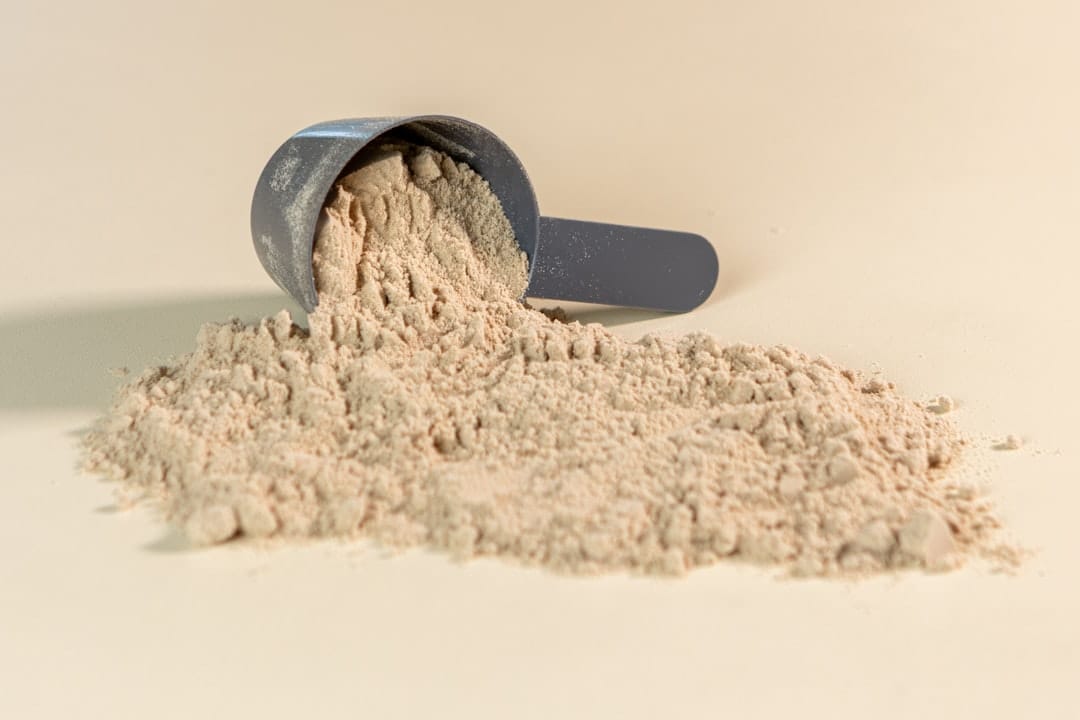
Save- Mild cognitive impairment trial: 3 g a day of dried powder in tablets, taken for 16 weeks (2).
- Mood study: cookies containing lion’s mane for 4 weeks (3).
- Pilot study in young adults: a single dose, then daily for 28 days (4).
Supplements differ in whether they use the fruiting body or mycelium and in extract strength, so doses are not directly comparable between products.
Safety and Who Should Be Careful
- Common side effects. The 2025 review lists stomach discomfort, headache and allergic reactions, noting these are often unreported (1).
- Allergy. Mushroom allergy is possible; stop if you develop a rash, itching or swelling.
- Pregnancy and breastfeeding. There is no good safety data, so avoid unless your provider advises otherwise.
- Cancer treatment and other medicines. A published case report describes grade 3 liver enzyme abnormalities in a woman receiving chemotherapy who was taking a mushroom powder supplement containing lion’s mane and another mushroom; the authors linked the problem mainly to the other mushroom, and the values improved after stopping the supplement (5). Always tell your medical team what supplements you take.
How to Use It
- Fresh: slice and pan-fry; the texture is meaty and it browns well
- Dried: rehydrate and use in soups or stews
- Powder: stir into coffee, smoothies or broth
- Capsules: convenient, but check what part of the mushroom is used
As a food, lion’s mane is a perfectly good addition to a varied diet, alongside other mushrooms. If you are considering supplements more broadly, our guide to cordyceps takes the same evidence-first approach.
Frequently Asked Questions
Does lion’s mane really improve memory?
There is one supportive small trial. Thirty adults aged 50 to 80 with mild cognitive impairment took lion’s mane for 16 weeks and scored better on a cognitive scale than the placebo group. Their scores dropped again 4 weeks after they stopped. That is encouraging, but it is a single small study.
Is lion’s mane safe?
It is eaten as food and was well tolerated in the trials, with no adverse effects on laboratory tests in the 16-week study. A 2025 systematic review notes possible stomach discomfort, headache and allergic reactions. People who are pregnant or breastfeeding, or who take medication, should check with a doctor first.
How much lion’s mane is used in studies?
In the mild cognitive impairment trial, participants took four 250 mg tablets of dried lion’s mane powder three times a day, about 3 g daily, for 16 weeks. Supplement products vary a lot in form and strength.
Does lion’s mane cure dementia or ADHD?
No. There is no evidence that lion’s mane treats dementia or ADHD. The combined cognitive improvement reported in a 2025 review was 1.17 points on a 30-point screening test, which is small and based on very few studies.
Can I take lion’s mane with medication?
Ask your doctor or pharmacist. Supplements can interact with medicines, and a published case report describes liver enzyme abnormalities in a cancer patient taking a mushroom powder supplement that contained lion’s mane and another mushroom. Tell your oncology or medical team about any supplement you use.
The Bottom Line
Lion’s mane is a tasty mushroom with one genuinely interesting human trial: older adults with mild cognitive impairment improved over 16 weeks, and lost the gain after stopping. Everything else, from mood to blood sugar to cancer, rests on small short studies or laboratory work. Enjoy it as food, treat supplements with realistic expectations, and check with your doctor if you are pregnant, take medication or are having cancer treatment.
This article is for informational purposes only and is not a substitute for professional medical advice. Talk with a healthcare provider before taking lion’s mane supplements, especially during pregnancy, breastfeeding, cancer treatment or alongside medication.
Related Articles
Benefits of Mushrooms: Nutrition, Evidence, and Safety
Shiitake Mushrooms: Benefits, and Never Raw
Oyster Mushroom Benefits: Nutrition and What Research Shows
Cordyceps Benefits: What Human Studies Actually Show
Diabetes Diet: Plate Method, Carbs and the Evidence