
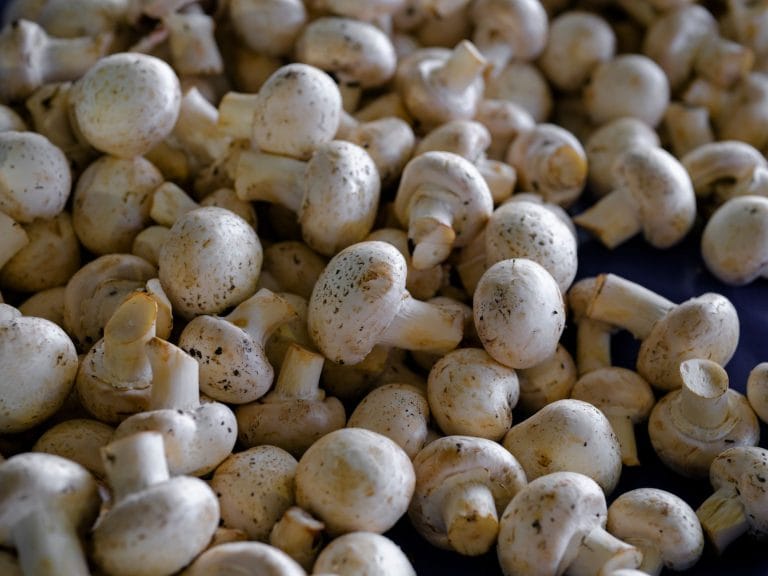
What mushrooms really provide, what the research shows about brain, heart, weight, and cancer risk, and how to buy and eat them safely.
Mushrooms are low in calories but bring B vitamins, potassium, copper, selenium, and antioxidants that are unusual in other foods. The benefits of mushrooms have been studied for everything from brain aging to weight loss, but the strength of that evidence varies a lot. Some findings come from randomized trials; many come from observational studies that cannot prove cause and effect.
Here is what mushrooms contain, what the research actually shows, and the safety rules worth knowing, especially about wild mushrooms.
Key Takeaways
- Raw white mushrooms have about 22 calories per 100 g, plus B vitamins, potassium, copper, and selenium (1).
- Only UV-exposed mushrooms are a rich source of vitamin D: about 1,050 IU per 100 g, compared with about 7 IU in regular mushrooms (1, 2).
- Swapping mushrooms for red meat helped adults lose more weight in a 1-year trial (13).
- Higher mushroom intake is linked to lower cancer risk and lower odds of cognitive impairment, but these are observational findings (3, 14).
- Never eat wild mushrooms unless an expert has identified them. Cooking does not destroy mushroom toxins (15).
Mushroom Nutrition Facts
 Save
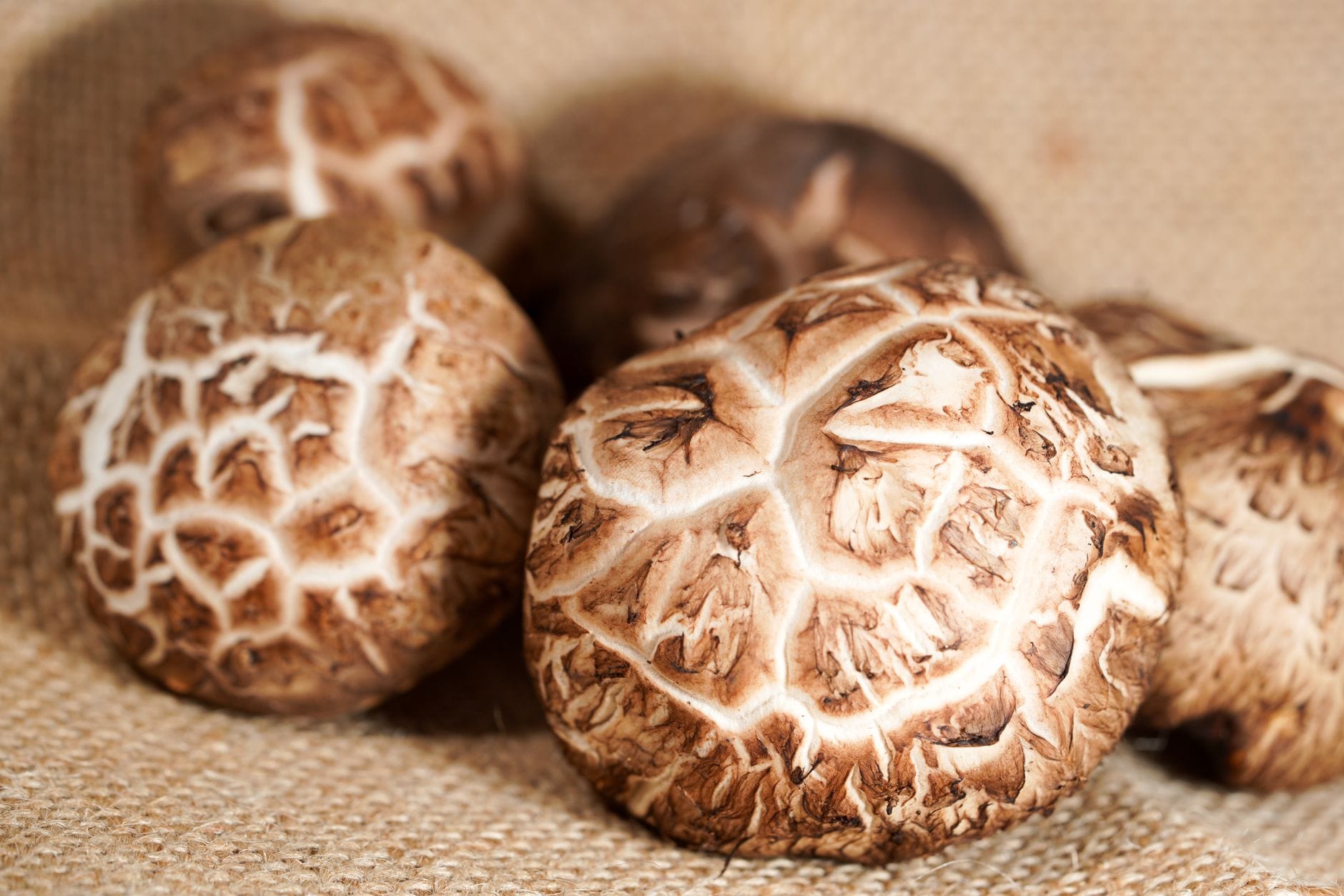
SaveCommon grocery varieties include white button mushrooms, their browner relatives cremini and portobello, shiitake, oyster, and enoki. Nutrient levels differ by type, but white mushrooms are a good benchmark (1, 2):
| Nutrient (raw white mushrooms, per 100 g) | Amount |
|---|---|
| Calories | 22 kcal |
| Protein | 3.1 g |
| Carbohydrate | 3.3 g |
| Fiber | 1.0 g |
| Potassium | 318 mg |
| Riboflavin (B2) | 0.40 mg |
| Niacin (B3) | 3.6 mg |
| Pantothenic acid (B5) | 1.5 mg |
| Copper | 0.32 mg |
| Selenium | 9.3 mcg |
| Vitamin D, regular | 7 IU (0.2 mcg) |
| Vitamin D, UV-exposed | 1,050 IU (26.2 mcg) |
Health Benefits of Mushrooms
1. A unique source of antioxidants
Mushrooms are the highest dietary source of ergothioneine, a sulfur-containing antioxidant, and some varieties are also high in glutathione. Levels vary more than 20-fold between species (4). These measurements show what mushrooms contain; how much difference these antioxidants make to health in people is still being studied.
2. Vitamin D, if they have seen UV light
Like skin, mushrooms make vitamin D when exposed to ultraviolet light from the sun or a UV lamp. UV-exposed mushrooms can provide more than 10 mcg of vitamin D₂ per 100 g even after storage and cooking, which is close to the daily requirement recommended internationally (5). USDA data show raw white mushrooms exposed to UV light contain about 26 mcg (1,050 IU) per 100 g, compared with just 0.2 mcg (7 IU) in regular white mushrooms (1, 2). Vitamin D is essential for calcium absorption and bone mineralization (6), so look for mushrooms labeled as UV-treated if vitamin D is your goal.
3. Brain health in older adults
In a study of 663 adults aged 60 and older in Singapore, those who ate more than two portions of mushrooms a week had lower odds of mild cognitive impairment than those who ate them less than once a week, even after accounting for factors such as age, education, and health conditions (3). Because this was a cross-sectional study, it shows an association, not proof that mushrooms protect the brain.
4. Weight management
Mushrooms are low in energy density, so they add volume to meals with few calories (1). This has been tested directly:
- When white button mushrooms replaced beef in lunches, people ate about 420 fewer calories per meal, made up for only about 11% of that over four days, and rated the meals just as tasty and filling (12).
- In a 1-year randomized trial of 73 adults with obesity, those who substituted mushrooms for red meat lost about 7 pounds more and had lower BMI, waist size, and blood pressure than those on a standard diet (13).
Replacing part of the minced meat in tacos, bolognese, or burgers with finely chopped mushrooms is an easy way to use this within a calorie deficit.
5. Folate for pregnancy
Folate content varies widely. In a USDA-supported analysis of 10 mushroom types, oyster mushrooms had the most folate, about 44 mcg per 100 g, while chanterelle and morel had the least, 2 to 6 mcg per 100 g (7). Getting enough folate before and during early pregnancy lowers the risk of neural tube defects (8), but mushrooms are only a modest source, and supplements are usually recommended for anyone who could become pregnant.
6. Heart health
Mushrooms are naturally low in sodium and contain potassium and niacin (1). Be wary of claims that the niacin in mushrooms protects your heart: a Cochrane review found that high-dose niacin treatment did not reduce deaths, heart attacks, or strokes, and caused side effects (9). Minerals such as copper and selenium play roles in cardiovascular function, but research on their intake and heart disease is mixed (10). The best case for mushrooms here is simply that they are a low-sodium, low-calorie food that can replace fattier meats.
7. Fiber and beta-glucans
Mushrooms contain beta-glucans, a type of fiber being studied for effects on the gut microbiome, cholesterol, blood sugar, and immune function. However, a review notes that effects differ between beta-glucan preparations and that clinical evidence is still developing (11).
8. Lower cancer risk (observational)
A meta-analysis of 17 observational studies found that people with the highest mushroom intake had a 34% lower risk of cancer overall than those with the lowest intake, with the clearest link for breast cancer. Most of the studies were case-control studies, which are prone to recall and selection bias (14). This suggests mushrooms may have a place in a cancer-protective diet, but it does not prove they prevent cancer.
Specific varieties have their own research; see our guides to shiitake, oyster mushrooms, lion’s mane, and cordyceps.
Are Mushrooms Safe to Eat?
Store-bought mushrooms from grocery stores are safe for most people. Wild mushrooms are a different matter.
- You cannot tell by looking. Unless you are very experienced in mushroom identification, you cannot reliably tell a poisonous mushroom from an edible one, and folk tests do not work (15).
- Cooking does not help. Cooking does not make a poisonous mushroom safe (15).
- Symptoms can be delayed. Signs of poisoning can take many hours to appear (15). Death cap (Amanita phalloides) mushrooms contain amatoxins, which can cause severe liver failure and may require a liver transplant (16).
- What to do: if someone eats a wild mushroom, call Poison Control right away at 1-800-222-1222 in the US, or your local emergency number (15).
Allergies to mushrooms are uncommon but can be serious. Anaphylaxis after eating button mushrooms has been reported, for example in a person already allergic to mold (17). Seek urgent care if you develop hives, swelling, or trouble breathing after eating mushrooms.
Two Easy Ways to Cook Mushrooms
 Save
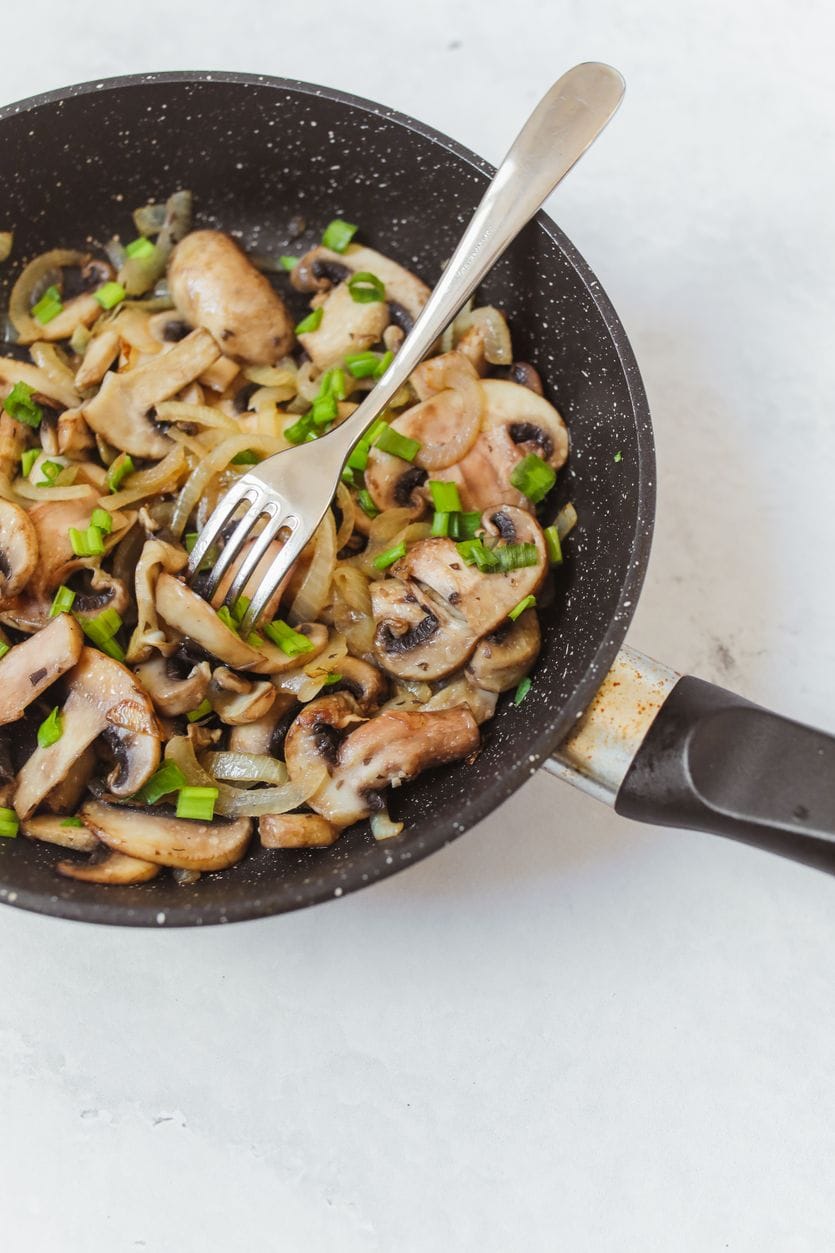
SaveQuick sauté. Heat a tablespoon of olive oil in a pan, add a sliced onion and 200 g (about 2 cups) of sliced mushrooms, and cook over medium-high heat for 5 to 7 minutes until golden. Season with salt, pepper, and chopped spring onions or herbs.
Mushroom omelet. Sauté the mushrooms as above, pour two beaten, seasoned eggs over them, cover, and cook on low heat for a few minutes until set.
Supplements, powders, and teas made from reishi, chaga, or turkey tail are a separate category, and the evidence behind them is thinner than for the culinary mushrooms above.
Frequently Asked Questions
Are mushrooms a good source of vitamin D?
Only if they have been exposed to UV light. Regular raw white mushrooms have about 7 IU of vitamin D per 100 g, while UV-exposed white mushrooms have about 1,050 IU. Check the label for mushrooms marked as UV-treated or high in vitamin D.
How many mushrooms should I eat to get health benefits?
There is no set amount. In one study of older adults in Singapore, eating more than two portions a week was linked to lower odds of mild cognitive impairment, but that study could not prove cause and effect. Including mushrooms regularly as part of a varied diet is a sensible goal.
Can mushrooms help with weight loss?
They can help by replacing higher-calorie foods. In a 1-year randomized trial, adults with obesity who substituted mushrooms for red meat lost about 7 pounds more than those on a standard diet.
Are wild mushrooms safe to eat?
Only if identified by an expert. Poisonous mushrooms can look like edible ones, folk tests do not work, and cooking does not make a poisonous mushroom safe. If someone eats a wild mushroom, call Poison Control right away (1-800-222-1222 in the US).
Can you be allergic to mushrooms?
Yes, although it is uncommon. Severe reactions, including anaphylaxis, have been reported, for example in a person already allergic to mold. Stop eating them and seek care if you have hives, swelling, or trouble breathing.
Are mushrooms vegetables?
Botanically they are fungi, not plants, but in cooking and nutrition they are usually treated like vegetables.
The Bottom Line
Mushrooms are a low-calorie food with B vitamins, potassium, copper, selenium, and unique antioxidants. Their clearest proven use is helping with weight management when they replace higher-calorie foods such as red meat, and UV-exposed mushrooms are one of the few non-animal sources of vitamin D. Links to lower cancer risk and better brain health are promising but based on observational studies. Buy mushrooms from reliable sources, never eat wild mushrooms unless an expert has identified them, and enjoy them often as part of a varied diet.
This article is for informational purposes only and is not a substitute for professional medical advice, diagnosis, or treatment. Always consult a qualified healthcare provider before making changes to your diet, especially if you are pregnant, have allergies, or have an existing health condition.
Related Articles
Shiitake Mushrooms: Benefits, and Never Raw
Lion’s Mane Mushroom: What the Human Studies Show
Calorie Deficit Diet Guide for Safe, Steady Weight Loss