
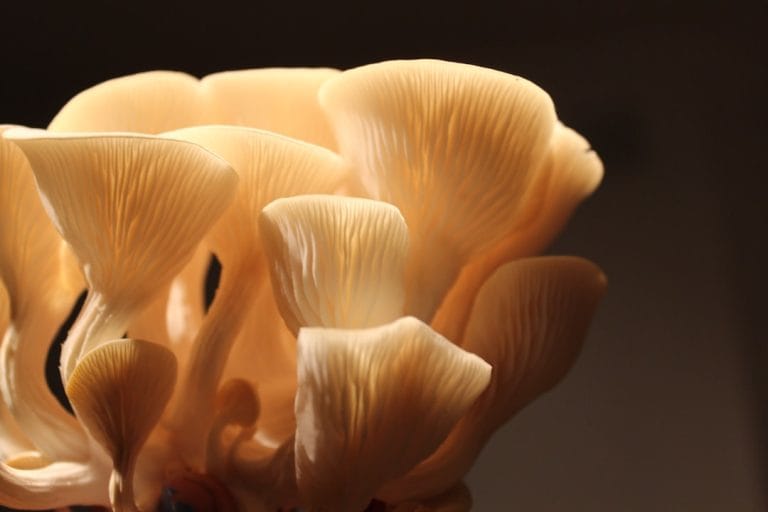
Oyster mushroom nutrition and the research behind oyster mushroom benefits for blood sugar, cholesterol, immunity and more, including what has only been shown in the lab.
Oyster mushrooms (Pleurotus ostreatus) are edible mushrooms with fan-shaped caps that grow on wood. They are low in calories and provide protein, fiber, potassium and B vitamins (1).
Many oyster mushroom benefits you may read about come from laboratory or animal research. A systematic review of human trials found possible benefits for blood sugar and cholesterol, but rated the evidence as low (2). This guide explains what each claim is based on.
Key Takeaways
- 100 g of raw oyster mushrooms has 33 calories, 3.3 g of protein, 2.3 g of fiber and 420 mg of potassium (1).
- Small human studies suggest oyster mushrooms may lower blood sugar, but the studies had high or unclear risk of bias (2, 3).
- A 2026 randomized trial found no effect of oyster mushroom powder on LDL cholesterol (5).
- Pleuran, a beta-glucan supplement made from oyster mushrooms, reduced respiratory infections in randomized trials (11, 12).
- Anti-inflammatory and anticancer effects have been seen only in cell and animal studies (13, 14, 15).
What Are Oyster Mushrooms?
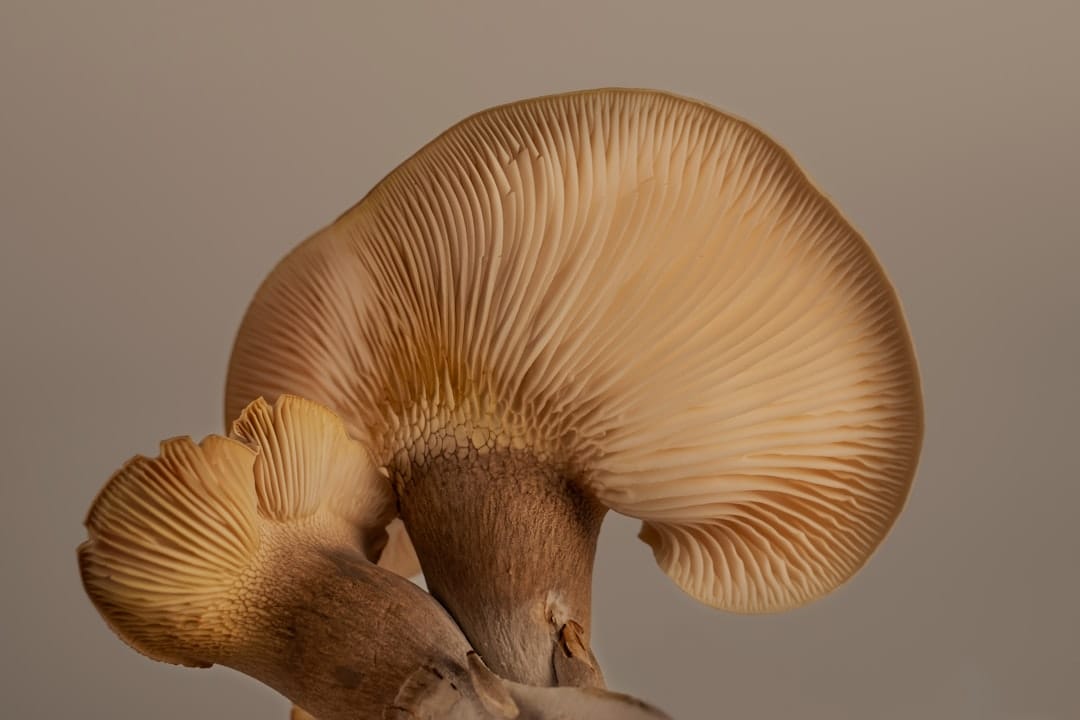
Oyster mushrooms are named for their oyster-shaped caps, which range from white and cream to gray and brown. They have a mild flavor and are widely cultivated. Related species sold under the “oyster” name include king oyster (Pleurotus eryngii), golden oyster (Pleurotus citrinopileatus) and pink oyster (Pleurotus djamor). Most of the research below was done on Pleurotus ostreatus. For other varieties, see our guide to the health benefits of mushrooms.
Oyster Mushroom Nutrition
 Save
Save| Raw oyster mushrooms | Per 100 g |
|---|---|
| Calories | 33 kcal |
| Protein | 3.3 g |
| Carbohydrate | 6.1 g |
| Fiber | 2.3 g |
| Fat | 0.4 g |
| Potassium | 420 mg |
| Phosphorus | 120 mg |
| Niacin (vitamin B3) | 5.0 mg |
| Pantothenic acid (vitamin B5) | 1.3 mg |
| Riboflavin (vitamin B2) | 0.35 mg |
| Folate | 38 mcg |
| Iron | 1.3 mg |
| Zinc | 0.8 mg |
| Vitamin D | 0.7 mcg (29 IU) |
Source: USDA FoodData Central, mushrooms, oyster, raw (1).
Oyster mushrooms also contain beta-glucans, a type of fiber studied for effects on immunity and cholesterol (19), and ergothioneine, an antioxidant amino acid for which mushrooms are the leading dietary source (8). Their low calorie count makes them easy to add to a vegetarian weight loss plan.
Oyster Mushroom Benefits at a Glance
| Claim | Type of evidence | What it found |
|---|---|---|
| Blood sugar | Small human studies (2, 3, 4) | Lower glucose in short studies; low-quality evidence |
| Cholesterol | Human studies, including a 2026 randomized trial (2, 5) | Mixed; the best-designed trial found no change in LDL |
| Immune support | Randomized trials of pleuran supplements (11, 12) | Fewer respiratory infections; tested an extract, not the food |
| Antioxidants | Laboratory and rat studies (7, 9, 10) | Antioxidant activity; not shown in people |
| Inflammation | Cell and mouse studies (13) | Lower inflammatory markers; no human trials |
| Cancer | Cell and mouse studies; observational data on all mushrooms (14, 15, 16) | Promising in the lab; people who eat more mushrooms have lower cancer rates, but cause and effect is not proven |
Blood Sugar
In a study from Sri Lanka, freeze-dried oyster mushroom powder (50 mg per kg of body weight) taken before a glucose drink lowered fasting and after-meal glucose in healthy volunteers, and lowered after-meal glucose while raising insulin in people with type 2 diabetes managed by diet (3). In a Bangladeshi study, 30 people with diabetes who completed a 24-day on-off-on protocol had lower fasting and after-meal glucose while eating oyster mushrooms, and levels rose again when they stopped; the study had no separate control group (4).
A systematic review of eight clinical trials concluded that oyster mushrooms may improve glucose metabolism, but that most studies had a high or unclear risk of bias (2). Oyster mushrooms can be part of a diabetes-friendly diet, but they are not a treatment.
Cholesterol and Heart Health
Several small human studies reported lower total cholesterol, LDL cholesterol or triglycerides, and some found lower blood pressure (2, 4). The same review rated this evidence as low (2).
The strongest test so far points the other way. In a 2026 double-blind randomized trial, 46 adults with moderately high LDL cholesterol drank 8.4 g of oyster mushroom powder (3 g of beta-glucans) or a placebo daily for 4 weeks. The powder did not change LDL cholesterol, other blood lipids or apolipoproteins, although a secondary analysis suggested lower cholesterol absorption, especially in women (5). In mice, an oyster mushroom fiber fraction changed the activity of cholesterol-related genes but did not change blood cholesterol (6).
Antioxidants
Oyster mushroom extracts contain phenolic compounds such as gallic acid and protocatechuic acid and show antioxidant activity in laboratory tests (7). Extracts from a related species, grey oyster mushroom (Pleurotus pulmonarius), protected human LDL from oxidation in the lab, possibly due to ergothioneine (9). In aged rats, an oyster mushroom extract raised antioxidant enzyme levels (10). These findings have not been confirmed in human trials.
Immune Support
Most human immune research tested pleuran, an insoluble beta-glucan extracted from oyster mushrooms and sold as a supplement. In a double-blind trial in 50 athletes, 3 months of pleuran reduced upper respiratory tract infection symptoms and increased circulating natural killer (NK) cells (11). In a trial of 249 children with recurrent respiratory infections, a chewable pleuran supplement with vitamin D and zinc reduced respiratory infections by 15% over 3 months compared with vitamin D and zinc alone (12).
These studies used concentrated extracts, so it is not known whether eating oyster mushrooms has the same effect.
Inflammation and Cancer Research
 Save
SaveIn cell studies and in mice, an oyster mushroom concentrate reduced inflammatory signals such as TNF-alpha and IL-6 (13). The same research group found that oyster mushroom extract slowed the growth of human breast and colon cancer cells in the lab without affecting normal cells (14), and reduced colon tumors in mice with colitis (15).
In people, a meta-analysis of 17 observational studies found that those who ate the most mushrooms of any kind had a 34% lower risk of cancer than those who ate the least, with the clearest link for breast cancer. Most of the studies were case-control designs that can be affected by recall bias, so they do not prove that mushrooms prevent cancer (16). Research on oyster mushrooms specifically in people is lacking.
How to Cook Oyster Mushrooms
Brush or wipe oyster mushrooms clean and trim any tough stem ends. They cook quickly and can be sautéed, roasted, grilled, or added to soups, stir-fries, pasta and omelets. Their texture makes them a common meat substitute in a plant-based diet and an easy way to add vegetables to a balanced diet.
Side Effects and Safety
- Spore allergy in growers: workers who handle oyster mushrooms can inhale large amounts of spores and develop an allergic lung reaction (extrinsic allergic alveolitis) with fever and changes in lung function (17). Spore allergies in growers can also cause limb stiffness, an itchy throat and breathing problems (18). This is an occupational risk, not a risk of eating the mushrooms.
- Food allergy: as with any food, stop eating oyster mushrooms and see a doctor if you develop hives, swelling or trouble breathing.
- Diabetes medication: because studies suggest oyster mushrooms may lower blood sugar (3), people taking glucose-lowering medication should ask their doctor before using oyster mushroom powders or supplements.
Frequently Asked Questions
Are oyster mushrooms healthy?
Yes. A 100-gram serving of raw oyster mushrooms has 33 calories and provides protein, fiber, potassium and B vitamins such as niacin and pantothenic acid. They also contain beta-glucans and the antioxidant ergothioneine.
Do oyster mushrooms lower cholesterol?
The evidence is mixed. Some small studies reported lower cholesterol or triglycerides, but a systematic review rated the evidence as low quality, and a 2026 randomized trial found that daily oyster mushroom powder did not lower LDL cholesterol over 4 weeks.
Are oyster mushrooms good for people with diabetes?
Small studies found that oyster mushroom powder lowered blood sugar after a glucose drink, and a study in 30 people with diabetes reported lower glucose while eating mushrooms. The studies were short and had methodological weaknesses, so oyster mushrooms should not replace diabetes treatment.
Do oyster mushrooms boost the immune system?
Pleuran, a beta-glucan extracted from oyster mushrooms, reduced upper respiratory symptoms in athletes and respiratory infections in children in randomized trials. These studies used supplements, so the results cannot be applied directly to eating the mushrooms.
Can oyster mushrooms cause breathing problems?
Breathing problems linked to oyster mushrooms have been reported in mushroom growers who inhale large amounts of spores at work, causing an allergic lung reaction. This is an occupational risk. If you have symptoms such as hives or swelling after eating mushrooms, stop eating them and see a doctor.
The Bottom Line
Oyster mushrooms are a low-calorie food that provides protein, fiber, potassium, B vitamins, beta-glucans and ergothioneine. Small human studies suggest benefits for blood sugar, but the evidence is low quality, and a recent randomized trial found no effect on LDL cholesterol. Immune benefits come from trials of pleuran supplements, and anti-inflammatory and anticancer effects have been shown only in the lab and in animals. Enjoy oyster mushrooms as part of a varied diet rather than as a treatment.
This article is for informational purposes only and is not a substitute for professional medical advice, diagnosis, or treatment. Always consult a qualified healthcare provider before making changes to your diet, especially if you have diabetes or take medication.
Related Articles
Benefits of Mushrooms: Nutrition, Evidence, and Safety
Vegetarian Diet Plan for Weight Loss: 7-Day Meal Plan
Plant-Based Diet Benefits and How to Start
Balanced Diet Guide With the 5 Food Groups
Lion’s Mane Mushroom: What the Human Studies Show