
A plain-spoken guide to plant-based eating, the perks, the trade-offs, and how to start without wrecking your nutrition.
Going fully plant-based has quietly moved from fringe to mainstream, and people land there for very different reasons. Some want a lighter, more heart-friendly way of eating. Others are moved by animal welfare, or by the environmental cost of raising animals for food. Whatever pulls you in, the smart move is understanding how the diet actually works before you clear out your fridge.
A vegan diet can be genuinely good for you, or it can leave you short on key nutrients. The difference comes down to planning. Here’s an honest look at what you’re signing up for.
Key Takeaways
– A vegan diet leans entirely on plants (fruits, vegetables, grains, legumes) and drops every animal-derived product, including dairy, eggs, and honey.
– It’s linked to better heart markers, lower cholesterol, easier weight management, and a reduced risk of type 2 diabetes.
– Done carelessly, it can fall short on vitamin B12, calcium, iron, and omega-3s.
– Fortified foods and a couple of well-chosen supplements usually close those gaps.
– Not all versions are equal, a diet built on vegan junk food is still junk food.
What Counts as a Vegan Diet
 Save
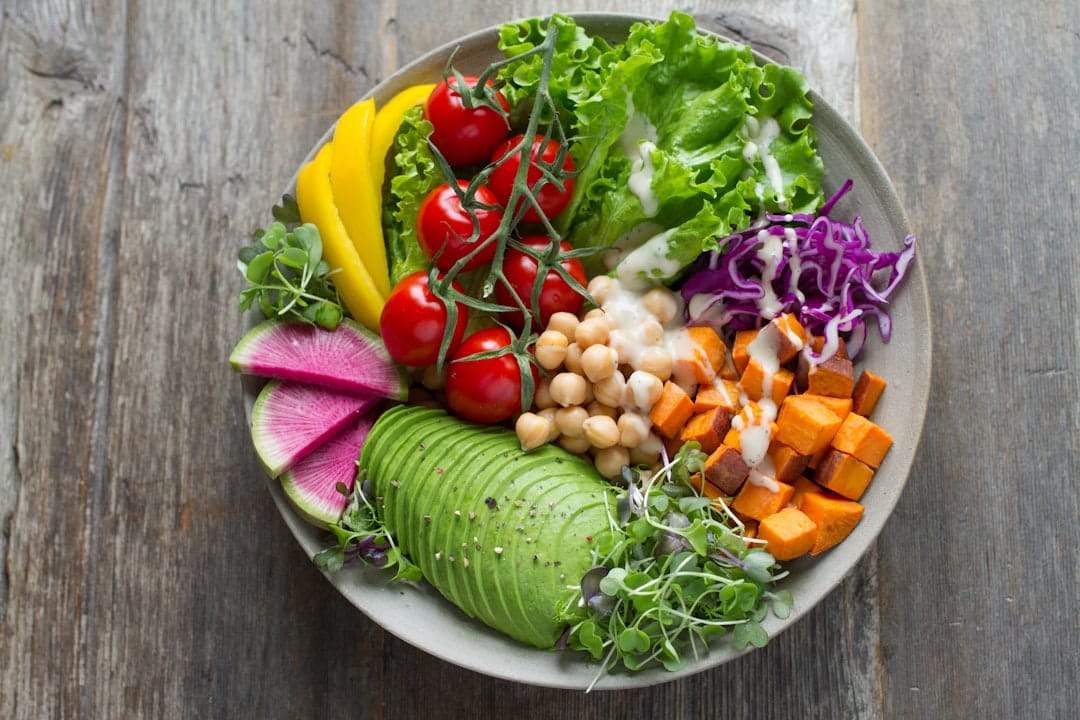
SaveVeganism is broader than a meal plan. It’s a way of living that avoids using animals for food, clothing, or anything else, so committed vegans skip leather and fur and steer clear of cosmetics tested on animals. On the plate, that means no meat, fish, dairy, eggs, honey, or gelatin. It’s the strictest branch of vegetarianism.
The eating pattern itself is flexible. Cooked or raw, high-starch or fruit-heavy, wholesome or processed, they all technically qualify as vegan.
The main styles you’ll run into
Whole-food vegan builds meals around fruits, vegetables, legumes, and whole grains while skipping refined sugar, white flour, and processed oils. This is the version most closely tied to the health benefits.
Raw food vegan favors produce and other plant foods heated no higher than 118°F, on the idea that raw is more nourishing.
Raw till 4 keeps things raw until evening, then finishes the day with a cooked plant-based dinner. It runs high in carbs, low in fat and protein.
The 80/10/10 aims for 80% of calories from carbs and 10% each from protein and fat, mostly raw fruit and soft greens, with fatty picks like avocado kept low.
The Starch Solution centers cooked starches such as rice and potatoes, roughly 70% starch, 20% vegetables, 10% fruit.
Junk food vegan runs on mock meats, dairy-free desserts, and fries. It’s plant-based on paper but often high in calories, sugar, and poor-quality fat.
That last one is the reminder that “vegan” and “healthy” aren’t automatically the same thing. If weight or nutrition is your goal, the composition of your plate matters far more than the label.
Vegan or Vegetarian, What’s the Real Difference
Both camps eat plants, but vegetarians still allow dairy, eggs, or both, which makes vegetarian eating the more forgiving of the two. Because vegans cut those out entirely, they carry a higher risk of running low on vitamin B12, vitamin D, and calcium. The upside is real too, plant-forward patterns are associated with a lower risk of metabolic syndrome and cardiovascular disease.
If you can’t imagine giving up cheese and eggs, a 7-day vegetarian meal plan built around weight loss may suit you more. If you’re ready to let them go, vegan is on the table.
What the Diet Might Do for Your Health
The evidence here is encouraging, though rarely absolute.
Blood sugar is one of the clearest. Plant-based eating, heavy on whole grains, legumes, fruits, and vegetables, is tied to a lower risk of type 2 diabetes, and low-fat plant-based diets have been shown to improve serum glucose, body weight, and blood pressure in people already living with it. If insulin is a concern for you, it’s worth reading about what to eat when your body stops responding to insulin.
Cholesterol tends to move in a helpful direction too. Compared with meat-based eating, plant-based diets may lower total and LDL (“bad”) cholesterol more effectively, which supports heart health. That said, the picture isn’t spotless, some research points to a slightly higher risk of ischemic heart disease among vegans, so this part is less settled than headlines suggest.
On cancer, one study found plant-based eating may offer some protection against digestive-system cancers, including pancreatic. A separate review looking at cancer mortality called the evidence limited.
Weight is where many people notice a difference. Cutting meat and dairy in favor of nutrient-dense plants can naturally trim calories, and a vegan approach aimed specifically at weight loss leans into that. Loading up on fiber helps too, so it’s worth knowing which high-fiber foods deserve a daily spot on your plate.
The Nutrients You Have to Plan For
 Save
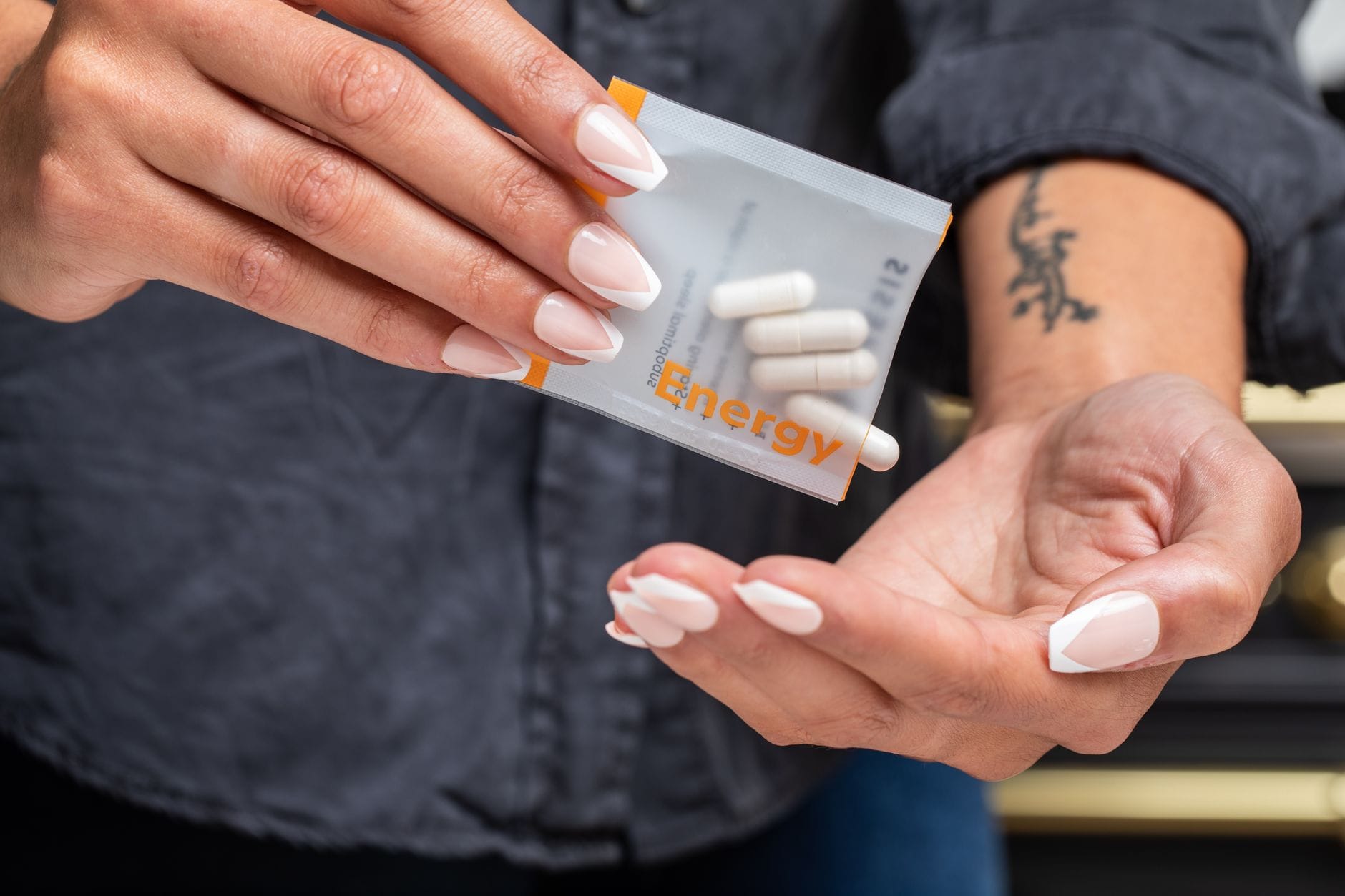
SaveThis is the part that separates a thriving vegan from a depleted one. Skip animal products without a plan and you can drift into shortfalls of vitamin B12, calcium, iron, and omega-3 fatty acids.
B12 is the non-negotiable, plants simply don’t supply it reliably, so fortified foods or a supplement are essential. Calcium comes from fortified plant milks, tofu, and leafy greens. Iron is available from legumes and whole grains, and pairing it with vitamin C helps you absorb more. Omega-3s can come from flax, chia, walnuts, or an algae-based supplement.
Protein worries less than people expect, provided you eat enough legumes, soy, nuts, and grains. If you’re active, homemade options like these protein shakes made without store-bought powder make hitting your target easy. And if you’re new to the whole idea, a broader plant-based eating plan is a gentler on-ramp than jumping straight to strict vegan.
The Honest Downsides
A vegan diet isn’t for everyone, and pretending otherwise helps no one. It can be genuinely hard to follow around family traditions, religious food customs, or a tight budget, since specialty products add up fast. Anyone already managing a deficiency in B12, iron, zinc, or calcium should talk to a professional before committing. Social situations, from restaurants to holidays, take some navigating too. None of these are dealbreakers, but they’re real.
Frequently Asked Questions
Is a vegan diet safe long-term?
For most healthy adults, yes, provided it’s well planned. The main long-term risk is nutrient shortfall, especially B12, so ongoing supplementation or fortified foods matter.
Will I automatically lose weight going vegan?
Not automatically. A whole-food vegan diet often supports weight loss, but a diet built on vegan junk food, fries, and dairy-free desserts can just as easily add weight.
Can I get enough protein without meat or dairy?
Yes. Legumes, soy foods, nuts, seeds, and whole grains cover protein needs for most people when you eat a reasonable variety and enough total calories.
The Bottom Line
A vegan diet trades every animal product for a plate built on plants, and the payoff can be real, steadier blood sugar, friendlier cholesterol, and easier weight management. The catch is that quality and planning decide the outcome. Center your meals on whole foods, cover B12, calcium, iron, and omega-3s deliberately, and check in with a professional if you’re starting from a deficiency. Get those pieces right and plant-based eating can be something you sustain for the long haul.
This article is for informational purposes only and is not a substitute for professional medical advice. Consult a qualified healthcare provider or registered dietitian before making major changes to your diet, especially if you have an existing health condition or nutrient deficiency.
Related Articles
Can a Vegan Diet Really Help You Lose Weight (and Keep It Off)?
9 Reasons a Plant-Based Diet Might Be the Smartest Change You Make This Year
A 7-Day Vegetarian Meal Plan That Makes Weight Loss Feel Easy
What to Eat When Your Body Stops Listening to Insulin
The High Fiber Foods Worth Putting on Your Plate Every Day
The Homemade Protein Shakes I Reach For Instead of Store-Bought Powder