

What the research says about plant-based eating, plus the planning that makes it actually work.
Plant-based eating has moved from fringe to mainstream, and one of the most common reasons people try it has nothing to do with ethics or the environment. They want to lose weight. The research here is genuinely encouraging: in head-to-head comparisons, people following a vegan diet tend to lose more weight than those on several other popular eating patterns.
That said, cutting out animal products guarantees nothing on its own. French fries and soda are technically vegan. This guide covers what the evidence shows, which foods to build your plate around, and the nutritional gaps worth planning for before you begin.
Key Takeaways
– A vegan diet excludes all animal products, including meat, fish, dairy, eggs, and even honey and gelatin.
– In comparison studies, people on vegan diets lost more weight than those following vegetarian, pesco-vegetarian, semi-vegetarian, or omnivorous plans.
– Plant-based diets may raise resting energy expenditure, which means slightly more calories burned even at rest.
– Weight loss still requires eating fewer calories than you burn; the vegan label alone won’t get you there.
– A poorly planned vegan diet can fall short on protein, iodine, and essential fatty acids, so a dietitian’s guidance is worth having.
What a Vegan Diet Actually Involves
A vegan diet is built entirely from plants: fruits, vegetables, whole grains, legumes, nuts, and seeds, along with non-dairy milks like oat or almond and plant proteins such as tofu and tempeh. Everything animal-derived is off the menu, and that includes less obvious items like honey and gelatin, not just meat and cheese.
For many people it goes beyond food. Veganism is often a lifestyle commitment to cruelty-free living and a smaller environmental footprint. But even if your motivation is purely the number on the scale, research suggests the diet delivers, with studies showing significant weight reduction in people who follow it.
Does It Really Work for Weight Loss?
The evidence is stronger than you might expect. One study compared people on five different eating plans and found that those on a vegan diet lost more weight than participants following semi-vegetarian, pesco-vegetarian, vegetarian, or omnivorous diets, largely because they took in fewer unhealthy fats.
There may be a metabolic angle too. Research on plant-based diets found they can boost metabolism and increase resting energy expenditure, so your body burns more calories even when you’re not doing much of anything.
Sticking with a diet is usually the hard part, and here vegan eating holds up surprisingly well. Studies suggest vegan dieters showed greater adherence than people on other plans, and even participants who followed the diet imperfectly still lost meaningful weight and saw their cholesterol drop compared to non-vegan dieters.
One honest caveat: a vegan diet is not automatically balanced. It can miss the recommended daily intake of nutrients like protein, iodine, and certain fatty acids. It works best done deliberately, ideally with input from a nutritionist or dietitian.
A Healthy Weight Is More Than a Number
Before chasing a target weight, it helps to know what you’re actually aiming for. There is no single healthy weight that fits everyone. The usual starting point is Body Mass Index, which factors in height, but a fuller picture includes age, gender, muscle mass, bone density, and body fat percentage. Two people at the same weight can be in very different health situations.
Reaching a healthy range matters because it’s linked to lower risk of heart disease, diabetes, and certain cancers, along with better physical and mental health. Getting there involves more than food: sleep, exercise, and stress management all pull weight (so to speak). Sustainable lifestyle changes beat fixating on the scale every time.
Plant-Based Foods That Support Weight Loss
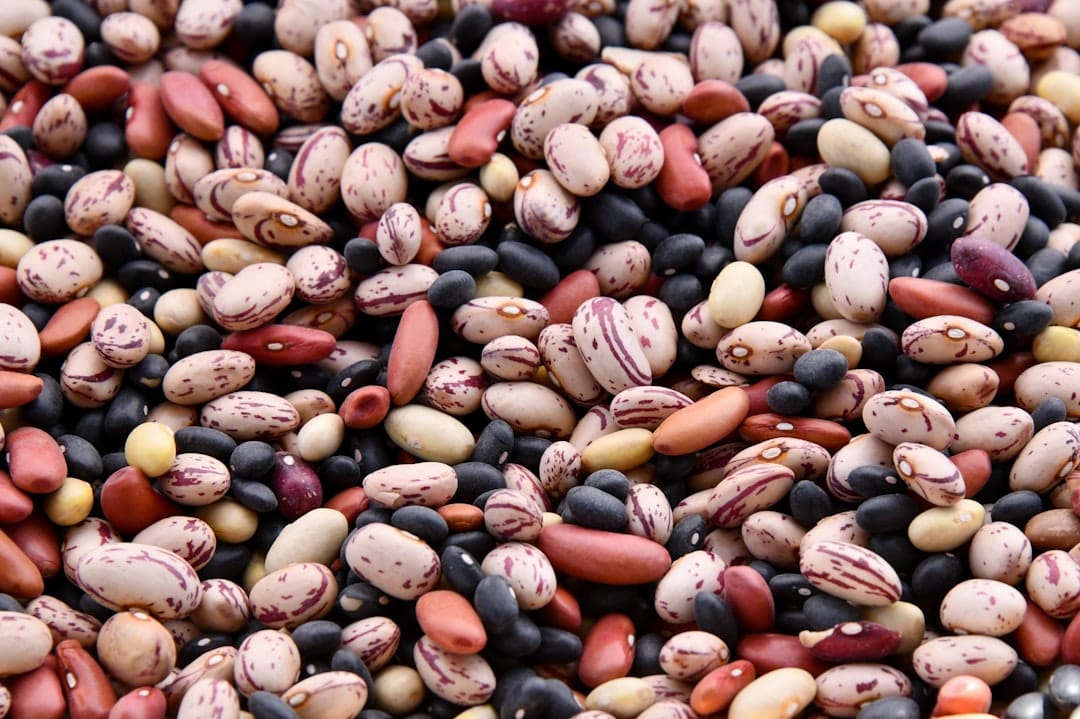
The foods that make this diet work for weight loss are the whole, minimally processed ones:
Vegetables and fruits, in as much variety as you can manage
Whole grains rather than refined ones
Legumes like beans, lentils, and chickpeas for protein and fiber
Nuts and seeds, portioned mindfully since they’re calorie-dense
Tofu and tempeh as protein anchors for meals
These foods deliver the fiber, vitamins, minerals, and antioxidants that make a vegan diet more than a weight loss tool. A diet built around them has been linked to lower risk of chronic conditions including heart disease, type 2 diabetes, and some cancers.
Making the Nutrition Work
Here’s the part people skip. Going vegan doesn’t guarantee weight loss; you still need to eat fewer calories than you burn. And because vegan meals can sometimes feel less satisfying than meals built around animal products, the balance of protein, fat, and fiber on your plate matters more, not less.
A few strategies help. Get enough protein at every meal so hunger doesn’t derail you. Hit your fiber targets, which is easy if legumes and whole grains are regulars. Cut back on processed foods and refined sugar, since plenty of junk food qualifies as vegan. And pair the diet with movement, mindful eating, and portion control. That combination is what produces results that last, rather than a quick drop followed by a rebound.
A meal plan takes most of the guesswork out. When each meal is designed to hit your nutrient needs within your calorie budget, you’re not making willpower decisions at 7 p.m. with an empty stomach.
Who Should Be Careful
This diet isn’t for everyone. People with medical conditions that require specific dietary restrictions or particular nutritional intake should talk to a doctor first. Followed carelessly, a vegan diet can produce protein and other nutrient deficiencies, which is the opposite of the health upgrade you signed up for. Professional supervision solves most of this.
Frequently Asked Questions
Do I have to give up honey on a vegan diet?
Yes. A vegan diet excludes all animal-derived products, and that covers by-products like honey and gelatin, not just meat, dairy, fish, and eggs.
Will I lose weight faster on a vegan diet than a vegetarian one?
Research suggests you might. In one comparison study, vegan dieters lost more weight than those on vegetarian, pesco-vegetarian, semi-vegetarian, and omnivorous plans, partly due to lower intake of unhealthy fats.
What if I can’t follow the diet perfectly?
You’re in good company, and the news is reassuring. Studies found that even people who followed a vegan diet imperfectly still saw significant weight loss and cholesterol improvements compared to non-vegan dieters.
The Bottom Line
A vegan diet has real evidence behind it as a weight loss approach. It tends to outperform other diets in comparison studies, may nudge your metabolism upward, and is easier to stick with than its reputation suggests. But the diet is a framework, not a magic switch. You still need a calorie deficit, whole foods rather than vegan junk, and a plan for nutrients like protein and iodine that plants don’t supply as readily. Done thoughtfully, ideally with a dietitian’s input, it can support both a leaner body and better long-term health.
This article is for informational purposes only and is not a substitute for professional medical advice, diagnosis, or treatment. Always consult a qualified healthcare provider before starting any new diet, especially if you have an existing medical condition.