
What cacao contains and what research shows about the benefits of cacao for skin, hair, teeth, cholesterol and heart health.
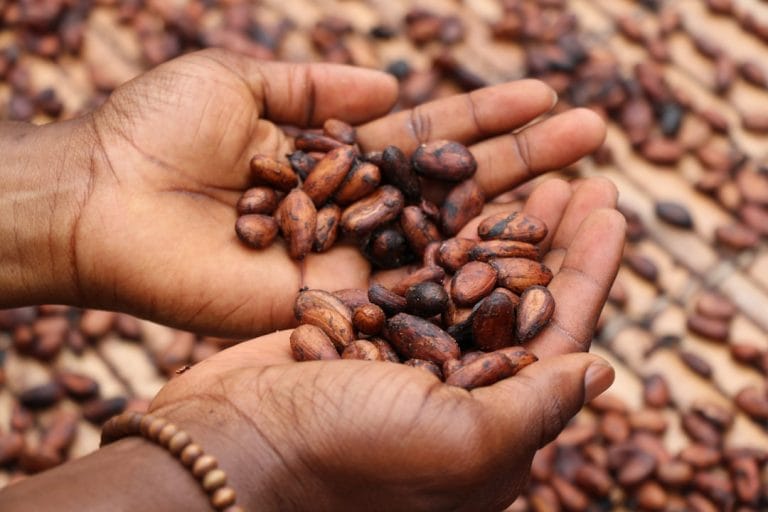
Cacao is the seed of the tropical Theobroma cacao tree and the raw material for cocoa and chocolate. Chemical residues on pottery from Honduras show that people were making cacao drinks before 1000 BC (1). Today the benefits of cacao are linked mainly to flavanols, plant compounds found in the bean.
Many popular claims go further than the research. This guide separates results from human trials from laboratory and animal findings.
Key Takeaways
- Unsweetened cocoa powder is rich in fiber, magnesium, iron and copper (4).
- Flavanol-rich cocoa lowered blood pressure by about 2 mmHg in short trials (14) and LDL cholesterol by about 6 mg/dL (13).
- In the large COSMOS trial, a cocoa flavanol supplement did not significantly reduce total cardiovascular events (15).
- Small trials suggest high-flavanol cocoa reduces UV skin redness and may improve wrinkles (7, 9); there are no studies on cacao for hair.
- Chocolate is energy-dense and can contain cadmium and lead, which rise with cocoa content (5, 19).
Cacao vs Cocoa: What Is the Difference?
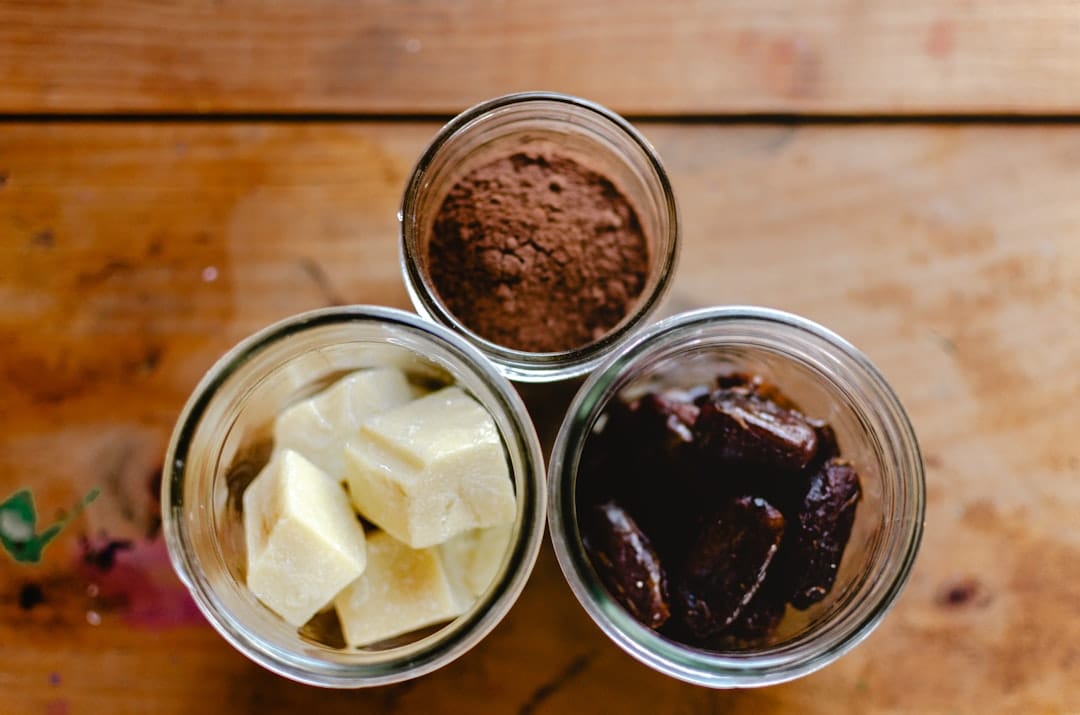
The words are often used interchangeably. Both come from the same beans. After harvest, the beans and their pulp are fermented for about a week, which kills the beans and develops flavor (2). The beans are then dried, roasted and ground into chocolate liquor. Pressing out most of the fat (cocoa butter) leaves cocoa powder.
In the US, federal standards set minimum amounts of chocolate liquor: at least 10% for milk chocolate, 15% for sweet chocolate and 35% for semisweet or bittersweet chocolate. White chocolate is made from cocoa butter, milk and sweeteners, without chocolate liquor (3). Conventional chocolate making greatly reduces the flavanols found in fresh beans (8), so the cocoa percentage on a label does not tell you the flavanol content.
Cacao Nutrition
 Save
Save| Per 100 g | Unsweetened cocoa powder | Dark chocolate (70–85% cacao) |
|---|---|---|
| Calories | 228 kcal | 598 kcal |
| Fiber | 37.0 g | 10.9 g |
| Fat | 13.7 g | 42.6 g |
| Saturated fat | 8.1 g | 24.5 g |
| Magnesium | 499 mg | 228 mg |
| Iron | 13.9 mg | 11.9 mg |
| Copper | 3.8 mg | 1.8 mg |
| Zinc | 6.8 mg | 3.3 mg |
| Caffeine | 230 mg | 80 mg |
| Theobromine | 2,057 mg | 802 mg |
Source: USDA FoodData Central, cocoa dry powder unsweetened (4) and dark chocolate 70–85% cacao solids (5).
Cocoa also contains flavanols such as epicatechin and catechin, which act as antioxidants in laboratory studies (18). In an analysis funded and carried out by Hershey, cocoa powder and dark chocolate had antioxidant capacity and flavanol content equal to or higher than several fruit powders and juices (6). Antioxidant capacity measured in the lab does not show a health benefit on its own.
Cacao Benefits at a Glance
| Claim | Best evidence | What it found |
|---|---|---|
| Lower blood pressure | Cochrane review, 35 trials (14) | Small drop of about 2 mmHg over 2–18 weeks |
| Lower LDL cholesterol | Meta-analysis, 10 trials (13) | LDL about 6 mg/dL lower over 2–12 weeks |
| Fewer heart attacks and strokes | COSMOS trial, 21,442 adults (15) | No significant reduction in total cardiovascular events |
| Skin and sun protection | Small randomized trials (7, 8, 9) | Less UV redness and some wrinkle improvement with high-flavanol cocoa |
| Hair growth | None | No studies of cacao and hair |
| Teeth and plaque | Laboratory study (12) | Cocoa extract blocked a plaque enzyme in a test tube only |
| Weight loss | Mouse study (17) | Slower weight gain in mice; not shown in people |
Heart Health, Blood Pressure and Cholesterol
A Cochrane review of 35 trials with 1,804 mostly healthy adults found that flavanol-rich cocoa products lowered systolic and diastolic blood pressure by about 2 mmHg over two to 18 weeks. The drop was about 4 mmHg in people with high blood pressure, and the evidence was rated moderate quality (14).
A meta-analysis of 10 trials with 320 participants found that dark chocolate or cocoa lowered LDL cholesterol by 5.9 mg/dL and total cholesterol by 6.2 mg/dL, with no effect on HDL cholesterol or triglycerides (13).
The strongest test so far is COSMOS, a randomized trial in 21,442 older US adults. A daily cocoa extract supplement with 500 mg of flavanols did not significantly reduce total cardiovascular events over a median 3.6 years (hazard ratio 0.90). Deaths from cardiovascular disease, a secondary outcome, were 27% lower, and the authors called for more research (15). The trial used a supplement, not chocolate.
Evidence that cocoa reduces inflammation is limited. A review of 33 trials found that regular cocoa intake changed few inflammation markers in healthy people, with more effect in people with type 2 diabetes or impaired fasting glucose (16). Cacao can fit into a balanced diet, but it is not a treatment for heart disease.
Cacao Benefits for Skin
In a 12-week trial, women who drank high-flavanol cocoa (326 mg of flavanols a day) had 25% less skin redness after UV exposure, along with better skin hydration and less roughness. A low-flavanol drink had no effect (7). In a study of 30 people, 20 g a day of a specially made high-flavanol chocolate doubled the UV dose needed to cause redness after 12 weeks, while conventional dark chocolate did not (8).
A 24-week randomized trial in 43- to 86-year-old Korean women found that a cocoa drink with 320 mg of flavanols a day modestly reduced wrinkle depth and improved elasticity, but did not improve skin hydration compared with placebo (9). A review of this research concluded that cocoa compounds may support skin health but that the mechanisms are still unclear (10).
These trials tested flavanols taken by mouth. They do not show that cocoa butter applied to the skin removes wrinkles or dark spots, and none showed protection against skin cancer. Keep using sunscreen. For another botanical often used in skincare, see our guide to sandalwood oil.
Cacao Benefits for Hair
No studies have tested cacao or cocoa for hair growth. A review on nutrition for women with hair loss during menopause lists magnesium, iron, zinc and copper among the minerals that influence hair growth (11), and cocoa provides all four (4). This does not show that eating cacao prevents hair loss. If you are losing hair, see our guide to home remedies for hair fall and talk to a doctor to check for causes such as iron deficiency or thyroid problems.
Cacao and Teeth
 Save
SaveIn a 1985 laboratory study, cocoa, coffee and tea extracts blocked glucosyltransferase, an enzyme that plaque bacteria use to make sticky polysaccharides from sugar (12). This was a test-tube experiment and does not show that chocolate prevents cavities. Most chocolate products contain added sugar, which is the main dietary cause of tooth decay.
Cacao and Weight
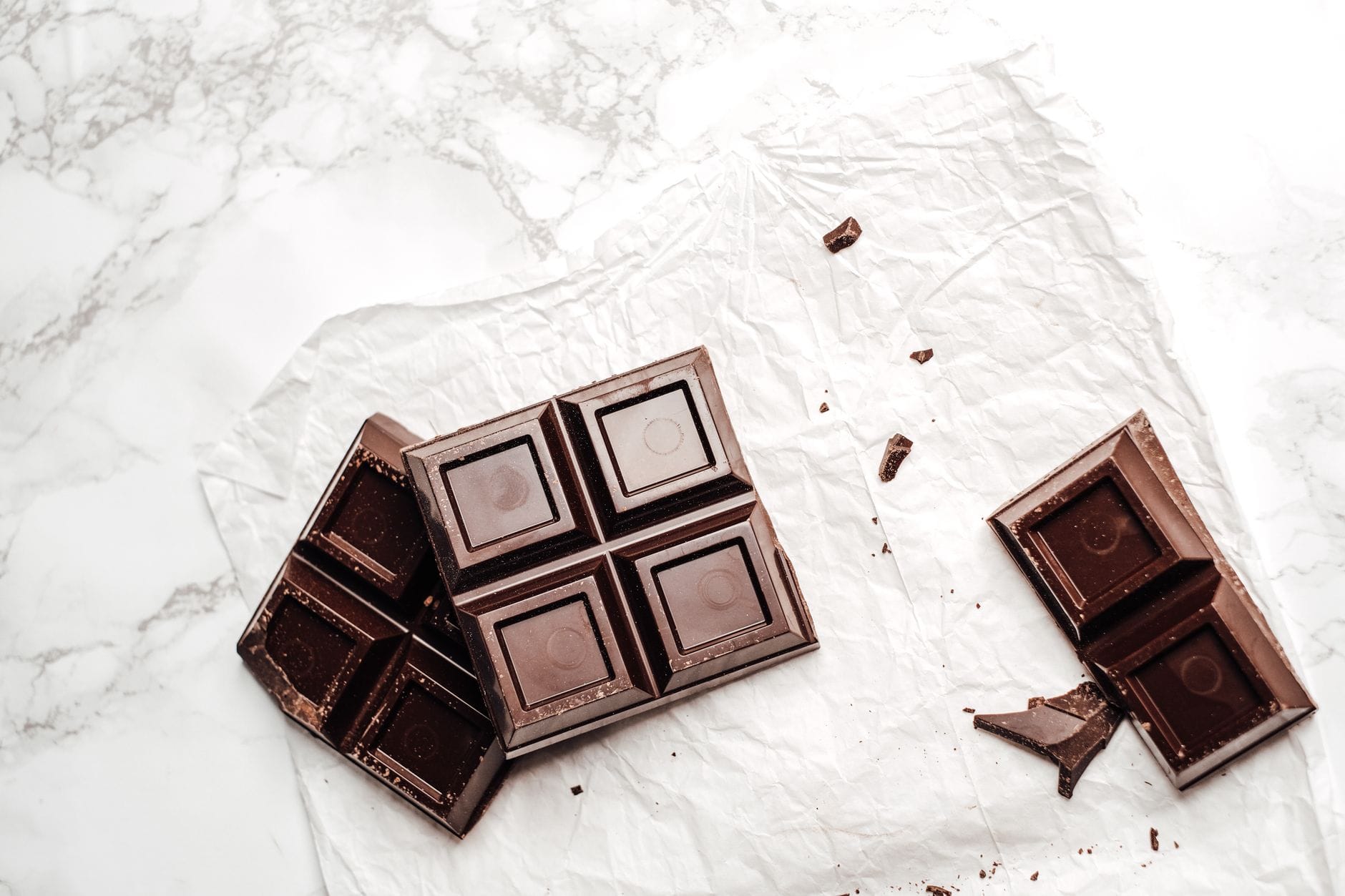
In obese mice fed a high-fat diet, adding 8% cocoa powder slowed weight gain by 15.8% and reduced insulin resistance and fatty liver (17). These results have not been shown in people. Dark chocolate provides about 598 calories per 100 g (5), and a review of cocoa research notes that overeating chocolate raises the risk of weight gain (18).
Side Effects and Cautions
- Calories and sugar: chocolate is energy-dense (5, 18). If you sweeten cocoa at home, a low-calorie option such as erythritol can replace some sugar.
- Caffeine and theobromine: unsweetened cocoa powder contains about 230 mg of caffeine and 2,057 mg of theobromine per 100 g (4), so large amounts may affect people sensitive to stimulants.
- Stomach upset: in blood pressure trials, about 1% of people taking cocoa reported digestive complaints or nausea (14).
- Heavy metals: an FDA survey found cadmium and lead in US cocoa powder and chocolate products, with higher levels in products with more cocoa (19).
Frequently Asked Questions
Is cacao good for your skin?
Small randomized trials found that drinking high-flavanol cocoa for 12 weeks reduced skin redness after UV exposure by up to 25%, and a 24-week trial found modest improvements in wrinkles and elasticity. Ordinary chocolate with low flavanol levels did not show this effect, and cocoa does not replace sunscreen.
Does cacao help hair growth?
There are no studies showing that eating cacao or applying cocoa products helps hair grow. Cacao is a good source of magnesium, iron and zinc, minerals involved in hair health, but that does not prove cacao itself prevents hair loss.
Does dark chocolate lower cholesterol?
A meta-analysis of 10 short trials found that dark chocolate or cocoa products lowered LDL cholesterol by about 6 mg/dL and total cholesterol by about 6 mg/dL, with no effect on HDL or triglycerides. The effect is small.
Is cacao the same as cocoa?
Both come from the seeds of the Theobroma cacao tree, and the words are often used interchangeably. Cocoa powder is made by pressing most of the fat out of ground, fermented and roasted beans. Processing can reduce flavanols, so products differ widely.
Does dark chocolate contain lead and cadmium?
An FDA survey of cocoa powder and chocolate sold in the US found cadmium and lead in many products, and levels rose with the percentage of cocoa. Eating a variety of foods and keeping chocolate portions moderate limits exposure.
The Bottom Line
Cacao is a good source of fiber, magnesium, iron and flavanols. Human trials show small reductions in blood pressure and LDL cholesterol and some benefit for sun-related skin redness and wrinkles with high-flavanol cocoa, but a large trial did not find fewer cardiovascular events overall. Claims about hair growth, teeth and weight loss rest on laboratory or animal research. Choose unsweetened cocoa powder or dark chocolate in modest amounts as part of an overall healthy diet.
This article is for informational purposes only and is not a substitute for professional medical advice, diagnosis, or treatment. Talk to a healthcare provider before using cocoa supplements, especially if you take blood pressure medication or are sensitive to caffeine.
Related Articles
Positive Effects of Healthy Eating: What Research Shows
Sandalwood Oil Benefits for Skin, Hair & Health
Home Remedies to Control Hair Fall: What the Evidence Says
Balanced Diet Guide With the 5 Food Groups
Erythritol Benefits, Side Effects & Safe Daily Amounts