
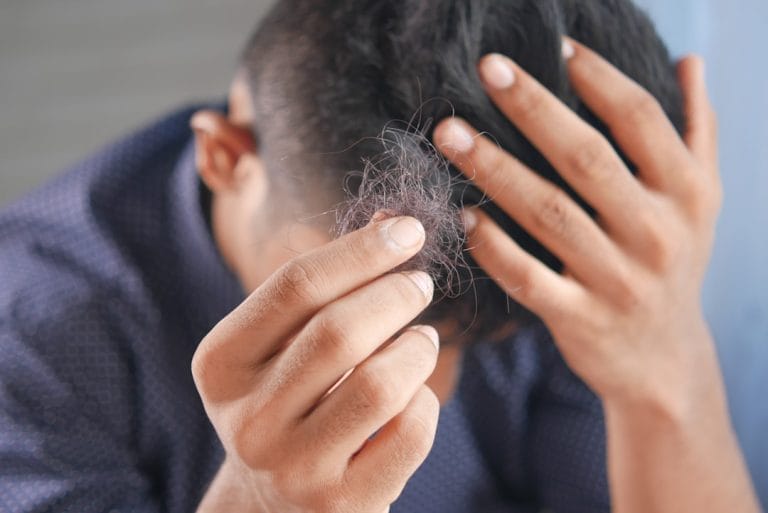
Some shedding is normal, some has a clear cause you can fix, and a few home remedies actually have human trials behind them.
Finding a few strands on your pillow is normal. Finding a clump in your brush every morning is not something to ignore. Before trying home remedies to control hair fall, it helps to know whether you are dealing with ordinary shedding, a temporary reaction to stress or illness, or a type of hair loss that needs medical treatment.
This guide covers how to tell the difference, the most common causes, the home remedies with real evidence behind them (and the ones that have only been tested in the lab), and when it is time to see a doctor.
Key Takeaways
- Losing 50 to 100 hairs a day is normal. Heavy shedding after stress, illness, or childbirth usually recovers on its own within six to nine months (1).
- The most common type of hair loss is genetic pattern hair loss, and its first-line treatment is minoxidil (2).
- Correcting a real nutrient deficiency, such as iron, can help, but supplements rarely help people who are not deficient (4, 6).
- Home remedies with human trials include rosemary oil, pumpkin seed oil, and an essential oil scalp massage for alopecia areata (8, 9, 10).
- Amla, fenugreek, hibiscus, and green tea have only been tested in labs or animals (13, 14, 15, 16).
- See a doctor for sudden, patchy, or painful hair loss, or shedding that does not improve.
Is It Shedding or Hair Loss?
It is normal to shed between 50 and 100 hairs a day. When you shed significantly more than that, dermatologists call it excessive hair shedding, or telogen effluvium. Common triggers include major stress, a high fever or illness, childbirth, surgery, significant weight loss, and stopping birth control pills. The shedding usually starts a few months after the trigger and tends to resolve on its own, with fullness returning within six to nine months (1).
Hair loss is different: something stops hair from growing. Causes include genetics, immune conditions, some medications, tight hairstyles, harsh hair products, and hair pulling. In these cases, hair will not regrow until the cause is dealt with (1). Excessive shedding can also exist alongside pattern hair loss, which is one reason it deserves proper assessment rather than being dismissed (3).
Common Causes of Hair Fall
Doctors group the most common forms of non-scarring hair loss into three patterns (2):
- Diffuse shedding, such as telogen effluvium, which is usually temporary and improves when the trigger is removed.
- Patterned hair loss, mainly androgenetic alopecia (male- or female-pattern hair loss), the most common form, which is largely genetic.
- Focal hair loss, including alopecia areata (round bald patches), fungal scalp infection, and traction alopecia from tight hairstyles.
Hair loss can also be a sign of thyroid disease, autoimmune conditions, or malnutrition, which is why a doctor may order blood tests (2). Nutrition matters too. Deficiencies in micronutrients such as iron, zinc, vitamin D, and others have been linked to non-scarring hair loss (5). Crash dieting is a classic trigger for shedding, which is one reason to lose weight gradually with a sensible calorie deficit and enough protein.
Home Remedies With the Best Evidence
Rosemary oil
In a randomized trial of 100 people with androgenetic alopecia, one group used rosemary oil and the other used 2% minoxidil for six months. Neither group changed much at three months, but both had significantly more hair at six months, with no significant difference between the two, and scalp itching was more common with minoxidil (8). That makes rosemary oil one of the better-supported natural options, although it is a single trial and compared against the lower-strength minoxidil.
How to use it: Mix a few drops of rosemary essential oil into a tablespoon of a carrier oil such as jojoba or coconut oil, massage into the scalp, and leave for at least an hour before washing. Never apply essential oils undiluted, and patch test first. Give it several months.
Pumpkin seed oil
In a double-blind, placebo-controlled trial, 76 men with mild to moderate androgenetic alopecia took 400 mg of pumpkin seed oil capsules a day or a placebo for 24 weeks. Hair counts rose by 40 percent in the pumpkin seed oil group compared with 10 percent on placebo, with no difference in side effects (9). A systematic review of nutritional supplements for hair loss also listed pumpkin seed oil among the options with higher-quality evidence of potential benefit (7).
Essential oil scalp massage for alopecia areata
In a randomized, double-blind trial of 86 people with alopecia areata, daily scalp massage with thyme, rosemary, lavender, and cedarwood essential oils in jojoba and grapeseed oil improved hair loss in 44 percent of patients, compared with 15 percent of those who massaged with the carrier oils alone (10). Alopecia areata should still be diagnosed by a doctor, since medical treatments are available.
Onion juice
In a small study of 38 people with patchy alopecia areata, applying raw onion juice twice daily led to regrowth in 87 percent by six weeks, compared with 13 percent of those using tap water (11). It has not been properly tested for pattern hair loss. Onion juice can irritate the scalp, so patch test and rinse it off thoroughly.
Coconut oil
 Save
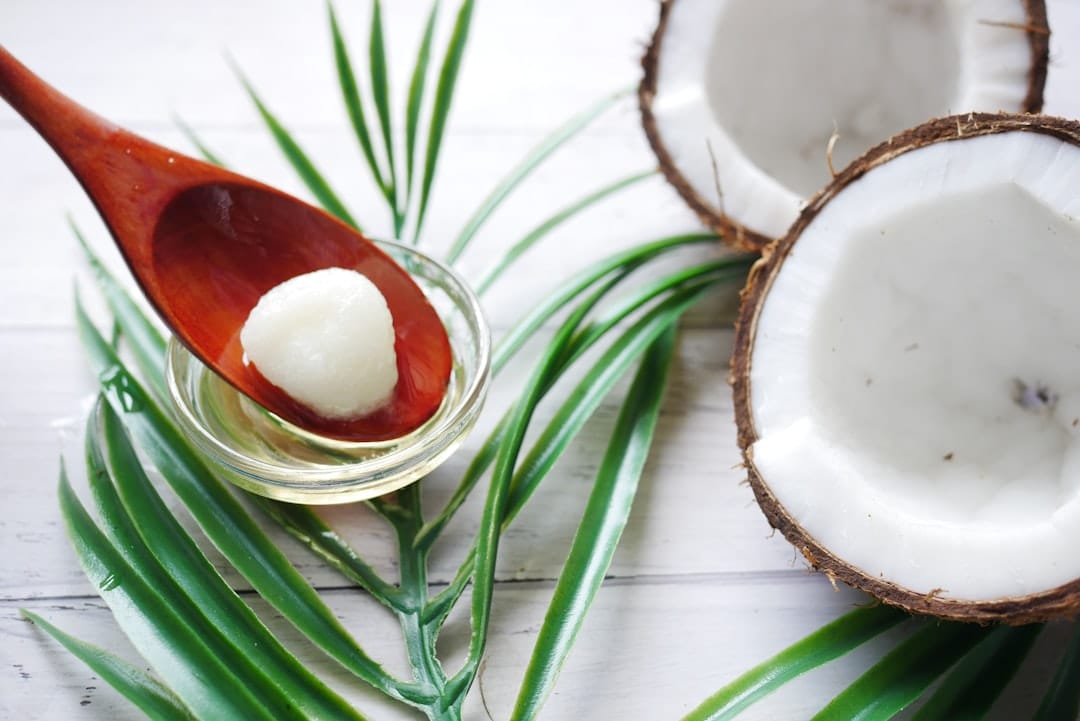
SaveCoconut oil does not make hair grow, but it can reduce breakage. In laboratory testing on hair fibers, coconut oil was the only one of three oils that markedly reduced protein loss from both damaged and undamaged hair, likely because it can penetrate the hair shaft (12). Less breakage can mean fuller-looking hair if damage from styling is part of the problem. Massage a tablespoon into the lengths and scalp before washing, once or twice a week.
Nutrients and Supplements
If you have a deficiency, correcting it should help. For people without a deficiency, research has not shown clear benefits from supplements, and some supplements can actually worsen hair loss or cause toxicity when taken in excess (4). Biotin is a good example: it is heavily marketed for hair, but reviews found no good evidence that it helps healthy people, only those with an underlying deficiency or specific conditions (6).
A systematic review of nutritional supplements for hair loss in people without known deficiencies found some products with potential benefit, but many studies were small and short, and the authors called for larger trials (7). The practical approach is to eat a balanced diet with enough protein and iron-rich foods, and ask your doctor about testing if you suspect a deficiency.
Remedies With Only Early Evidence
 Save
SaveThese traditional remedies are popular, low-cost, and generally low-risk on the scalp, but the evidence so far comes from test tubes and animals:
- Amla (Indian gooseberry). Amla fruit extract increased the growth of hair follicle dermal papilla cells in a laboratory study (13).
- Fenugreek. A herbal formulation containing fenugreek extract in an aloe vera gel base promoted hair growth in rats, but fenugreek was not tested on its own (14). More on its traditional uses in methi seeds for hair.
- Hibiscus. Hibiscus leaf extract showed hair growth activity in rats and in cultured hair follicles (15).
- Green tea. Green tea polyphenols in drinking water led to hair regrowth in about a third of mice with spontaneous hair loss (16).
- Egg yolk. Peptides from egg yolk stimulated hair follicle cells and growth factor production in lab and mouse studies, in research by a company developing the ingredient (17).
A 2025 review of herbal remedies for hair loss concluded that many show promise but that most studies are small, short, and lack long-term follow-up (18).
Medical Treatments
For androgenetic alopecia, topical minoxidil is the first-line treatment, and oral finasteride is an option for men. Alopecia areata is typically treated with steroid injections or oral immune-modulating medicines, fungal scalp infections with oral antifungals, and traction alopecia by reducing tension on the hair (2). All of these have possible side effects, so the right choice depends on the cause, which is why diagnosis comes first.
When to See a Doctor
- Sudden hair loss, or loss in round or patchy areas.
- Redness, scaling, pain, or pus on the scalp.
- Hair loss together with other symptoms, such as fatigue, weight change, or irregular periods.
- Shedding that has not improved after several months.
- Hair loss that is affecting your mood or quality of life — moderate to severe hair loss is linked to anxiety and depression (2).
Habits That Protect Your Hair
- Avoid tight ponytails, braids, and extensions that pull on the scalp.
- Limit heat styling and harsh chemical treatments.
- Handle wet hair gently, and use a wide-toothed comb.
- Avoid crash diets, and eat enough protein.
Frequently Asked Questions
How much hair fall is normal per day?
Shedding between 50 and 100 hairs a day is normal. Shedding noticeably more than that every day is called excessive shedding, or telogen effluvium, and it often follows a trigger such as major stress, illness with a high fever, childbirth, surgery, or big weight loss.
Does hair grow back after stress-related hair fall?
Usually, yes. Excessive shedding tends to start a few months after the stressful event and often settles on its own, with hair returning to its normal fullness within about six to nine months. Ongoing stress can make it last longer.
Does rosemary oil really help hair growth?
There is some evidence. In a randomized trial of 100 people with pattern hair loss, rosemary oil and 2% minoxidil both increased hair counts after six months, with no significant difference between them and less scalp itching with rosemary. It is one trial, so it should not replace proven treatment for significant hair loss. Always dilute essential oils in a carrier oil.
Can biotin stop hair fall?
Only if you are actually low in biotin, which is uncommon. Reviews find no good evidence that biotin helps hair growth in healthy people, and high doses can interfere with some blood tests. Get tested rather than guessing.
Is onion juice good for hair fall?
A small study in people with patchy alopecia areata found more regrowth with raw onion juice than with tap water. It has not been well studied for common pattern hair loss, and it can irritate the scalp, so patch test first.
When should I see a doctor about hair fall?
See a doctor or dermatologist if you have sudden or patchy hair loss, bald spots, scalp redness, scaling or pain, hair loss with other symptoms such as fatigue or weight change, or shedding that has not improved after several months. Early diagnosis makes treatment more effective.
The Bottom Line
The first step in controlling hair fall is working out what kind it is. Shedding of 50 to 100 hairs a day is normal, and heavier shedding after stress or illness usually recovers within months. Among home remedies to control hair fall, rosemary oil and pumpkin seed oil have the best human evidence, essential oil scalp massage and onion juice have shown results in alopecia areata, and coconut oil helps reduce breakage. Amla, fenugreek, hibiscus, and green tea are traditional options with only lab and animal data. Correct real nutrient deficiencies rather than megadosing supplements, and see a doctor for sudden, patchy, or persistent hair loss.
This article is for informational purposes only and is not a substitute for professional medical advice, diagnosis, or treatment. Always consult a qualified healthcare provider about persistent hair loss or before starting any supplement.
Related Articles
3 Benefits of Methi Seeds for Hair
Benefits of Sesame Seeds for Skin, Hair, and Health
Benefits of Guava Leaves for Skin, Hair, and Health
How to Eat a Balanced Diet Without Counting Every Calorie
How to Set Up a Calorie Deficit Without Wrecking Your Energy (or Your Muscle)
Home Remedies for Pinworms: What Actually Works