
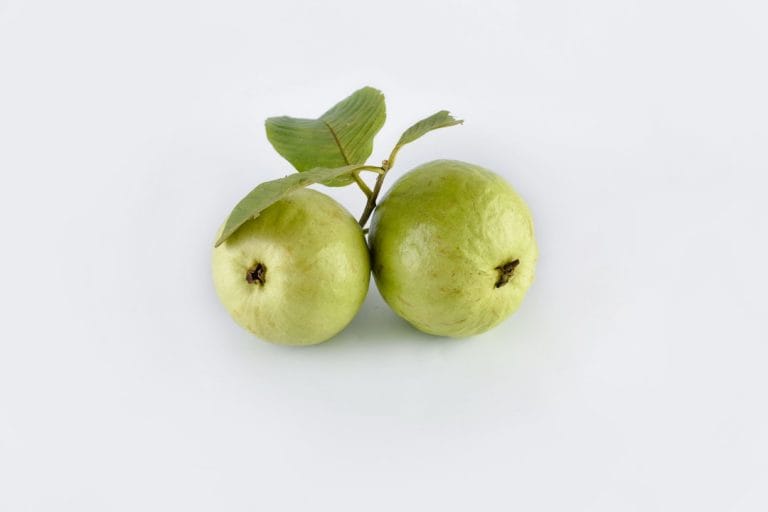
What is in guava leaves, the research behind the benefits of guava leaves for diarrhea, blood sugar and gum health, and what is still unproven for skin and hair.
Guava (Psidium guajava) is a tropical fruit tree, and its leaves have long been used in folk medicine. They contain flavonoids such as quercetin, catechin and epicatechin, along with gallic acid and other plant compounds that show antioxidant, antimicrobial and anti-diarrheal activity in laboratory studies (1).
Reviews conclude that more clinical trials are needed to confirm most benefits of guava leaves (1, 2). This guide separates the uses tested in people from those seen only in animals or the lab.
Key Takeaways
- Guava leaves are used for diarrhea in 44 countries, and small clinical trials support this traditional use (5, 6, 7).
- A mouthrinse with guava leaf extract reduced gingivitis and plaque in a randomized trial (9).
- A guava leaf tea is approved in Japan as a Food for Specified Health Uses; its maker’s review reports lower after-meal blood sugar (3).
- Fertility, fatty liver and many other claims come from animal studies (10, 11).
- No clinical studies support guava leaves for skin or hair.
What Is in Guava Leaves?
Guava leaves contain phenolic compounds including quercetin, avicularin, apigenin, guaijaverin, kaempferol, myricetin, gallic acid, catechin, epicatechin and chlorogenic acid. Extracts have shown anticancer, antidiabetic, antioxidant, anti-diarrheal, antimicrobial, lipid-lowering and liver-protecting activity, mostly in laboratory and animal research (1). Phenolic compounds in the leaves are thought to be responsible for their effects on blood sugar (2).
If you are interested in other leaves used in traditional remedies, see our guide to mango leaves.
Guava Leaf Benefits at a Glance
| Use | Best evidence | What it shows |
|---|---|---|
| Diarrhea | Small clinical trials (6, 7) | A guava leaf capsule shortened abdominal pain; a guava preparation helped children with rotavirus diarrhea |
| Gum health | Randomized trial, 60 people (9) | Guava mouthrinse reduced gingivitis and plaque alongside professional cleaning |
| Blood sugar | Review by the maker of a guava leaf tea (3) | Lower after-meal glucose in animal studies and several clinical trials |
| Cholesterol | Animal studies and company-reported trials (3, 11) | Improved lipids and fatty liver in animals; limited independent human data |
| Male fertility | Rat study (10) | Protected sperm from a cottonseed toxin in rats |
| Skin and hair | No clinical studies found | Antimicrobial and antioxidant activity in the lab only (1, 13) |
Guava Leaves for Diarrhea
 Save
SaveDiarrhea is the most common traditional use. A 2024 review found guava used for diarrhea in 44 countries, most often as a decoction of the leaves, and identified about 27 anti-diarrheal or antibacterial compounds (5). Quercetin compounds in the leaves relax intestinal muscle in laboratory tests (5).
In a randomized, double-blind trial in Mexico, 500 mg capsules of a guava leaf product standardized for quercetin, taken every 8 hours for 3 days, shortened the duration of abdominal pain in 50 adults with acute diarrhea (6). In a Chinese trial of 62 children with rotavirus diarrhea, a guava preparation led to faster recovery than a traditional herbal decoction (87.1% recovered within 3 days versus 58.1%) (7). In mice with a bacterial gut infection that mimics harmful E. coli, guava leaf extract cleared the infection faster than no treatment (8).
The same review noted that safe doses and use in children still need to be established through systematic clinical trials (5). With diarrhea, replacing fluids is the priority; see our guide to home remedies for diarrhea, and seek medical care for children, bloody stools, high fever or signs of dehydration.
Blood Sugar
In Japan, a guava leaf tea containing an aqueous leaf extract is approved as a Food for Specified Health Uses. A review written by researchers from the company that makes it describes how the extract blocks alpha-glucosidase, an enzyme that breaks down starch, and reports reduced after-meal blood sugar and improvements in insulin, triglycerides and cholesterol in mice and in several clinical trials (3). The review also notes that little is known about the extract’s effects in independent human trials (3).
Guava leaf tea should not be used in place of diabetes medication. If you take glucose-lowering drugs, check with your doctor before drinking it regularly.
Cholesterol and Fatty Liver
Evidence on cholesterol comes mainly from the company-authored review above (3) and animal studies. In rats with metabolic syndrome, guava leaf extract given for 6 weeks lowered liver fat and liver enzymes (11).
Guava fruit has been studied separately. In a 6-week trial in 45 healthy students, eating peeled guava lowered total cholesterol, triglycerides and LDL cholesterol, but eating guava with the peel increased fasting blood sugar, total cholesterol and triglycerides (4). These results apply to the fruit, not the leaves.
Gum and Oral Health
In a randomized, placebo-controlled trial of 60 people with gingivitis, all participants received a professional cleaning and then used a 0.15% guava leaf mouthrinse, a 0.2% chlorhexidine mouthrinse or distilled water for 30 days. Both the guava and chlorhexidine rinses showed notable improvements in gum inflammation, plaque and bacterial counts compared with placebo (9). The authors called for longer studies.
Other Traditional Uses
Guava leaves are used in traditional medicine for many other conditions, including respiratory, skin and oral infections, pain and fever (12). Most of these uses have only laboratory or animal evidence:
- Male fertility: in rats given a cottonseed toxin that damages sperm, a high dose of guava leaf extract increased sperm count (10). This has not been tested in people.
- Infections: guava extracts show antimicrobial activity in laboratory and animal studies (13).
Guava Leaves for Skin and Hair
 Save
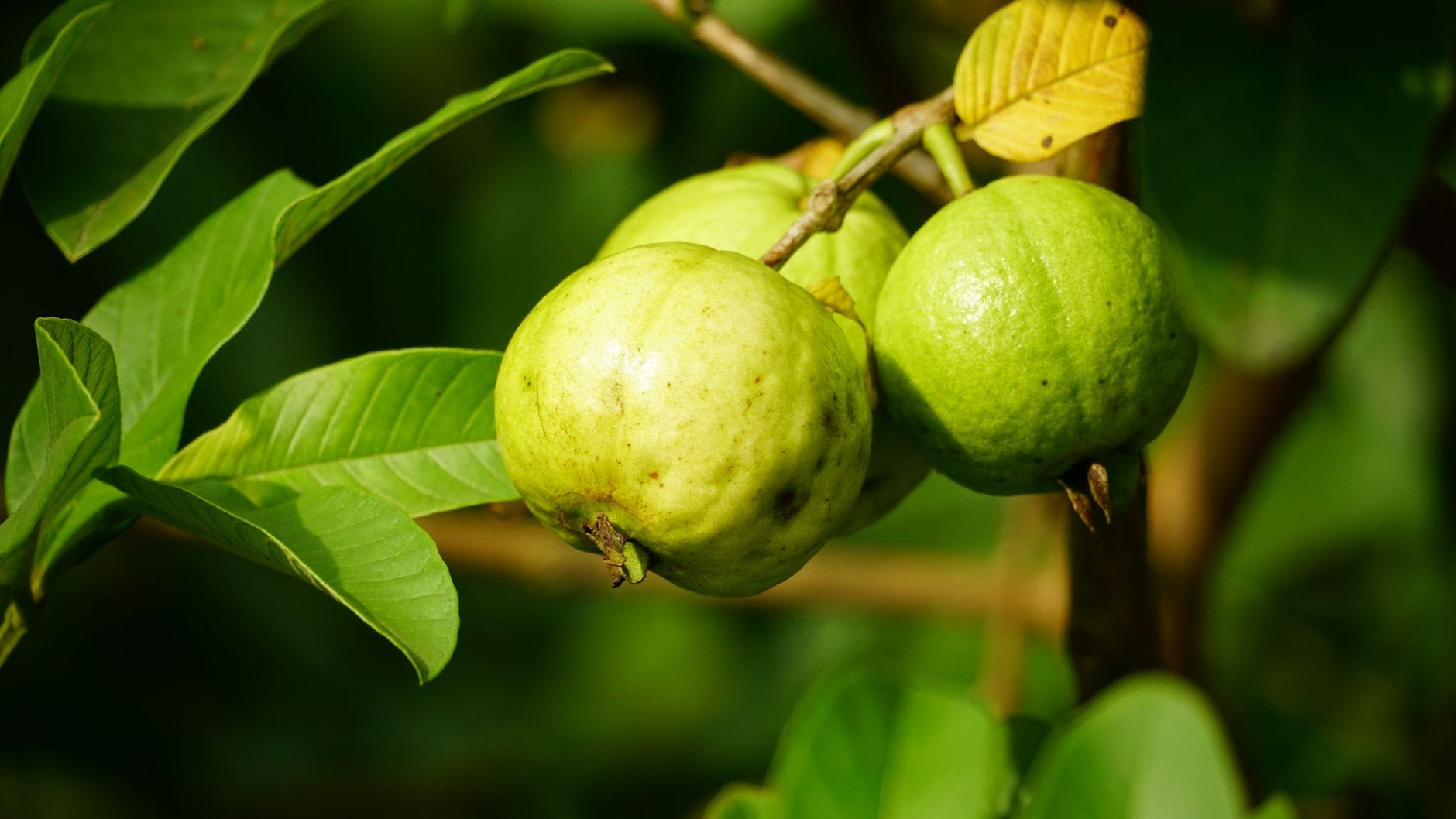
SaveGuava leaves are traditionally applied to skin ulcers and wounds, and extracts show antimicrobial and antioxidant activity in the lab (1, 13). However, we found no clinical trials testing guava leaves for acne, skin aging, hair growth or hair loss. If you are losing hair, see our guide to home remedies for hair fall and talk to a doctor about possible causes.
How to Make Guava Leaf Tea and Safety
Guava leaves are most often prepared as a decoction: clean leaves are simmered in water, then strained (5). There is no established safe or effective dose of homemade guava leaf tea (5).
- Use leaves from trees that have not been sprayed with pesticides, and wash them well.
- Talk to a doctor first if you are pregnant or breastfeeding, have diabetes, or want to give guava leaves to a child.
- Stop using guava leaf products if you develop a rash or stomach upset.
As with other herbal drinks such as aloe vera juice, a traditional use does not guarantee safety at every dose.
Frequently Asked Questions
What are the benefits of guava leaves?
Guava leaves contain flavonoids such as quercetin and other plant compounds with antioxidant and antimicrobial activity in lab studies. The best human evidence is for diarrhea and gum inflammation, with smaller or company-funded studies on blood sugar. Most other claimed benefits come from animal or laboratory research.
Is guava leaf tea good for diabetes?
A guava leaf tea is approved in Japan as a Food for Specified Health Uses, and a review by its manufacturer reported lower after-meal blood sugar in animal studies and several clinical trials. Independent, long-term trials are lacking, so guava leaf tea should not replace diabetes medication.
Do guava leaves stop diarrhea?
Guava leaves are a traditional diarrhea remedy in 44 countries. In a randomized trial, a guava leaf capsule shortened abdominal pain in adults with acute diarrhea, and a Chinese trial reported faster recovery in children with rotavirus. Oral rehydration is still the most important treatment.
Are guava leaves good for hair?
There are no clinical studies on guava leaves for hair growth or hair loss. Claims about guava leaf hair rinses are based on the leaves’ antioxidant compounds, not on evidence in people.
Are guava leaves safe?
Guava is widely eaten, and reviews describe guava leaf preparations as generally well tolerated, but safe doses have not been established, especially for children. Talk to a doctor before using guava leaf extracts if you are pregnant, breastfeeding or taking diabetes medication.
The Bottom Line
Guava leaves contain quercetin and other compounds with antimicrobial and antioxidant activity. Small clinical trials support their traditional use for diarrhea, and a guava leaf mouthrinse helped reduce gingivitis. Blood sugar benefits are reported mainly by the maker of a guava leaf tea, while claims about fertility, fatty liver, skin and hair rest on animal or laboratory research or have no evidence at all. Guava leaf tea may be a reasonable traditional remedy, but it is not a substitute for medical treatment.
This article is for informational purposes only and is not a substitute for professional medical advice, diagnosis, or treatment. Always consult a qualified healthcare provider before using herbal remedies, especially if you are pregnant, nursing, taking medication, or managing a health condition.
Related Articles
Mango Leaves Benefits, Uses, and How to Brew Them
Home Remedies for Diarrhea That Actually Help
Home Remedies to Control Hair Fall: What the Evidence Says
Aloe Vera Juice Benefits and Risks: What the Research Shows