
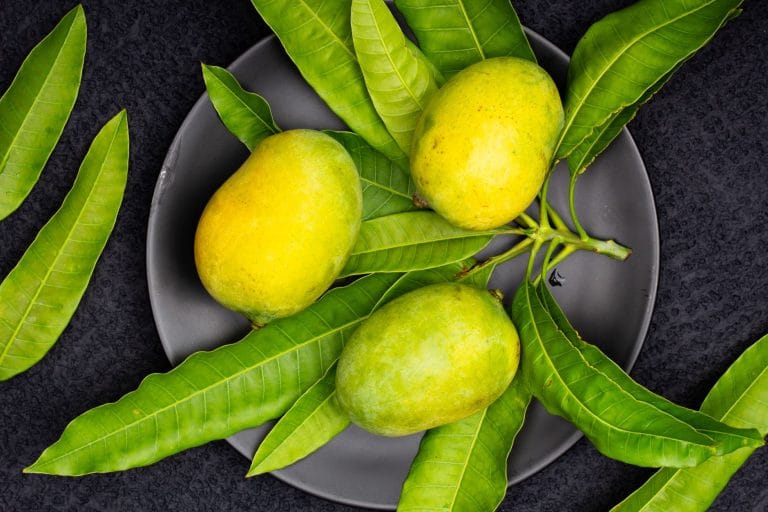
Mango leaf tea benefits, checked against the research: what animal and lab studies show for blood sugar and cholesterol, who paid for the small human trials, how to brew the leaves, and what is still unknown about safety.
Mango leaves come from the mango tree (Mangifera indica), which belongs to the Anacardiaceae family (1). The leaves have been used as a medicinal material in traditional medicine in India, China and other Asian countries (6), and in tropical regions they are used as health teas and as a traditional remedy for fatigue (8).
Most mango leaves benefits described online come from animal or laboratory studies of concentrated extracts. A 2021 review concluded that more detailed clinical trials are still needed to establish the actual efficacy of mango leaf extracts (1).
Key Takeaways
- Mango leaves contain mangiferin, phenolic acids, benzophenones, flavonoids, carotenoids and tocopherols (1).
- Leaf extracts lowered blood sugar in diabetic mice and cholesterol in rats, but these effects have not been tested in people (3, 4).
- The only human trials used a commercial mango leaf extract in small, company-supported studies (8, 9).
- A rat study found no genetic damage from a leaf extract, but long-term human safety data are lacking (10).
- Talk to your doctor before using mango leaves if you take diabetes or blood pressure medicines.
What Is in Mango Leaves?
 Save
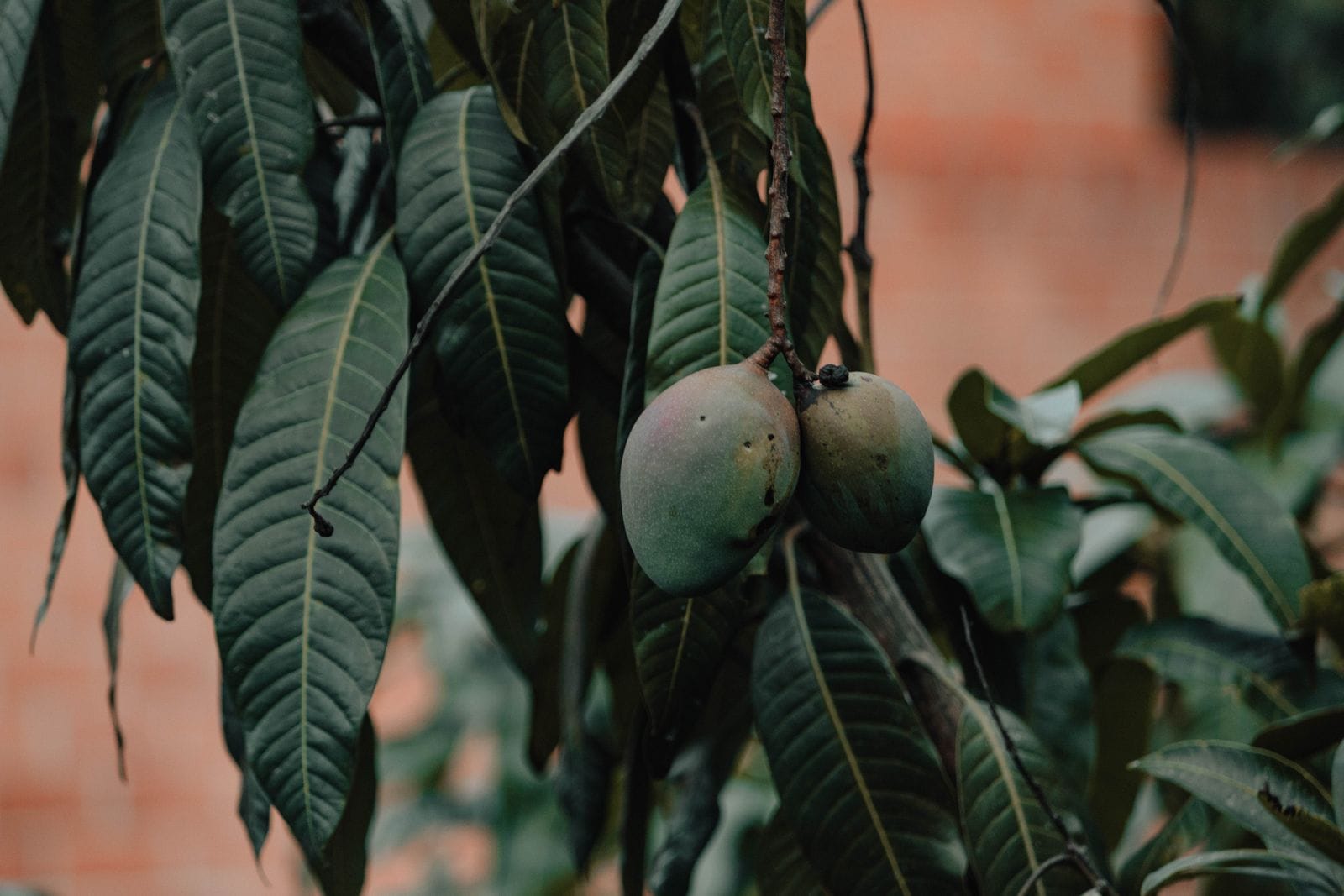
SaveThe health effects attributed to mango leaves are linked to their phytochemicals, especially mangiferin, followed by phenolic acids, benzophenones and antioxidants such as flavonoids, ascorbic acid, carotenoids and tocopherols (1). In one analysis, methanol extracts of different mango leaf varieties contained 3.9 to 4.6% mangiferin (4).
Reviews describe antidiabetic, antioxidant, anti-inflammatory, hypotensive, antimicrobial and lipid-lowering activities for mango extracts, based mostly on laboratory and animal research (1, 2).
Mango Leaves Benefits: What the Evidence Shows
| Claim | What was studied | Evidence |
|---|---|---|
| Blood sugar (3) | Mango leaf extract in diabetic mice for 7 days | Animal study only |
| Cholesterol (4) | Leaf methanol extract in rats on a high-cholesterol diet | Animal study; researchers from an extract maker |
| Anxiety and mood (5, 8) | Mangiferin in mice; single doses of a commercial leaf extract in 16 people | Mostly animal; small company-run human studies |
| Fatigue and reaction time (8) | Two crossover trials, 16 people each, 500 mg extract once | Less fatigue in one trial; very limited |
| Exercise recovery (9) | Leaf extract plus quercetin in 57 runners | Less muscle pain; combined product, company-supported |
| Gout and inflammation (6) | Leaf extract in rats with gouty arthritis | Animal study only |
| Antibacterial (7) | Leaf extracts against Staphylococcus aureus in the lab | Lab study only |
| Blood pressure, weight, skin | No reliable human studies | Not established |
Blood sugar
In mice with alloxan-induced diabetes, a hydro-alcoholic mango leaf extract given for 7 days lowered post-meal blood glucose, prevented a rise in blood sugar during a glucose tolerance test and helped preserve beta-cell mass (3). The authors suggested the effect may be due to mangiferin and other phenolic compounds. No trials have tested mango leaf tea in people with diabetes. A balanced diet and prescribed treatment remain the foundation of blood sugar control.
Cholesterol
In rats fed a high-cholesterol diet, a methanol extract of mango leaves significantly lowered cholesterol at 90 mg/kg of body weight (4). The study was carried out by researchers at a company that develops natural product extracts, and it has not been confirmed in humans.
Anxiety, mood and fatigue
In mice, oral mangiferin pretreatment reduced anxiety-like and depressive-like behavior caused by an inflammatory challenge (5). In two small crossover trials with 16 people each, a single 500 mg dose of a commercial mango leaf extract was well tolerated, changed brain electrical activity and reduced fatigue scores in one trial, but psychometric tests other than reaction time did not change (8). The research was conducted by the company that makes the extract.
Exercise recovery
In 57 runners, a mango leaf extract combined with quercetin, taken before and after a 10 km race, reduced muscle pain and loss of jumping performance compared with placebo (9). Because the product contained quercetin and the manufacturer partly funded the study, the effect of mango leaves alone is unclear.
Inflammation and bacteria
A mango leaf extract reduced ankle swelling and inflammatory markers in rats with gouty arthritis (6), and leaf extracts inhibited Staphylococcus aureus in laboratory tests (7). These findings do not show that drinking mango leaf tea treats gout or infections.
Blood pressure, weight and skin
Reviews list hypotensive activity among the effects studied for mango extracts (2), but there are no reliable human trials of mango leaves for blood pressure, weight loss, skin or hair.
Traditional Uses
Mango leaves have long been used in folk medicine, for example as teas and as remedies for fatigue (8) and digestive complaints (1). Traditional remedies such as putting leaf juice in the ears, applying leaf ash to burns or inhaling smoke from burned leaves have not been tested for safety and are not recommended. For diarrhea, follow evidence-based advice such as our guide to home remedies for diarrhea.
How to Make Mango Leaf Tea
 Save
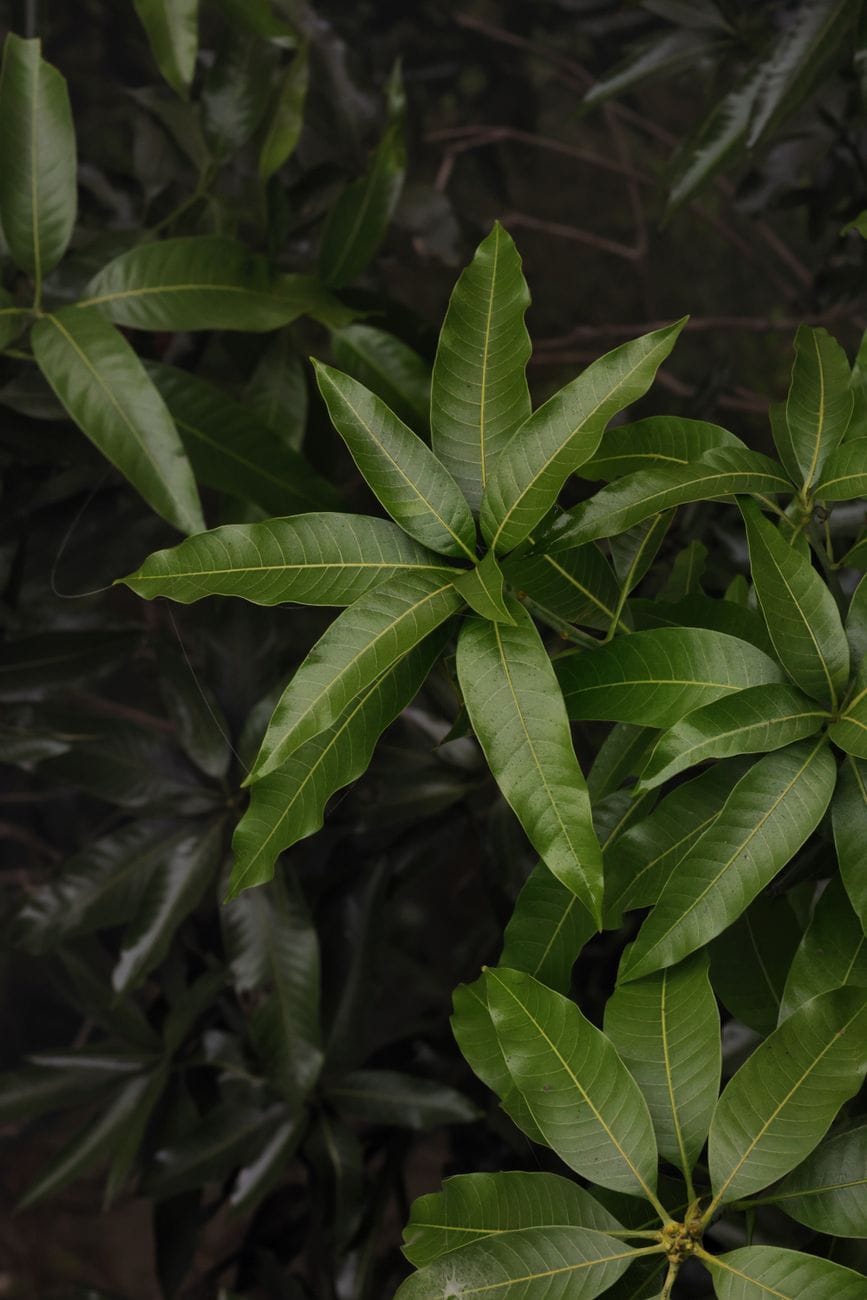
Save- Use leaves from trees that have not been sprayed with pesticides, and wash them thoroughly.
- Simmer a few fresh or dried leaves in water for several minutes, then strain.
- Drink it occasionally as an herbal tea rather than as a treatment.
For other herbal drinks with reviewed evidence, see our articles on fennel tea and aloe vera juice.
Safety and Side Effects
- Limited data: in rats given an aqueous mango leaf extract at up to 1,000 mg/kg for 28 days, there were no significant genotoxic or clastogenic effects (10), and a methanol extract was not toxic in rats at a single 5,000 mg/kg dose (4). Human safety data are limited to small, short trials (8, 9).
- No established dose: there is no recommended daily amount of mango leaf tea.
- Medications: because extracts lowered blood sugar in animals (3), people taking diabetes medicines should check with their doctor before using mango leaves regularly.
- Pregnancy and breastfeeding: safety has not been studied, so avoid concentrated mango leaf products.
Frequently Asked Questions
What are the benefits of mango leaves?
Mango leaves contain mangiferin, phenolic acids, flavonoids and other antioxidants. Extracts have shown anti-diabetic, cholesterol-lowering, anti-inflammatory and antibacterial effects in animal and lab studies. Human research is limited to small studies of a commercial extract, so benefits of mango leaf tea in people are not established.
Do mango leaves lower blood sugar?
This has only been shown in animals. In diabetic mice, a mango leaf extract lowered blood glucose after meals and improved glucose tolerance over 7 days. Mango leaf tea has not been tested in people with diabetes, so do not use it in place of prescribed treatment.
How much mango leaf tea can I drink?
There is no established safe daily amount for mango leaf tea. A rat study found no genetic damage from a leaf extract over 28 days, and small human trials of a concentrated extract reported good tolerability after single doses, but long-term human safety data are lacking.
Are mango leaves safe?
Mango leaves are used in traditional medicine and as a tea in tropical regions. Short-term studies in rats and small single-dose human trials did not report serious problems, but long-term safety is unknown. If you take medicines for diabetes or blood pressure, or are pregnant, talk to your doctor first.
Can mango leaves help with anxiety?
Mangiferin, a compound found in mango leaves, reduced anxiety-like behavior in mice exposed to inflammation. A company-funded study of a mango leaf extract found less fatigue after a single dose in 16 people. There is no good evidence that mango leaf tea treats anxiety in humans.
The Bottom Line
Mango leaves are rich in mangiferin and other antioxidants, and extracts have shown blood sugar, cholesterol, anti-inflammatory and antibacterial effects in animal and lab studies. Human evidence is limited to small, company-supported trials of a concentrated extract for fatigue and exercise recovery. Mango leaf tea can be an occasional herbal drink, but it should not replace diabetes or blood pressure treatment, and traditional remedies involving ears, burns or smoke should be avoided.
This article is for informational purposes only and is not a substitute for professional medical advice, diagnosis, or treatment. Always consult a qualified healthcare provider before using herbal remedies, especially if you are pregnant, nursing, taking medication, or managing a health condition.
Related Articles
Balanced Diet Guide With the 5 Food Groups
Fennel Tea Benefits: Evidence for Gas, and the Estragole Risk
Home Remedies for Diarrhea That Actually Help
Aloe Vera Juice Benefits and Risks: What the Research Shows