

Gentle, kitchen-based ways to stay hydrated and settle your gut while a mild bout runs its course.
Few things derail a day faster than an upset gut. Diarrhea usually starts mild, often after eating contaminated food or drinking unsafe water, but it can escalate quickly if you ignore it. Norovirus alone, one of the most common culprits, has been linked to more than 200,000 deaths in developing countries. That number is a reminder that “just a stomach bug” still deserves real attention.
The good news is that most mild cases respond well to rest, fluids, and a handful of simple home remedies. The main danger isn’t the loose stools themselves; it’s the water and electrolytes you lose along the way. Everything here is aimed at replacing those losses and soothing your system while your body does the actual healing.
Key Takeaways
– Dehydration is the biggest risk with diarrhea, so rehydration comes before anything else.
– A homemade oral rehydration solution (sugar, salt, and boiled water) is a simple way to replace what you lose.
– Kitchen staples like ginger, green tea, and apple cider vinegar may ease symptoms in mild cases.
– Coconut water can help with rehydration early on, but it isn’t suitable for severe illness.
– See a doctor if symptoms last beyond a week or keep getting worse.
Rehydration Comes Before Everything Else
When you have diarrhea, your body sheds fluid and electrolytes faster than usual. Replacing them is the single most useful thing you can do at home.
The classic tool is an oral rehydration solution, or ORS. You can buy sachets, but a homemade version works too: dissolve six teaspoons of sugar in a liter of boiled water, stir in one teaspoon of salt, and drink a cup after every watery bowel movement. Sports drinks with electrolytes can serve a similar purpose in a pinch.
Lemon water is a popular variation on the same idea. Squeeze half a lemon into a glass of water, add a pinch of salt and two teaspoons of sugar, and sip on it every few minutes. It’s essentially a gentler, tastier ORS.
Kitchen Remedies That May Ease Symptoms
Once you’re keeping fluids down, a few everyday ingredients may help settle things further.
A Simple Ginger Tea
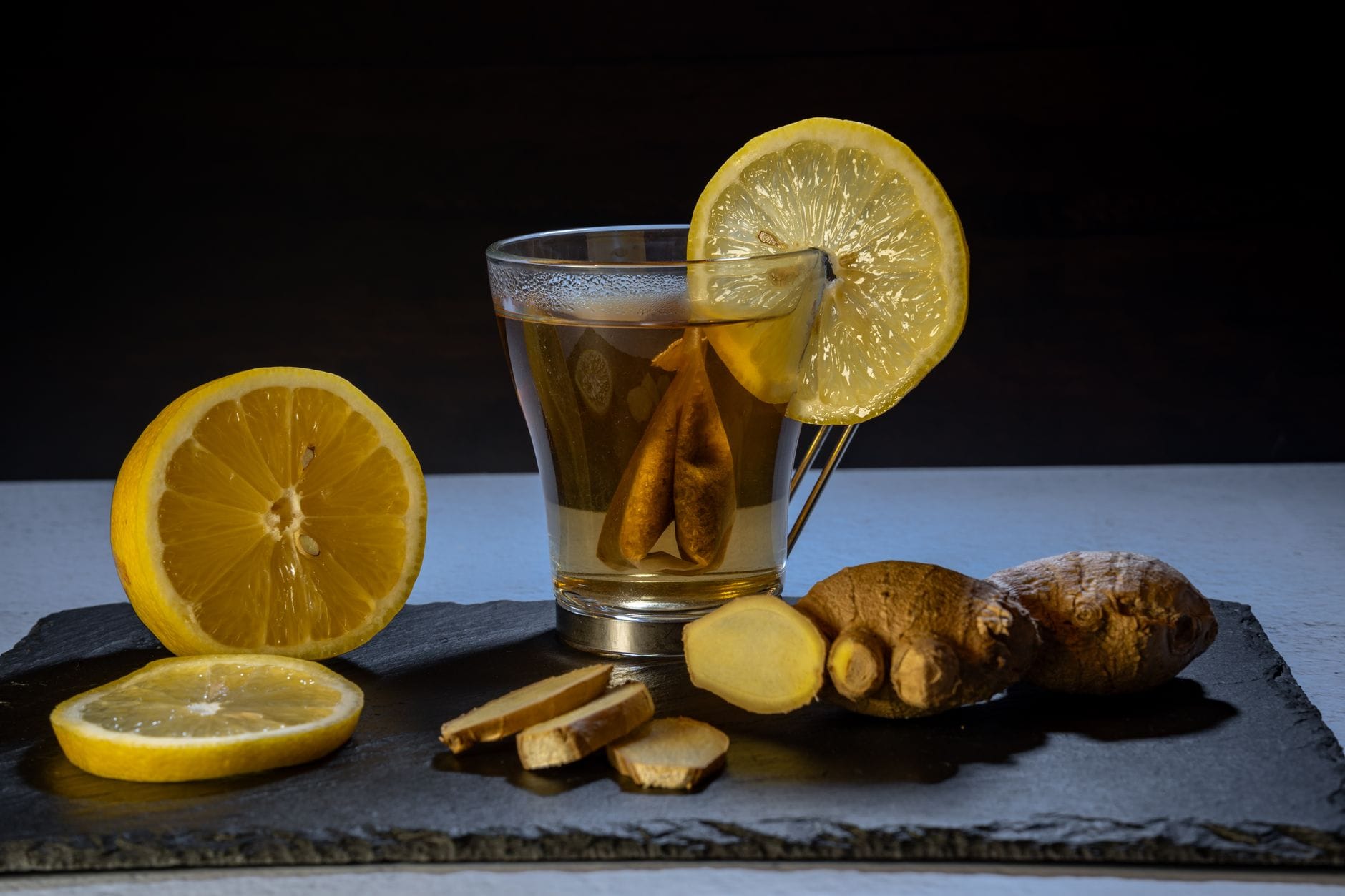
Ginger has some research behind it here. A study in the Journal of the Pharmaceutical Society of Japan found that an acetone extract of ginger helped curb serotonin-induced diarrhea. To make a soothing tea, simmer one to two inches of sliced ginger in a cup of water, strain, and drink it warm. Two to three cups a day is a reasonable rhythm.
Green Tea With Cardamom
Green tea is another gentle option that has been noted for its ability to help with diarrhea. Steep a teaspoon of green tea leaves with a cardamom pod in hot water for five to seven minutes, strain, and drink once or twice daily.
Apple Cider Vinegar
Apple cider vinegar has antimicrobial and anti-inflammatory properties. A 2018 study in Scientific Reports found that ACV inhibited the growth of E. coli, S. aureus, and C. albicans at different dilution levels, damaged the microbes’ cell structures, and lowered levels of proteins tied to the immune response. Since many diarrhea cases are microbial in origin, this is a plausible (if still preliminary) home option. Stir two teaspoons into a glass of water, add honey if you like, and drink it two to three times a day until symptoms ease.
Peppermint Oil for Cramping
The menthol in peppermint oil may relieve the abdominal pain that often tags along with diarrhea and IBS symptoms, something confirmed in studies using encapsulated peppermint oil released in the small intestine. At home, a single drop of food-grade peppermint oil in a glass of warm water, once or twice daily, is enough.
What About Coconut Water?
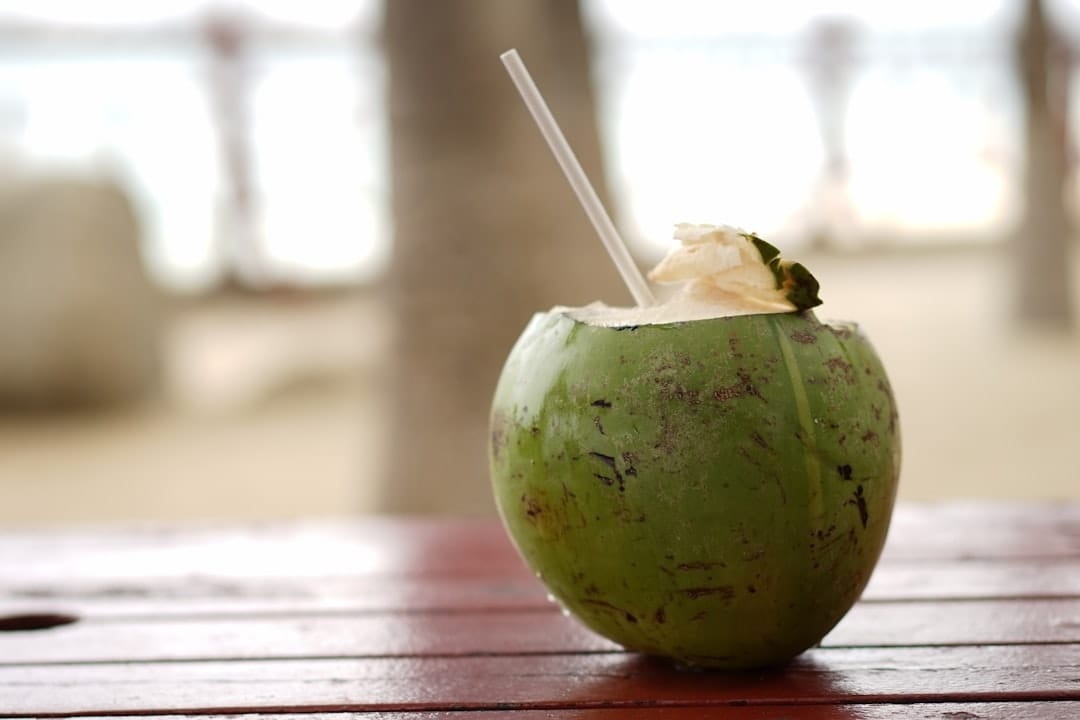
Coconut water gets recommended a lot, and there’s some evidence for it, with caveats. A 1992 study in Tropical and Geographical Medicine looked at young coconut water as a rehydration aid for well-nourished children with mild diarrhea. It worked reasonably well in the early stages when paired with early refeeding, but researchers flagged that it lacked a balanced electrolyte composition.
The caution matters: coconut water should not be relied on to treat dehydration itself, and it should not be used in cases of cholera or in anyone with renal impairment. For a mild case, though, a glass of fresh young coconut water after each bout is a pleasant way to top up fluids.
Two Longer-Term Angles Worth Knowing
If dairy reliably sets off your gut, lactose intolerance may be part of the picture. Adults and infants who can’t digest lactose often develop diarrhea after dairy products, and swapping cow’s milk for almond milk in cereals, smoothies, and other dishes is a safe, simple fix you can make permanent.
Vitamin A is the other piece. Research in the Dialogue Diarrhoea journal found no conclusive evidence that supplements directly prevent or treat diarrhea, but a deficiency does appear to raise the risk of diarrheal disease, likely because vitamin A supports the epithelial cells lining the gut. Eating more carrots, sweet potatoes, apricots, cantaloupe, winter squash, and spinach is a sensible hedge, and the researchers suggested that giving vitamin A to children with diarrhea may still be beneficial, helping prevent deficiency, support recovery, and lower the risk of future infections.
When Home Care Isn’t Enough
Home remedies are for mild, short-lived episodes. Diarrhea often brings dehydration, electrolyte imbalance, cramps, bloating, and abdominal pain along with it, so rest and steady fluids matter throughout. If your symptoms stretch beyond a week, or if they keep worsening rather than settling, stop self-treating and see a doctor for the right diagnosis and medication.
Frequently Asked Questions
How do I make an oral rehydration solution at home?
Dissolve six teaspoons of sugar in one liter of boiled water, then mix in a teaspoon of salt. Drink a cup after every watery bowel movement to replace lost fluids and electrolytes.
Is coconut water safe for everyone with diarrhea?
No. It can support rehydration in mild, early-stage cases alongside early refeeding, but it should not be used to treat dehydration itself, nor in cases of cholera or renal impairment.
When should I see a doctor about diarrhea?
If symptoms last longer than a week, or if they worsen rather than settle, consult a doctor rather than continuing with home remedies.
The Bottom Line
Mild diarrhea usually resolves on its own, and your job at home is mostly to support the process. Prioritize fluids with an ORS or lemon water, lean on gentle helpers like ginger tea, green tea, apple cider vinegar, and coconut water, and rest. If dairy is a trigger, switch to almond milk, and keep vitamin A-rich foods on your plate. Anything that lasts more than a week belongs in a doctor’s office, not your kitchen.
This article is for informational purposes only and is not a substitute for professional medical advice, diagnosis, or treatment. Always consult a qualified healthcare provider about any health concerns, especially before trying new remedies or if symptoms persist or worsen.