

Hydrogen peroxide is the same active ingredient used in most whitening products. Here is what it can realistically do at home, how to use it more safely, and when a dentist is the better choice.
Using hydrogen peroxide for teeth whitening is popular because it is cheap and already in many medicine cabinets. Peroxide is genuinely the active ingredient behind most whitening treatments: it releases reactive oxygen that breaks down coloured compounds inside enamel and dentin (1).
But the brown bottle of 3% peroxide is an antiseptic, not a whitening product, and home results are modest. This guide explains what the research shows, which home methods are reasonable, which popular tricks to skip, and who should not whiten at home at all.
Key Takeaways
- Peroxide whitens teeth by oxidizing stain compounds, but it cannot remove deep internal stains or lighten crowns and fillings (1).
- Evidence for home whitening is low certainty, and results are slower and smaller than supervised treatment (3, 4).
- The most common side effects are tooth sensitivity and gum irritation; overuse can damage enamel (1, 5, 7).
- In the EU, whitening products with more than 0.1% hydrogen peroxide are not sold directly to consumers (2).
- Skip lemon juice and activated charcoal, which can erode or abrade enamel (10, 11).
- Never swallow hydrogen peroxide, and keep it away from children (12).
How Hydrogen Peroxide Whitens Teeth
Peroxide passes into the tooth and releases reactive oxygen molecules that break down the coloured compounds responsible for staining (1). That makes it most useful for yellowing from coffee, tea, red wine, tobacco, and ageing.
It has limits. According to the American Dental Association, surface (extrinsic) stains can often be reduced by brushing with a whitening toothpaste or a professional cleaning, while intrinsic stains deep in the dentin are very hard to remove with external whitening. Only natural teeth whiten; crowns, veneers, and tooth-coloured fillings do not (1).
Why strength matters. Dentist-supervised whitening uses much higher peroxide concentrations for controlled times, usually after a clinical exam (1). European rules allow consumer tooth products to contain at most 0.1% hydrogen peroxide. Products between 0.1% and 6% may only be supplied to dental professionals, with the first use done by or under the supervision of a dentist, because a clinical examination is needed to rule out problems first (2). Pharmacy 3% peroxide is well above the consumer limit, so treat it with respect.
Does It Work? What the Research Shows
A Cochrane review of 71 trials found that home whitening products, including hydrogen peroxide gels, strips, and mouthwash, whitened teeth more than placebo over short periods, but the certainty of the evidence was low to very low. Sensitivity and oral irritation were the most common side effects, more frequent at higher concentrations, and usually mild and temporary (3).
Rinses are among the slowest options. In a randomized trial, people who used a 2.5% hydrogen peroxide mouthrinse for 30 seconds twice a day saw a visible colour change only after about 60 days, and less whitening than with a 10% carbamide peroxide gel. There was very little sensitivity and no gum irritation (4). A review of over-the-counter products found that whitening strips have the most clinical support, while the evidence for whitening toothpastes and rinses comes mainly from laboratory studies (5).
When products are used as their instructions direct, peroxide whitening is considered safe and effective, but it carries risks such as sensitivity, gum irritation, rougher or softer enamel surfaces, and colour changes in fillings (6, 7).
How to Use Hydrogen Peroxide More Safely at Home
If you decide to try it, start with a quick check-up: a dentist can tell you whether your discolouration is the kind that whitening can help (1). Then keep it simple, and use only one method at a time.
1. Diluted rinse
Mix equal parts 3% hydrogen peroxide and water. Swish for about 30 seconds to 1 minute, spit it out completely, and rinse with plain water. Do not swallow any. This mirrors the short contact time used in mouthrinse studies (4), though a homemade mixture is not the same as a tested commercial rinse. Peroxide-releasing rinses have also been shown to reduce plaque and gum inflammation in short trials (14).
2. Cotton swab
If swishing makes you gag, dip a cotton swab in the diluted solution and dab it on the front surfaces of your teeth, avoiding the gums. Rinse well after a minute.
3. Baking soda paste
 Save
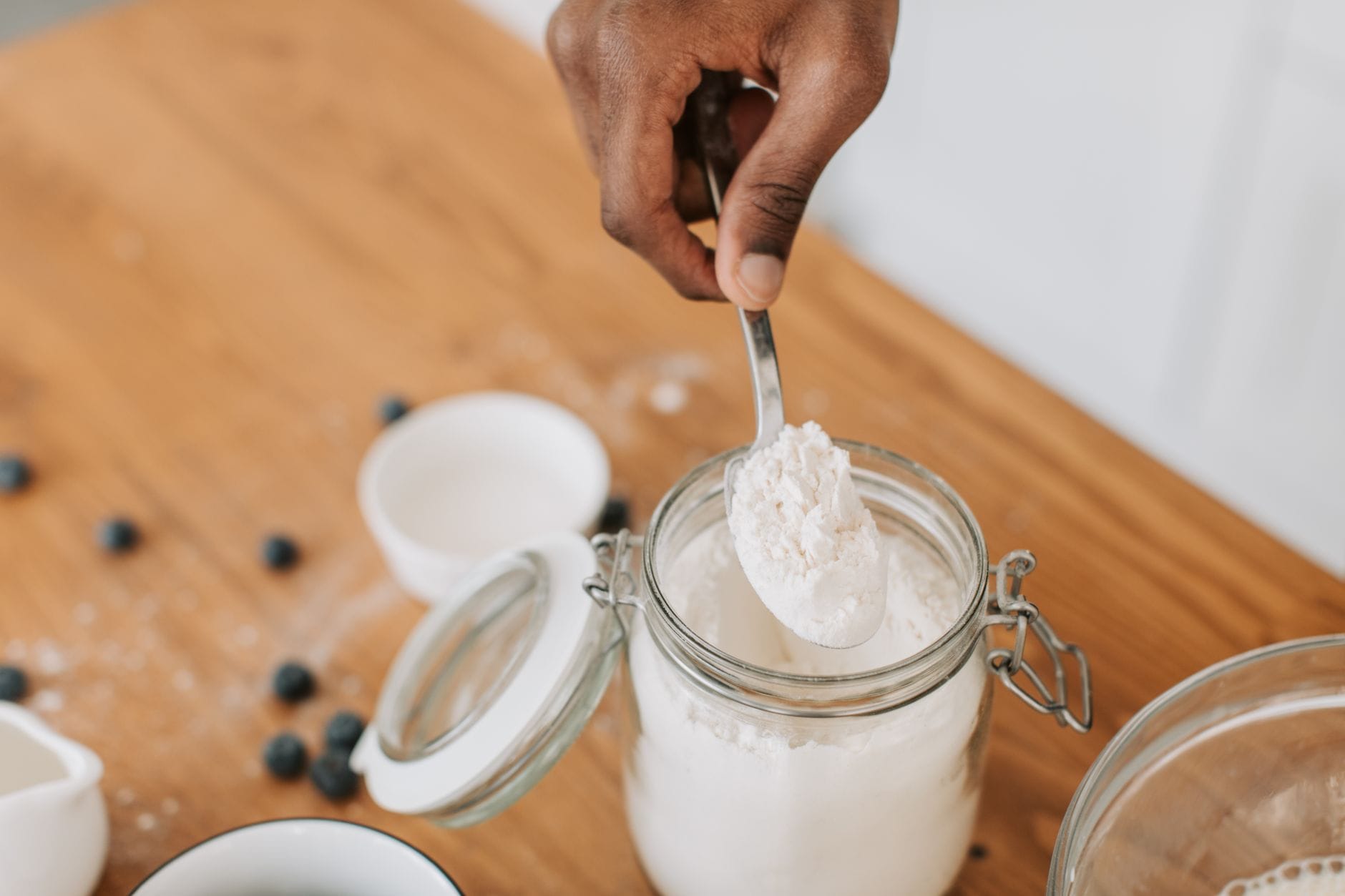
SaveBaking soda is a mild abrasive that helps lift surface stains. A commercial toothpaste combining baking soda and peroxide reduced surface stains in a six-week trial funded by its manufacturer (9). A homemade version is less predictable. If you try it, mix a small amount of baking soda with a few drops of 3% peroxide to make a paste, brush gently, and rinse thoroughly. Limit it to once or twice a week.
For all methods: stop if your teeth become sensitive or your gums sting, take breaks between rounds, and do not combine homemade peroxide with whitening strips or other whitening products at the same time. Overuse can damage enamel and gums and make teeth more sensitive (1).
What to Avoid
Lemon juice and other acids
 Save
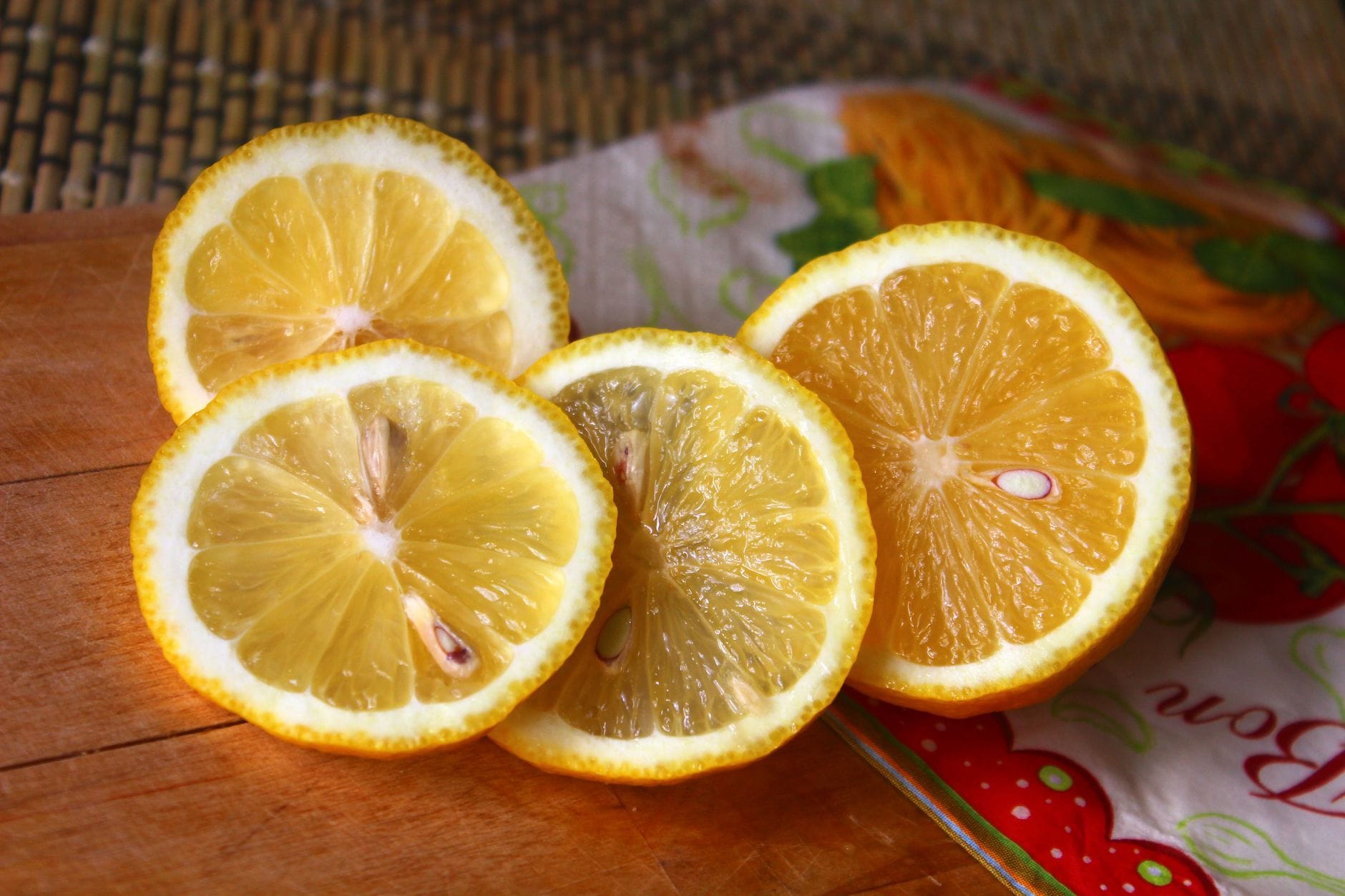
SaveSome DIY recipes add lemon juice to peroxide or baking soda. Skip it. Acids do not bleach enamel; they dissolve it. In a laboratory study of teeth soaked in citrus juices, lemon juice caused the most erosion of all the liquids tested (10). Thinner enamel can make teeth look more yellow, because the darker dentin underneath shows through. Our guide to the side effects of lemon covers acidic foods in more detail, and so does our look at the side effects of lemon tea.
Activated charcoal
A systematic review found that activated charcoal toothpastes whiten less than other options and are more abrasive to enamel (11). The ADA says there is insufficient evidence that charcoal products whiten natural teeth (1).
Salt scrubs and stronger peroxide
Gritty salt scrubs add abrasion without proven benefit. Never use peroxide stronger than 3% at home: concentrated hydrogen peroxide is caustic and can seriously damage soft tissues (8, 12).
Side Effects and Risks
- Tooth sensitivity. Temporary, mild to moderate sensitivity can affect up to two-thirds of people in the early stages of bleaching, and usually settles within days (1).
- Gum irritation. Peroxide touching the gums can irritate them, usually temporarily (1, 7).
- Enamel changes. Overuse can roughen or soften the tooth surface and damage enamel (1, 6).
- Swallowing it. Ingesting hydrogen peroxide can cause vomiting, throat and stomach irritation, and, with concentrated solutions, life-threatening injury (12, 13). Keep it away from children.
Who Should Skip Home Whitening
Talk to a dentist instead of whitening at home if you have:
- Sensitive teeth, gum disease, or receding gums.
- Cavities, cracked teeth, or worn enamel.
- Crowns, veneers, or fillings on your front teeth, which will not change colour (1).
- Dark or grey discolouration, especially in a single tooth, which may need a dental exam.
Home whitening is also not for children or teenagers, and it is sensible to postpone cosmetic whitening during pregnancy and breastfeeding.
Frequently Asked Questions
Does hydrogen peroxide really whiten teeth?
Yes, peroxide is the active ingredient in most tooth whitening products, and it lightens stains by oxidizing coloured compounds in the tooth. Home results are modest and slow: in a clinical trial, a 2.5% peroxide mouthrinse used twice a day produced a visible change only after about 60 days, and less than a dentist-supervised whitening gel.
Is it safe to use 3% hydrogen peroxide on your teeth?
Occasional, short use of diluted 3% peroxide is generally well tolerated, but it can cause tooth sensitivity and gum irritation, and overuse can damage enamel and gums. Never swallow it. In the European Union, products that contain or release more than 0.1% hydrogen peroxide are not sold directly to consumers for whitening, because a dental examination is recommended first.
How long does it take to see results?
Expect gradual change over weeks to months, not days. Surface stains from coffee, tea, or tobacco respond best. Deep internal discolouration and stains from injury or some medicines usually do not improve with home whitening.
Can I use hydrogen peroxide on my teeth every day?
Not as a DIY solution. Commercial peroxide mouthrinses are formulated and tested for regular use, but repeated daily contact with a homemade peroxide mixture increases the risk of sensitivity, gum irritation, and enamel changes. Keep home use short and occasional, and stop if your teeth or gums hurt.
Does hydrogen peroxide whiten crowns or fillings?
No. Only natural teeth can be whitened, not crowns, veneers, or tooth-coloured fillings. Whitening the teeth around them can leave a visible colour mismatch.
Is activated charcoal better than peroxide for whitening?
No. A systematic review found charcoal toothpastes whiten less than other options and are more abrasive to enamel, and the American Dental Association says there is insufficient evidence that charcoal products whiten teeth.
The Bottom Line
Hydrogen peroxide is the real active ingredient behind teeth whitening, but using household 3% peroxide at home gives slow, modest results on surface stains, and the evidence for home whitening is low certainty. If you try it, dilute it, keep contact short, use one method at a time, never swallow it, and stop if your teeth or gums hurt. Skip lemon juice and charcoal. For deeper stains, faster results, or teeth with fillings and crowns, ask your dentist about safer, tested options.
This article is for informational purposes only and is not a substitute for professional dental or medical advice, diagnosis, or treatment. Always consult your dentist before whitening your teeth, especially if you have sensitive teeth, gum disease, or dental work.
Related Articles
Unexpected Side Effects of Lemon Tea