

A refreshing cup is fine. A refreshing habit, several times a day, is where the trouble starts.
Lemon tea has earned its reputation as a feel-good drink, and the benefits are real enough if modest: polyphenols from the tea leaves, a little vitamin C from the lemon, and for most people a daily cup that is simply a pleasant, low-calorie habit.
So what are the real disadvantages of drinking lemon tea? Fewer than most lists suggest. A lot of the side effects repeated online — dehydration, calcium loss, ulcers — do not hold up when you check the research. The ones that do are almost entirely about how often you drink it: acid on your teeth, heartburn if you are already prone to it, and caffeine that adds up. This guide separates the real side effects of lemon tea from the myths.
Key Takeaways
- The best-documented side effect is tooth enamel erosion. Lemon juice was one of the most erosive drinks tested in the lab, and frequent sipping is what does the damage (1).
- Acidic drinks can aggravate heartburn in people who already have reflux, especially on an empty stomach.
- Tea contains caffeine, which matters for sleep, pregnancy, and breastfeeding. Moderate intake while breastfeeding is considered fine (5).
- Lemon tea does not dehydrate you. In a controlled trial it rehydrated about as well as plain water (3).
- Citrate from lemon increases how much aluminium the body absorbs from tea. Whether that matters for healthy people is genuinely unresolved (6, 7).
- One or two cups a day, with a meal and a rinse of water afterwards, avoids nearly all of it.
1. Your Teeth Feel It First
 Save
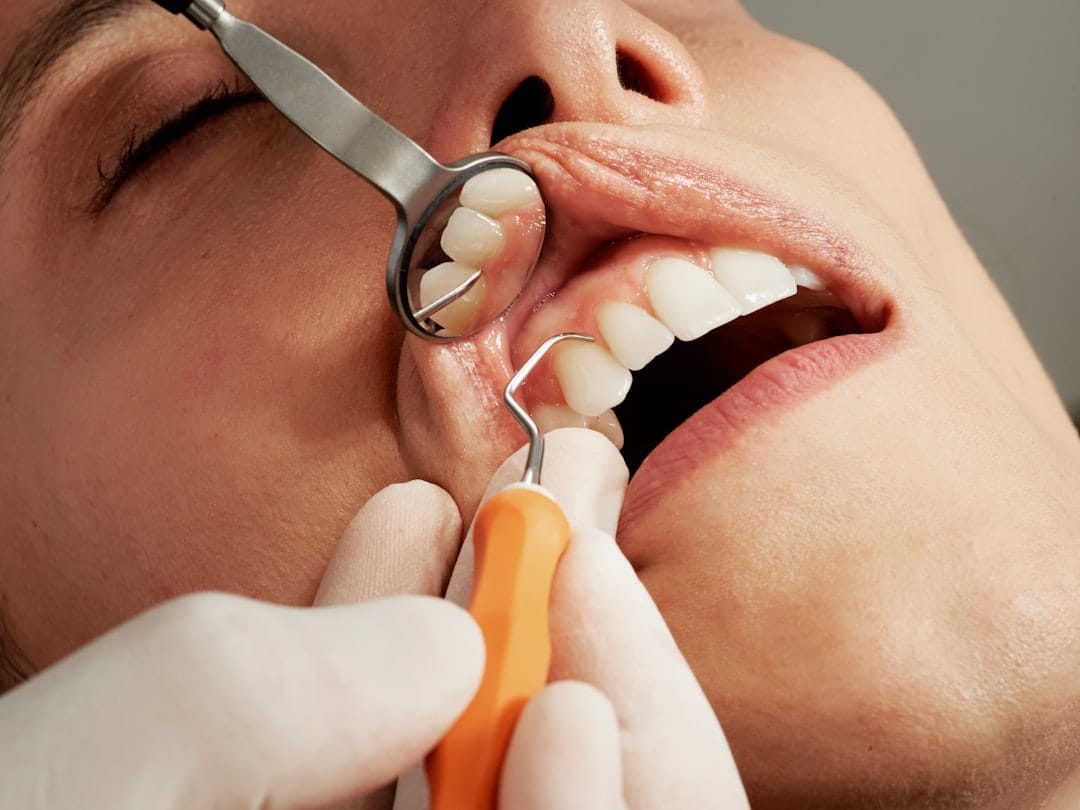
SaveEnamel dissolves in acid, and lemon is among the most acidic things people drink regularly. In a laboratory comparison of common drinks, lemon juice caused more enamel loss than every other drink tested except Sprite and apple juice, and far more than cola (1). That study soaked teeth continuously for a week, and a cup of tea is much more diluted than neat lemon juice, so it overstates what happens in your mouth. The direction of the finding is still the part that matters: the more often acid touches your teeth, the more enamel you lose.
Enamel does not grow back. The early sign is a sharp twinge with something hot, cold, or sweet. If your teeth are already sensitive, this is the side effect worth taking seriously, and the same logic applies to anything else acidic you put on them — including the hydrogen peroxide people use to whiten their teeth.
What helps: drink it in one sitting rather than sipping for an hour, have it with food, rinse with plain water afterwards, and wait about half an hour before brushing so you are not scrubbing softened enamel.
2. Heartburn, If You Are Already Prone to It
Acidic drinks are one of the most common things people with reflux learn to avoid, and lemon tea is both acidic and, if made with black or green tea, caffeinated. For someone with a healthy digestive system, a cup of lemon tea is not going to cause reflux. For someone who already gets heartburn, it can make an episode more likely, particularly first thing in the morning or shortly before lying down.
Does Lemon Tea Cause Acidity?
Not in the way the question is usually meant. Lemon tea does not make your stomach more acidic, and claims that it changes stomach acidity or causes ulcers are not supported — your stomach is already far more acidic than any lemon. What it can do is set off the symptoms of acid reflux in someone who is already prone to them, which is a different thing, and the reason the two keep getting confused. If you have persistent heartburn, stomach pain, or trouble swallowing, that is worth a visit to your doctor rather than a change of drink.
3. It Can Sting Mouth Sores
If you get canker sores, you already know that lemon on an open sore hurts. The evidence that citrus actually causes them is much weaker than the claim usually made. A study comparing people with recurring mouth ulcers to people without them found that the ulcer group did eat oranges and lemons more often, but concluded that diet plays only a minor role in why the sores develop (2). The practical advice is simple: while you have a sore, skip the lemon.
4. Caffeine: Sleep, Pregnancy, and Breastfeeding
This side effect has nothing to do with the lemon. Black tea with lemon is the most common version of the drink, and black tea and green tea both contain caffeine — less than coffee, but several cups add up, and a late-afternoon cup can be enough to disturb sleep in people who are sensitive to it.
During pregnancy, most guidance is to keep total caffeine moderate, and your midwife or doctor will give you a daily limit. The research on tea specifically is less alarming than it is often made to sound. A cohort of 936 pregnancies found no link between tea or coffee and birth weight or length, although it did find a small association between higher tea intake and pregnancy-induced high blood pressure that the authors said needs more research (4). Counting your tea toward your caffeine total is the sensible approach. For many people the biggest single entry in that total is not tea at all — a large energy drink can be most of a day’s caffeine on its own.
While breastfeeding, the CDC considers up to about 300 mg of caffeine a day — roughly two to three cups of coffee — a low to moderate amount that does not usually affect the baby. Irritability, fussiness, and poor sleep have been reported in babies whose mothers had very high intakes (5).
5. The Aluminium Question
This is the most interesting side effect, and the one most often exaggerated. Tea plants naturally take up aluminium from the soil, so tea is one of the dietary sources of it. Normally the body absorbs only a tiny fraction of the aluminium we eat. Citrate — which lemon juice contains — is one of the things known to increase that absorption (6). So yes, lemon in your tea does mean you absorb more of the tea’s aluminium than you would without it.
Cookware is the other source people ask about — what leaches from aluminium foil depends far more on how you use it than on whether you use it.
What does that mean for your health? Much less than many articles claim. The serious effects of aluminium overload — bone softening, anaemia, and brain effects — are documented mainly in people with kidney failure on dialysis, whose bodies cannot clear it (6). On Alzheimer’s disease, raised aluminium has been found in the brains of people with the condition, but a major medical review concluded it is still unclear whether that is a cause or a consequence of the disease (7), and researchers continue to disagree about its role (8).
The reasonable reading: if your kidneys work normally, a cup or two of lemon tea is not a known dementia risk. If you have kidney disease, ask your doctor about your aluminium intake in general, including from tea.
6. Iron, If Your Levels Are Already Low
This is the one that makes the question “are the side effects different for women?” a fair question rather than a marketing line. Tea is a potent inhibitor of non-heme iron — the form found in plants, eggs and fortified foods — and that matters most to people whose iron is already marginal.
How much it actually blocks. Twelve women were given the same iron-labelled porridge on three occasions two weeks apart, and the iron was tracked with a stable isotope rather than estimated. With water, they absorbed 5.7% of the iron. With tea alongside the meal, 3.6%. The tea cut absorption by 37.2% 9.
And how easily it is avoided. In the third round the same women drank the same tea one hour after the meal instead of with it. Absorption went back to 5.7%, and the inhibition fell from 37.2% to 18.1% — roughly halved, from nothing but timing 9.
Now the part that keeps this in proportion. A review of 16 studies looked at whether tea drinkers actually end up with worse iron status, and the answer depends entirely on who you are. In groups where iron deficiency is common — infants, children and premenopausal women — tea consumption was inversely associated with ferritin and haemoglobin, but the association disappeared once other dietary factors were accounted for, with one exception: a study in which 40% of the women were already iron deficient 10. In men and in older adults there was no association at all 10.
The review’s conclusion is worth quoting plainly: tea does not influence iron status in populations where most people have adequate stores. Only in those with marginal iron does the link appear 10.
The rare end of it. A 2024 case report describes a woman whose haemoglobin fell by 6.9 g/dl after three months of what the authors call moderate green tea drinking. It did not come back once she changed when she drank it 11. One case is one case — the authors published it precisely because it is unusual — but it is the reason the advice below is about timing rather than abstinence.
What to do with this. If you are not iron deficient, this is not your problem. If you are, or you menstruate heavily, or you are being treated with iron tablets, keep the tea away from the meal and the tablet by an hour. One honest limitation: the isotope trial used plain tea with porridge, not lemon tea. Vitamin C helps non-heme iron absorption, so lemon plausibly offsets some of this — but nobody has measured by how much, so no number is given here.
Side Effects That Are Mostly Myths
Several side effects appear on almost every list about lemon tea. These are the ones the evidence does not support.
- “It dehydrates you.” It does not. When trained runners rehydrated after exercise, lemon tea replaced fluid about as well as plain water and produced about the same amount of urine. Both were beaten by a sports drink containing electrolytes (3).
- “It leaches calcium and causes osteoporosis.” There is no good human evidence for this.
- “It causes stomach ulcers.” Not supported. It can aggravate existing discomfort, which is different.
- “It thins your blood.” There is no evidence that lemon tea has a blood-thinning effect.
Plain lemon water has a slightly different set of pros and cons, which we cover in the side effects of drinking too much lemon water.
How to Enjoy Lemon Tea Without the Downsides
 Save
SaveNone of this means giving it up. Boil a cup of water, steep a teaspoon of tea leaves for two to three minutes, then add fresh lemon juice. Honey is fine in small amounts, but remember it counts as sugar — for your teeth as well as your waistline.
The habits matter more than the recipe:
- Keep it to one or two cups a day, and count it toward your caffeine total.
- Drink it with or after food, not on an empty stomach, if you are prone to heartburn. If the trouble is not heartburn but feeling sick after meals itself, that usually points somewhere else.
- Finish it in one sitting rather than sipping for hours, and rinse your mouth with water afterwards.
- Wait about 30 minutes before brushing.
- Switch to a caffeine-free herbal tea with lemon in the evening, or during pregnancy if you are near your caffeine limit.
Moderation is the rule for most feel-good drinks, from lemon tea to a daily glass of aloe vera juice, and for foods people assume they can eat without limit — even avocados have downsides in large amounts.
Ginger tea is the other herbal drink people reach for when their stomach is unsettled, and the evidence there has its own split — it helps nausea but not vomiting.
Frequently Asked Questions
What are the side effects of lemon tea for females?
The same as for anyone — enamel erosion, heartburn, caffeine — with one addition that genuinely is sex-related: iron. Tea inhibits absorption of non-heme iron, and in a stable-isotope trial in twelve women, drinking tea with a meal cut iron absorption from 5.7% to 3.6%. That matters for women who menstruate, because they are the group most likely to have marginal iron stores. A review of 16 studies found the link to ferritin and haemoglobin only in groups where iron deficiency is already common, and it largely disappeared after adjusting for other dietary factors. The practical fix is timing, not avoidance: the same trial found that drinking the tea one hour after the meal instead of with it halved the inhibition.
What are the side effects of lemon tea for males?
There are no male-specific side effects of lemon tea. The ones that apply are the ones that apply to everyone: acid on tooth enamel, heartburn if you are prone to reflux, stinging on mouth ulcers, and caffeine affecting sleep. The iron question that matters for women does not carry over: a review of 16 studies found no association between tea drinking and ferritin or haemoglobin in men, who rarely have marginal iron stores. One study even suggested tea may lower ferritin in middle-aged men, which would be neutral or mildly helpful rather than harmful, though that finding has not been confirmed.
How much lemon tea is too much?
For most healthy adults, one or two cups a day is comfortably fine. The problems that are actually documented come from frequency rather than any single cup: sipping an acidic drink on and off all day keeps your teeth bathed in acid, and several strong cups add up to a meaningful amount of caffeine. If you drink it often, drink it with a meal, rinse with water afterwards, and keep an eye on your total caffeine for the day.
Can lemon tea dehydrate you?
No. That is one of the most repeated myths about it. In a controlled study of runners rehydrating after exercise, lemon tea replaced fluid about as well as plain water, and produced about the same amount of urine. Neither did as well as a sports drink with electrolytes, which is the fair takeaway: lemon tea is a normal drink, not a rehydration tool.
Is it bad to drink lemon tea on an empty stomach?
It is not dangerous, but it is the situation most likely to cause discomfort if you are prone to heartburn or a sensitive stomach, because there is no food to buffer the acid. If a morning cup gives you a burning feeling, having it after breakfast is usually enough to fix it.
Is lemon tea good before bed?
Usually not the best choice. Black and green tea both contain caffeine, which can make it harder to fall asleep, and an acidic drink right before lying down is a common trigger for reflux. A caffeine-free herbal tea with a slice of lemon avoids the first problem, though not the second.
Can lemon tea help with weight loss?
Only in the ordinary way. An unsweetened cup has almost no calories, so swapping it for a sugary drink genuinely helps. There is no good human evidence that the lemon or the tea burns fat on its own, and adding honey or sugar quickly undoes the benefit. For the drinks that do have some evidence behind them, see homemade weight loss drinks and what the research shows.
Does lemon tea thin your blood?
There is no evidence that it does. If you take a blood thinner and drink a lot of green tea specifically, mention it to your doctor or pharmacist, since some medicines have food interactions worth checking, but lemon tea itself is not a blood thinner.
The Bottom Line
Lemon tea is a healthy drink with a short list of real side effects. The best-documented one is enamel erosion from frequent sipping. Heartburn is a genuine issue for people who already have reflux, and the caffeine in the tea matters for sleep, pregnancy, and breastfeeding. Lemon does increase how much aluminium you absorb from tea, but for people with healthy kidneys there is no clear evidence of harm at normal amounts. Dehydration, calcium loss, and ulcers belong in the myth pile. Keep it to a cup or two a day, drink it with food, and rinse afterwards — and if you notice tooth sensitivity or persistent heartburn, cut back and talk to your dentist or doctor.
This article is for informational purposes only and is not a substitute for professional medical advice, diagnosis, or treatment. Always consult a qualified healthcare provider about any health concerns or before changing your diet.
Related Articles
Side Effects of Too Much Lemon Water
How to Whiten Your Teeth With Hydrogen Peroxide (Without Wrecking Your Enamel)
7 Homemade Weight Loss Drinks That Can Make It Easier
What Actually Happens When You Drink Aloe Vera Juice Every Day
The Surprising Side Effects of Avocados Nobody Warns You About
Side Effects of Drinking Hot Water: The Real Risks