
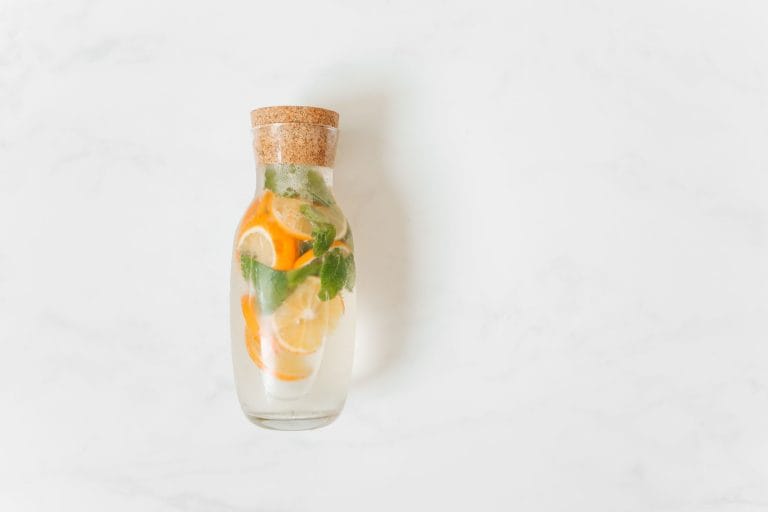
Does drinking water help you lose weight? Slightly, and better than any recipe here — plus seven homemade drinks worth making anyway.
Nobody loses weight from a drink alone, and any recipe promising otherwise deserves your skepticism. Weight loss drinks do not melt fat, speed up your metabolism in any meaningful way, or work around what you eat the rest of the day. What drinks that help you lose weight actually do is make the rest of your plan easier. The right ingredients keep you fuller between meals, steady your blood sugar, and support digestion, all for very few calories. That matters more than it sounds, because most diets fail at the hunger stage, not the knowledge stage.
If you came here asking whether drinking water helps you lose weight, the short answer is yes — a little, with more human evidence behind it than anything else on this page, which is why that section comes first. The seven drinks that help you lose weight below lean on plant-based milks, whole fruit, herbs, and spices instead of sugary mixers. Several include protein powder, which helps preserve muscle while you eat in a sensible calorie deficit. None of them require anything more exotic than a blender and five minutes. One thing worth saying up front: the ones built on protein powder are closer to high-protein mini-meals than to drinks, and they are meant to replace a meal rather than sit alongside one. The teas and infusions are drinks in the ordinary sense. Each recipe below says which it is.
Key Takeaways
- No drink burns fat. These work by replacing higher-calorie options and keeping you full, which is what makes a calorie deficit sustainable.
- Whole-fruit fiber, not juice, is the part linked to steadier blood sugar and better satiety (6).
- Green tea has the most human evidence of anything here, and even that is a small effect — a meta-analysis found modest weight loss, not a transformation (12).
- Several popular ingredients, cinnamon and fenugreek among them, have been tested mainly in animals. Promising, not proven.
- Adding protein helps you hold on to muscle and stay full while you lose weight.
- Plain water has the most evidence here, and it is still a small effect: 500 ml raises metabolic rate by 30%, which totals only about 24 calories (1).
Ordered by how much human evidence sits behind each one, strongest first. The pattern is the point: the two at the top have been tested in people for weight, and the two at the bottom have been tested in rats.
| Drink | The evidence actually behind it | Tested in |
|---|---|---|
| Plain water | About half a litre raises energy expenditure measurably for the following hour (1) | People |
| Green tea with mint | A meta-analysis of human trials found catechins produced a small amount of weight loss and helped slightly with maintenance (12) | People |
| Coffee built with protein and flaxseed | Higher caffeine intake is associated with keeping weight off long term (9) — observational, not proof of cause | People, observational |
| Grapefruit and pomegranate shake | Whole fruit rather than juice is the version tied to satiety and steadier blood sugar (6); pomegranate polyphenols reviewed mostly in small studies (2) | People, indirect |
| Ginger, lime and cumin | Ginger is documented for nausea and pain in clinical trials (7), not for weight; cumin reviewed mostly in preclinical work (8) | People, different outcome |
| Pineapple with Ceylon cinnamon | Bromelain studied for digestive and anti-inflammatory effects (4); the cinnamon blood-glucose findings come from a rat model (5) | Rats, for the cinnamon |
| Fenugreek and cucumber cooler | Fenugreek extract reduced fat accumulation and improved blood lipids in rats on a high-fat diet (14) | Rats |
Does Drinking Water Help You Lose Weight?
Yes, a little — and plain water is the best-evidenced drink on this page. That is an anticlimax for an article full of recipes, but it is where the evidence points, so it goes first. Three separate things have actually been measured.
It raises energy expenditure, by less than the headline suggests. In 14 healthy adults, drinking 500 ml of water raised metabolic rate by 30%, starting within 10 minutes and peaking at 30 to 40 minutes 1. That 30% figure travels a long way on the internet, so it is worth finishing the sentence: the whole thermogenic response came to about 100 kJ, roughly 24 calories. Two litres across a day works out at about 400 kJ. Real, measurable, and small.
Drinking it before meals helped people lose more. Forty-eight adults aged 55 to 75 with a BMI between 25 and 40 followed a reduced-calorie diet for 12 weeks. Half of them drank 500 ml of water before every meal. That group lost about 2 kg more than the diet-only group 16.
The biggest effect is simply what water replaces. A systematic review of six randomised trials, each at least 12 weeks long, found weight loss in all of them, ranging from 0.4 to 8.8 kg. The most effective strategy was not drinking more water on top of everything else — it was replacing caloric drinks with water 17. The reviewers rated the quality of that evidence low to moderate, which is worth knowing before anyone calls it settled.
So how much? The honest answer is that 500 ml before each meal is the amount that was actually tested, not a round number someone invented. There is no trial behind the familiar eight-glasses rule. If you want one practical change from this entire article, it is a glass of water before meals and water instead of the sweetened drinks you currently buy.
Does lemon water do anything extra? No. There is no clinical trial of lemon water for weight loss; the single PubMed record that pairs the two phrases uses lemon water only as the carrier for an inulin supplement 18, so it tells you nothing about lemon. What lemon genuinely does is make water pleasant enough that some people drink more of it, and that part is not nothing. Just be clear about where the credit belongs: the water, not the lemon.
Treat water as the baseline, then. Everything below is something you drink on top of it, not instead of it.
Green Tea With Fresh Mint (Start Here)
This one goes first because it has the most human evidence behind it. Everything after it is more speculative, and the sections say so.
 Save
SaveBoil five mint leaves in a cup of water for about five minutes, take it off the heat, steep a tablespoon of green tea leaves for another five, then strain.
Green tea’s reputation is the best-earned one in this space, and it is still smaller than the internet suggests. Its catechin EGCG has been studied for fat mobilisation, and a meta-analysis of human trials found green tea catechins produced a small amount of weight loss and helped slightly with maintenance (12). Useful, unglamorous, and worth having instead of a sweetened drink. Mint contributes antioxidant and anti-inflammatory compounds and is pleasant on the stomach (13). Try it after dinner, the stretch of day when you’re least active and least likely to burn off extra snacking.
A Grapefruit and Pomegranate Shake for Slow Mornings
This is a mini-meal, not a light drink — with two scoops of protein it is a breakfast.
Blend half a cup each of grapefruit and pomegranate with a teaspoon of honey, a pinch of salt, two scoops of protein powder (egg white, pea, or a whey-casein blend), and a big handful of greens.
Grapefruit brings fiber, and eating fruit whole rather than juiced is the version tied to better satiety and steadier blood sugar — blending keeps the fiber, juicing throws it away (6). Pomegranate carries polyphenols that reviews have linked to blood pressure, cholesterol, and blood sugar measures, mostly in small studies (2). The teaspoon of honey is there for taste; it is still sugar, and its documented uses are largely outside weight loss (3). The greens disappear into the flavor entirely, so you get their vitamins and fiber without tasting them. If you like the shake format, these homemade protein shake recipes work on the same principle.
Pineapple With Cinnamon and Lime
 Save
SaveA mini-meal if you add the protein powder; a light drink if you leave it out.
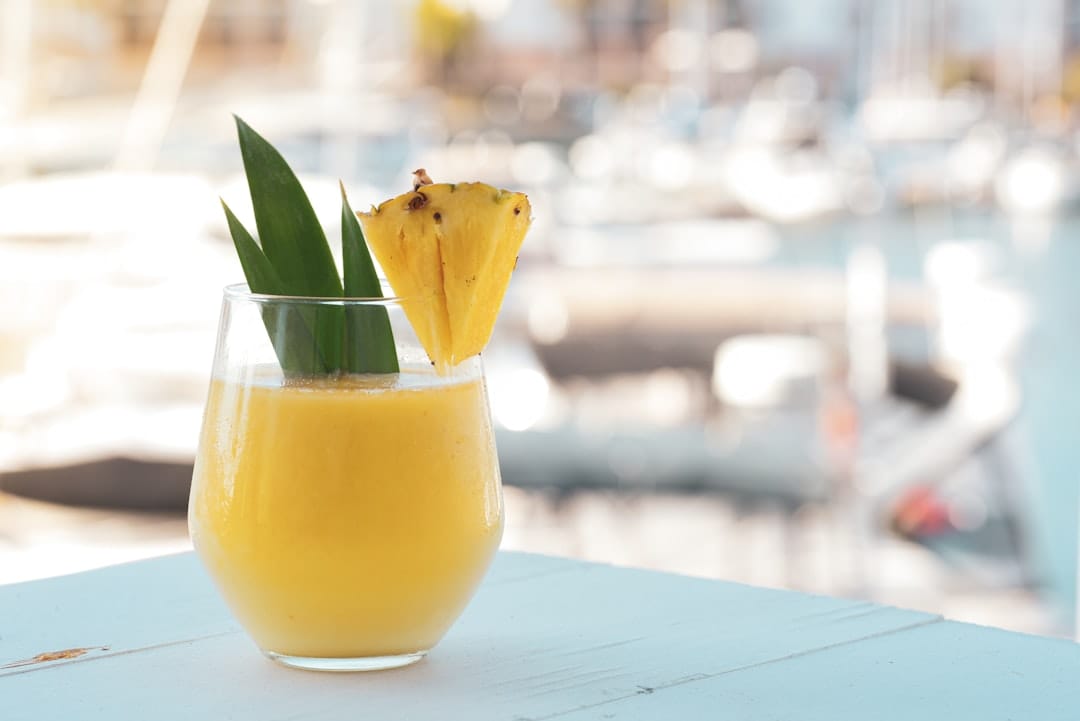
Blend a cup of pineapple, then stir in half a teaspoon of Ceylon cinnamon, two tablespoons of lime juice, a pinch of black salt, and protein powder.
Pineapple contains bromelain, a mixture of enzymes studied for digestive and anti-inflammatory effects (4). Ceylon cinnamon is the one people get excited about, and it is worth being precise: the blood-glucose and lipid findings most often quoted come from a rat model, not from people (5). Half a teaspoon in a glass is safe and tastes good. Treat it as flavour with a promising research note attached, not as a glucose treatment. Lime adds vitamin C and brightness. This one tastes enough like a vacation that you may forget it counts as health food.
The Ginger, Lime, and Cumin Gut Soother
A genuinely light drink — almost no calories.
Blend an inch of fresh ginger with a cup of cold water, strain it into a glass, then add the juice of half a lime and half a teaspoon of roasted cumin powder.
Ginger is best documented for nausea and for pain, where clinical trials have been run and reviewed (7); its reputation for settling a general upset stomach is longstanding traditional use rather than trial evidence. Cumin has been reviewed for antidiabetic, antioxidant, and digestive properties, again mostly in preclinical work (8), which is part of why that humble jar of jeera keeps showing up in traditional remedies. A healthy gut microbiome does appear to matter for weight, though researchers are still mapping how — and no single spiced drink is going to reshape it.
Can Coffee Really Count as a Weight Loss Drink?
It can, if you build it right. Dissolve a teaspoon of instant coffee in hot water, add a cup of non-dairy milk (almond, coconut, hemp, or pea), stir in protein powder and a teaspoon of ground flaxseed, then finish with a little grated dark chocolate.
Caffeine is genuinely interesting here, but for a narrower reason than usual: higher caffeine intake has been associated with people keeping weight off long term, which is an observational link and not proof that coffee causes the difference (9). Flaxseed is on firmer ground — a randomised crossover trial in obese, glucose-intolerant adults found it improved insulin resistance (10). The dark chocolate is the honest wobble in this recipe: the research is genuinely mixed, with reviews asking whether it helps or simply adds calories (11). A grating is fine. A bar is not. This is a mini-meal rather than a drink — a dessert-flavoured breakfast that behaves like a balanced one. Have it instead of breakfast, not after it.
Two More Worth Trying
The fenugreek and cucumber cooler asks for a little planning: soak two teaspoons of fenugreek seeds overnight, then blend the strained water with half a cup of cucumber and a pinch of black salt. Fenugreek extract reduced fat accumulation and improved blood lipids in rats fed a high-fat diet (14) — a real finding, but one that has not been shown to transfer to a glass of soaking water in humans. Cucumber is about 96% water, has been reviewed for a range of phytochemical properties (15), and mainly earns its place by filling you up for almost no calories.
The second is a coconut water blend, and it belongs in a different category from the rest: it is here for hydration, not fat loss. Coconut water has no particular weight-loss property. What it does well is replace fluid and potassium after you have sweated, which makes it a sensible post-workout drink and a poor mid-afternoon habit if you are counting calories. Blend a quarter cup of pineapple with a cup of coconut water, half a teaspoon of ground fennel, black salt, and protein powder, and serve over ice. Coconut water supplies potassium and fluid, which is a sensible thing to replace after a sweaty session. It will not flush out water weight — that is a claim without support, and short-term shifts on the scale from fluid are not fat loss either way.
Whichever drinks you rotate in, they work best alongside real food. If you eat mostly plants, this 7-day vegetarian weight loss plan pairs naturally with every recipe here, and simple swaps like an apple as your afternoon snack do more for the scale than any single beverage.
Frequently Asked Questions
How much water should I drink to lose weight?
The amount with a trial behind it is 500 ml before each meal. In a 12-week study of 48 adults on a reduced-calorie diet, the group that did this lost about 2 kg more than the group that dieted alone. The familiar eight-glasses-a-day rule has no trial behind it. Drinking more water on top of your usual drinks matters less than using water to replace sugary ones, which is the change the research found most effective.
Does lemon water help you lose weight?
Not beyond what the water itself does. No clinical trial has tested lemon water for weight loss, and the only PubMed record pairing the two uses lemon water merely as the carrier for an inulin supplement. Lemon makes water more pleasant, so if it means you drink more water and fewer sweetened drinks, it helps indirectly. The credit belongs to the water.
Do these drinks burn fat on their own?
No. Nothing in a glass burns fat. They help by replacing higher-calorie drinks, keeping you full on very few calories, and making a calorie deficit easier to stick to. Fat loss still comes from eating fewer calories than you burn, ideally alongside regular movement and enough protein to protect muscle.
When is the best time to drink them?
It depends on the drink. The coffee and shake recipes suit mornings, the coconut water blend works well after exercise, and green tea with mint fits nicely after dinner. Pair the lighter drinks with a balanced meal rather than using them as meal replacements.
Which protein powder should I use?
The recipes work with egg white protein, pea protein, or a whey-casein blend. Choose whichever fits your diet; the goal is simply enough protein to stay full and protect muscle while losing weight.
What are the best drinks for weight loss?
Plain water first, then green tea. Water raises energy expenditure slightly, blunts appetite before a meal, and replaces the sweetened drinks that quietly add hundreds of calories a day. Green tea is second because it has the most human trial evidence of any ingredient here, even though the effect is small. Everything else on this page is a distant third and works mainly by being filling and low in calories.
What can I drink to lose belly fat?
Nothing targets belly fat specifically. Spot reduction is not something you can eat or drink your way to — you lose fat across your whole body when you are in a calorie deficit, and where it comes off first is largely genetic. Any drink advertised as a belly fat burner is selling you something. What does help is cutting liquid calories, staying full enough to keep the deficit going, and getting enough protein and sleep.
Do detox drinks help you lose weight?
Not in the way they are sold. Your liver and kidneys already handle detoxification, and no lemon-and-cayenne mixture improves on them. Detox drinks appear to work because they are usually part of a very low calorie stretch, and the fast early drop on the scale is water and gut contents rather than fat. They come back when you eat normally again.
Which drinks should I avoid while losing weight?
The ones with calories you do not notice: fizzy drinks, sweetened iced tea, energy drinks, fruit juice, flavoured coffees with syrup, and alcohol. Juice deserves a specific mention — it has the sugar of the fruit without the fiber, so it does not fill you up the way whole fruit does. Swapping these for water or unsweetened tea is usually the single biggest change you can make in this category.
The Bottom Line
Homemade weight loss drinks are a helpful supporting act, not the headliner — which is exactly why the honest version of this list starts with plain water and green tea rather than with the most exotic ingredient. Recipes built on fiber-rich fruit, protein, green tea, and spices like cinnamon, cumin, and fenugreek can steady your blood sugar, improve satiety, and support digestion, which makes sticking to a healthy eating pattern noticeably easier. Be realistic about the evidence behind each one, though: green tea has human trials behind a small effect, cinnamon and fenugreek have mostly animal studies, and plain water quietly outperforms most of the list. Pick two or three of these weight loss drinks that you actually enjoy, make them a habit, and let consistent meals and movement do the heavy lifting.

This article is for informational purposes only and is not a substitute for professional medical advice. Consult a qualified healthcare provider before making significant changes to your diet, especially if you have a medical condition or take medication.
Related Articles
Winter Melon: Nutrition Facts and Claims Worth Checking
How to Set Up a Calorie Deficit Without Wrecking Your Energy (or Your Muscle)
The Homemade Protein Shakes I Reach For Instead of Store-Bought Powder (9 Easy Recipes)
Why That Humble Jar of Jeera Might Be the Hardest-Working Spice in Your Kitchen
A 7-Day Vegetarian Meal Plan That Makes Weight Loss Feel Easy (No Bland Salads Required)
Can an Apple a Day Really Help You Lose Weight?
Fire Cider: What the Evidence Says About Each Ingredient
Celery Juice Benefits: What Holds Up and What Does Not