
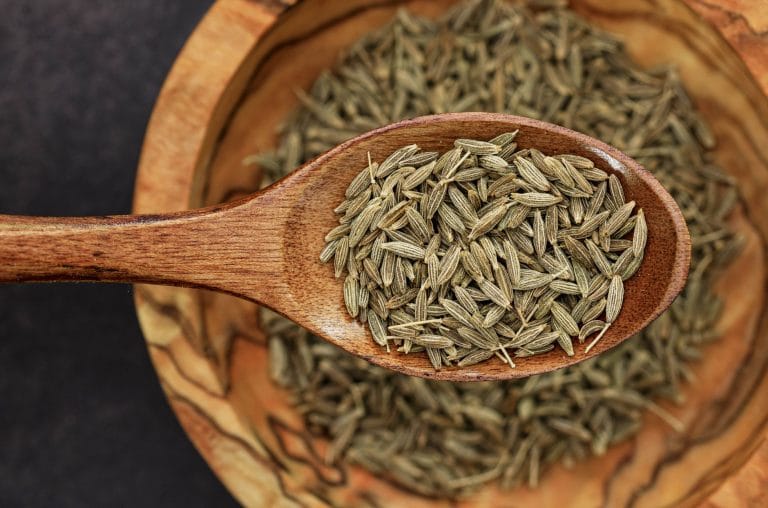
Cumin has been seasoning food and settling stomachs for centuries, and modern research is starting to explain why.
Open almost any spice cabinet from Mexico City to Mumbai and you’ll find cumin. Cooks reach for it because a few seeds sizzled in oil can transform a pot of lentils, but traditional healers have valued jeera for something else entirely: its reputation for easing digestion, calming inflammation, and supporting the body’s defenses.
Reputation is one thing, evidence is another. Here’s what studies actually say about cumin, along with practical ways to use it and a few cautions worth knowing before you start drinking jeera water every morning.
Key Takeaways
– Cumin seeds are a well-known digestive aid that can ease gas, bloating, and even the abdominal cramping seen in IBS.
– Small clinical studies link cumin to reduced BMI, smaller waist circumference, and better cholesterol numbers.
– Compounds in cumin oil dial down inflammatory signals in the body.
– Early research (much of it in animals) suggests cumin may help lower blood sugar in diabetes.
– Cumin can interact with several classes of medications, so moderation matters.
Getting to Know Cumin Seeds

Cumin comes from the Cuminum cyminum plant, a member of the Apiaceae family, and it ranks among the oldest cultivated crops across Asia, Europe, and Africa. The seeds carry a distinctly warm fragrance, which is why they show up in everything from Turkish stews to Mexican rice.
You’ll usually encounter three varieties. Brown cumin is the everyday type, larger and plumper, with an earthy, peppery bite that works whole or ground over grains, legumes, and root vegetables. White cumin looks light brown and tastes warm with slightly bitter undertones, a staple in Indian curries. Black cumin is the odd one out. Often called kalonji (Nigella sativa), it’s thinner, smaller, and charcoal-dark, with a sweet, citrusy flavor that hints at oregano and onion. Some cooks swap in fennel seeds when black cumin isn’t on hand.
Beyond the kitchen, folk medicine from Northern Europe to Iran and Indonesia has used cumin for digestive, lung, and liver complaints. The seeds are rich in essential oils, tannins, and sesquiterpenes, and they act as carminative, stimulant, and antiseptic agents.
How Cumin Helps Your Digestion
This is cumin’s signature strength. Traditional systems pair it with ginger, fennel, anise, thyme, and celery seed specifically to relieve flatulence and bloating, and the science backs up the carminative label.
Cumin appears to nudge the liver into secreting bile that’s rich in bile acids, which your body needs to digest and absorb fats properly. Its anti-inflammatory and pain-relieving effects also seem to help people with irritable bowel syndrome, reducing abdominal pain and spasms.
One finding surprised me: research shows cumin can ease gastrointestinal trouble in women recovering from a Cesarean section, cutting down colicky pain, heartburn, and delayed gas passage. Not bad for a seasoning.
Does Jeera Water Help With Weight Loss

Cumin has long been a folk remedy for shedding weight, and a few clinical trials suggest there’s something to it.
In one study, taking cumin with lime for eight weeks lowered participants’ BMI and total cholesterol, possibly by curbing appetite and boosting lipolysis (the breakdown of stored fat).
In another, obese women who ate about 3 grams of cumin powder daily with yogurt after meals for three months saw smaller waistlines, less fat mass, and higher HDL (the “good” cholesterol).
Plenty of people simply stir the seeds into warm water. Simli, a skincare and makeup blogger, credits her weight control to a cumin-based drink she sips morning and evening, since her schedule leaves little time for workouts. Anecdotes aren’t trials, of course, but the habit is cheap and low-risk for most people.
Inflammation and Your Heart
Roughly 3 to 4 percent of a cumin seed is essential oil, and that oil carries antioxidant, anti-allergic, and anti-inflammatory activity. It works by suppressing inflammatory messengers such as interleukins (IL-1 and IL-6), TNF-α, and nitric oxide, while also keeping certain immune cells from switching into inflammation mode. That’s why cumin earns a spot in anti-inflammatory diet plans alongside turmeric, ginger, rosemary, and clove.
The heart benefits build on the same chemistry. Flavonoids and cuminaldehyde in the dried seeds inhibit lipid peroxidation, which lowers oxidized LDL, the form of cholesterol tied to plaque buildup, atherosclerosis, and coronary heart disease. Cumin’s manganese and zinc also help activate the body’s own antioxidant enzymes, like superoxide dismutase and catalase, which mop up the free radicals that start the damage in the first place.
A Possible Ally Against Diabetes
This part is less settled, since much of the evidence comes from animal studies. In rats, cumin flavonoids lowered blood glucose, and the free-radical-scavenging effect was stronger in diabetic animals than healthy ones. Research on cumin extracts in type 2 diabetes reports drops in fasting blood sugar, serum insulin, and glycosylated hemoglobin, a key marker doctors track. Interestingly, green cumin outperformed the black variety for antidiabetic activity.
The stakes are real. Per the National Institute of Diabetes and Digestive and Kidney Diseases, about 37.3 million Americans (11.3 percent) had diabetes as of 2019, including 283,000 children and teens. A kitchen spice won’t replace treatment, but cumin’s anti-inflammatory action may help blunt some of the disease’s complications.
Using Cumin Safely
For most people, cumin is perfectly safe in everyday cooking amounts, sprinkled into soups, stews, curries, roasted vegetables, or steeped as jeera water or tea. The main caution is drug interactions. Cumin can interfere with major classes of medications, and reactions range from mild to serious allergic responses. If you take prescription drugs, check with your doctor before adding concentrated cumin supplements or large daily doses.
Frequently Asked Questions
How do I make jeera water?
A common approach is to steep or briefly boil cumin seeds in water, then strain and sip the liquid warm. Many people drink it in the morning, and some add it to an evening routine as well.
Which type of cumin is best for health benefits?
Brown and white cumin are the standard culinary varieties. For blood sugar specifically, green cumin showed stronger antidiabetic effects than black cumin in research.
Can I take cumin every day?
Yes, small culinary amounts are considered safe for daily use by most people. The clinical studies used modest doses, around 3 grams of powder per day. Go easy if you’re on medication, since interactions are possible.
The Bottom Line
Cumin earns its place in the kitchen twice over. It flavors food beautifully, and a growing body of research supports its traditional roles: easing gas and bloating, supporting fat digestion, calming inflammation, and modestly improving weight, cholesterol, and blood sugar markers. The evidence is strongest for digestion and still emerging elsewhere, so treat it as a helpful daily habit rather than a cure. A pinch in your dal or a warm cup of jeera water is an easy, low-cost place to start.
This article is for informational purposes only and is not a substitute for professional medical advice, diagnosis, or treatment. Always consult a qualified healthcare provider before making changes to your diet, supplements, or medications.