
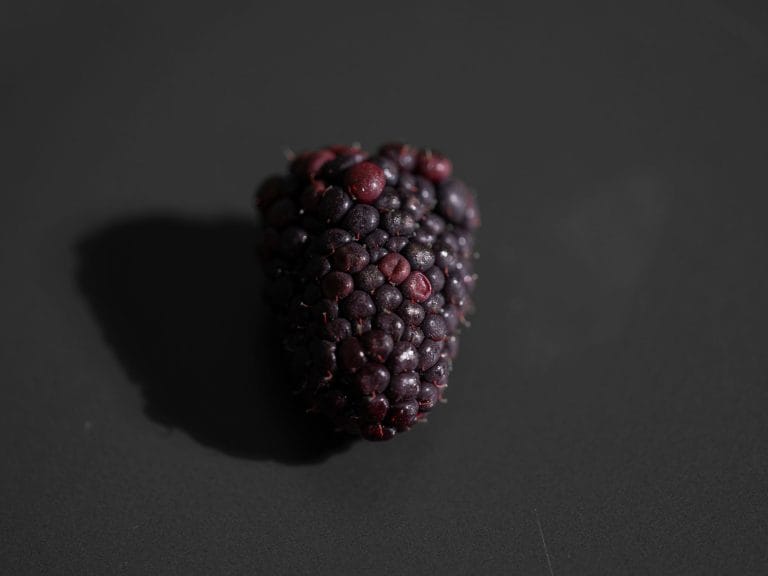
Maqui berry benefits explained with the evidence: antioxidant content, what human trials found for dry eyes and blood sugar, which claims rest only on lab studies, and safety.
Maqui berry (Aristotelia chilensis) is a small, dark purple berry native to Chile. Its juice has traditionally been used as an astringent, tonic and remedy for diarrhea (17). Today it is sold mostly as freeze-dried powder and standardized extracts. For another fruit most people have never eaten, see the medlar, which is only edible once it has gone soft and brown.
The research behind maqui berry benefits is growing but still limited. A 2026 systematic review of 12 human trials found the most consistent results for dry eye and for blood sugar after meals, while effects on long-term blood sugar and cholesterol were modest and inconsistent. The overall certainty of evidence ranged from moderate to very low (1).
Key Takeaways
- Maqui berries are very rich in anthocyanins, with 6.6–15.0 g per kg of fresh fruit in wild Chilean samples (3).
- The most consistent human evidence is for dry eyes: more tears and fewer symptoms in small trials (1, 9, 10).
- Extracts lowered blood sugar after meals in short studies, but long-term effects are uncertain (1, 5, 6).
- Many human trials used branded extracts and were linked to their makers (1, 6, 11).
- Anti-inflammatory and anticancer effects have only been shown in lab cell studies (12, 13).
- No serious side effects were reported in trials lasting up to about 3 months (1).
Antioxidants and Anthocyanins
 Save
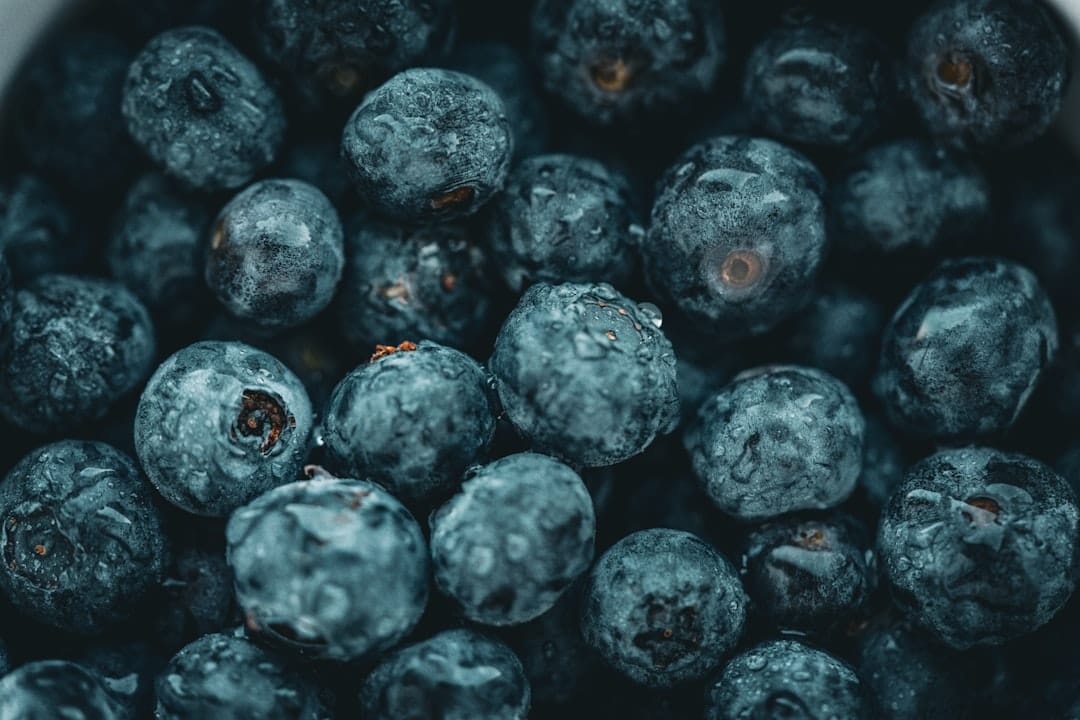
SaveIn an analysis of fruits and vegetables grown in Chile, maqui had the highest antioxidant capacity measured by the FRAP method: 12.32 mmol Fe per 100 g, compared with 3.10 for strawberries and 3.55 for wild blackberries (2). Wild maqui berries from different Chilean regions contained 6.6–15.0 g of anthocyanins per kg of fresh fruit, with large differences between plants (3).
Maqui is described as the richest known natural source of delphinidins, a type of anthocyanin (4). That review focused on the commercial maqui extract Delphinol, so it should be read with that in mind.
A high antioxidant score in the lab does not guarantee health benefits in people. Despite many studies, no antioxidant has been approved as a treatment, because randomized trials have not shown the benefits suggested by early research (16).
Maqui Berry Benefits: What Human Studies Show
| Area | Human evidence | Notes |
|---|---|---|
| Dry eye (1, 9, 10, 11) | 3 main trials (about 100–110 adults): more tear production and fewer dry eye symptoms | Most consistent finding; small, short trials, one pilot by the extract maker |
| Blood sugar after meals (1, 5, 6) | Short studies: an extract taken before a meal or glucose drink lowered the glucose rise | Small, mostly funded by or linked to the extract maker |
| Long-term blood sugar and cholesterol (1, 7) | HbA1c and LDL fell in a 3-month study of 31 people with prediabetes | No placebo group; long-term results modest and inconsistent across trials |
| Oxidative stress (1, 8, 14) | Lower oxidized LDL and F2-isoprostanes after 4 weeks; changes in breath markers in 15 smokers | Surrogate markers; effects did not last after stopping |
| Inflammation, eyes, cancer (12, 13) | None; lab studies with cells only | Not shown in people |
Dry eyes
In a randomized, double-blind, placebo-controlled trial of 74 Japanese adults with eye dryness who worked at screens at least 4 hours a day, 60 mg a day of a maqui extract (MaquiBright) for 4 weeks increased tear production and reduced eye fatigue and bothersome eye symptoms compared with placebo. No adverse events were reported (9). Most of the authors work for a private company, ORTHOMEDICO.
A smaller randomized trial in 20 patients with dry eye disease found that maqui extract improved symptoms and tear production and lowered inflammatory markers in tears compared with placebo (10). An earlier pilot study of 13 people, run by the extract’s manufacturer, also reported more tears and fewer symptoms (11).
Blood sugar
In 10 people with impaired glucose tolerance, the maqui extract Delphinol taken before a rice meal lowered the rise in blood sugar and insulin compared with placebo (5). In an open study in people with prediabetes, the extract lowered glucose peaks after a glucose drink in a dose-dependent way; it was supported by a grant from the extract’s maker (6).
In a 3-month study of 31 people with prediabetes, 180 mg of Delphinol daily lowered HbA1c from 5.65% to 5.35% and LDL cholesterol, while HDL increased. Fasting glucose and insulin did not change significantly, and the study had no placebo group (7). Across trials, long-term effects on HbA1c and cholesterol were modest and inconsistent (1). If you are interested in plants studied for blood sugar, see our article on mango leaves.
Oxidative stress
In a randomized placebo-controlled trial of 42 healthy, overweight and smoking adults, a maqui extract taken 3 times a day for 4 weeks reduced oxidized LDL and urinary F2-isoprostanes, two markers of oxidative stress, compared with baseline. These changes did not last 40 days after stopping, and blood pressure and cholesterol did not change (8). In 15 light smokers, 2 weeks of maqui extract normalized hydrogen peroxide and IL-6 levels in exhaled breath, but this was an exploratory study without a control group (14).
Lab Studies: Inflammation and Eye Cells
In lab experiments with mouse immune cells, maqui extracts and their anthocyanins and flavonoids reduced inflammatory signals (13). In cultured mouse photoreceptor cells, maqui extract and its delphinidin compounds reduced cell death caused by visible light (12). Anthocyanins may also interact with gut bacteria, which convert them into other compounds (15). These findings help explain why maqui is studied, but they have not been confirmed as benefits in people. For eating patterns with better evidence for inflammation, see our arthritis diet guide.
How to Use Maqui Berry
 Save
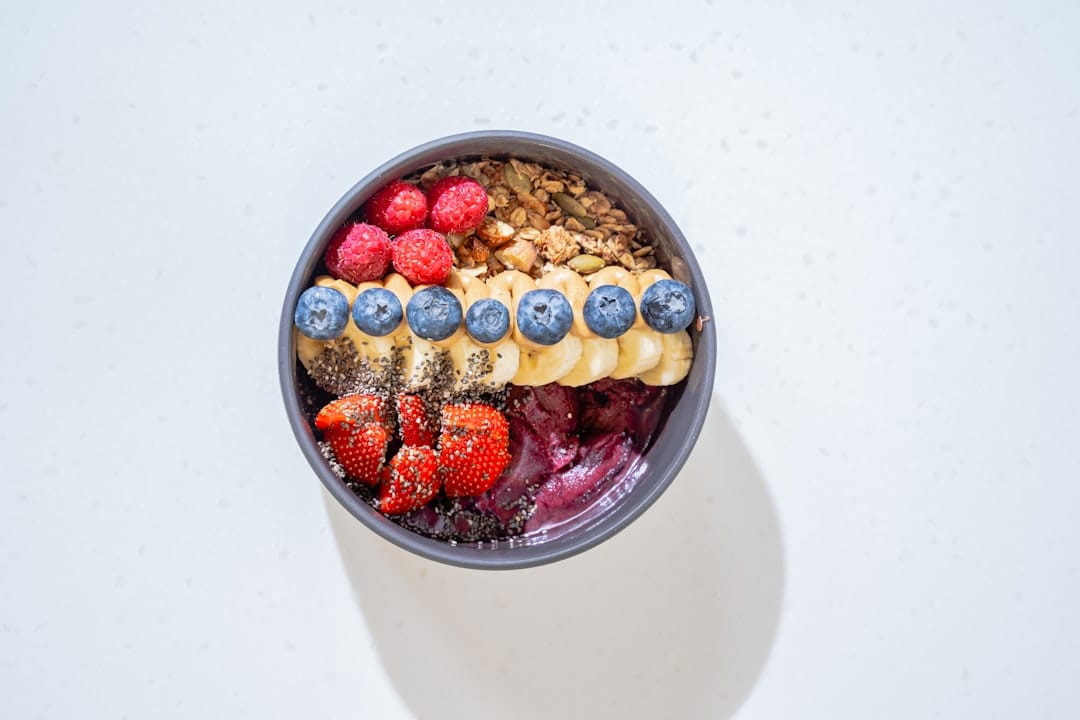
Save- As food: maqui powder can be stirred into oatmeal, yogurt or smoothies, or added to homemade protein shakes. No standard food serving size has been studied for health effects.
- As an extract: trials used standardized extracts, such as 60 mg a day for dry eyes (9) or 180 mg a day for blood sugar (7). Results from extracts may not apply to powder or whole berries.
- As part of a varied diet: maqui can add color and antioxidants to a plant-based diet, but it is not a substitute for other fruits and vegetables.
Safety
- Side effects: in human trials, no serious adverse events were linked to maqui, liver and kidney tests generally stayed normal, and mild stomach discomfort or headache was uncommon and similar to placebo (1).
- Long-term use: trials lasted up to about 3 months, and long-term safety has not been studied (1, 17).
- Medications: because extracts may lower blood sugar after meals (5), talk to your doctor before using them with diabetes medication.
- Pregnancy and breastfeeding: safety has not been studied, so avoid concentrated extracts unless your doctor approves.
Frequently Asked Questions
What are the benefits of maqui berry?
Maqui berry is rich in anthocyanins, especially delphinidins. In human trials, standardized maqui extracts improved tear production and dry eye symptoms and lowered the rise in blood sugar after meals. Effects on long-term blood sugar and cholesterol were modest and inconsistent, and a 2026 systematic review rated the overall certainty of evidence as moderate to very low.
Does maqui berry help dry eyes?
This is the most consistent finding. In a randomized placebo-controlled trial of 74 office workers, 60 mg a day of a maqui extract for 4 weeks increased tear production, and a smaller trial in 20 patients with dry eye disease found improved symptoms and less eye surface inflammation. The studies were small and short.
Can maqui berry lower blood sugar?
Small studies of a standardized extract called Delphinol found lower blood sugar after meals, and a 3-month study in 31 people with prediabetes found a small drop in HbA1c from 5.65% to 5.35%. Fasting glucose did not change significantly, the 3-month study had no placebo group, and most studies were linked to the extract’s maker.
Is maqui berry better than acai?
There are no human studies comparing them. Maqui berries are very high in antioxidants in lab tests: in one Chilean analysis, maqui had the highest antioxidant capacity of the fruits tested, several times higher than strawberries and blackberries.
Is maqui berry safe?
In human trials lasting up to about 3 months, no serious side effects were linked to maqui extracts, and mild stomach discomfort or headache was uncommon and similar to placebo. Long-term safety has not been studied, so check with a doctor before using extracts if you take diabetes or cholesterol medication, are pregnant or breastfeeding.
The Bottom Line
Maqui berry is an anthocyanin-rich Chilean berry with very high antioxidant capacity in lab tests. The best-supported maqui berry benefits in people are improved tear production and dry eye symptoms and a smaller rise in blood sugar after meals, based on small, short trials that often used branded extracts linked to their makers. Claims about inflammation, eye cell protection and cancer come from lab studies. Maqui powder can be a colorful addition to a healthy diet, but talk to a doctor before using concentrated extracts, especially if you take diabetes medication.
This article is for informational purposes only and is not a substitute for professional medical advice, diagnosis, or treatment. Always consult a qualified healthcare provider before making changes to your diet, supplements, or medications.
Related Articles
Mango Leaves Benefits, Uses, and How to Brew Them
Arthritis Diet Guide | Best & Worst Foods for Joints
Plant-Based Diet: Benefits, Risks and How to Start
9 Homemade Protein Shakes Made With Real Food