
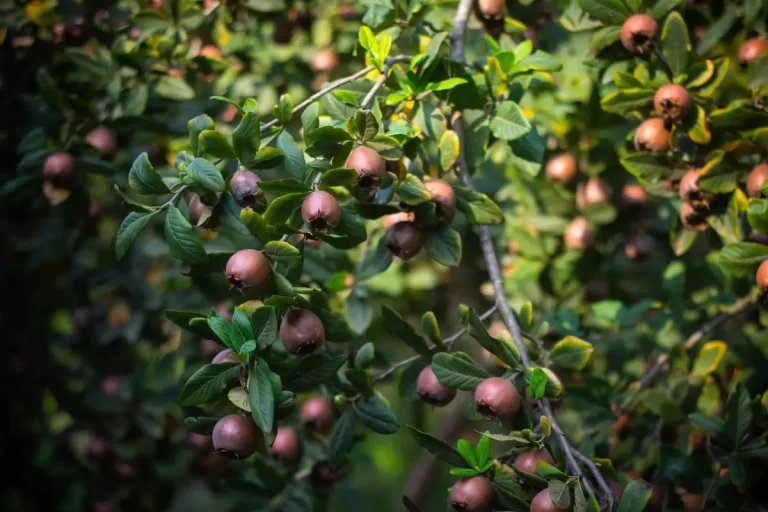
The medlar is picked hard, then deliberately left to soften for weeks before anyone eats it. That wait is what makes it edible — and, as it turns out, what costs it most of its antioxidants.
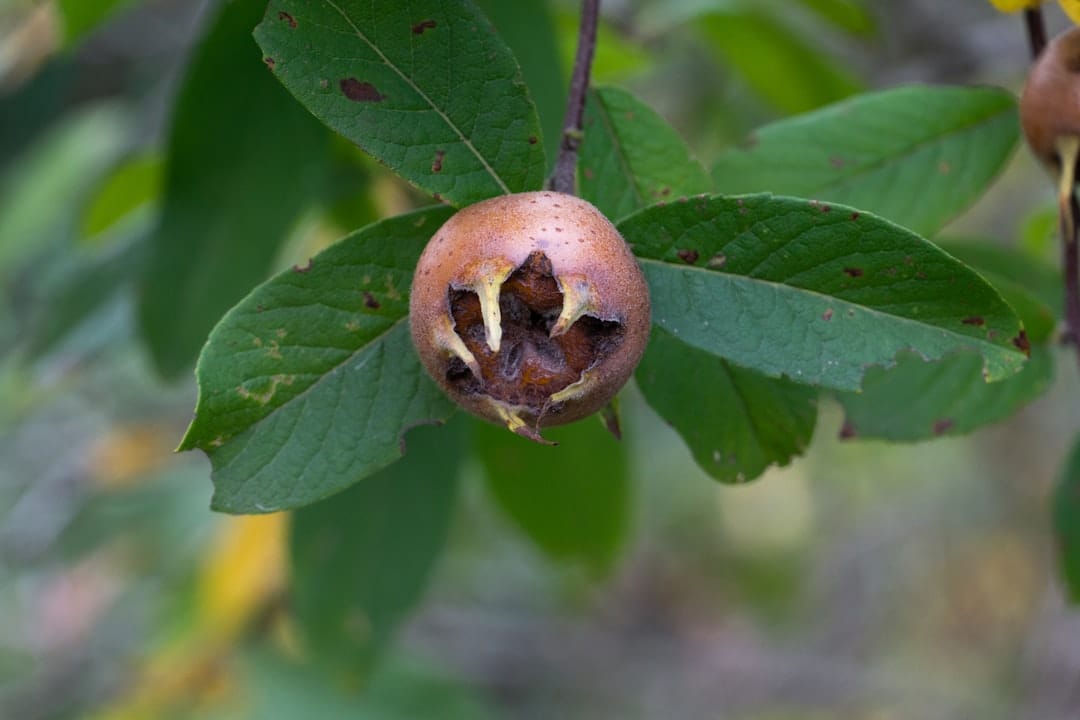
Picture a small, round, russet fruit with an open crown at one end, left sitting in a tray until it turns soft and brown. That is the medlar, Mespilus germanica, a member of the Rosaceae family and a relative of apples, pears and quinces. It fruits in late autumn, is harvested while still firm, and only becomes palatable after weeks of softening.
Most articles about it stop at “rich in antioxidants”. The more useful question is what actually happens to the fruit during that wait, because it has been measured.
Key Takeaways
- Medlar is eaten only after bletting, a controlled softening that breaks down its astringency (4).
- Bletting has a nutritional price. Measured across five ripening stages, total phenolics fell from 170 mg GAE per 100 g to 54% of that, and vitamin C and antioxidant activity both dropped significantly (1).
- Potassium, calcium and magnesium also decline through ripening, while phosphorus, sodium and the trace minerals stay steady (1, 3).
- The blood-sugar evidence is laboratory only: a purified extract inhibited alpha-amylase by 35% in vitro (2).
- Japanese medlar is a different fruit — that name means loquat.
- Scoop the pulp and discard the seeds (11).
What A Medlar Is, And What It Is Not
 Save
SaveThe medlar comes from south-west Asia, reached Greece and Italy and spread across Europe from there, and it is old enough to appear in Shakespeare. It fruits in November and December, which once made it a rare source of sweetness in winter.
One point causes constant confusion. “Japanese medlar” is not this fruit. That name belongs to the loquat, Eriobotrya japonica, which fruits in spring, is eaten straight from the tree and is not related closely enough to be treated as the same thing. Everything below is about Mespilus germanica, the European medlar.
Bletting: Why You Wait, And What It Costs
Picked straight from the tree, a medlar is hard and mouth-puckeringly astringent. Left somewhere cool and dry for a few weeks, the flesh softens, the skin darkens, and the astringency gives way to something sweet-tart that can be spooned out like a thick puree. The browning is enzymatic: polyphenoloxidase from medlar fruit has been isolated and characterised directly (4).
Here is the part that rarely gets reported. A study followed medlar fruit through five ripening stages — 134, 144, 154, 164 and 174 days after full bloom — and measured what changed (1):
| What was measured | Firm fruit, 134 days after bloom | Bletted, 174 days |
|---|---|---|
| Total phenolics | 170 mg GAE per 100 g | 54% of that |
| Ascorbic acid (vitamin C) | highest of the five stages | significantly lower |
| Total antioxidant activity | highest | significantly lower |
| Potassium, calcium, magnesium | higher | falling through ripening |
| Phosphorus, sodium, trace minerals | stable | stable, no significant change |
| Edible? | No — hard and astringent | Yes |
In other words, the fruit is at its most nutrient-dense exactly when you cannot eat it, and the softening that makes it edible roughly halves its phenolic content. That is not an argument against eating medlars. It is an argument against treating them as an antioxidant supplement.
What Is Inside It
The pulp carries tannins, natural sugars, organic acids and a notable amount of pectin, the soluble fibre that gives the fruit its jelly-making power. Pectin itself has a documented set of health-promoting properties, including effects on cholesterol and bowel function (6).
On the mineral side, measurements across stages of maturity show potassium as the dominant element, alongside calcium, magnesium, iron, phosphorus and sodium (1, 3). The phenolic profile is led by gallic acid, with protocatechuic, chlorogenic and ferulic acids also prominent (2).
What The Research Actually Shows
Blood sugar: promising in a test tube, untested in people
This is the claim most often inflated, so it is worth being exact. Researchers freeze-dried medlar fruit, extracted it, and purified the extract into two fractions. The water fraction inhibited alpha-amylase by 35% at a concentration of 1 mg/mL, and the methanol fraction showed the strongest antioxidant activity at 245.31 µM Trolox per gram (2). Alpha-amylase is one of the enzymes that breaks starch into sugar, so slowing it is a plausible route to blunting a glucose rise.
What that does not mean: these are purified extracts acting on enzymes in a laboratory, not whole fruit eaten by a person, and no clinical trial has tested medlar in humans. The broader idea — that dietary phenolic acids may help with glucose control — has its own review literature (7), but it is a research direction rather than a result you can eat. If steadier glucose is the goal, the habits in a low-glycemic way of eating are where the evidence actually sits.
Gallic acid, inflammation and bacteria
Gallic acid is the standout compound in medlar extracts (2), and it has been studied in its own right: for protective effects against inflammation and oxidative stress in an obese state (9), and for antibacterial activity against food-related Pseudomonas strains, which is why extracts of this kind interest food preservation researchers (8). Flavonoids more generally are well established as antioxidants (10).
All of that is about the compound, not about the fruit on your plate. Medlar is a source of it; it is not a delivery vehicle proven to do any of those things in people.
What tradition says, labelled as tradition
A survey of rural households in Gilan Province, northern Iran, recorded how medlar is used locally as a medicinal plant (5). That is a record of practice, not a test of effect, and it is worth keeping the two apart.
The Seeds
Scoop the pulp and leave the seeds. Medlar sits in the Rosaceae family, and the pips and kernels of its relatives — apple, cherry, plum, apricot, almond — contain the cyanogenic glycoside amygdalin (11). The sensible practice is the same one people already follow with apple cores: do not chew them, and keep them away from children.
Ways To Put Medlar On Your Plate
 Save
SaveRipe medlars are fragile and split under the slightest press. Peel back the stalk end and squeeze the pulp out from the crown, picking out the seeds as you go.
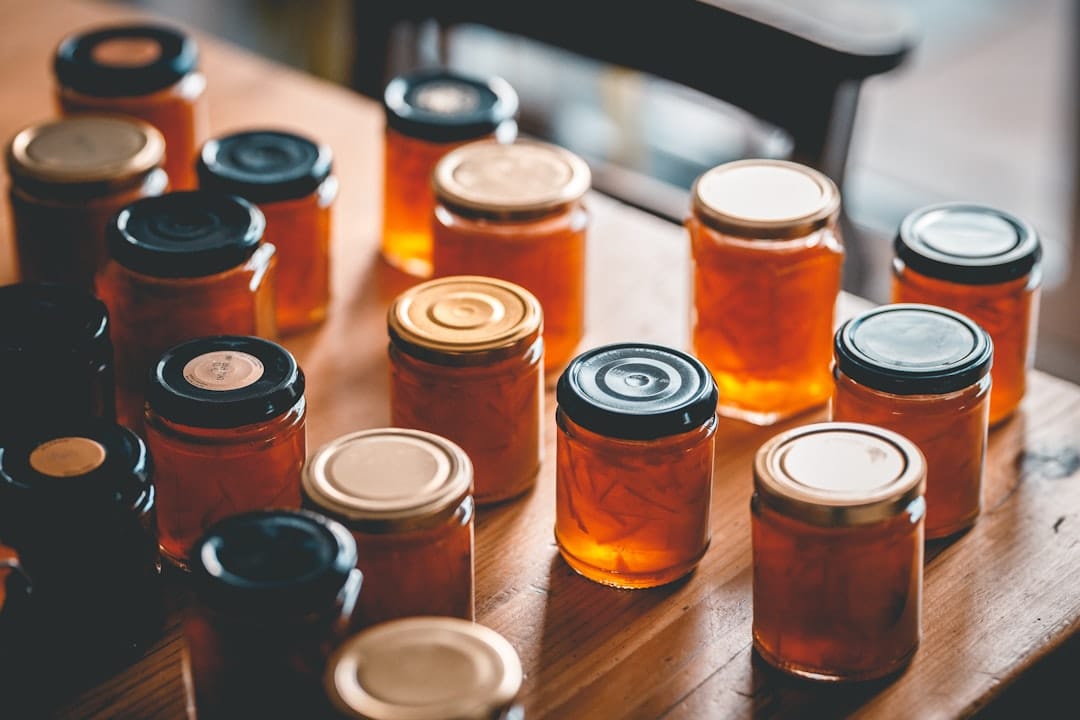
- Cook it down into jam, jelly, marmalade or syrup — the pectin does the work (6).
- Serve the pulp with cheese, or set it as a firm fruit “cheese”.
- Pickle the unripe fruit with vinegar and sugar.
- Use it in fruit wine, or simmer it into a thick sauce.
It is a seasonal pleasure rather than a staple, and it sits comfortably next to other fibre-rich foods most people eat too little of.
Frequently Asked Questions
Why do you have to let medlar rot before eating it?
Freshly picked medlars are hard and astringent. Weeks of controlled softening, called bletting, turns the flesh sweet and spoonable. The trade-off is measurable: across five ripening stages, total phenolic content fell from 170 mg gallic acid equivalent per 100 g to 54% of that figure, and vitamin C and total antioxidant activity dropped significantly as well.
What does a medlar taste like?
Once bletted, sweet and tart at once, with a soft, grainy texture often compared to spiced apple sauce or dates. Before bletting it is simply too astringent to eat, which is why the fruit is picked hard and then left alone.
Is a Japanese medlar the same fruit?
No. Japanese medlar is a common name for the loquat, Eriobotrya japonica, a different species that fruits in spring and is eaten straight from the tree. The medlar in this article is Mespilus germanica, a European autumn fruit that has to be bletted first.
Are medlar seeds safe to eat?
They are not eaten. Medlar belongs to the Rosaceae family, whose pips and kernels — apple, cherry, plum, apricot, almond — contain the cyanogenic glycoside amygdalin. Scoop the pulp and discard the seeds rather than chewing them.
Does medlar help with blood sugar?
Only laboratory work points that way so far. A purified water fraction of medlar extract inhibited alpha-amylase by 35% at 1 mg/mL in a test tube. That is an extract on an enzyme, not fruit in a person, and no human trial has tested it.
The Bottom Line
Medlar is the rare fruit that has to go soft before it is worth eating, and the measurements show that the wait costs it: phenolics drop to about half, vitamin C and antioxidant activity fall with them (1). What remains is a pectin-rich, pleasantly sweet-tart autumn fruit with an interesting phenolic profile (2) and a laboratory signal on starch digestion that nobody has yet tested in a person. Eat it because it is good and unusual, discard the seeds, and do not confuse it with the loquat sold as Japanese medlar.
This article is for informational purposes only and is not a substitute for professional medical advice. Talk to a qualified healthcare provider before making significant changes to your diet, especially if you manage a chronic condition such as diabetes.
Related Articles
Why Mangosteen Might Be the Most Underrated Fruit in the Tropics (Ask Your Blood Sugar)
How a Low-Glycemic Diet Keeps Your Blood Sugar From Riding a Rollercoaster
The High Fiber Foods Worth Putting on Your Plate Every Day
Why Yams Deserve More Credit Than They Get in Your Kitchen