
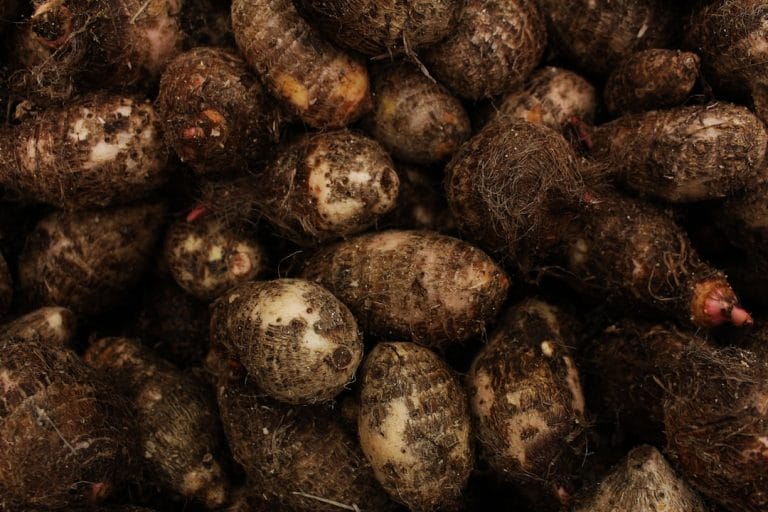
What yams offer nutritionally, what research shows about yam benefits for skin, weight loss, blood sugar and menopause, and where the evidence is weak.
Yams (Dioscorea species) are starchy tubers eaten across Africa, Asia, the Caribbean, and the Pacific. They provide fiber, potassium, and several bioactive compounds, including diosgenin, that researchers are studying for possible health effects (1, 2).
Many popular benefits of yam, though, come from animal studies, supplements made from other plants, or wild yam creams rather than the yam you cook at home. This guide separates the nutrition facts from the early research.
Key Takeaways
- One cup of cooked yam provides about 158 calories, 5.3 grams of fiber, and 911 mg of potassium (1).
- Glucomannan, the fiber supplement often linked to yam weight loss, comes from the konjac plant, not common yams (3, 5).
- Yam improved blood sugar in rat studies, but human evidence is lacking (6, 7).
- A wild yam cream did not relieve menopausal symptoms better than placebo (9).
- Skin and cancer findings come from animal studies, so they do not prove benefits in people (11, 12).
Yam Nutrition Facts
According to USDA data for cooked yam (1):
| Nutrient | Per 100 g | Per cup, cubed (136 g) |
|---|---|---|
| Calories | 116 kcal | 158 kcal |
| Carbohydrate | 27.5 g | 37.4 g |
| Fiber | 3.9 g | 5.3 g |
| Potassium | 670 mg | 911 mg |
| Vitamin C | 12.1 mg | 16.5 mg |
| Manganese | 0.37 mg | 0.5 mg |
| Copper | 0.15 mg | 0.21 mg |
| Calcium | 14 mg | 19 mg |
Yams are mainly a source of carbohydrate, including starch and resistant starch (14), with a useful amount of fiber and a lot of potassium. For more fiber-rich choices, see our list of high fiber foods.
Types of yam
There are many Dioscorea species. Widely eaten types include white yam (D. rotundata) and water or purple yam (D. alata), and species differ in their nutrients and bioactive compounds (2). Learn more about one variety in our guide to purple yam. Wild yam (D. villosa) is mainly sold as a supplement or cream, not eaten as a vegetable (10).
Yam and Weight Loss
 Save
SaveA cup of cooked yam has about 158 calories and 5.3 grams of fiber (1), so it can be a filling carbohydrate in a balanced, calorie-controlled diet. No human studies show that eating yam itself causes weight loss.
Claims about yam and weight loss often refer to glucomannan, a soluble fiber from the root of the konjac plant, sometimes called elephant yam, which is not a true Dioscorea yam (3, 5). In a meta-analysis of 14 trials, glucomannan supplements lowered body weight by an average of 0.79 kg and LDL cholesterol by about 16 mg/dL (4). A later systematic review found some short-term evidence for weight loss but no effect on BMI (5). Search terms like “wild yam weight loss” usually refer to these supplements, not to wild yam itself.
Yam and Blood Sugar
In rats fed a high-fat diet, adding yam powder kept glucose tolerance close to normal (6). In diabetic rats, yam powder, yam extract, and allantoin, a compound in yam, lowered blood glucose and improved insulin and cholesterol levels (7). These results have not been confirmed in human trials. If you have diabetes, treat yam as a starchy food and count it in your carbohydrate portions; our tips on how to lower blood sugar naturally may help.
Yam, Menopause, and Hormones
Yam contains diosgenin, a plant steroid used as a raw material to make synthetic progesterone in the lab. However, Memorial Sloan Kettering notes that there is no evidence the human body can convert diosgenin into progesterone, and that human studies on menopause are limited and mixed (10).
- Wild yam cream: in a double-blind, placebo-controlled trial in 23 women, 3 months of wild yam cream had few side effects but no significant effect on menopausal symptoms compared with placebo (9).
- Eating yam: in a small study without a control group, 22 postmenopausal women who replaced two-thirds of their staple food with yam (D. alata) for 30 days had higher estrone levels and 5.9% lower cholesterol (8).
Because wild yam may have estrogen-like effects, people with hormone-sensitive cancers should talk to their doctor before using it (10).
Yam Benefits for Skin
In a study of diosgenin, the compound increased skin cell growth in lab tests and improved skin thickness in mice with low estrogen, a model of menopause (11). There are no human trials showing that eating yam or applying wild yam cream improves skin. A cosmetic safety panel concluded that a specified wild yam root extract is safe as used in cosmetics (16).
Other Early Research
- Brain function: in a small randomized, placebo-controlled crossover trial in 28 healthy adults, a diosgenin-rich yam extract taken for 12 weeks improved scores on a cognitive test (13).
- Colon health: in rats given a chemical that causes colon cancer, a yam diet reduced early precancerous changes and lowered inflammatory markers (12). This does not show that yam prevents cancer in people.
- Gut health: yams contain resistant starch, which is being studied for its nutritional properties (14).
Safety and Side Effects
Cooked, cultivated yams are a staple food for millions of people (2). Some wild yam species taste bitter and can cause irritation or occasional toxicity; certain species contain the toxic alkaloid dioscorine, and cooking removes much of the bitterness (15). Wild yam supplements are different from food: in animal studies, D. villosa has been linked to kidney injury, and it may have estrogen-like effects (10). Talk to your doctor before using wild yam supplements, especially if you are pregnant, breastfeeding, or have a hormone-sensitive condition.
How to Eat Yam
Peel and cook yams before eating. You can boil, steam, roast, or mash them, or add them to stews and curries. For roasted yam, cut peeled yam into wedges, toss with a little olive oil, salt, and pepper, and roast at 220°C (425°F) until tender and golden. Tiger nuts are another tuber you may want to try; see our tiger nuts guide.
Frequently Asked Questions
Is yam good for weight loss?
A cup of cooked yam provides about 158 calories and 5 grams of fiber, so it can fit in a weight loss diet as a filling carbohydrate. There are no human studies showing that eating yam itself causes weight loss. Glucomannan supplements, often linked to yam, actually come from the konjac plant.
Is yam good for your skin?
The evidence is limited. Diosgenin, a compound in some yams, improved skin thickness in mice, but eating yam or using wild yam cream has not been shown to improve skin in human studies.
Does wild yam help with menopause?
The evidence is mixed. In a placebo-controlled trial, wild yam cream had little effect on menopausal symptoms. Memorial Sloan Kettering notes there is no evidence the body can convert diosgenin into progesterone.
Can you eat yam raw?
Yams are normally cooked before eating. Some wild yam species contain bitter or toxic compounds, and cooking methods remove much of the bitterness.
What is the difference between yam and sweet potato?
True yams belong to the Dioscorea genus, while sweet potatoes are a different plant. In some countries, orange sweet potatoes are sold as yams.
The Bottom Line
Yams are a nutritious starchy vegetable, with a cup of cooked yam providing about 158 calories, 5.3 grams of fiber, and plenty of potassium. Research on diosgenin and other yam compounds for skin, blood sugar, and brain health is interesting but mostly limited to animal and small human studies, and wild yam cream did not ease menopausal symptoms in a placebo-controlled trial. Enjoy cooked yams as part of a balanced diet, and talk to your doctor before taking wild yam supplements.
This article is for informational purposes only and is not a substitute for professional medical advice. Talk to your doctor or a registered dietitian before making significant changes to your diet or using herbal supplements, especially if you have diabetes, a hormone-sensitive condition, or take medication.
Related Articles
Purple Yam Benefits, Nutrition, and Side Effects
6 Health Benefits of Tiger Nuts, Backed by Research
High Fiber Foods List and How Much Fiber You Need
How to Lower Blood Sugar Naturally: 8 Evidence-Based Habits