
What tiger nuts contain, what research actually shows about their health benefits, and the disadvantages to know before you eat them.
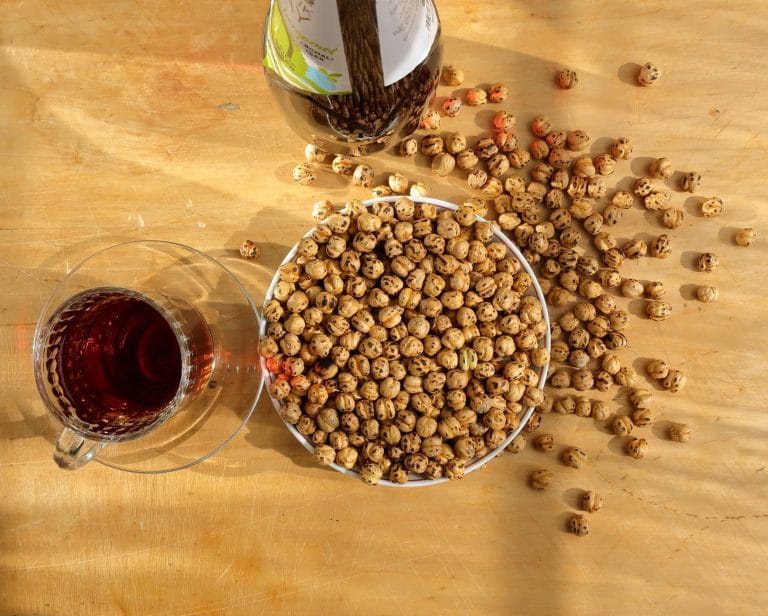
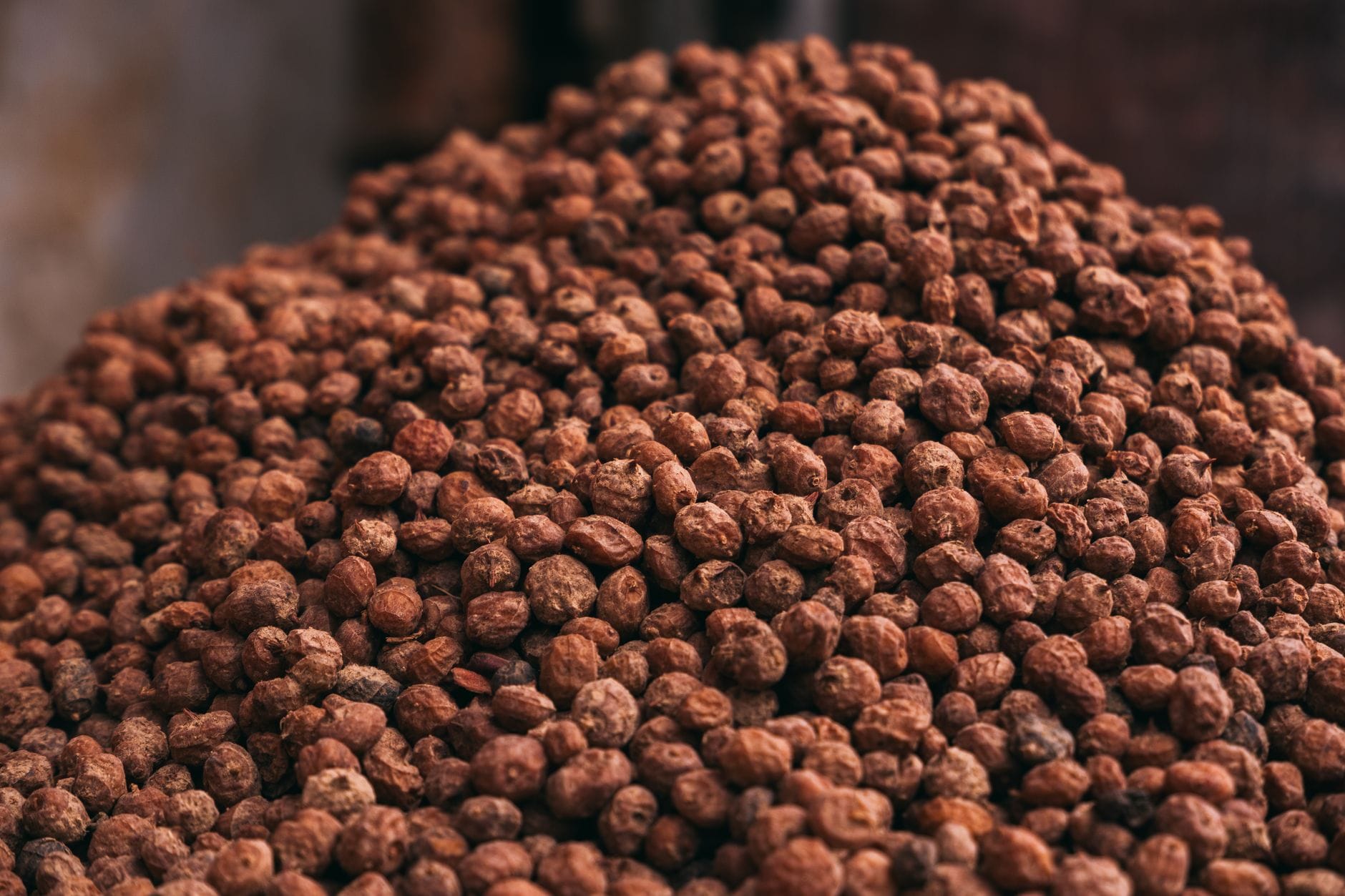
Tiger nuts are not nuts. They are small tubers of the plant Cyperus esculentus, also known as chufa or yellow nutsedge, with a sweet, almond-like taste. In Spain they are used to make the drink horchata de chufa (3).
Tiger nuts are rich in fat, starch, and fiber and contain vitamins C and E (1, 3). Most claimed health benefits of tiger nuts, however, come from laboratory and animal studies, and we found no clinical trials of tiger nuts in people. Here is what the evidence shows.
Key Takeaways
- Tiger nuts contain roughly 25–35% fat, 20–30% starch, 10–20% sugar, 10–15% protein, and 8–9% fiber (1).
- Their fat is mostly oleic and linoleic acid, and they provide vitamins C and E (1, 3).
- Benefits for gut health, blood sugar, and libido come from lab and animal studies, not human trials (5, 6, 8).
- They are energy-dense, so portion size matters (1).
- Tiger nuts and tiger nut drinks can contain mycotoxins such as aflatoxins, especially after long or damp storage (12, 13).
Tiger Nut Nutrition
 Save
SaveA review of tiger nut composition reports these typical ranges (1):
| Component of tiger nut tubers | Typical content |
|---|---|
| Fat (mostly oleic and linoleic acid) | 25–35% |
| Starch | 20–30% |
| Sugars | 10–20% |
| Protein | 10–15% |
| Dietary fiber | 8–9% |
The oil is high in oleic acid, and the tubers also contain vitamins C and E, phosphorus, and potassium (1, 3). Because they are high in fat and carbohydrate, tiger nuts are fairly high in calories, similar to many nuts and seeds. Values vary by variety and processing, and there is no USDA entry for whole tiger nuts. Most of the fiber in the leftover pulp from horchata is insoluble fiber (4).
Health Benefits of Tiger Nuts: What the Research Shows
| Claimed benefit | What research shows | Evidence type |
|---|---|---|
| Digestion / gut bacteria | Lab (cell culture) study: supported Lactobacillus plantarum growth and protected intestinal cells from Salmonella (5) | Lab only |
| Blood sugar | Diabetic rats fed a dough made partly from tiger nut flour had lower blood glucose (6) | Animal only |
| Heart health | Tiger nuts are rich in monounsaturated fat; MUFA-rich diets raise HDL and lower triglycerides and blood pressure in reviews of human studies (1, 7) | Indirect |
| Libido | Male rats given tiger nut powder showed more sexual activity and higher testosterone (8) | Animal only |
| Antibacterial | Tiger nut extracts inhibited several bacteria in lab tests (9) | Lab only |
Digestion and gut health
Tiger nuts provide dietary fiber (1), and in trials fiber increases stool frequency in people with constipation (10). In a laboratory study using intestinal cells, tiger nuts helped protect the cell barrier from Salmonella and promoted growth of Lactobacillus plantarum, a beneficial bacterium (5). This has not been tested in people. More fiber is not always better: in people with idiopathic constipation, reducing fiber improved symptoms and bloating (11). For other fiber sources, see our list of high fiber foods.
Blood sugar
In diabetic rats, dough meals made with plantain, tiger nut flour and defatted soybean lowered blood glucose (6). There are no human studies, so tiger nuts should not be relied on to manage diabetes.
Heart health
Tiger nut oil is rich in monounsaturated fat (1). Reviews of human studies find that MUFA-rich diets raise HDL cholesterol and lower triglycerides and blood pressure, although effects on LDL cholesterol are inconsistent (7). These results are for dietary patterns high in monounsaturated fat, not tiger nuts specifically.
Libido
Tiger nuts are traditionally used as an aphrodisiac. In male rats, 30 days of tiger nut powder increased sexual activity and testosterone (8). No human studies have confirmed this.
Antibacterial activity
Extracts of tiger nuts inhibited bacteria such as E. coli, Staphylococcus aureus, and Salmonella in laboratory tests (9). Lab results like these do not show that eating tiger nuts prevents infections.
Disadvantages of Tiger Nuts
- High in energy: with 25–35% fat and a lot of starch and sugar, calories add up quickly (1).
- Digestive discomfort: suddenly eating a lot of fiber can cause gas and bloating, and some people with constipation feel better on less fiber (11).
- Mycotoxins: in a year of monitoring in Spain, 32 of 238 tiger nut and horchata samples contained aflatoxins or ochratoxin A (12). In a Nigerian study, aflatoxin levels in stored tiger nuts rose sharply over 150 days of storage (13). Buy from reputable sources, store them dry, and discard any that look or smell moldy.
- Microbial quality: tiger nut pulp left over from horchata production had poor microbial quality and needed pasteurization before use (4).
How to Eat Tiger Nuts
Tiger nuts can be eaten dried as a chewy snack, soaked in water to soften them, blended into tiger nut milk, or ground into flour for gluten-free baking (2). To make a simple milk, soak tiger nuts overnight, blend with water, and strain. Keep them in a cool, dry place. Tiger nuts fit into a balanced diet as one of many plant foods; if you like tubers, see our guide to yam benefits.
Frequently Asked Questions
Are tiger nuts high in calories?
Yes, relatively. Tiger nut tubers contain about 25–35% fat, 20–30% starch and 10–20% sugar, so they are energy-dense like most nuts and seeds. A small handful fits into a balanced diet, but large amounts add up quickly.
What are the disadvantages of tiger nuts?
They are high in fat and energy, their fiber can cause gas or bloating if you eat a lot at once, and tiger nuts and tiger nut drinks can be contaminated with mycotoxins such as aflatoxins, especially if stored damp. Buy from reputable sources and store them dry. There are also no human trials of their health benefits.
Are tiger nuts actually nuts?
No. Tiger nuts are the small underground tubers of the plant Cyperus esculentus, also called yellow nutsedge or chufa. If you have a nut allergy, ask your allergist before trying them.
Are tiger nuts good for weight loss?
There are no human studies showing tiger nuts cause weight loss. They provide fiber, which can help you feel full, but they are also high in fat and energy, so portions matter.
Is horchata de chufa healthy?
Horchata de chufa is a traditional Spanish drink made from tiger nuts. Much of the fiber stays in the leftover pulp, and sweetened versions add sugar, so it is best enjoyed in moderation.
The Bottom Line
Tiger nuts are energy-dense tubers that provide fat (mostly monounsaturated), starch, fiber, and vitamins C and E. Claims about gut health, blood sugar, libido, and infections come from lab and animal studies, and there are no human trials of tiger nuts. Enjoy them in small portions as part of a varied diet, buy them from reputable sellers, and store them dry to reduce the risk of mold and mycotoxins.
This article is for informational purposes only and is not a substitute for professional medical advice, diagnosis, or treatment. Always consult a qualified healthcare provider before making changes to your diet, especially if you have a medical condition, food allergies, or take medication.
Related Articles
Yam Benefits for Skin, Weight Loss and Health: The Evidence
High Fiber Foods List and How Much Fiber You Need
Positive Effects of Healthy Eating: What Research Shows
Calorie Deficit Diet Guide for Safe Weight Loss
Health Benefits of Walnuts: What Trials Actually Show