
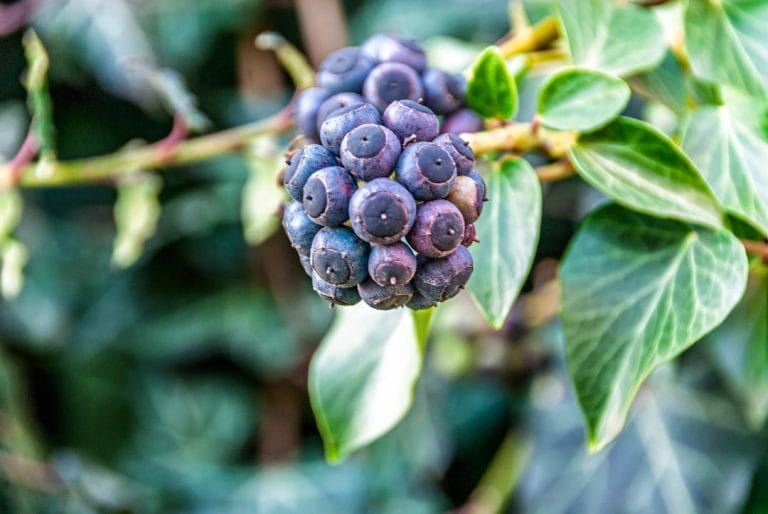
A pea-sized nightshade eaten across the tropics, with some promising lab research — and a rare but serious poisoning risk worth knowing about.
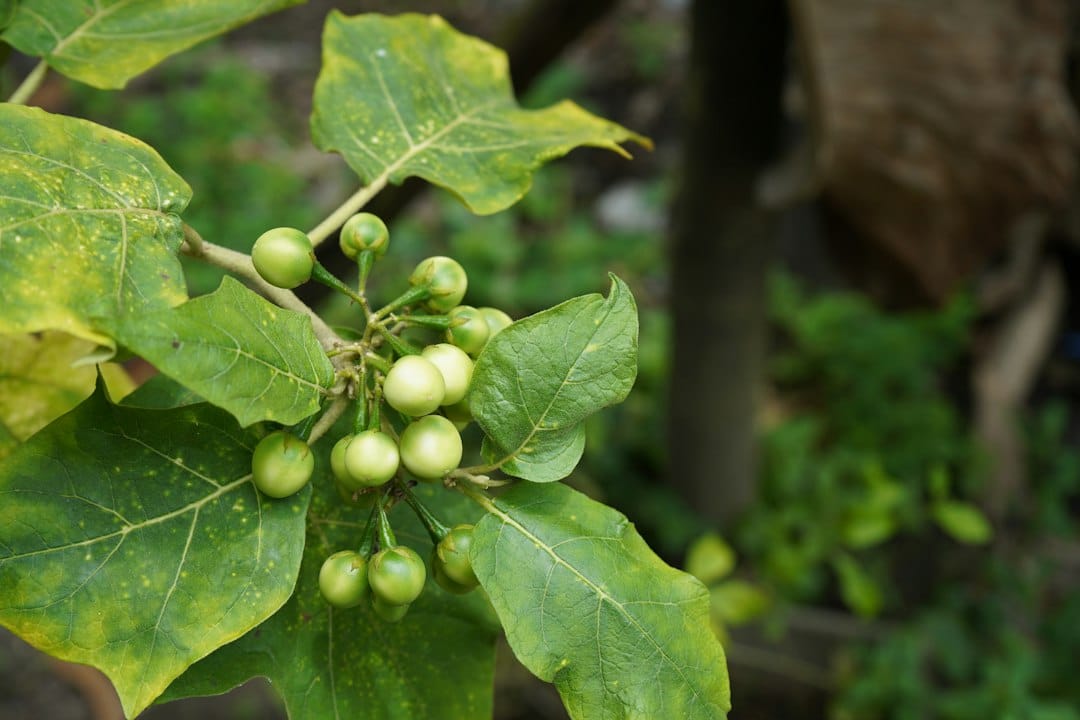
Turkey berry is a small green berry from Solanum torvum, a spiny shrub in the nightshade family, also known as susumber, devil’s fig, wild eggplant, pea eggplant, and sundakkai. Cooks in Jamaica, Ghana, Thailand, and India add the bitter berries to curries, stews, and saltfish dishes, and the plant has a long history in folk medicine.
This guide covers turkey berry side effects first, because that is what most people are searching for — including a well-documented but rarely mentioned risk of poisoning — and then what the research actually shows about its benefits. Much of the benefit research is in rats and test tubes, and the article says so where it applies. Wild fruit tends to raise the same question. Crab apples and medlars both come with their own cautions worth reading before you forage.
Key Takeaways
- Cooked turkey berries are eaten safely by many people, but rare poisoning outbreaks have caused vomiting, slurred speech, unsteady walking, and breathing failure (1, 3).
- Poisonous berries looked the same as safe ones and contained higher levels of natural nightshade toxins called glycoalkaloids (1, 2).
- The fruit contains iron, zinc, calcium, magnesium, potassium, protein, and fiber (4).
- A small human pilot study found turkey berry biscuits improved hemoglobin in adolescent girls, but a rat study found it did not restore iron status (5, 6).
- Blood sugar and blood pressure benefits have been shown only in rats (8, 10).
- There is no safety data for pregnancy; avoid extracts, juices, and teas while pregnant (16).
Turkey Berry Side Effects
 Save
SaveRare but serious poisoning
Turkey berry is normally edible, but it can occasionally be poisonous. Like potatoes and other nightshades, it contains steroidal glycoalkaloids, natural compounds that can cause digestive and neurological symptoms in large amounts. Everyday kitchen ingredients can do the same in quantity — nutmeg and mace are the clearest example.
Two outbreaks were investigated in detail. In New York, five family members ate a traditional meal with Jamaican susumber berries, and all became ill the next morning with digestive upset, dizziness, slurred speech, nerve problems affecting the face and eyes, and unsteady walking; the most severely affected needed prolonged mechanical ventilation. In Toronto, six people who ate unripe berries developed diarrhea, weakness, facial paralysis, slurred speech, and breathing problems, and one needed intubation. The poisonous berries appeared indistinguishable from normal ones, but contained higher amounts of glycoalkaloids such as solamargine and solasonine (1).
In another case, a woman developed vision, speech, and walking problems after eating susumber berries; glycoalkaloids were found in her leftover berries and in her blood, while store-bought berries and her later blood samples were free of them (2). A 2023 systematic review identified 17 people poisoned by turkey berries. Almost all had neurological symptoms that mimicked a stroke — 94 percent had slurred speech and unsteady gait — 35 percent needed intensive care, 18 percent were intubated, and 82 percent recovered quickly and completely (3).
A 2026 report adds a second disguise, and it matters because the two are treated differently. A 67-year-old woman and her 71-year-old husband both arrived at hospital with slurred speech and lethargy the day after eating turkey berries. Both had drooping eyelids, and she had reduced muscle strength. Brain imaging and angiography were normal, ruling out the stroke everyone first suspected. What they looked like instead was myasthenia gravis 17.
Two details are worth carrying. They improved dramatically within minutes of a drug used to test for myasthenia, and were switched to a tablet form; symptoms faded over 48 hours and both went home on the fourth day with nothing remaining at six months. But the nerve test that confirms real myasthenia was negative — so this was the poison imitating the disease, not causing it. The authors suggest the glycoalkaloid temporarily interferes with the signal between nerve and muscle 17.
The practical point is the same one as with stroke, only sharper: tell the hospital what you ate. The same paper notes an earlier cluster in Toronto where patients were given an antitoxin for botulism on suspicion, and their muscle weakness got worse 17.
These cases are rare, and the review authors suggest berries stressed after harvest or by temperature changes may be more likely to be toxic (3). Practical precautions:
- Avoid unripe berries, which were involved in one poisoning outbreak.
- Buy from a reliable source rather than foraging.
- Eat them in normal food amounts, in the cooked dishes they are traditionally used in.
- Seek emergency care for slurred speech, blurred or double vision, trouble walking, weakness, or breathing difficulty after eating them — and tell doctors what you ate, because it can look like a stroke.
Digestive upset
Digestive upset, vomiting, and diarrhea were among the early symptoms in poisoning cases (1, 2), and even normal portions of bitter nightshades do not agree with everyone. If turkey berry consistently upsets your stomach, leave it out.
Pregnancy and breastfeeding
There is no human safety data for turkey berry during pregnancy or breastfeeding. In hamster studies, high doses of several related Solanum species whose main glycoalkaloids are also based on solasodine increased the rate of birth defects (16). Turkey berry itself was not tested, but it is sensible to avoid concentrated forms — extracts, juices, teas, and supplements — while pregnant, and to check with your doctor or midwife before eating it as food.
Medication cautions
In rat studies, turkey berry extracts lowered blood sugar and blood pressure (8, 9, 10). Whether normal food amounts do the same in people is unknown, but if you take medication for diabetes or high blood pressure, talk to your doctor before using turkey berry extracts or teas regularly. For the wider question of what people with diabetes can and cannot eat, see our guide on amount rather than bans.
Nightshade sensitivity
Turkey berry is a nightshade, like tomatoes, potatoes, and eggplant. People who avoid nightshades as part of an elimination diet — for example, some people following a psoriasis diet or an arthritis diet — should treat it the same way.
Turkey Berry Nutrition
 Save
SaveAnalyses of fresh unripe turkey berries and leaves from Ghana found iron, zinc, copper, manganese, calcium, magnesium, sodium, potassium, protein, fat, carbohydrate, and fiber. Boiling did not significantly change the mineral content of the fruit, although it affected moisture, protein, and fiber (4).
Cooking and digestion also change plant compounds in Solanum fruits, so lab measurements of antioxidants in raw berries do not tell you how much your body absorbs from a cooked dish (14).
Turkey Berry Benefits: What the Research Shows
Anemia and hemoglobin
This is the only benefit with a human study. In a pilot cluster-randomized trial in Ghana, 151 adolescent girls ate turkey berry-fortified biscuits or placebo biscuits for six weeks. The turkey berry group had higher hemoglobin, a 23.8 percent reduction in anemia cases, and better scores on cognitive tests (5). It was a small, open-label pilot, so the results need confirming.
The animal evidence is mixed. In rats with drug-induced anemia, turkey berry extract raised red blood cells and hemoglobin (7). But in malnourished rats, adding turkey berry to the diet did not improve iron status or body composition, while cricket and palm weevil powders did (6). Turkey berry can be part of an iron-conscious diet, but it is not a treatment for diagnosed anemia.
Blood sugar
In diabetic rats, turkey berry fruit extract lowered blood sugar by up to 42 percent, improved liver and pancreas health, and was linked to regeneration of insulin-producing cells (8). A 2022 rat study found similar effects on blood sugar and cholesterol (9). There are no human trials.
Blood pressure
In rats fed a high-fructose diet, turkey berry extract prevented the rise in blood pressure and reversed several metabolic changes (10). Again, this has not been tested in people.
Antibacterial, antiviral, and anti-inflammatory activity
In the lab, extracts of the plant inhibited bacteria linked to genitourinary infections (15), compounds from the fruit showed antiviral activity (11), and compounds from the plant reduced inflammatory activity in human immune cells (13). In rats, the fruit also protected the liver and kidneys from damage caused by the heavy metal cadmium (12). These are early findings that explain scientific interest in the plant, not reasons to use it as medicine.
How to Eat Turkey Berry Safely
- Choose ripe, fresh berries from a trusted seller.
- Use them in cooked dishes. Traditional recipes simmer them in stews and saltfish dishes, or fry them in oil with spices such as mustard seeds and asafoetida.
- Keep portions to normal food amounts, as part of a balanced diet.
- Be cautious with extracts, teas, and juices, which have not been tested for safety in people.
Frequently Asked Questions
Can turkey berry poisoning be mistaken for something else?
Routinely, and that is the main danger. A 2023 systematic review of 17 poisoned people found 94 percent had slurred speech and an unsteady walk, which is why these cases are repeatedly treated as strokes at first. A 2026 report describes a couple who instead looked like they had myasthenia gravis, with drooping eyelids and speech difficulty; brain scans were normal and the nerve test for real myasthenia was negative. In an earlier Toronto cluster, patients were given botulism antitoxin on suspicion and got worse. If symptoms like these follow a meal containing turkey berries, say so to the doctors, because the right diagnosis changes the treatment.
What are the side effects of turkey berry?
Most people eat cooked turkey berries without problems. Rarely, batches of berries have caused poisoning, with vomiting, dizziness, slurred speech, blurred vision, unsteady walking, and in severe cases breathing failure. Toxic berries looked the same as normal ones, and the symptoms can be mistaken for a stroke. Anyone with these symptoms after eating turkey berries needs emergency care.
Is turkey berry poisonous?
Normally no, but it can be. Turkey berry is a nightshade and contains steroidal glycoalkaloids. In reported outbreaks, the berries that made people ill, including unripe berries, contained higher amounts of these compounds than safe berries, while store-bought berries tested in one case were free of them. Avoid unripe berries and buy from a reliable source.
Can I drink turkey berry juice with milk?
There is no research on turkey berry juice mixed with milk, so no specific side effect has been shown. The known risks are the same as for the berries themselves: unripe berries have been linked to poisoning, and concentrated juices and extracts have not been tested for safety in people.
Is turkey berry safe during pregnancy?
There is no human safety data. Related nightshade species containing similar alkaloids caused birth defects in hamsters at high doses, so avoid turkey berry extracts, juices, and teas during pregnancy, and ask your doctor or midwife about eating it as food.
Does turkey berry help with anemia?
Possibly, but the evidence is early. In a small pilot trial in Ghana, adolescent girls who ate turkey berry-fortified biscuits for six weeks had higher hemoglobin and less anemia. However, in a rat study, turkey berry did not restore iron status the way iron-rich insect powders did. It is not a substitute for iron treatment if you have been diagnosed with anemia.
Does turkey berry affect fertility?
There is very little evidence either way. One study in mice found no changes in sperm quantity or quality at the doses tested. There are no human studies.
The Bottom Line
Turkey berry side effects are uncommon when the berries are eaten in normal food amounts, but they are not trivial: rare batches have caused poisoning with stroke-like symptoms, and toxic berries look the same as safe ones. Avoid unripe berries, buy from a reliable source, and get emergency help for slurred speech, vision problems, or unsteady walking after eating them. The benefits are promising but early — a small human study suggests help with anemia, while blood sugar and blood pressure effects have only been seen in rats. Skip concentrated forms if you are pregnant, and talk to your doctor if you take diabetes or blood pressure medication.
This article is for informational purposes only and is not a substitute for professional medical advice, diagnosis, or treatment. Consult a qualified healthcare provider before making changes to your diet, especially if you are pregnant, breastfeeding, managing a chronic condition, or taking medication.
Related Articles
Soursop Side Effects: Is It Poisonous, and What About the Leaves?
Is Ackee Poisonous? Unripe Fruit, Symptoms and Safe Eating
Asafoetida (Hing) Benefits: Digestion Research, Uses and Safety
How to Eat a Balanced Diet Without Counting Every Calorie
The Arthritis Diet That Actually Helps (and the Foods Quietly Making Your Joints Worse)