
The pungent spice Indian cooks call hing has a real case for digestion — and a few safety rules worth knowing.
If you have ever opened a jar of asafoetida, you know the smell arrives first. Sharp, sulfurous, and honestly a little startling. Yet once a pinch hits hot oil, that harshness mellows into a savory, onion-and-garlic depth that Indian and Iranian cooks have relied on for centuries, especially in bean and lentil dishes.
Most lists of asafoetida benefits promise glowing skin, stronger hair, and a long run of cures. The evidence tells a narrower and more useful story. Digestion is the one benefit with human trials behind it, and for how far that reaches beyond the gut see our guide to gut health and mental health, most of the other claims come from lab and animal studies, and there are a few groups — babies above all — who should not be given it. Here is what the research actually supports.
Key Takeaways
- Asafoetida is a dried resin from the roots of Ferula plants, used by the pinch as a savory spice (1).
- Digestion is the best-supported benefit. Two small placebo-controlled trials found an asafoetida supplement reduced bloating and indigestion symptoms, though the evidence is rated low certainty (3, 4, 5).
- Claims about skin, hair, infections, and blood pressure come mainly from lab and animal research, not from studies in people (7, 9).
- Never give it to babies. It has caused methemoglobinemia, a dangerous blood condition, in infants given it for colic (11, 12).
- Most shop-bought hing is mixed with wheat flour, so it is not automatically gluten-free.
- Pregnant women and people on blood thinners should avoid medicinal doses and check with their doctor.
What Is Asafoetida?
 Save
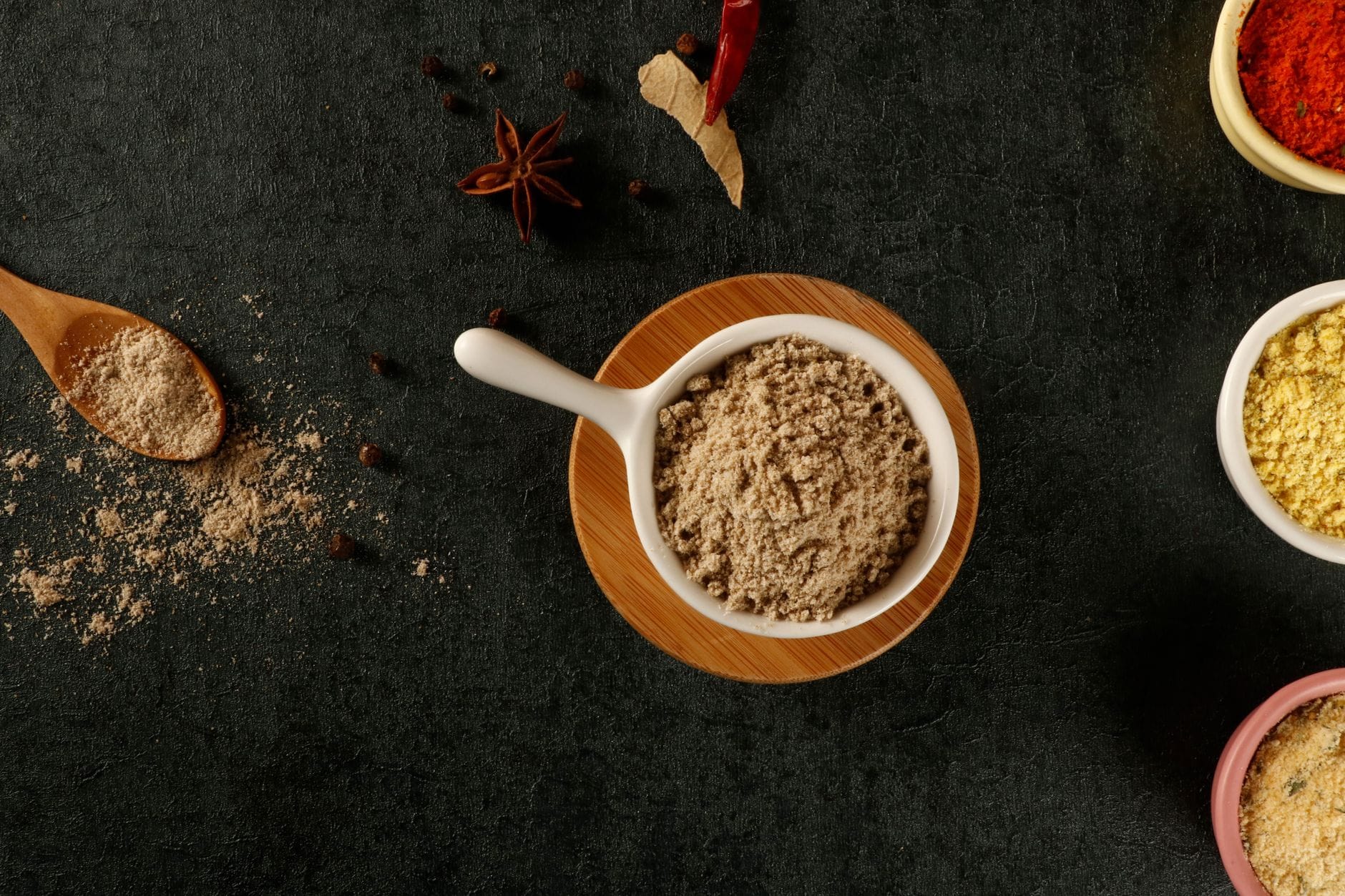
SaveAsafoetida is the dried latex, or oleo-gum-resin, collected from the roots of Ferula plants native to Iran and Afghanistan and used widely across India, where it is known as hing. By weight it is roughly 40 to 64 percent resin, about 25 percent gum, and 3 to 17 percent volatile oil (1). That oil is rich in sulfur compounds, which is where the smell comes from, while the resin contains ferulic acid and a family of compounds called sesquiterpene coumarins (2).
Because the pure resin is so strong, most asafoetida sold for cooking is compounded hing: a small amount of resin ground together with flour to make a powder you can measure. You use it by the pinch, so it contributes essentially no calories, vitamins, or minerals to a meal. Any benefit comes from its active compounds, not its nutrition.
Digestion: The Best-Supported Benefit
Asafoetida’s oldest job is making beans and lentils easier on the stomach, and it is the one area where it has been tested in people.
- In a double-blind, placebo-controlled trial, 43 adults with functional dyspepsia — ongoing indigestion without an obvious cause — took 250 mg of an asafoetida formulation or a placebo twice a day for 30 days. The asafoetida group improved significantly more on bloating, fullness after meals, appetite, and overall digestion, with no side effects reported (3).
- A second placebo-controlled trial in 62 people with dyspepsia symptoms found 250 mg a day for 14 days reduced bloating, early fullness, and heartburn, and shifted the balance of gut bacteria (4).
- A Cochrane review of herbal medicines for functional dyspepsia included the first trial and concluded asafoetida may improve symptoms, but rated the evidence low certainty because it rests on a single small study (5).
Two caveats matter. Both trials used a concentrated supplement, not the pinch you add to dal, and both were carried out with the company that makes the formulation. There is also a plausible mechanism: in rats fed asafoetida as part of their diet for eight weeks, pancreatic enzymes that digest fat and starch became more active — an effect that did not appear after a single dose (6).
The fair reading: asafoetida is a reasonable spice to cook with if beans and lentils leave you bloated, and early trials suggest it may help indigestion, but it is not an established treatment. Persistent indigestion deserves a conversation with your doctor.
Other Research Is Mostly in the Lab
You will see asafoetida credited with antimicrobial, antispasmodic, blood-pressure-lowering, anti-inflammatory, and even anticancer effects. Those findings are real, but they come almost entirely from test tubes and animals (7). For example, compounds isolated from asafoetida were more potent than the drug amantadine against an influenza virus in cell cultures (8) — an interesting lead for drug research, and no evidence at all that eating hing prevents flu.
Treat these as reasons scientists are interested in the plant, not as health benefits you get from your cooking.
Skin and Hair: What the Evidence Says
Asafoetida face packs and hair masks are popular in home remedies, and this is where the claims run furthest ahead of the evidence. There are no human studies showing that applying asafoetida improves wrinkles, dark spots, acne, or hair.
The closest research is a lab study on human skin cells. At extremely low concentrations, asafoetida resin helped aged skin cells recover; at only slightly higher concentrations, it became toxic and killed them (9). That narrow margin is a good reason not to improvise with it at home. The European Food Safety Authority also classifies asafoetida oil as an irritant to skin and eyes and as a skin sensitiser, meaning it can trigger allergic reactions (10).
If you want a spice that genuinely earns its place, keep asafoetida in the kitchen. Home masks that also add lemon juice to the face carry their own risk of irritation.
How to Cook With Asafoetida
 Save
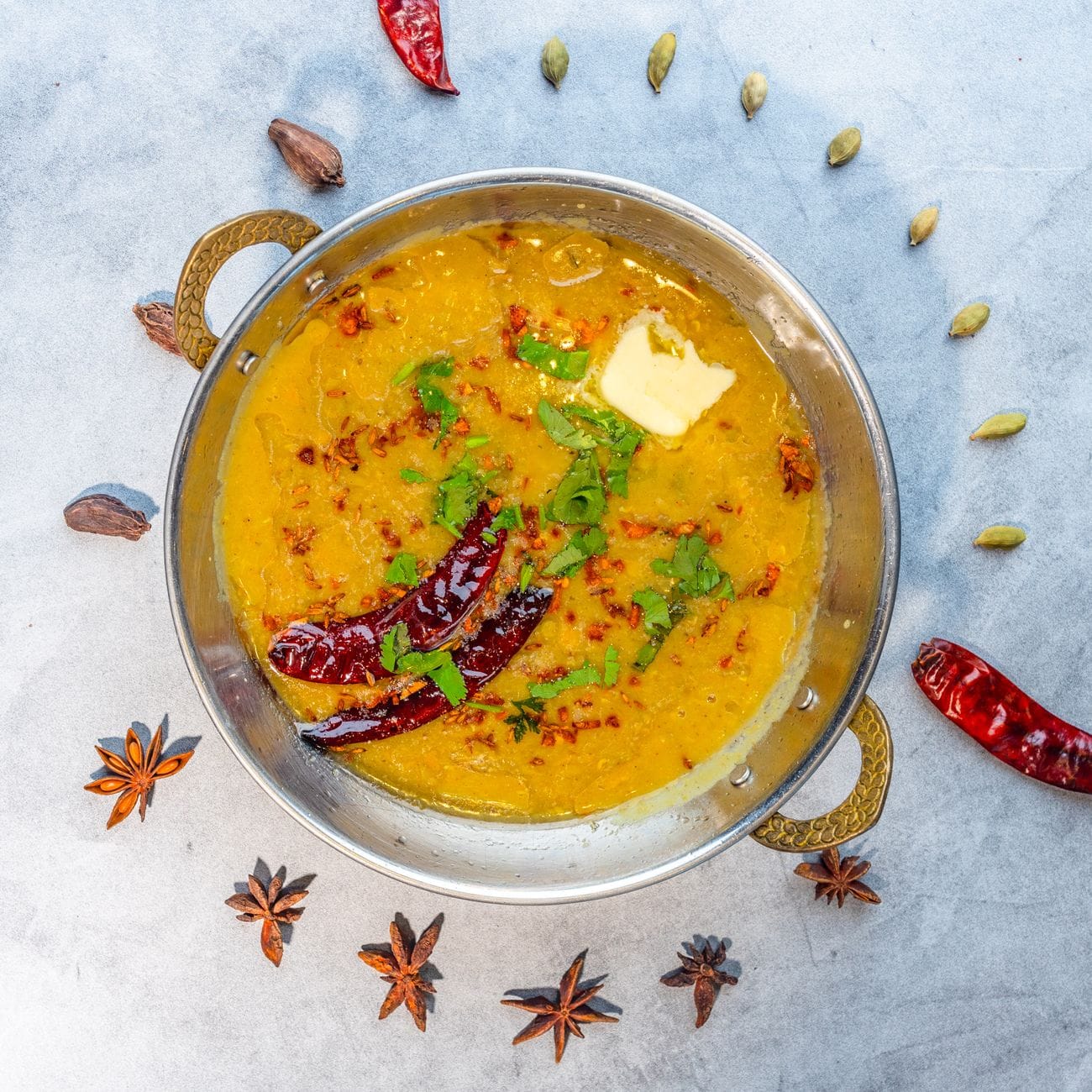
Save- Use a pinch — about an eighth of a teaspoon for a pot of dal or beans.
- Bloom it in hot oil or ghee for a few seconds before adding other ingredients. This tames the raw smell and brings out a mellow, onion-like flavor.
- Pair it with lentils, chickpeas, and beans, which is both the traditional use and the one that makes the most sense for digestion.
- Use it as an onion or garlic substitute in dishes for people who avoid them.
- Store it in an airtight container, or the smell will spread through your cupboard.
Check the label for gluten. Most compounded hing is made with wheat flour. If you have coeliac disease or a gluten intolerance, look for a brand labelled gluten-free, which is usually made with rice flour.
Asafoetida is often cooked alongside other digestive spices — see what cumin brings to the same pot — and fits naturally into a plant-based diet built around beans and lentils.
Who Should Avoid Asafoetida
- Babies and young children. Infants given asafoetida as a folk remedy for colic have developed methemoglobinemia, a potentially life-threatening condition in which the blood cannot carry oxygen properly (11, 12). Do not give it to babies in any form.
- Pregnant women, as a remedy. Traditional Ayurvedic texts classify asafoetida as a substance that promotes menstruation (13), and concentrated extracts have affected pregnancy in animal studies (1). Ordinary amounts in food are a different matter from medicinal doses, but check with your doctor or midwife before using it as a remedy.
- People taking blood thinners or blood pressure medication. Animal studies have reported anticoagulant and blood-pressure-lowering effects (1). The significance for people is unknown, so ask your doctor before taking supplements.
- Anyone considering large doses. In rats given high doses daily for six weeks, asafoetida altered blood counts and caused signs of liver damage, even though a single large dose was not acutely toxic (14).
- People with coeliac disease, unless the product is labelled gluten-free.
Frequently Asked Questions
Is asafoetida good for gas and bloating?
It is the best-supported use. Asafoetida has been added to beans and lentils for generations to make them easier to digest, and two small placebo-controlled trials in people with functional dyspepsia found an asafoetida supplement reduced bloating and fullness. Both trials were small and run with the company that makes the supplement, and a Cochrane review rated the evidence as low certainty. As a cooking spice it is a sensible thing to use with beans; as a treatment, the evidence is still early.
Is hing gluten-free?
Pure asafoetida resin is, but most hing sold in shops is compounded powder, where the resin is mixed with flour to make it easier to use — and that flour is often wheat. If you have coeliac disease or need to avoid gluten, choose a brand clearly labelled gluten-free, usually made with rice flour.
How much asafoetida can I use in a day?
A pinch or two in cooking, which is how it has always been used. There is no established safe dose for concentrated supplements, and animal studies found that large daily doses over several weeks affected liver and blood markers, so more is not better.
Is asafoetida safe during pregnancy?
Normal cooking amounts in food are unlikely to be a concern, but medicinal doses and supplements are best avoided. Traditional Ayurvedic texts classify it as a substance that promotes menstruation, and animal studies of concentrated extracts have reported effects on pregnancy. If you are pregnant or breastfeeding, talk to your doctor or midwife before using it as a remedy.
Can I give hing to a baby for colic?
No. Asafoetida has been linked to methemoglobinemia, a dangerous condition that stops the blood carrying oxygen properly, in infants given it as a folk remedy for colic. Babies are especially vulnerable. Do not give asafoetida remedies to infants or young children.
Can I put asafoetida on my face?
It is not a good idea. There are no human studies showing that asafoetida face masks improve skin, and the European Food Safety Authority classifies asafoetida oil as a skin and eye irritant and a skin sensitiser, meaning it can trigger allergic reactions. Keep it in the kitchen.
The Bottom Line
The real benefits of asafoetida are about digestion. It has a long track record in bean and lentil cooking, and two small trials suggest an asafoetida supplement may ease bloating and indigestion, although the evidence is still low certainty. The skin, hair, and disease-fighting claims rest on lab and animal work, not on studies in people. Use it by the pinch, bloom it in hot oil, check the label if you avoid gluten, keep it away from babies, and talk to your doctor before using it medicinally if you are pregnant or take blood thinners.
This article is for informational purposes only and is not a substitute for professional medical advice, diagnosis, or treatment. Always consult a qualified healthcare provider before using any remedy, especially if you are pregnant, breastfeeding, taking medication, or managing a health condition.
Related Articles
Why That Humble Jar of Jeera Might Be the Hardest-Working Spice in Your Kitchen
How to Calm Diarrhea at Home With Things You Probably Already Have
Health Benefits of Capers: What the Research Actually Shows